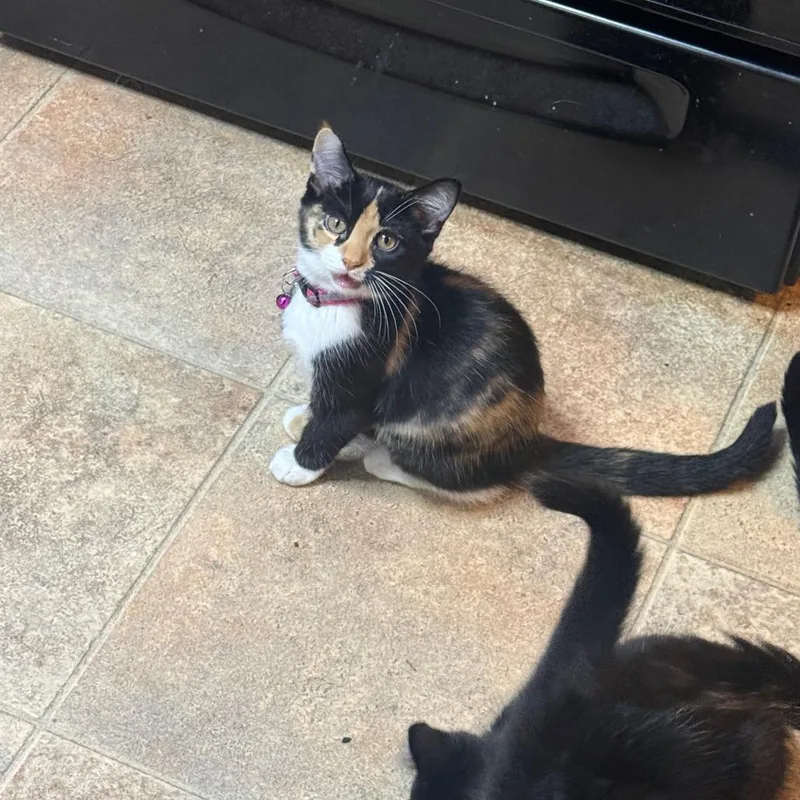
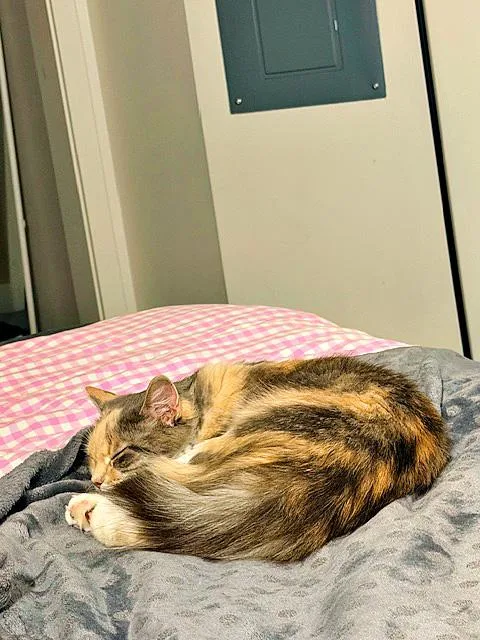
Tortoiseshell Cats for Adoption in Pittsburgh, PA

Your guide to finding and caring for a Tortoiseshell in Pittsburgh

A tortoiseshell cat fits easily into a Pittsburgh rowhouse or hillside apartment. In Polish Hill or Troy Hill, where the streets are steep and the homes sit close together, an indoor tortie can spend the day on a window perch watching the city steps below. Tortoiseshell is a coat pattern, not a breed, so these cats vary a lot in personality. Some are cuddly, others bold and opinionated. Winters here are long, which makes a cat with a sunny perch a comfortable fit.

979 Tortoiseshells available in Pittsburgh and nationwide

Your Tortoiseshell is waiting

Tortoiseshells Available for Adoption Near Pittsburgh

About the Tortoiseshell breed

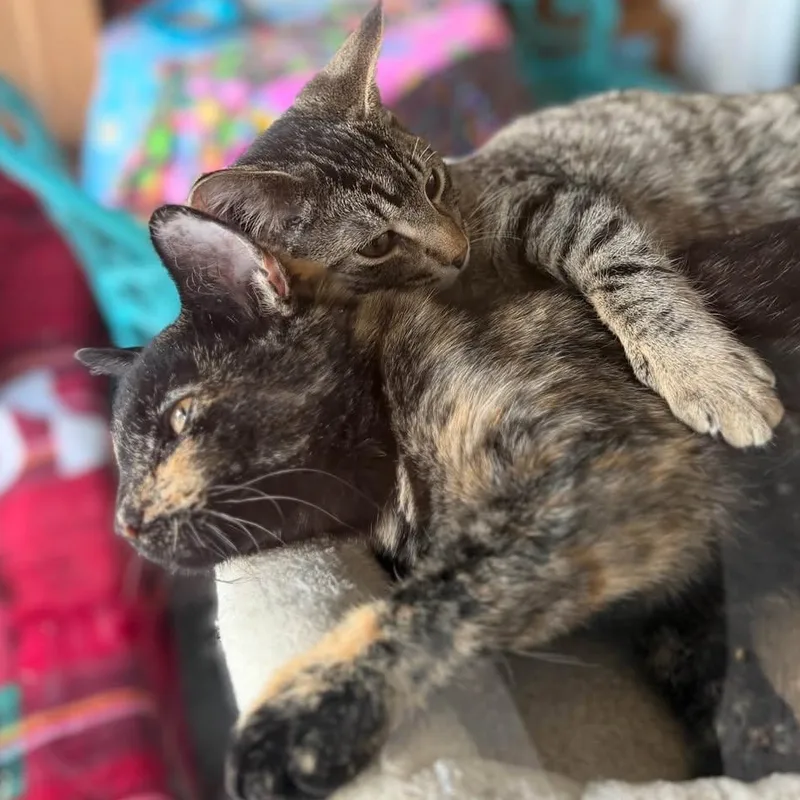
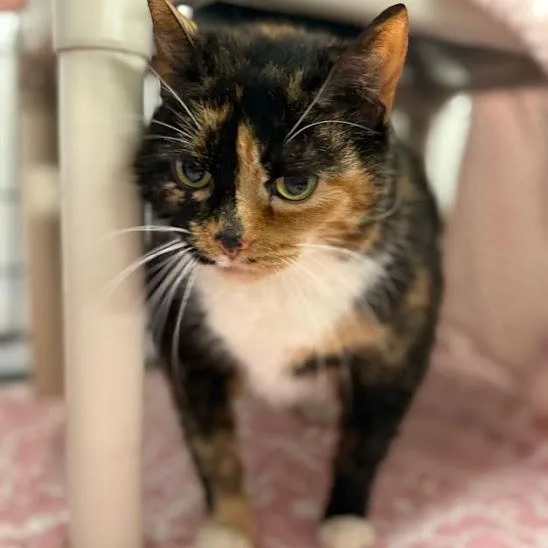
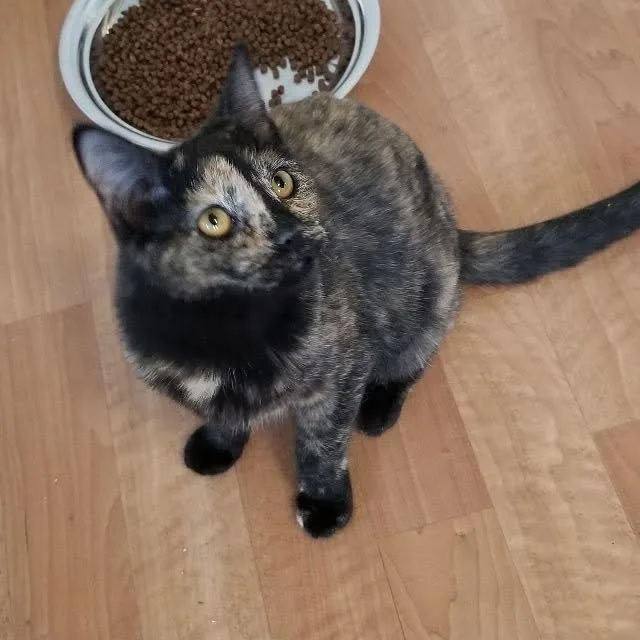
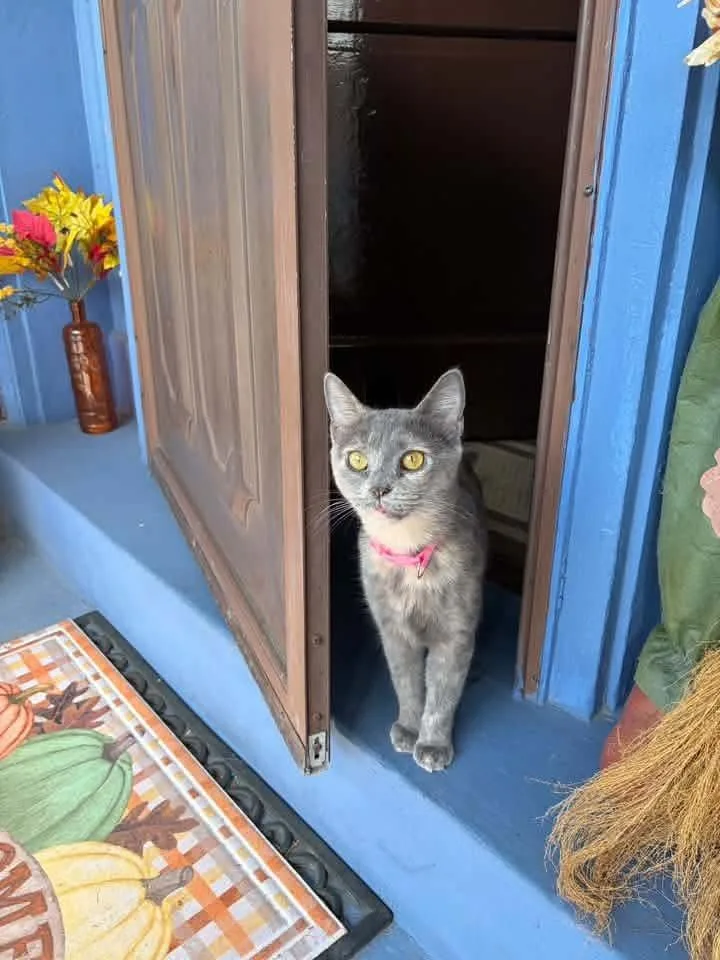
Tortoiseshell describes a coat, not a breed. A tortie's fur blends black-based and orange-based colors in patches or a fine mottle, usually with little or no white. Cats with large white areas are called calicos, dilute torties look soft gray and cream, and torbies add tabby stripes. Nearly all torties are female, because the orange gene sits on the X chromosome.

Most torties are domestic shorthairs, though the pattern turns up in many breeds, including Persians and Maine Coons. The "tortitude" reputation for sass is mostly folklore, and a cat's age, history and socialization say far more about personality than color. A tortie might be a quiet lap cat in a Squirrel Hill apartment or a busy climber in a Greenfield house. Shedding is moderate, so regular brushing helps.

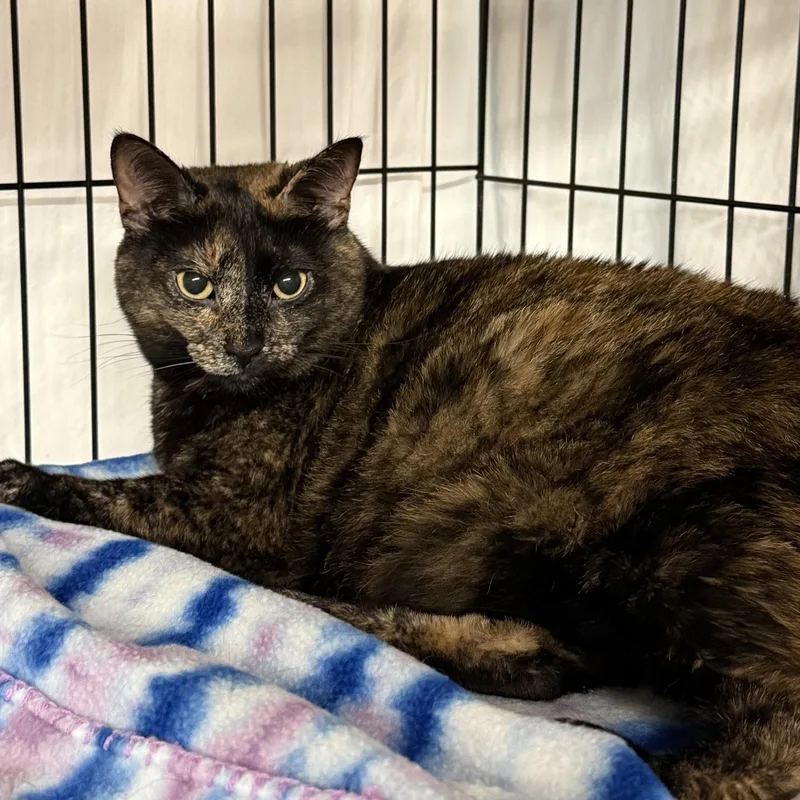
Weight
6–14 lbs
Height
8–10 in
Lifespan
12–18 yrs
Temperament
Independent, Affectionate, Playful
Shedding
Moderate

Owning a Tortoiseshell in Pittsburgh

Having a Tortoiseshell in Pittsburgh

Because tortoiseshell is a coat pattern, a tortie's traits come mostly from ancestry, age and upbringing. These cards describe what's typical of the domestic shorthairs most adopters meet, with notes on how that plays out in Pittsburgh's rowhouses, hills and long winters.

Temperament

Torties have a reputation for spirited, opinionated "tortitude," but the evidence is thin and mostly owner impressions. Tortoiseshell cats range from shy to bold and from cuddly to independent. In a busy Pittsburgh rowhouse with street noise and close neighbors, a confident cat may adapt more easily, while a shy one may want a quiet room.

Exercise Needs

Most torties benefit from daily play with wand toys, chase games and puzzle feeders, and kittens and young cats need the most. When snow and ice keep everyone inside from December through March, two short play sessions a day, a tall cat tree and a window perch keep an indoor cat busy and fit.

Health Considerations

The tortoiseshell pattern carries no particular health risks in females, while the rare males usually have an extra X chromosome and may face added issues. Otherwise health follows breed, age and care. Yearly checkups, dental care, a healthy weight and parasite prevention matter, since ticks carrying Lyme are found across Allegheny County.

Living Space

Tortoiseshell cats do well in apartments and houses alike. Pittsburgh has plenty of rowhouses, converted Victorians and mid-rise apartments, and all of them work for an indoor cat with scratching posts, a cat tree and a hideaway. Vertical space matters more than floor area, and a secure window perch gives a cat something to watch.

What it costs to own a Tortoiseshell in Pittsburgh

ExpenseTypical costPer year
Food$25 to $50 per month$300 to $600
Pet insurance$20 to $45 per month$240 to $540
Routine vet care$150 to $350 per year$150 to $350
Other*$450 to $1,150 per year$450 to $1,150
Estimated yearly total (after year one)$1,140 to $2,640

Other costs are estimates and vary with size, age and health.

* Litter, flea and tick prevention, a dental cleaning allowance, toys and supplies, and home grooming.

Adopt a Tortoiseshell in Pittsburgh.

Now that you know more, let’s find you a new best friend. These rescues and shelters below currently have Tortoiseshells available.

Frequently Asked Questions

Yes. Pittsburgh doesn't require a cat license and has no rules about coat colors. You'll need proof of rabies vaccination, an ID collar or tag if the cat goes outdoors, and to stay within the five dogs-and-cats household limit. Landlords set their own pet rules, so confirm permission before bringing a cat home.

A Tortoiseshell suits Pittsburgh if you can offer an indoor home with daily play, a window perch and patience through long winters. Rowhouses, hillside flats and mid-rise apartments all work. Personality varies widely, from shy lap cats to bold talkers, so watch how each cat behaves and let a vet check health after adoption.

Yes. Tortoiseshell cats adapt well to apartments, and about half of Pittsburgh households rent. Vertical space such as a cat tree or window perch matters more than square footage. Confirm the lease's pet terms before adopting, and use sturdy screens on upper-floor windows, since cats are drawn to open windows in spring and summer.

Yes, if they stay indoors. Pittsburgh winters run 25 to 39°F with about 44 inches of snow and many freezing nights, which is too harsh for a cat outside. A warm bed, a sunny window perch and daily play keep a tortie comfortable. Wipe paws after any trip across salted steps or sidewalks.

Yes, Tortoiseshell cats can ride Pittsburgh Regional Transit buses and the T, including its Downtown subway, in a fully enclosed carrier that fits on your lap. There's no extra fare for pets. Cats can't sit on seats or block the aisle, so choose a carrier with a secure latch and a washable pad.

Very little. Most Tortoiseshell cats are domestic shorthairs with moderate shedding, so a weekly brush usually does it, and more often in spring as coats lighten. Longhaired torties need brushing a few times a week. Dry heated air in winter can cause flaky skin. Home grooming is part of the yearly Other costs, so a professional groomer is rarely needed.

A tortoiseshell cat is a cat with a coat pattern of black-based and orange-based colors blended or patched together, usually with little or no white. It is not a breed; the pattern appears in many breeds and most often in domestic shorthairs. Nearly all tortoiseshells are female because the genes for orange and black are carried on the X chromosome.

Almost all tortoiseshell cats are female, but not all. A female has two X chromosomes and can carry both orange and black color genes, producing the mixed coat. Males normally have only one X. Rare male torties usually have an extra X chromosome or are genetic chimeras, and they are estimated at roughly 1 in 3,000 tortoiseshells.

We have 1 rescue with Tortoiseshells available: Kitty Queen Cat Rescue. You can see every rescue with Tortoiseshells available in the list above these questions, or scroll to the top to see the Tortoiseshells near Pittsburgh.

Expect roughly $1,140 to $2,640 a year for a tortie in Pittsburgh. Food runs $25 to $50 a month, optional insurance $20 to $45 a month, routine vet care $150 to $350 a year, and other costs such as litter, prevention and dental care $450 to $1,150 a year. Emergencies and illness cost extra.