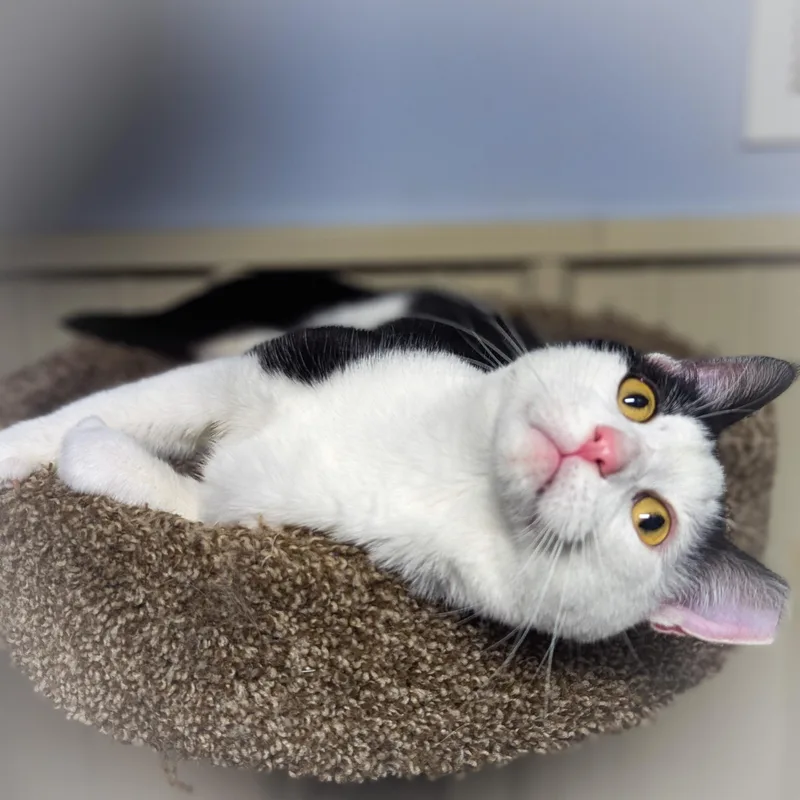
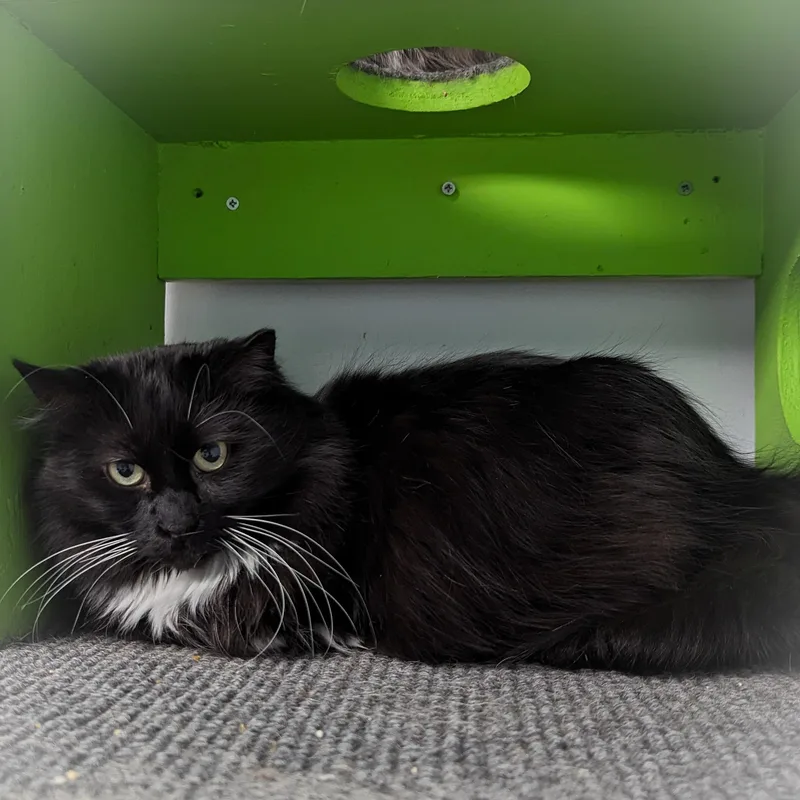
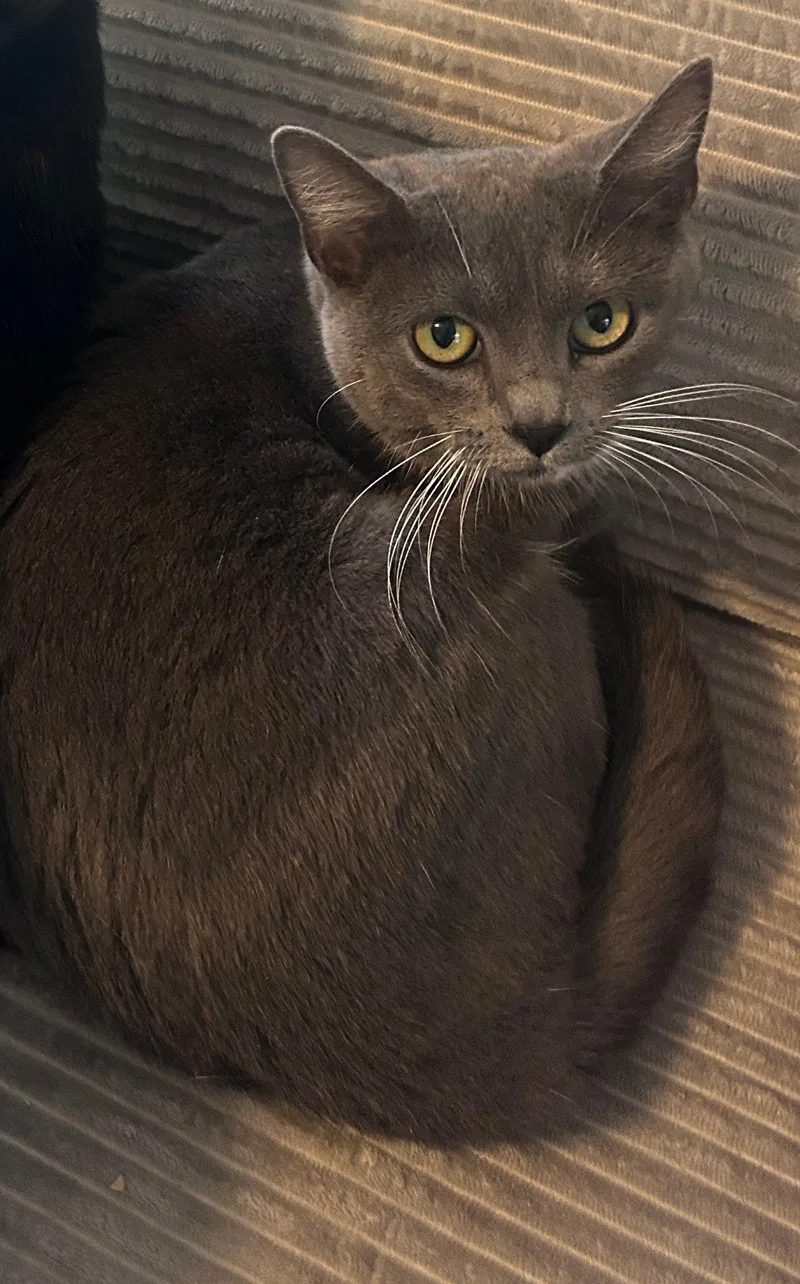
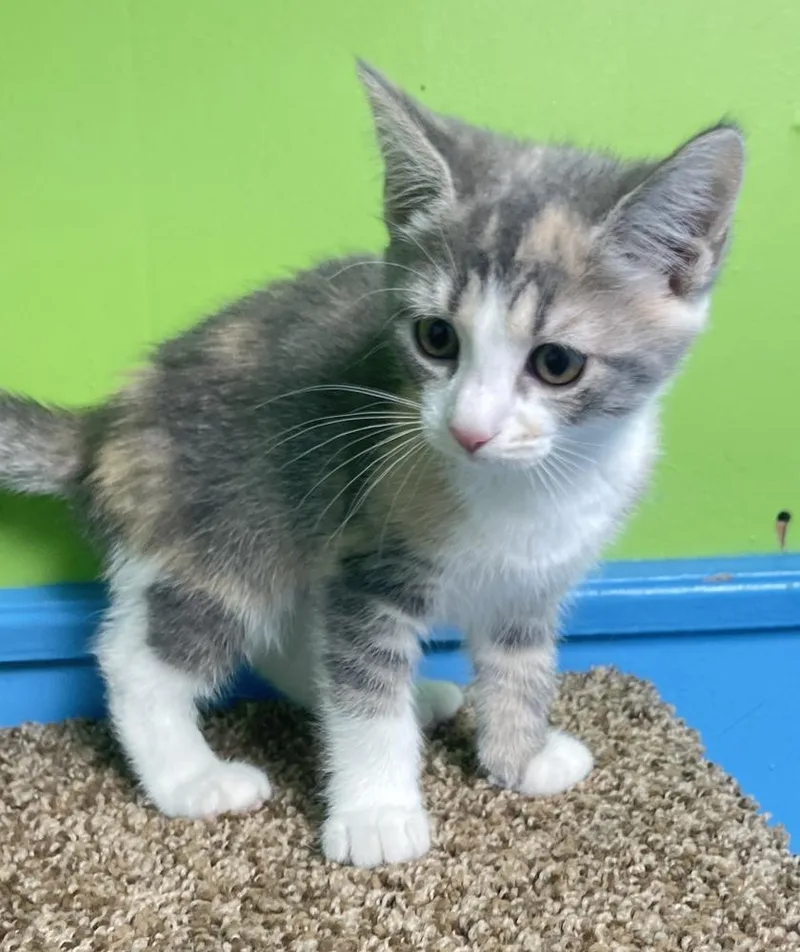
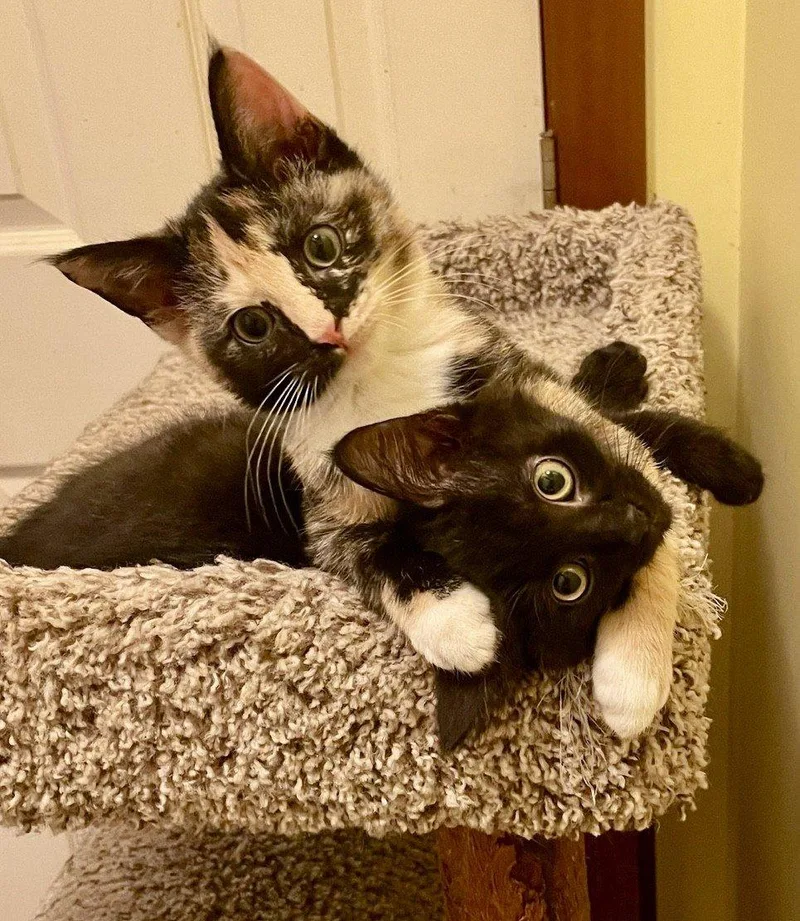
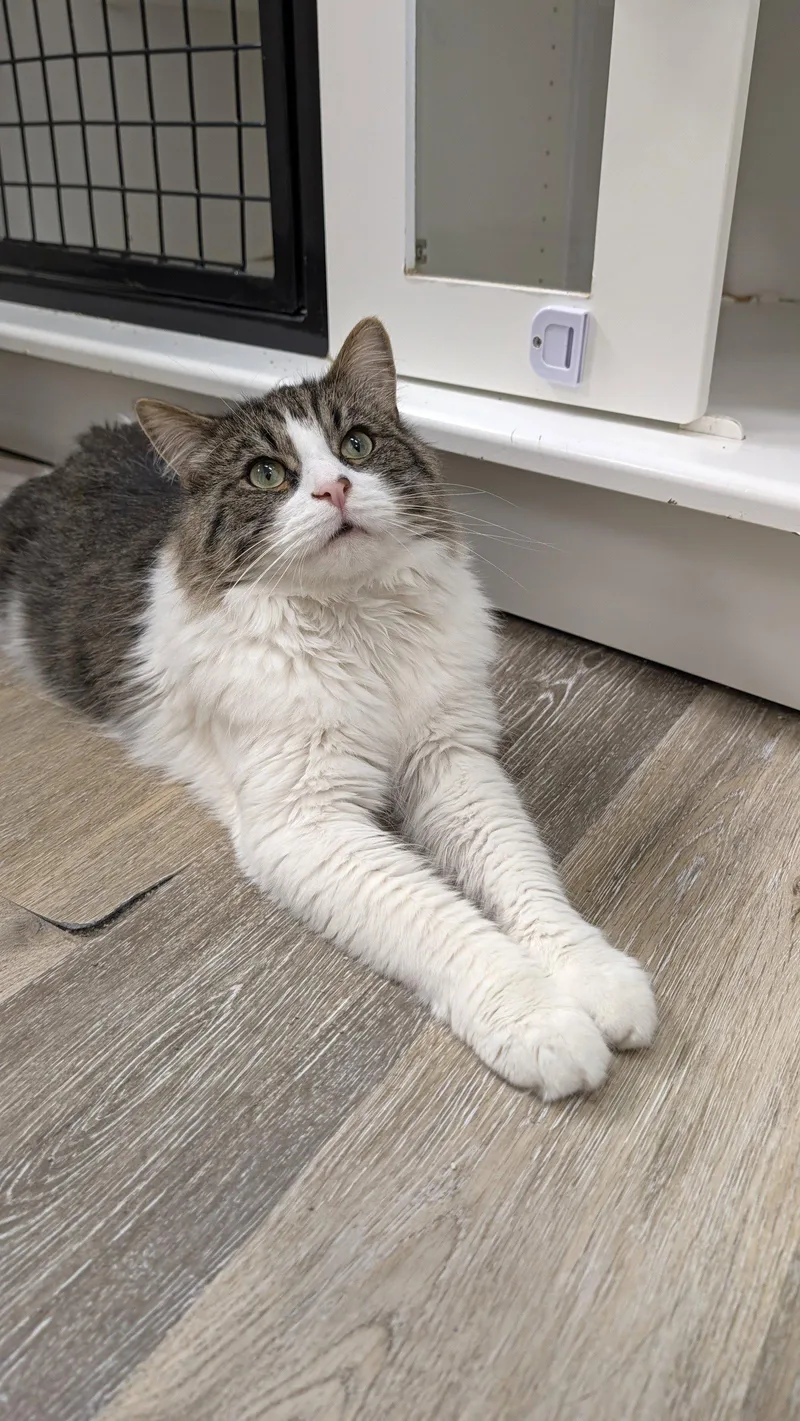
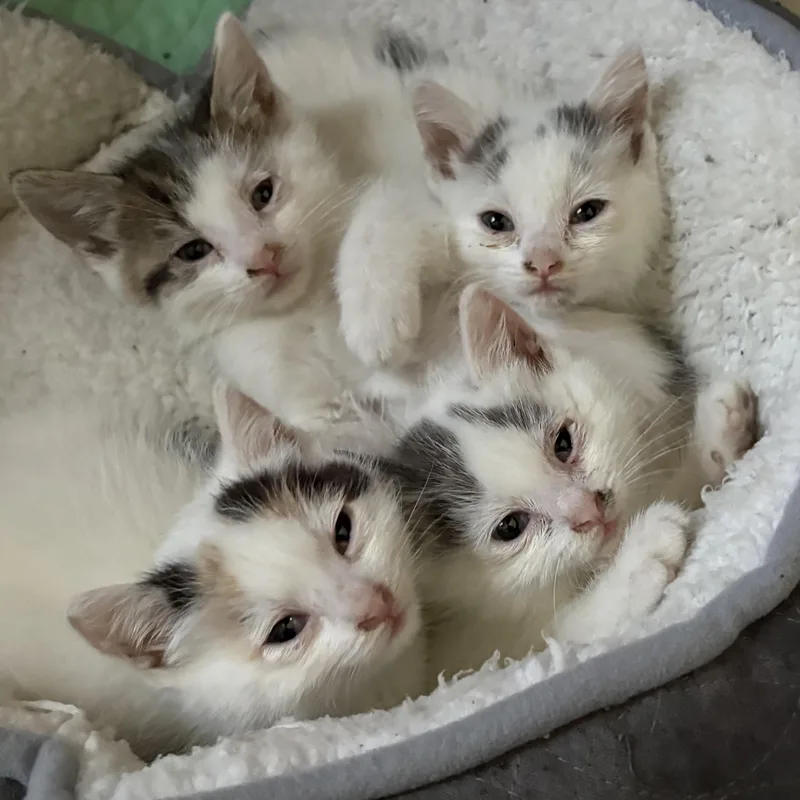
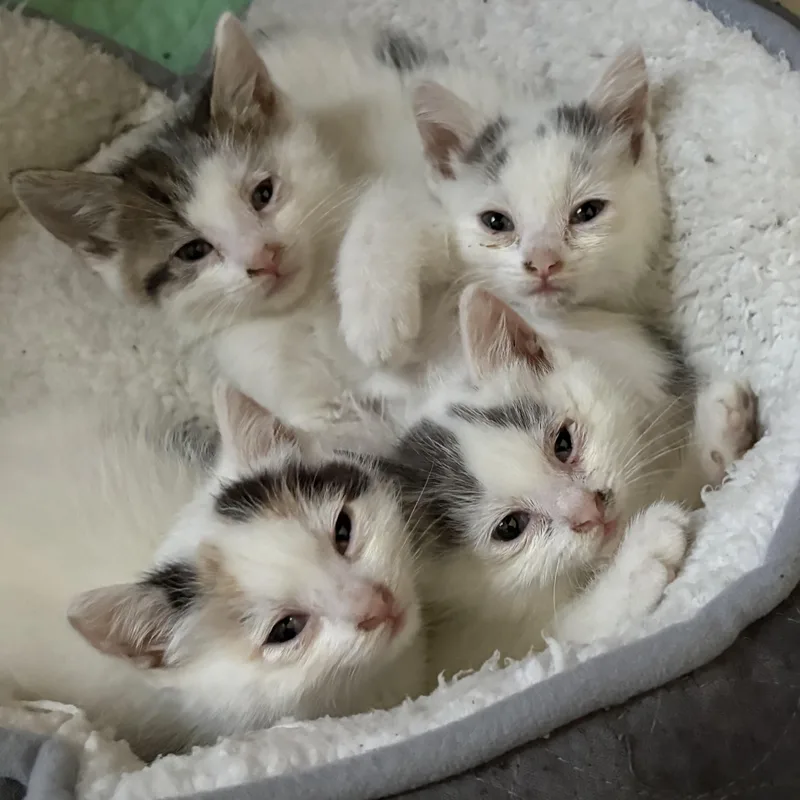
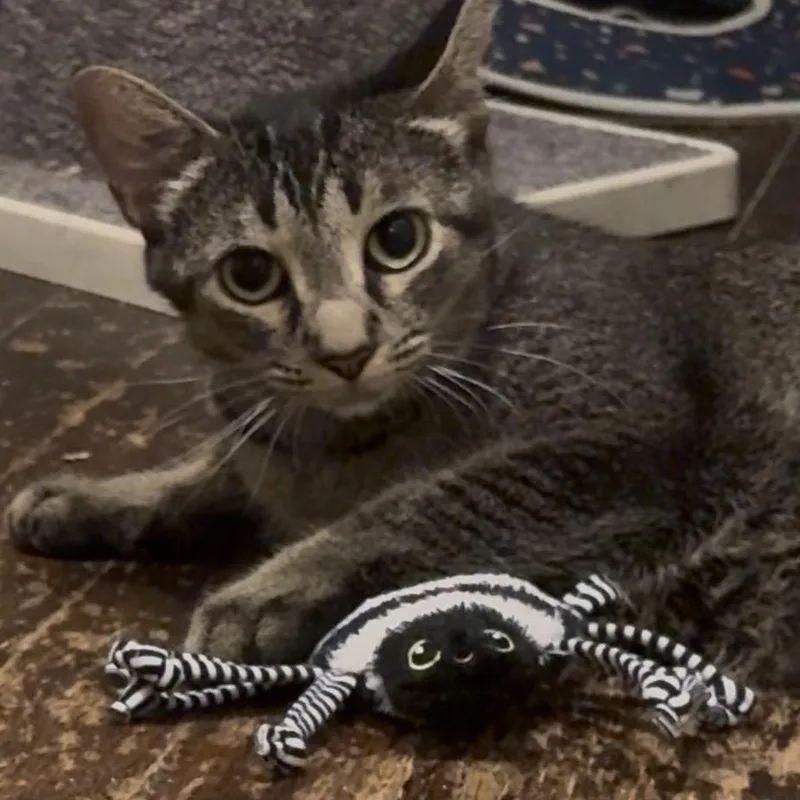
Tuxedo describes a coat pattern, not a breed. It's a bicolor coat, usually black and white, with a white chest that looks like a shirtfront and often white paws, chin or a facial blaze. Grey-and-white tuxedos exist too. The pattern comes from white spotting variation in the KIT gene, and because it isn't sex-linked, males and females are about equally common.
Most tuxedos are domestic shorthairs, so size, coat length and energy vary from cat to cat. Color doesn't set personality, which means stories about tuxedos being especially bold or clever are just stories. For a Columbus household, the details that matter are a cat's age, activity level and how comfortably the cat handles a smaller space, a quiet routine and long indoor winters.