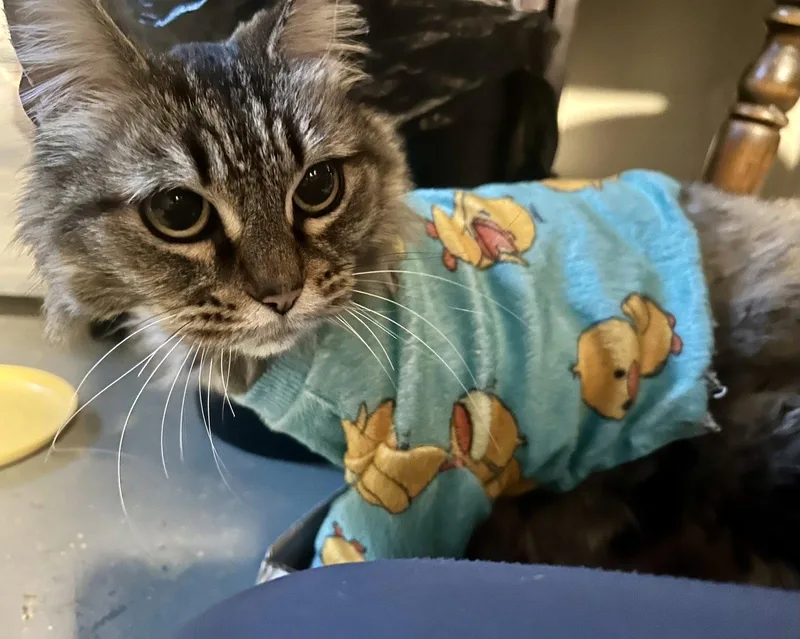
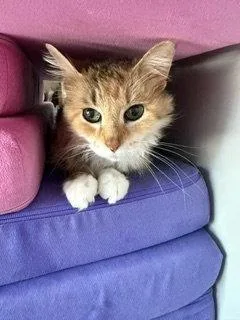
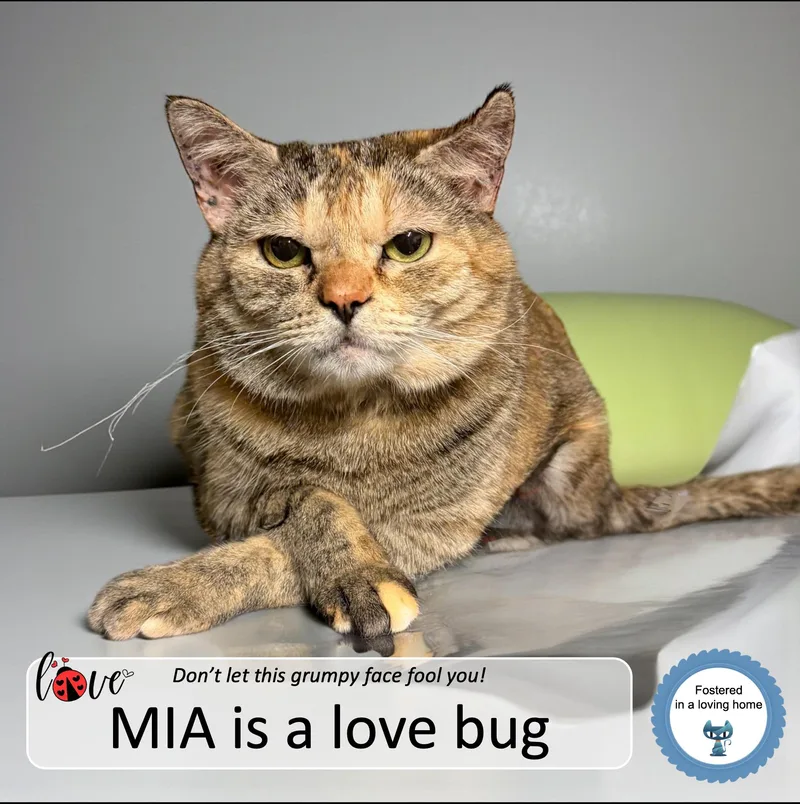
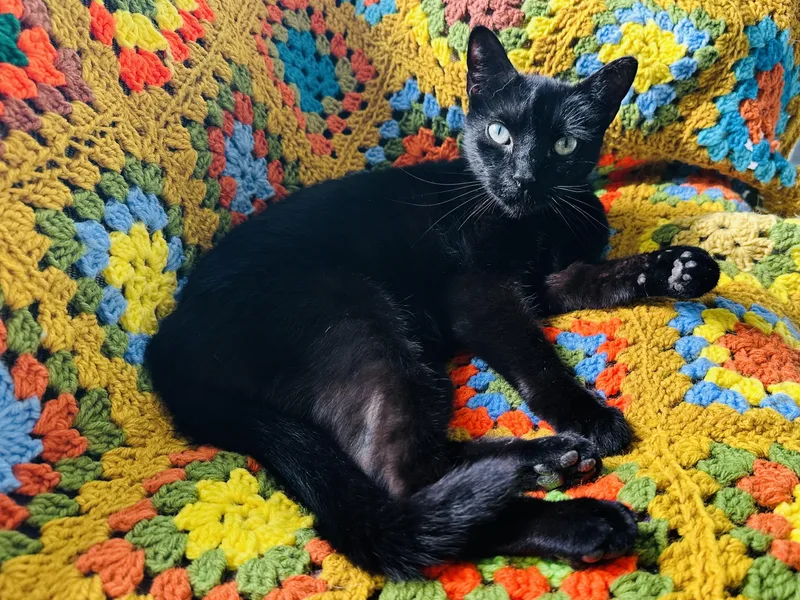
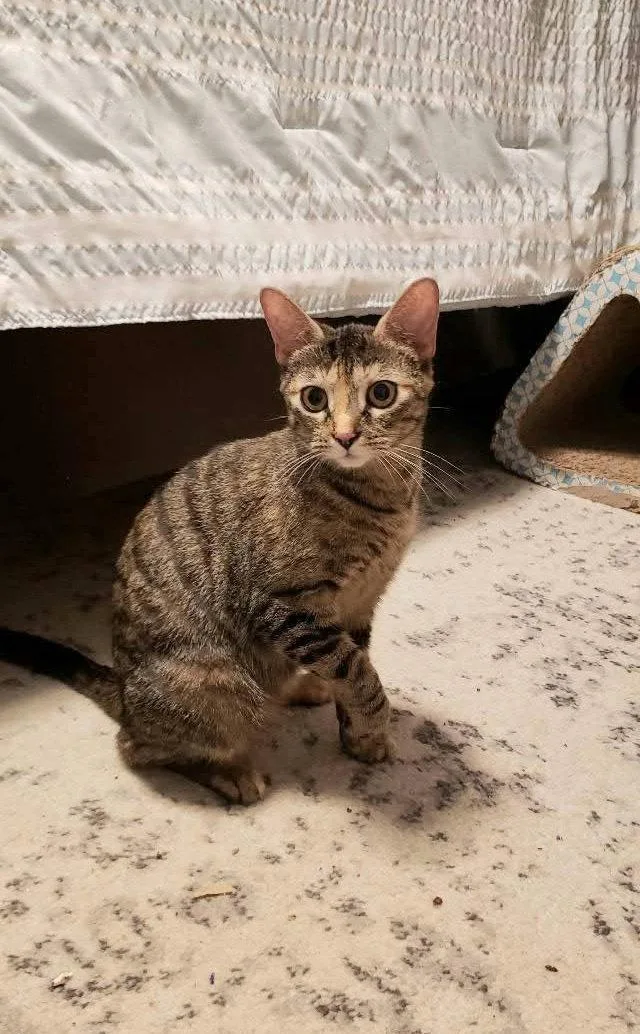
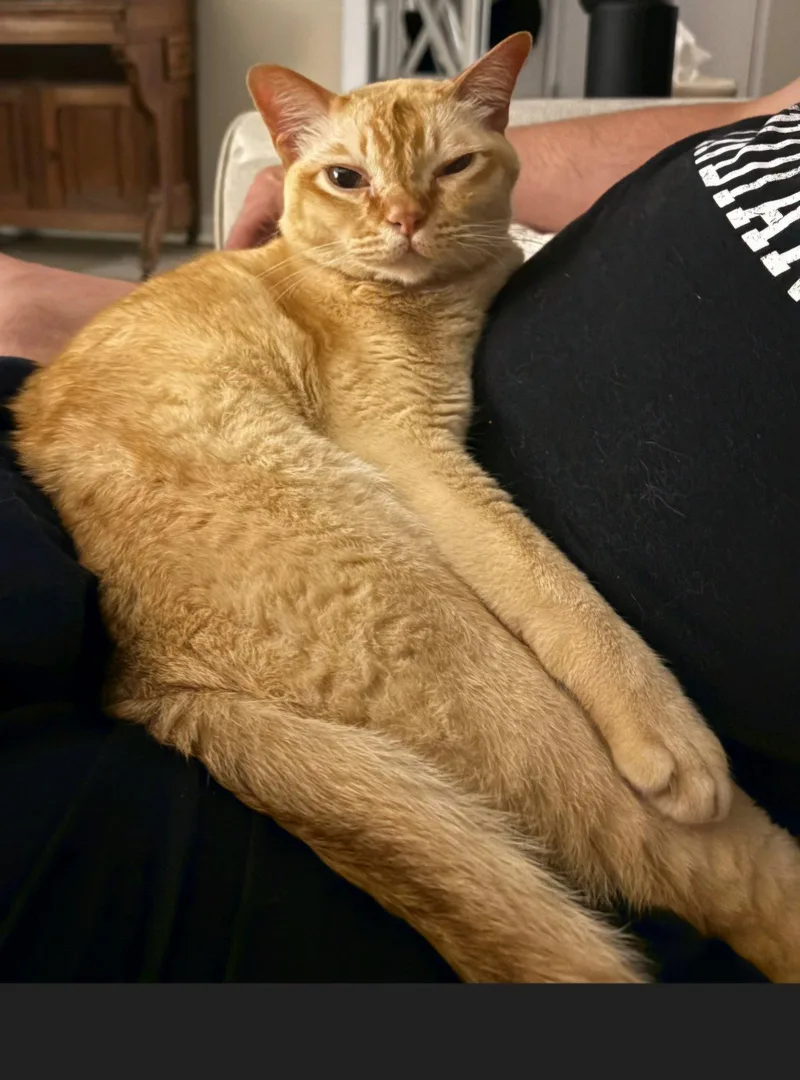
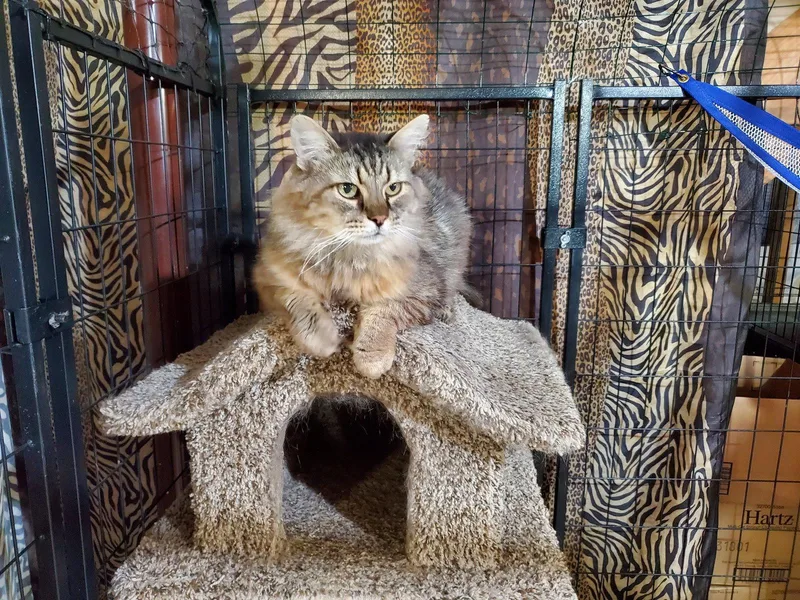
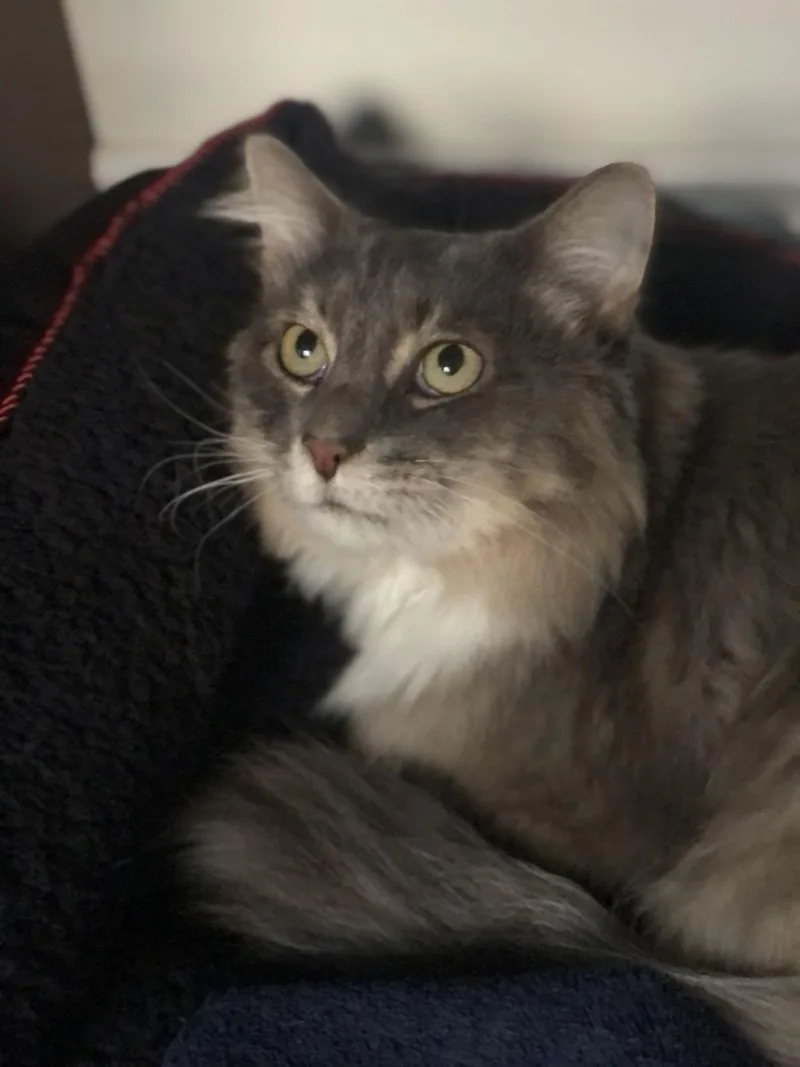
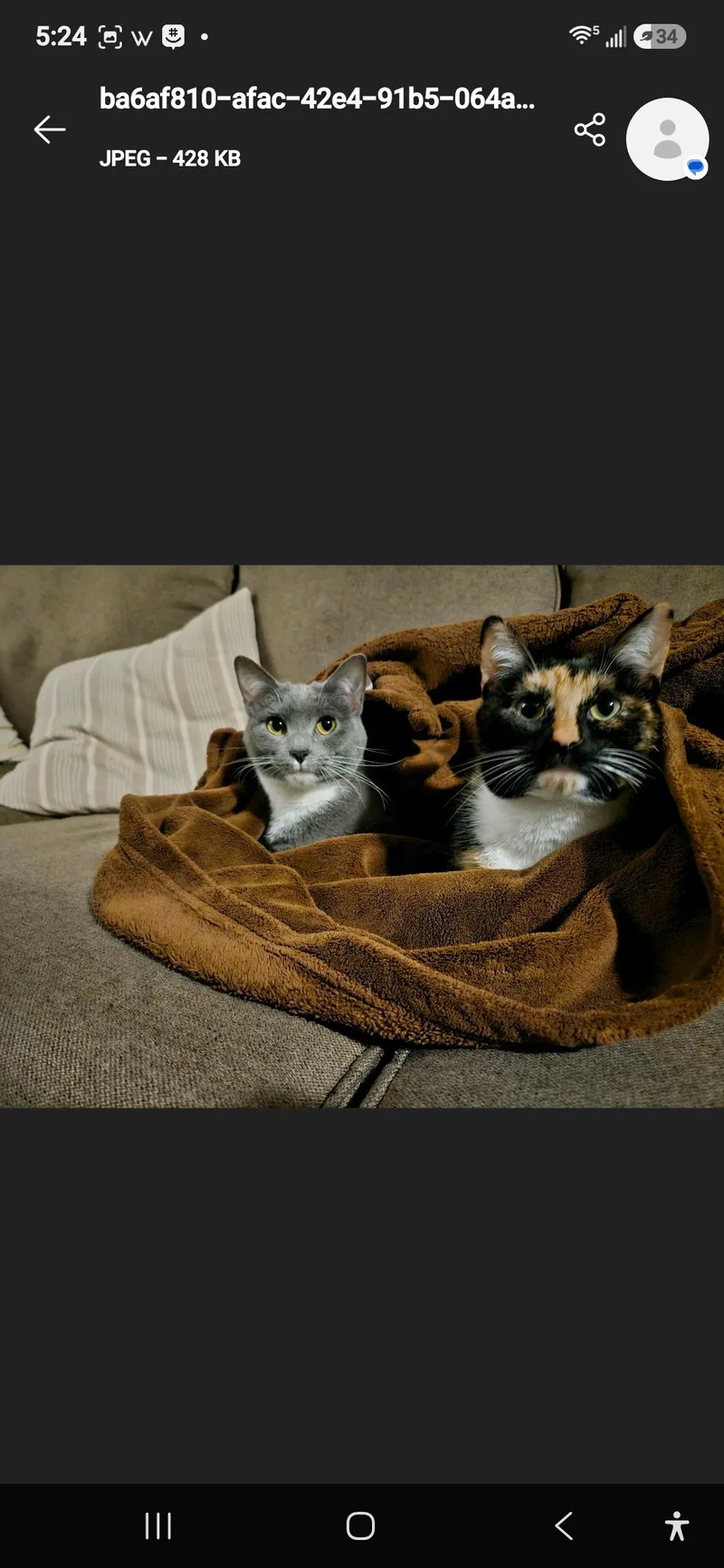
Tuxedo Cats for Adoption in Cincinnati, OH

Your guide to finding and caring for a Tuxedo in Cincinnati

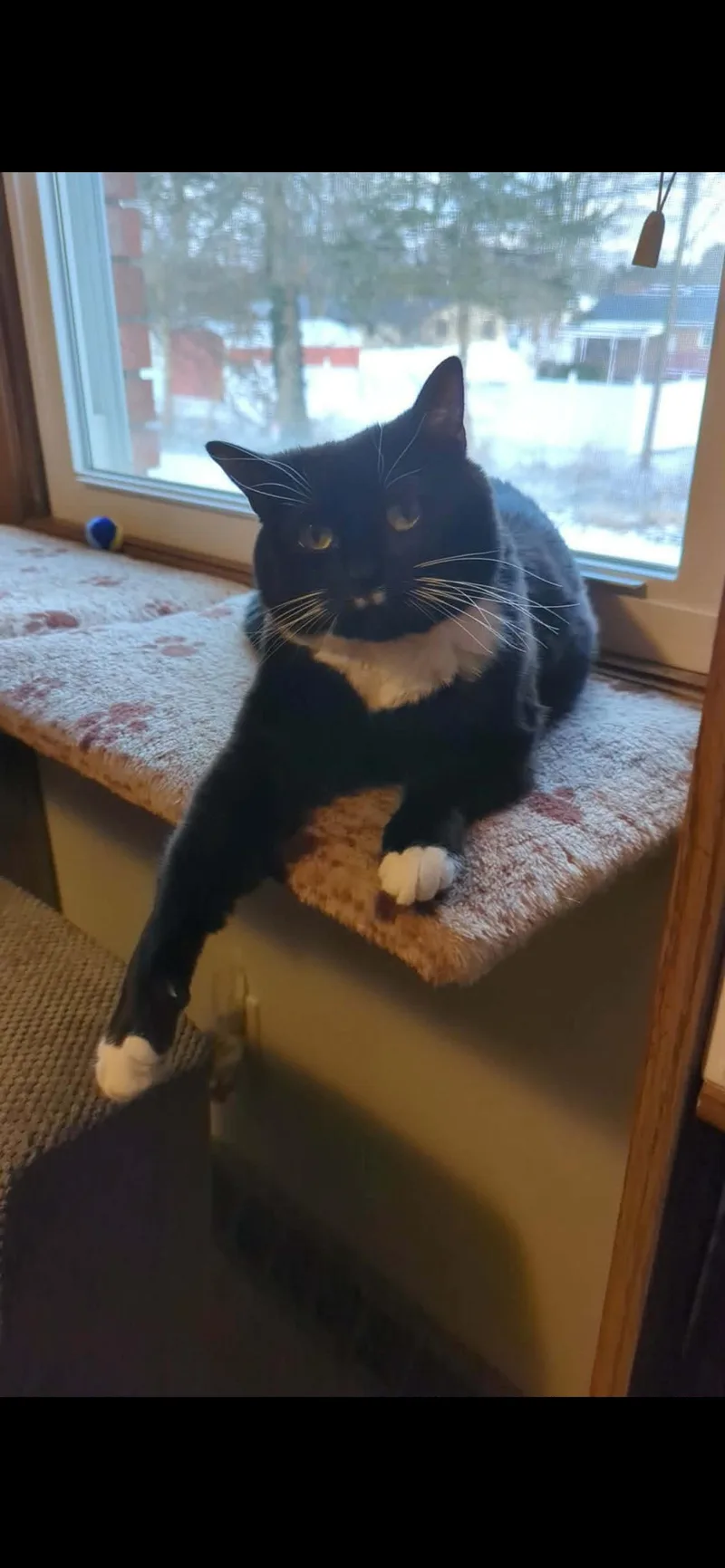
Tuxedo cats suit Cincinnati's older brick buildings, where a tall window and a good perch go a long way. The pattern is just a coat, so you'll meet quiet Tuxedos and chatty ones. In a Clifton or Pendleton apartment, a cat tree by the glass gives a Tuxedo plenty to watch. Hilltop houses in Mt. Lookout or Westwood add stairs and sunny rooms to explore. With January this cold, most Tuxedos here do best as indoor cats.

1854 Tuxedos available in Cincinnati and nationwide

Say hello to your Tuxedo cat

Tuxedos Available for Adoption Near Cincinnati

About the Tuxedo breed

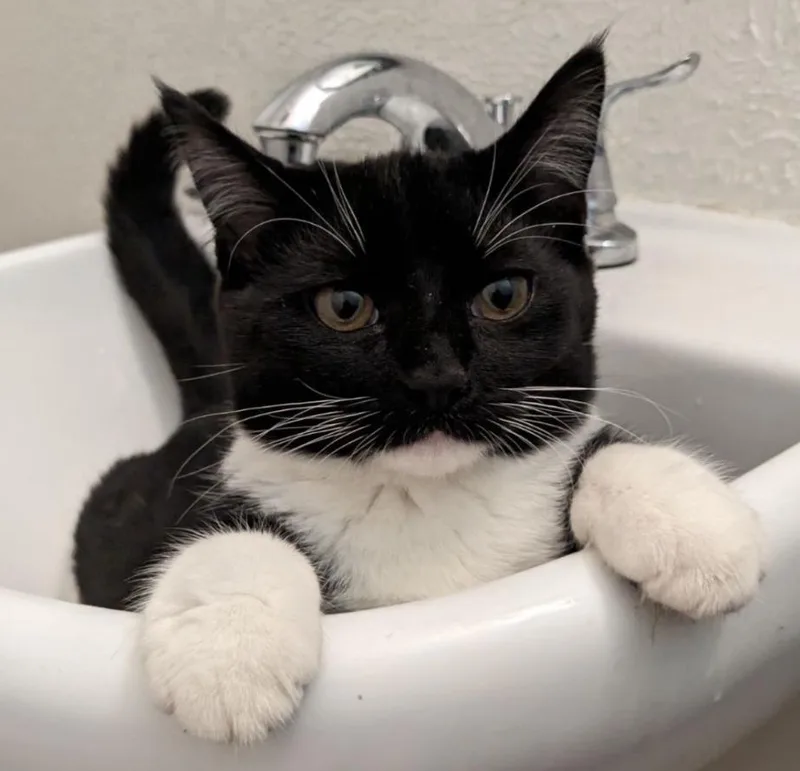
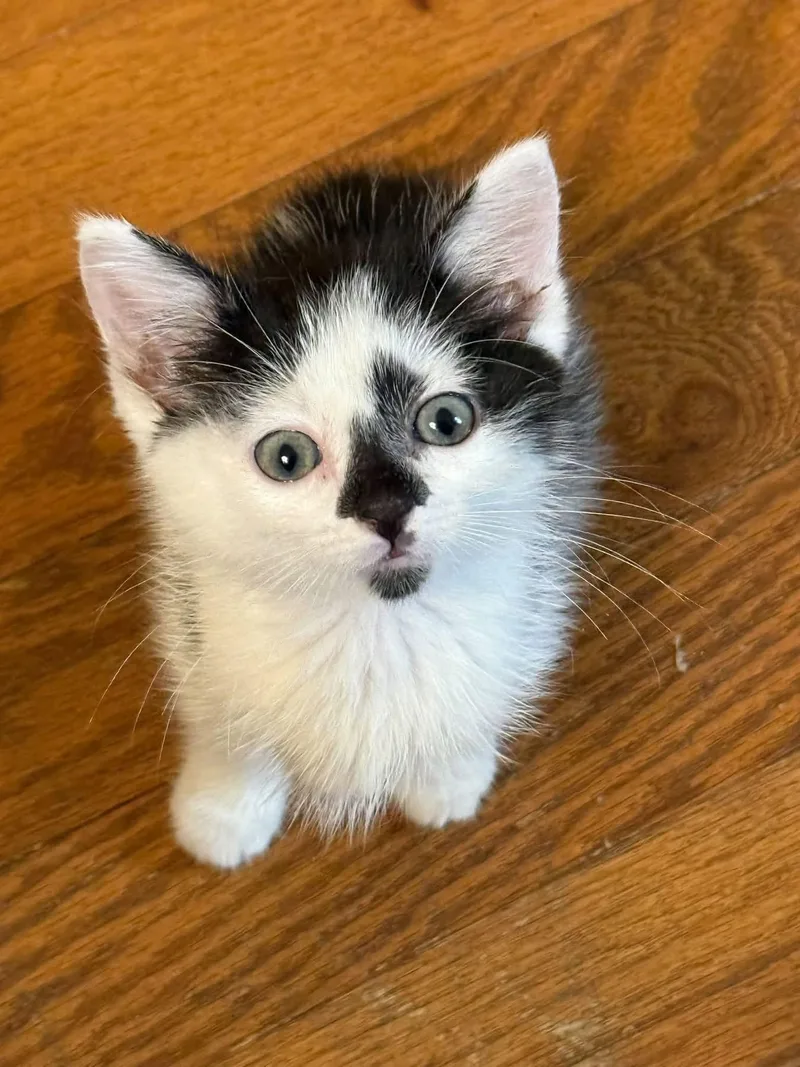
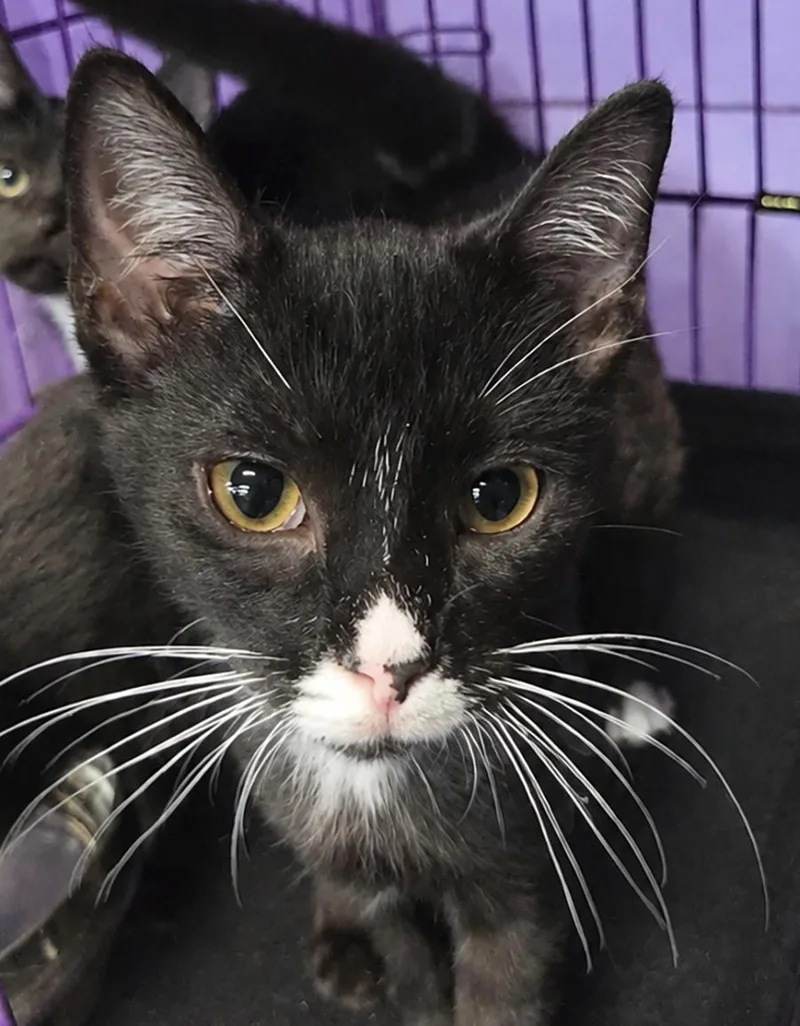
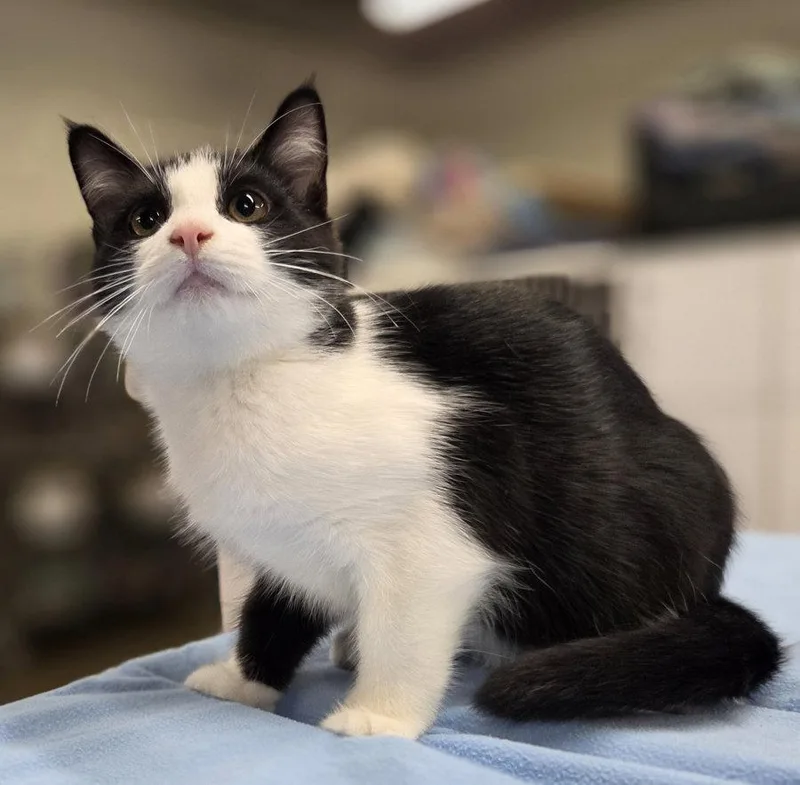
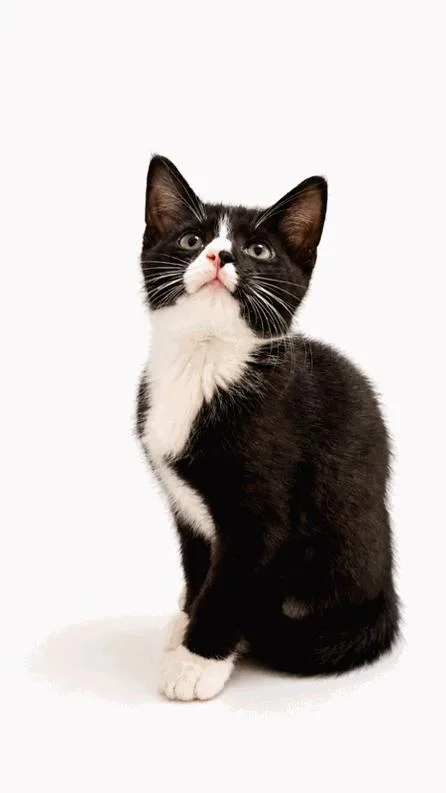
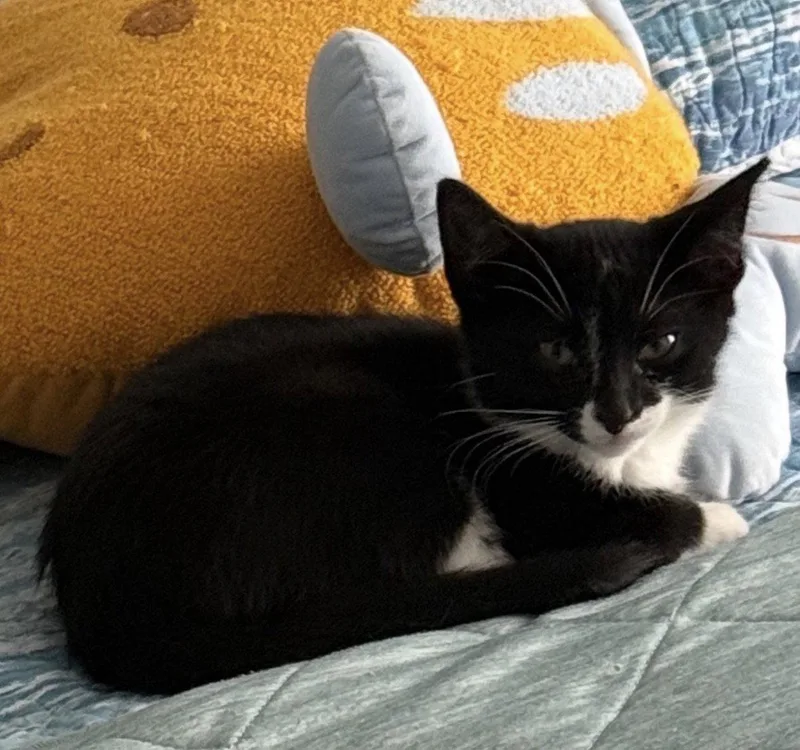
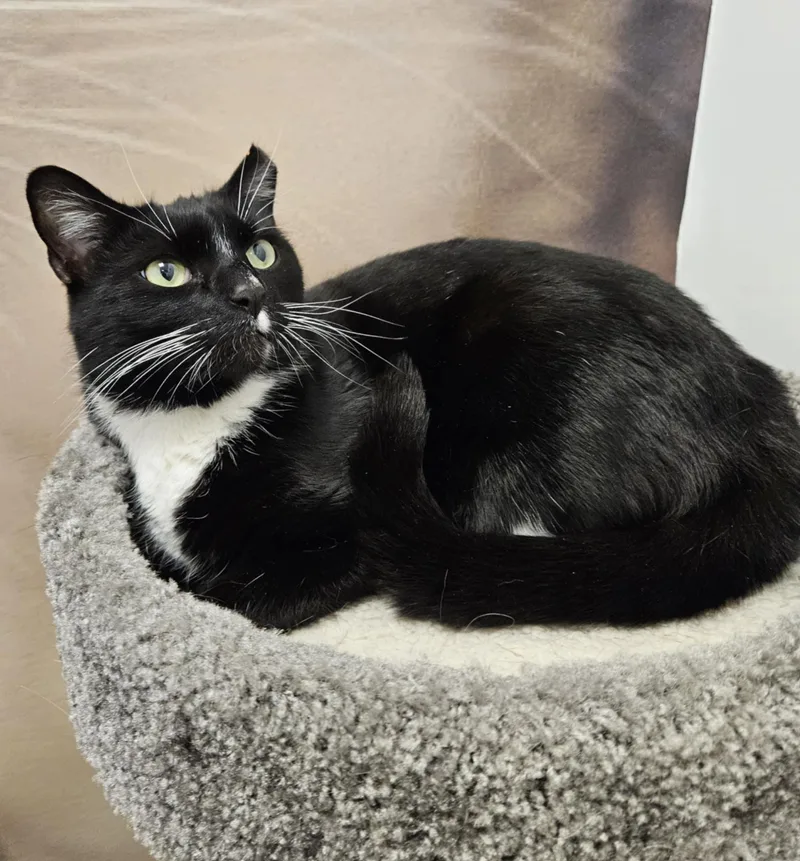
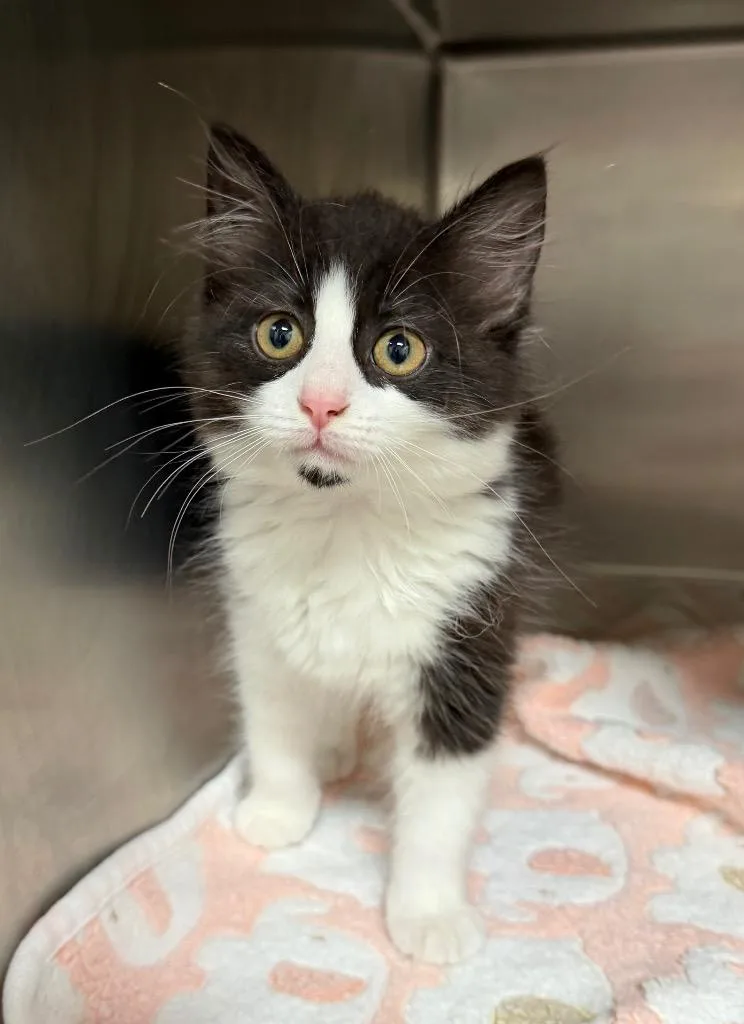
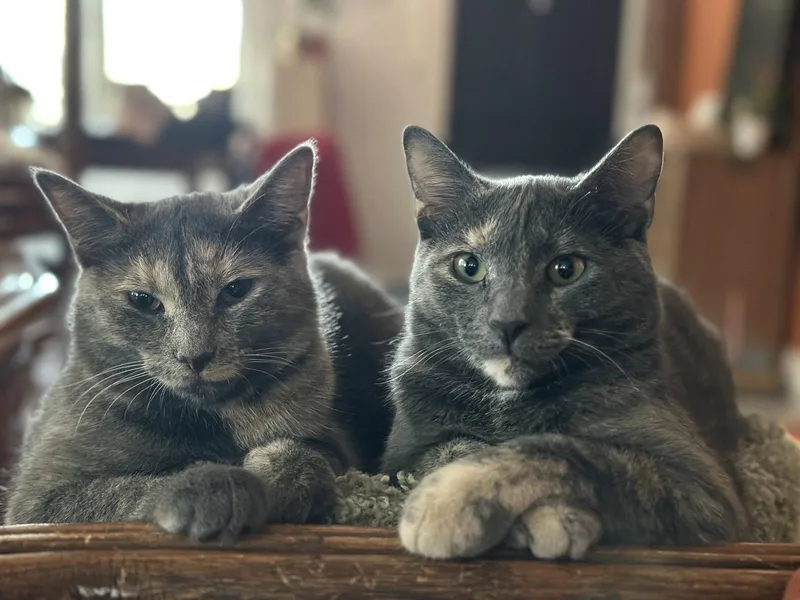
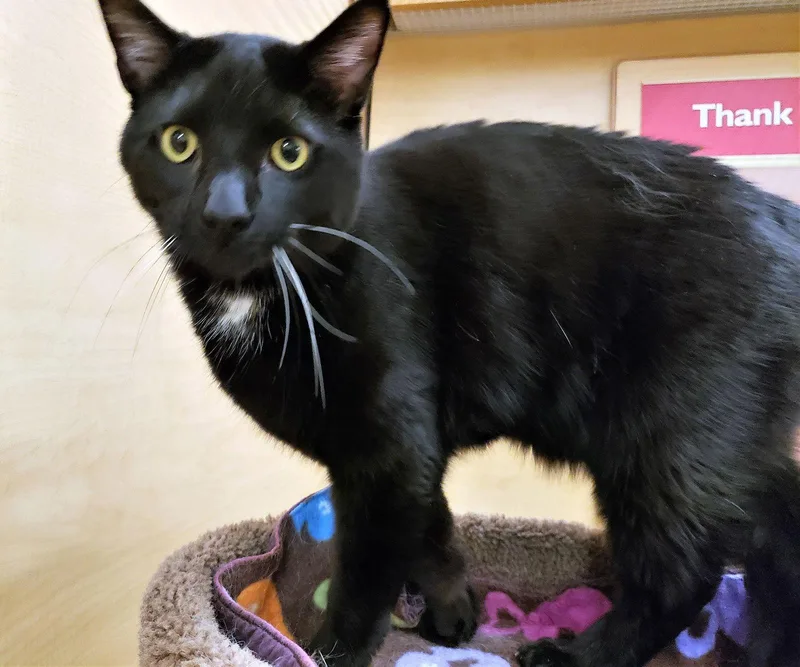
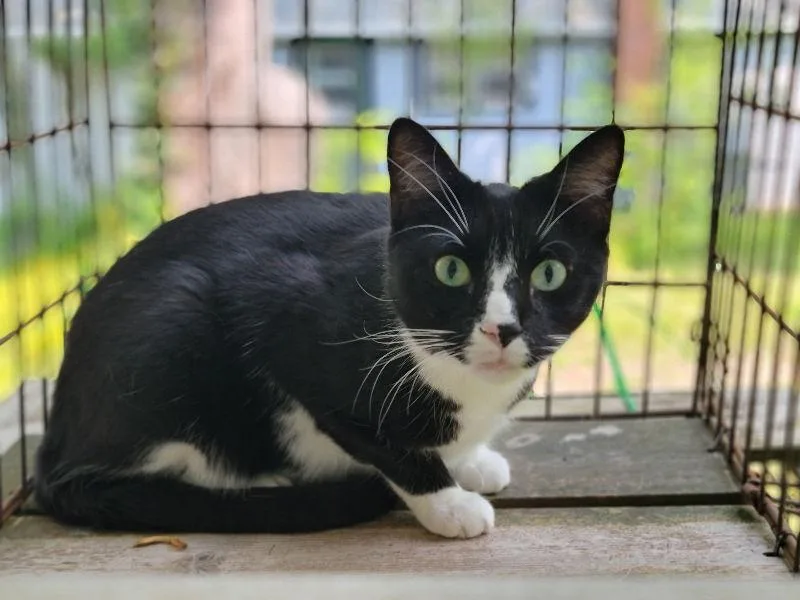
Tuxedo describes a coat pattern, not a breed: a bicolor cat, usually black and white, with a white chest like a shirtfront and often white paws or chin. Grey-and-white Tuxedos exist too. The pattern comes from white spotting in the KIT gene, and because it isn't sex-linked, males and females are about equally common.

Most Tuxedos are domestic shorthairs, though the pattern also shows up in breeds like the Maine Coon and British Shorthair. Color doesn't set personality, so stories about Tuxedos being extra smart or bold are just stories. What matters is each cat's age, energy and coat length. Most weigh 6 to 14 pounds and live 12 to 18 years, so adopting one is a long commitment.

Weight
6–14 lbs
Height
8–10 in
Lifespan
12–18 yrs
Temperament
Adaptable, Playful, Affectionate
Shedding
Moderate

Owning a Tuxedo in Cincinnati

Having a Tuxedo in Cincinnati

A Tuxedo's markings say little about the cat, so age, coat length, energy and past experience shape daily life more than the pattern does. In Cincinnati, that mostly means planning for indoor enrichment, cold winters and apartment-sized spaces.

Temperament

Tuxedos run from outgoing and talkative to quiet and reserved. In a Cincinnati apartment, a sociable cat may enjoy window watching and a steady routine, while a shy one needs a hiding spot and time. Many adjust well to children and other pets with slow introductions, though each cat's experiences shape its behavior.

Exercise Needs

Plan on daily play with wand toys, chasing games and puzzle feeders. Kittens and young adult Tuxedos may want several sessions a day, while seniors prefer short, gentle games. Cincinnati's long, cold winters keep cats inside, so climbing shelves and a cat tree near a window help burn energy and prevent weight gain.

Health Considerations

The Tuxedo pattern carries no known health risk, but these cats share common feline concerns: dental disease, obesity, urinary problems and, later in life, kidney disease, diabetes or hyperthyroidism. A Tuxedo with a pedigreed breed in its background may inherit that breed's conditions. A veterinary exam soon after adoption gives you a useful baseline.

Living Space

Tuxedos usually do well in apartments or houses with vertical space, scratching surfaces, hiding places and clean litter boxes. In Cincinnati's brick walk-ups and hillside homes, snug window screens matter, especially on upper floors. Indoor living or a secure enclosure also protects cats from traffic, cold snaps and coyotes, which live throughout Hamilton County.

What it costs to own a Tuxedo in Cincinnati

ExpenseTypical costPer year
Adoption fee$50 to $80, one time$50 to $80 in year one
Food$25 to $50 per month$300 to $600
Pet insurance$20 to $45 per month$240 to $540
Routine vet care$150 to $350 per year$150 to $350
Other*$450 to $1,150 per year$450 to $1,150
Estimated yearly total (after year one)$1,140 to $2,640
First-year total (with adoption fee)$1,190 to $2,720

Adoption fee is the range of fees on Tuxedo listings in Cincinnati on GetBuddy today. Other costs are estimates and vary with size, age and health.

* Litter, flea and parasite prevention, a dental cleaning allowance, toys and supplies, and light home grooming.

Adopt a Tuxedo in Cincinnati.

Now that you know more, let’s find you a new best friend. These rescues and shelters below currently have Tuxedos available.

Frequently Asked Questions

Yes, as long as the Tuxedo is in a carrier. Metro buses allow pets in a pet carrier, and the Connector streetcar allows pets only in a secured carrier. No carrier size limit or pet fare is published, so a sturdy, ventilated carrier that fits at your feet is the practical choice. Service animals are treated separately.

Yes, Tuxedos handle Cincinnati winters well as indoor cats. The city sees about 100 freezing nights a year and roughly 23 inches of snow, with occasional deep-cold stretches, so a warm bed away from drafts matters. Keep your Tuxedo inside, since Ohio's cruelty law requires adequate shelter from weather, and keep antifreeze and road salt out of reach.

Yes. Cincinnati has had no breed-specific rules since 2012, and Tuxedo is a coat pattern rather than a breed anyway. Hamilton County doesn't license cats. Plan on rabies vaccination and a vet exam soon after adoption. Rules can differ in neighboring cities, so confirm local pet rules before moving to one.

Yes, most Tuxedos do well in apartments if they have a window perch, scratching posts, hiding spots and a clean litter box. Older brick buildings often have tall windows that suit a curious cat. Keep screens snug on upper floors, and get any pet deposit or pet rent terms in writing before you sign a lease.

Most Tuxedos are shorthairs who need a weekly brushing, and a longhaired Tuxedo needs it several times a week. Shedding is moderate and can rise in fall and spring as coats change. Home grooming is cheap, with brushes and nail trims fitting within the Other costs listed above, so professional grooming is rarely necessary.

We have 3 rescues with Tuxedos available: Purrfect Friends, Peppermint Pig Animal Rescue and Peppermint Pig Thrift & Gift and AAPCATS. You can see every rescue with Tuxedos available in the list above these questions, or scroll to the top to see the Tuxedos near Cincinnati.

A Tuxedo in Cincinnati typically costs about $25 to $50 a month for food, $20 to $45 a month for optional insurance, $150 to $350 a year for routine vet care and $450 to $1,150 a year for other items like litter and dental care. That's roughly $1,140 to $2,640 a year with insurance.