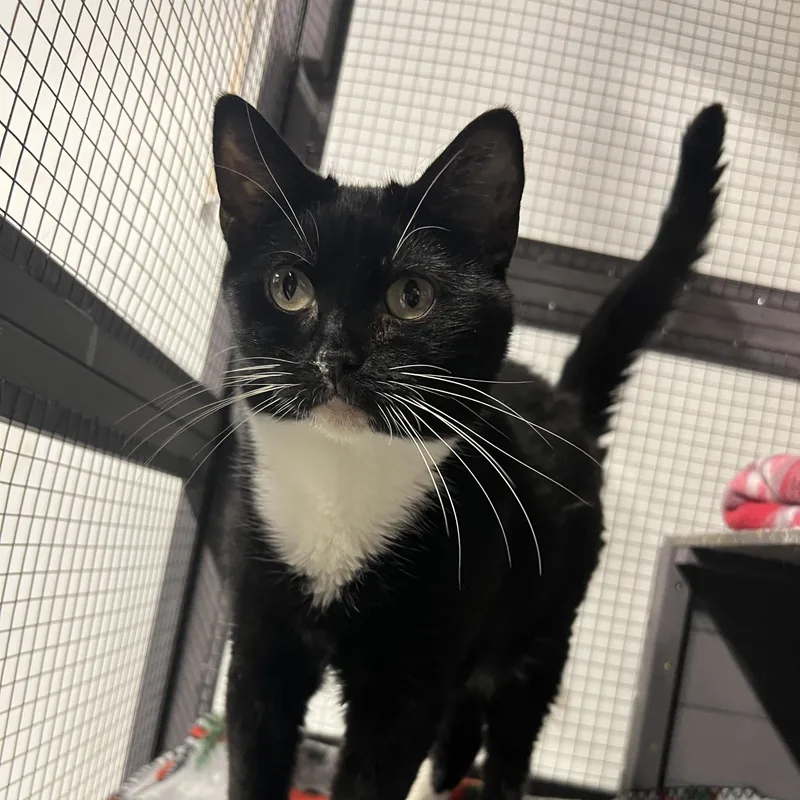
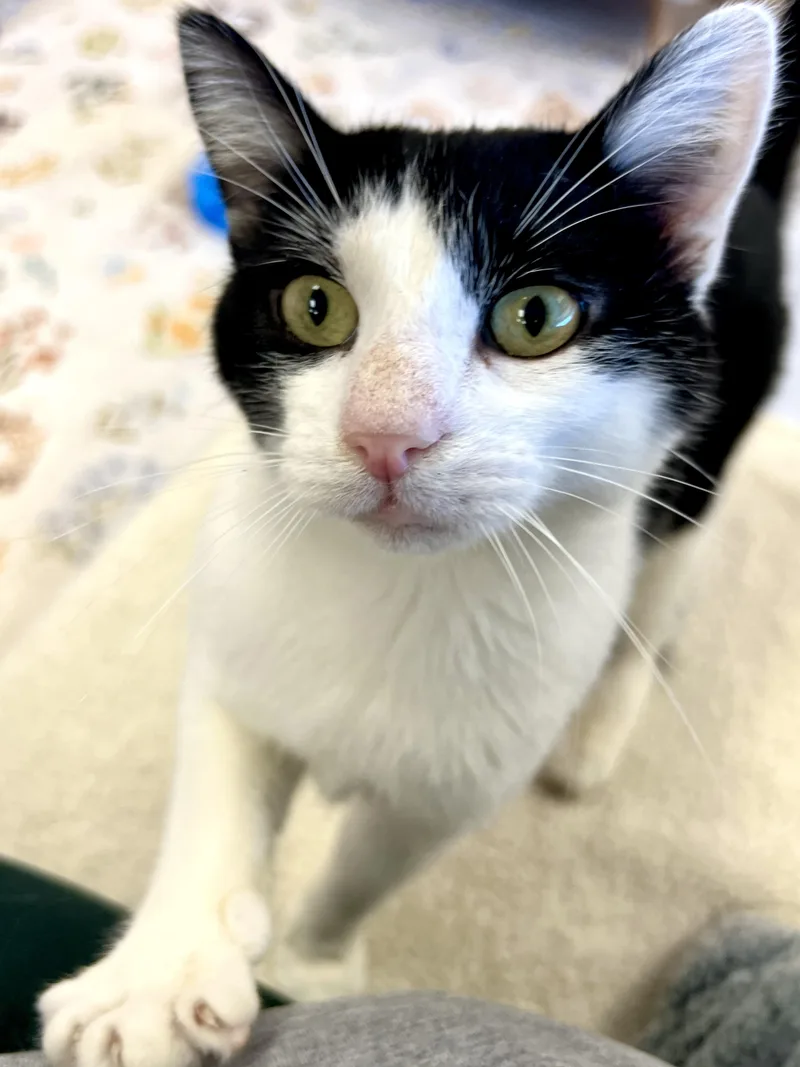
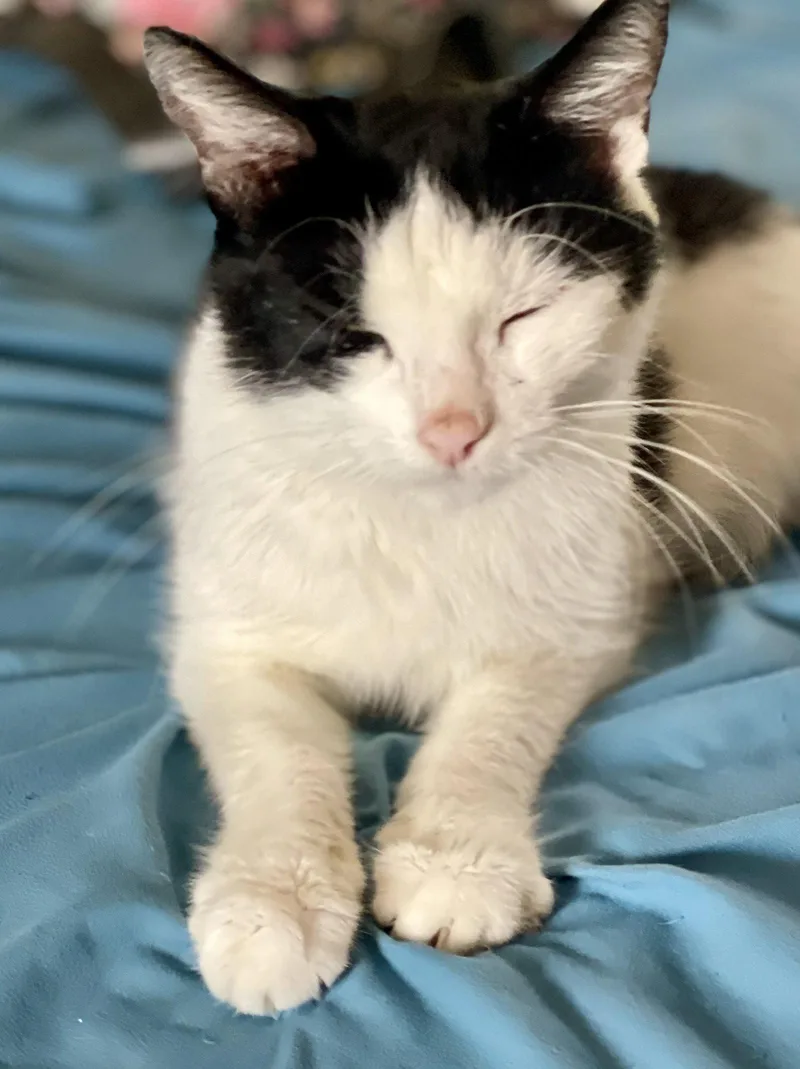
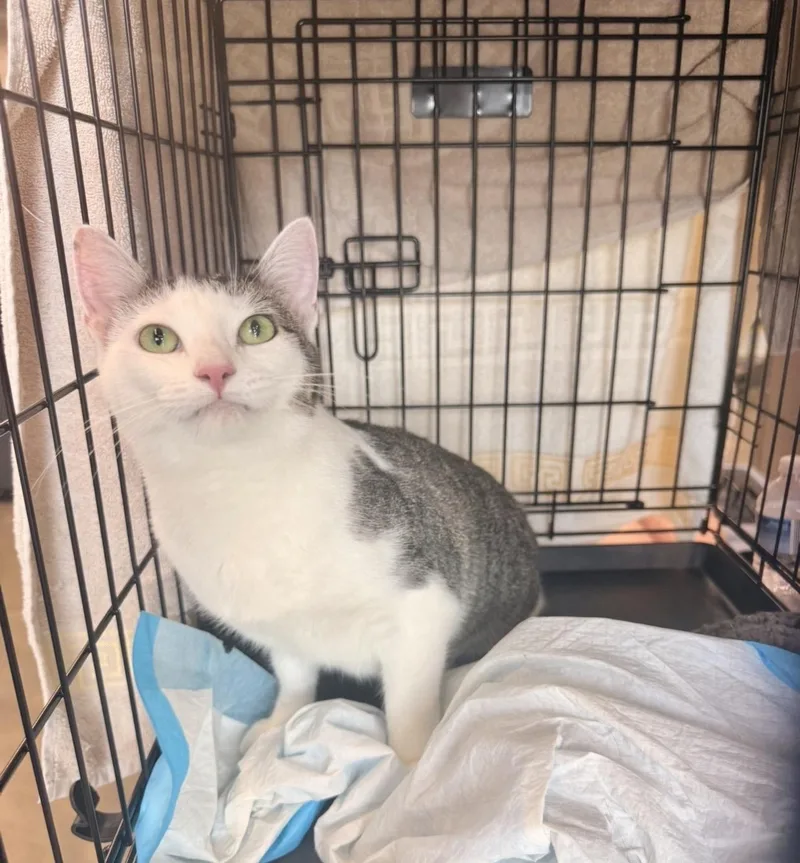
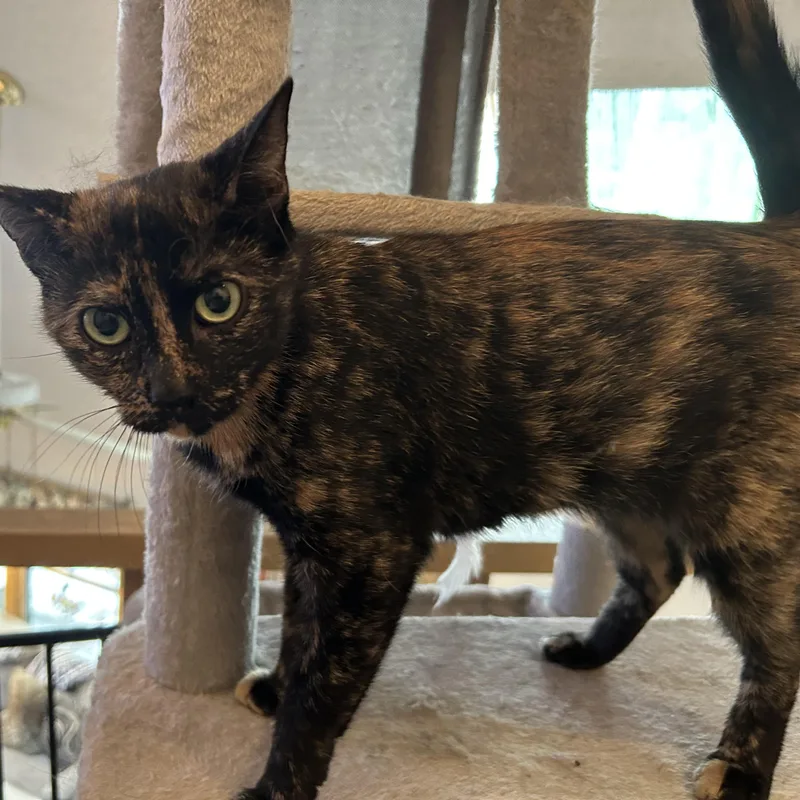
Tuxedo Cats for Adoption in Staten Island, NY

Your guide to finding and caring for a Tuxedo in Staten Island

A Tuxedo cat is as comfortable in a Great Kills two-family house as in a Tompkinsville apartment. Staten Island is mostly low-rise, so there's usually a window facing a yard, a tree-lined street or the harbor, and a cat who spends the afternoon watching it is a content one. Tuxedos run from chatty to shy, since the coat says nothing about personality. Plan on a few play sessions a day and a cat tree by the best window.

1956 Tuxedos available in Staten Island and nationwide

Say hello to your Tuxedo cat

Tuxedos Available for Adoption Near Staten Island

About the Tuxedo breed

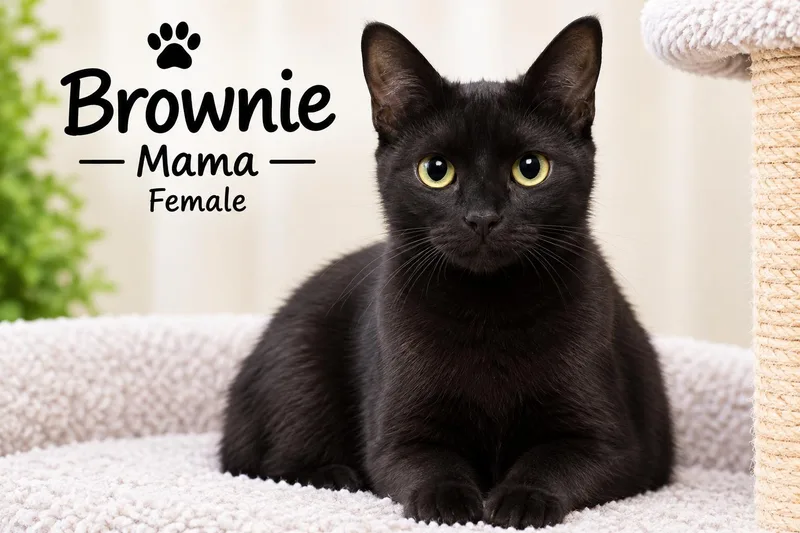
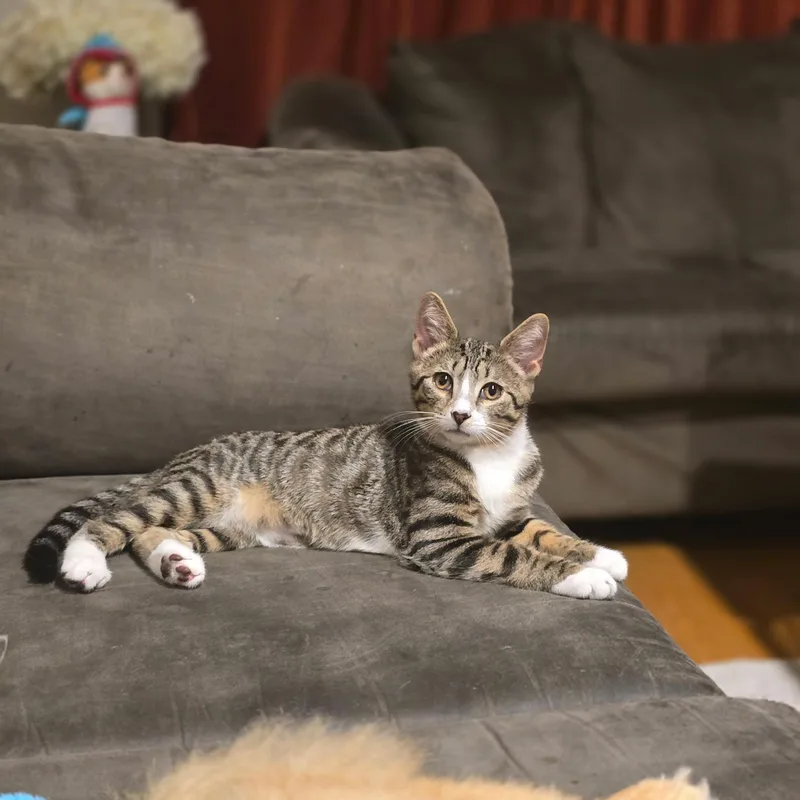
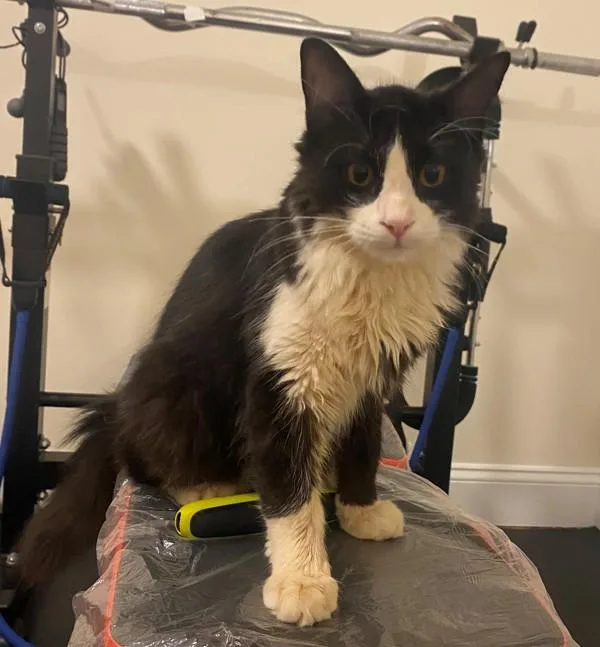
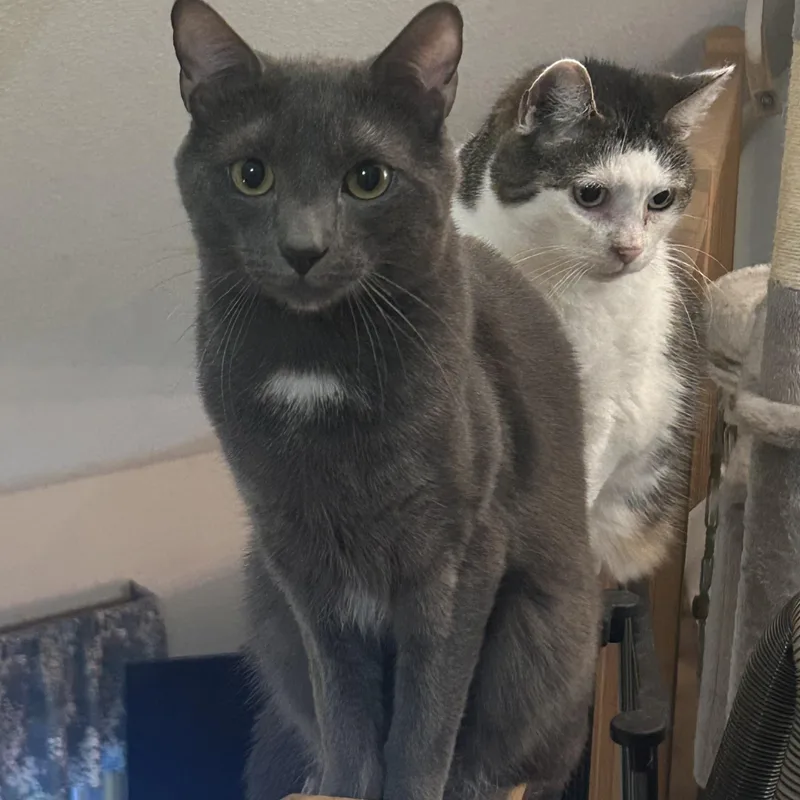
Tuxedo isn't a breed but a coat pattern: a bicolor cat, usually black and white, with a white chest that looks like a shirtfront and often white paws, chin or a blaze on the face. Grey-and-white tuxedos exist too. The pattern comes from white spotting in the KIT gene, and males and females are about equally common. Most are domestic shorthairs, so size and coat vary, but a typical adult weighs 6 to 14 pounds and can live 12 to 18 years.

Because color doesn't set personality, stories about tuxedos being smarter or bolder are just stories. Cats range from outgoing to reserved, and moderate shedding is typical, so a weekly brush keeps fur off the couch. A cat that may live well into its teens is a long commitment, so think about your housing plans for the next 15 years before you adopt.

Weight
6–14 lbs
Height
8–10 in
Lifespan
12–18 yrs
Temperament
Adaptable, Playful, Affectionate
Shedding
Moderate

Owning a Tuxedo in Staten Island

Having a Tuxedo in Staten Island

The pattern tells you little; the cat tells you everything. Age, coat length, energy and past experiences shape daily care more than markings do, and Staten Island's low-rise homes give most Tuxedos plenty of window space and room to explore.

Temperament

Tuxedos range from chatty lap cats to reserved ones who prefer a quiet corner, and the coat doesn't predict which. Many adapt well to children and other pets with slow introductions. In a busy household, give a new cat a quiet room first, then widen its territory over several days.

Exercise Needs

Daily interactive play with wand toys, chasing games and puzzle feeders keeps indoor cats fit and busy. Young cats may want several sessions a day, while seniors prefer short, gentle ones. A window perch overlooking a Staten Island yard or street adds entertainment, and a secure outdoor enclosure is safer than roaming near traffic.

Health Considerations

The tuxedo pattern carries no known health risk, but Tuxedos share common feline concerns: dental disease, obesity, urinary problems and, with age, kidney disease, diabetes or hyperthyroidism. Ticks are established on Staten Island, so a cat that goes outdoors needs year-round prevention. A veterinarian can recommend what suits your cat.

Living Space

Tuxedos do well in apartments and houses alike when they have vertical space, scratching posts, hiding spots and clean litter boxes. Many Staten Island homes are low-rise, so a window with a view is easy to find. Secure screens on every window prevent falls, especially in upper-floor units.

What it costs to own a Tuxedo in Staten Island

ExpenseTypical costPer year
Adoption fee$175, one time$175 in year one
Food$25 to $50 per month$300 to $600
Pet insurance$20 to $45 per month$240 to $540
Routine vet care$150 to $350 per year$150 to $350
Other*$450 to $1,150 per year$450 to $1,150
Estimated yearly total (after year one)$1,140 to $2,640
First-year total (with adoption fee)$1,315 to $2,815

Adoption fee is the fee on Tuxedo listings in Staten Island on GetBuddy today. Other costs are estimates and vary with size, age and health.

* Litter, flea and tick prevention, a dental cleaning allowance, toys and supplies, and light home grooming; New York City doesn't license cats.

Adopt a Tuxedo in Staten Island.

Now that you know more, let’s find you a new best friend. These rescues and shelters below currently have Tuxedos available.

Frequently Asked Questions

Yes, a Tuxedo can live happily in a Staten Island apartment as long as it has a window perch, a scratching post and daily play. Apartments are most common on the North Shore near the ferry, in areas like St. George and Tompkinsville. Read the lease for pet terms before adopting, and secure window screens in upper-floor units.

Often, yes. Staten Island's low-rise homes give most cats window views and room to roam indoors, and a Tuxedo's temperament depends on the cat, not the coat. Chatty, playful cats suit busy households, while reserved ones suit quieter homes. The main extras are tick prevention for any cat that goes outside and a carrier ready for storms.

Yes, if the Tuxedo is in a carrier. The Staten Island Railway and MTA buses require pets to be enclosed in a container, and the Staten Island Ferry allows pets only when caged. NYC Ferry's St. George route asks that cats ride in a fully enclosed carrier. Staten Island has no subway.

Yes. An indoor Tuxedo handles Staten Island winters easily, even with freezing nights and snow, mostly in February. Provide warm bedding away from drafts and keep cats inside during cold snaps. If a cat goes outside, wipe its paws afterward, since de-icing salt can make pets sick. Stock extra food and litter before big storms.

Most Tuxedos need little: a weekly brush for short coats and a few times a week for longer ones. Shedding rises in spring and fall as the seasons change, and a quick coat check for ticks is wise after any outdoor time. Home grooming fits the small grooming allowance in the Other line of the cost table.

We have 2 rescues with Tuxedos available: For Blake's Sake Rescue, Inc. and Strays Hope for Life. You can see every rescue with Tuxedos available in the list above these questions, or scroll to the top to see the Tuxedos near Staten Island.

Plan on roughly $25 to $50 a month for food, $20 to $45 a month for pet insurance, $150 to $350 a year for routine vet care, and $450 to $1,150 a year for everything else. That puts a typical year at about $1,140 to $2,640, before any emergency or illness.