Torbie Cats for Adoption in Rochester, NY

Your guide to finding and caring for a Torbie in Rochester

A torbie fits easily into a Rochester double or a Corn Hill apartment. The tortoiseshell-and-tabby coat shows up on cats of every temperament, so the cat matters more than the pattern. Many Upper Monroe two-families and converted Victorians have plenty of windows, and a perch with a view of the street keeps most torbies busy for hours. Add a cat tree and a wand toy, and a torbie settles in well, even when lake-effect snow keeps everyone indoors for days.

322 Torbies available in Rochester and nationwide

Fall for a Torbie

While we don't have enough cats near Rochester, keep in mind that many rescues may offer transport.

Torbies Available for Adoption Near Rochester

About the Torbie breed

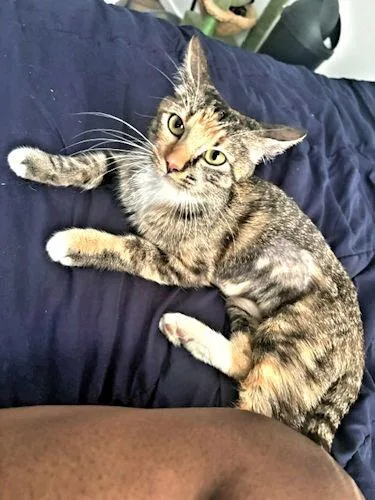
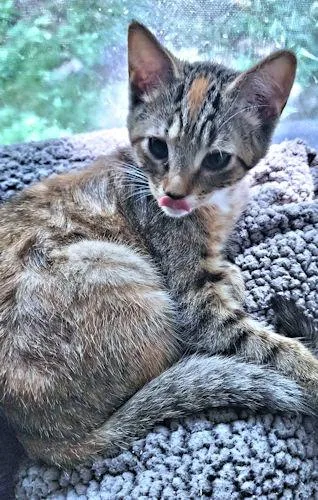
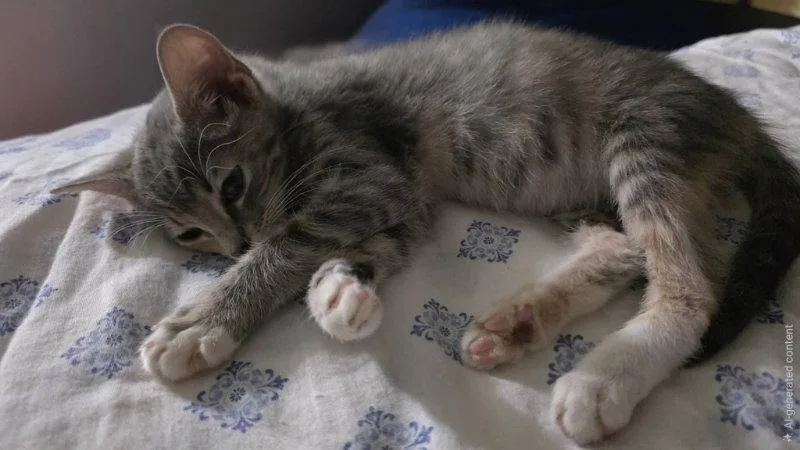
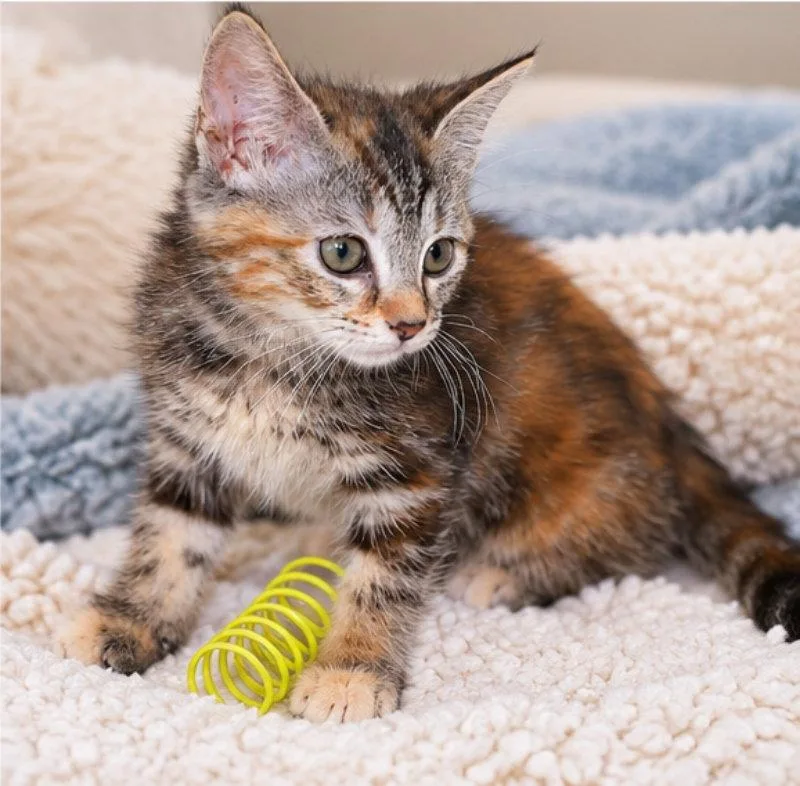
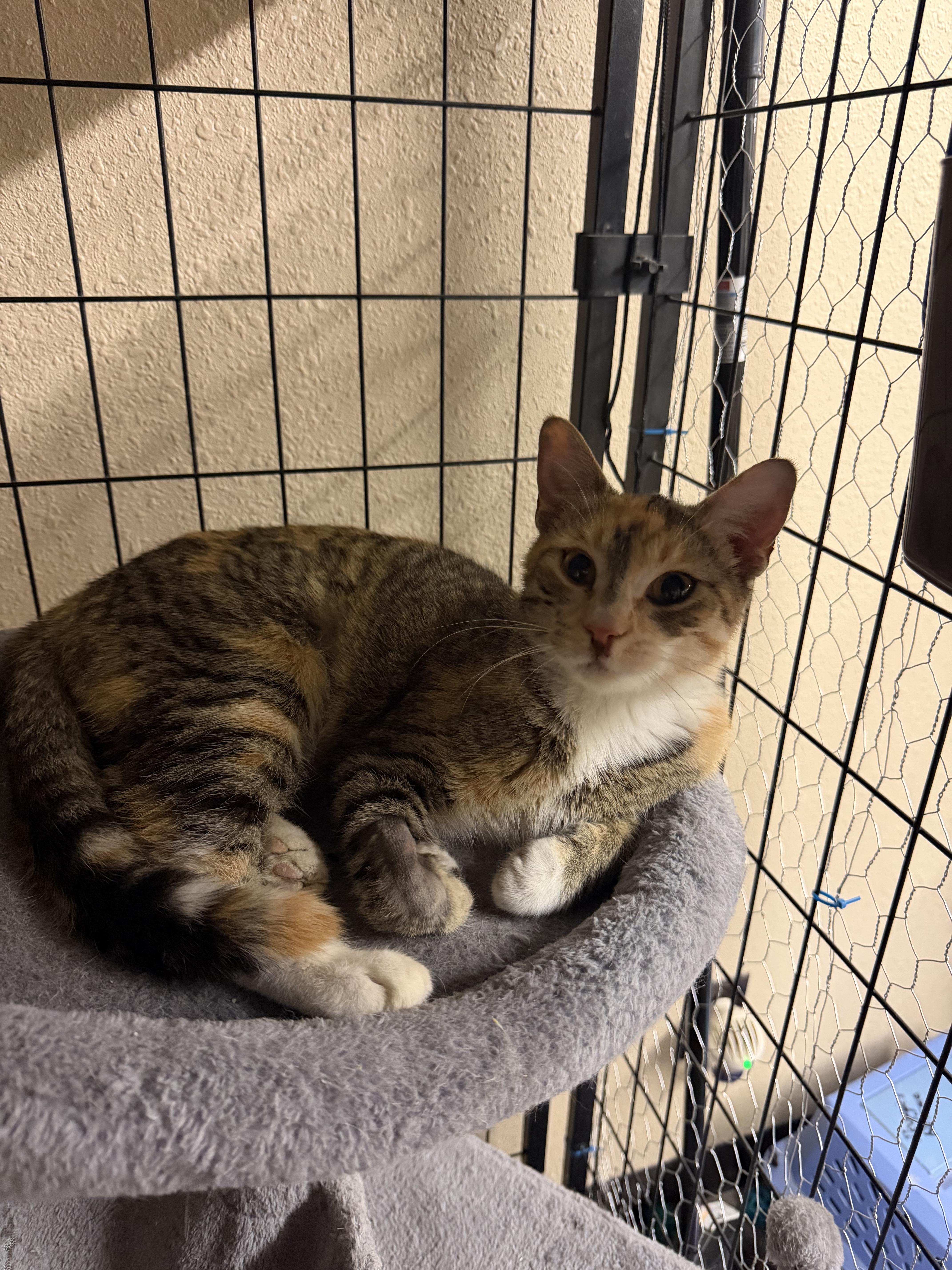
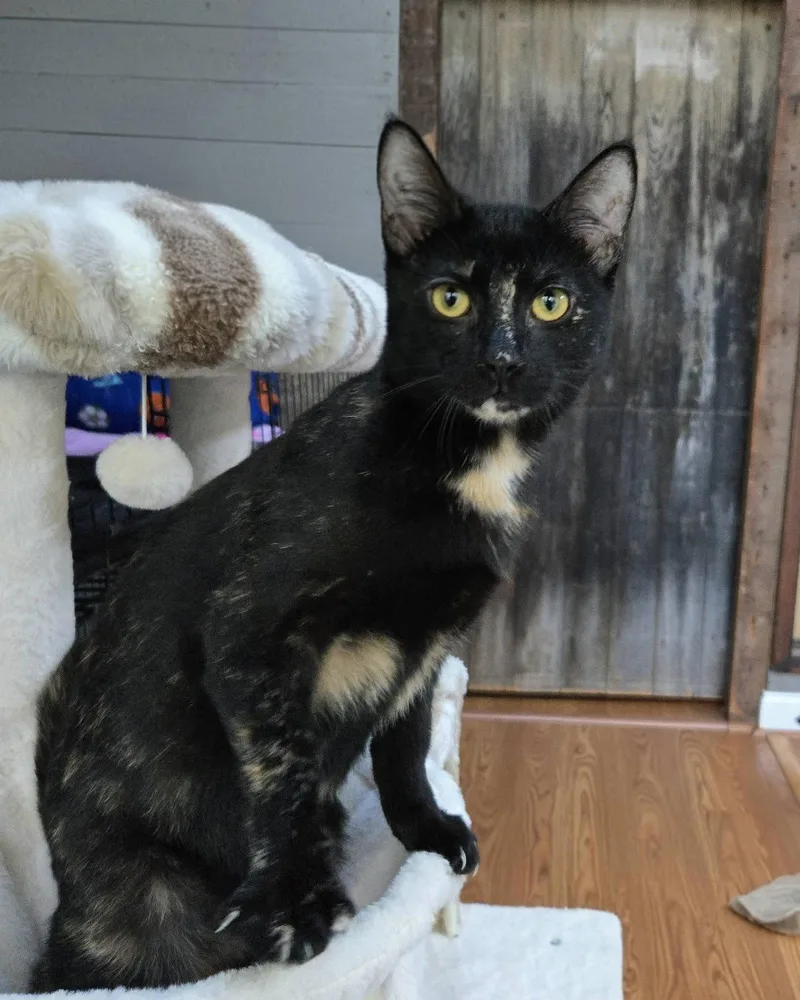
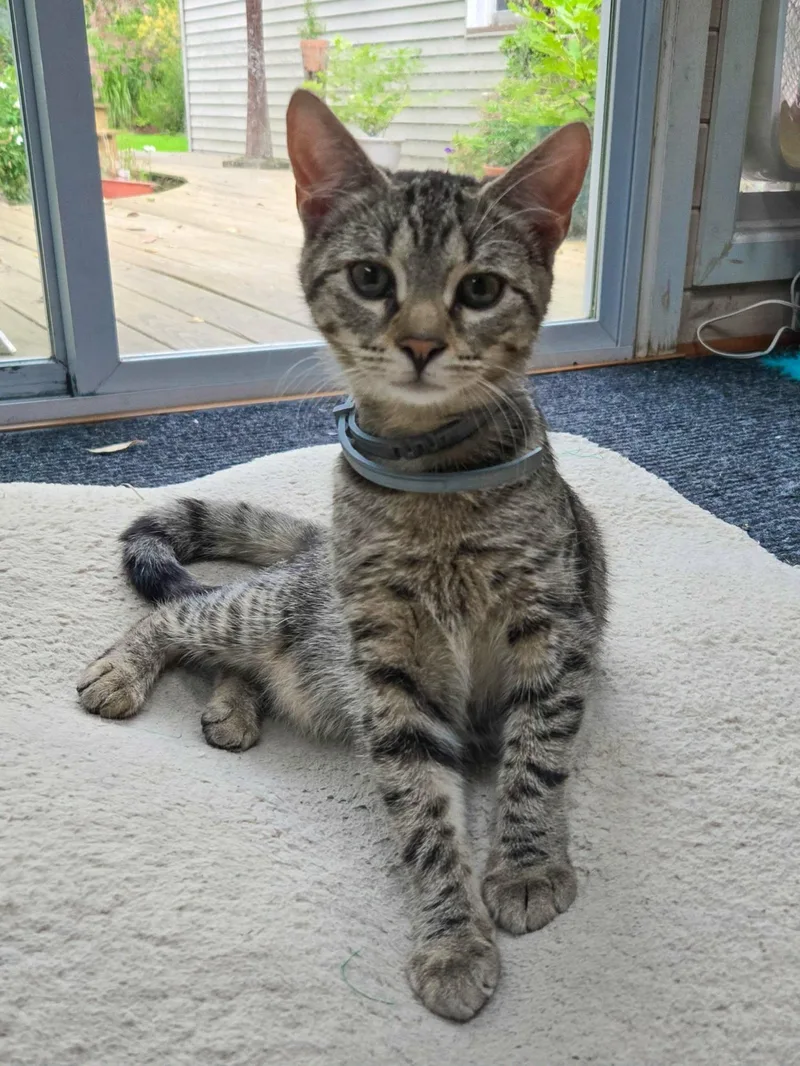
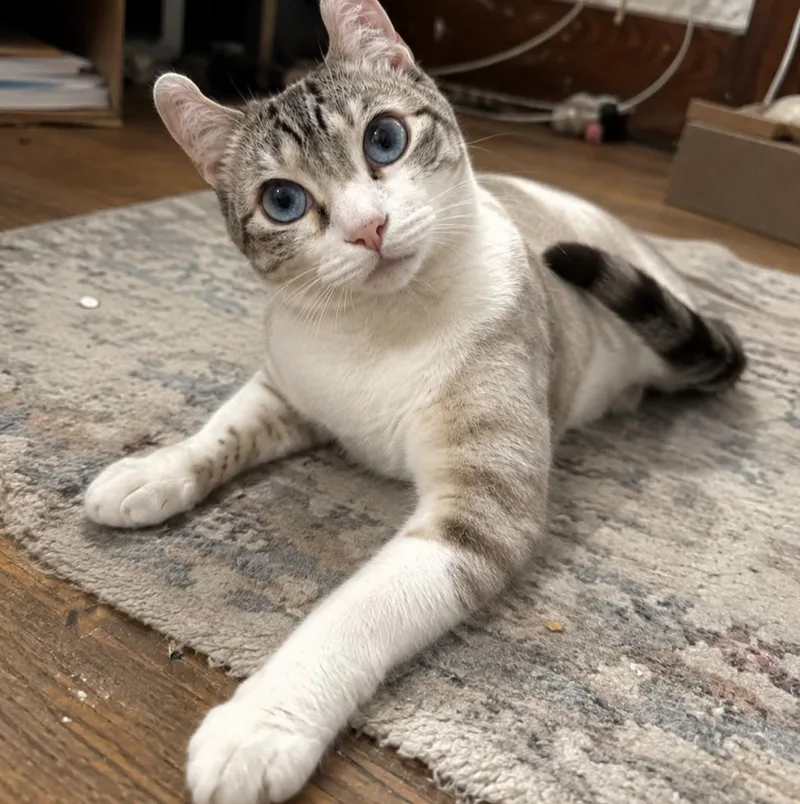
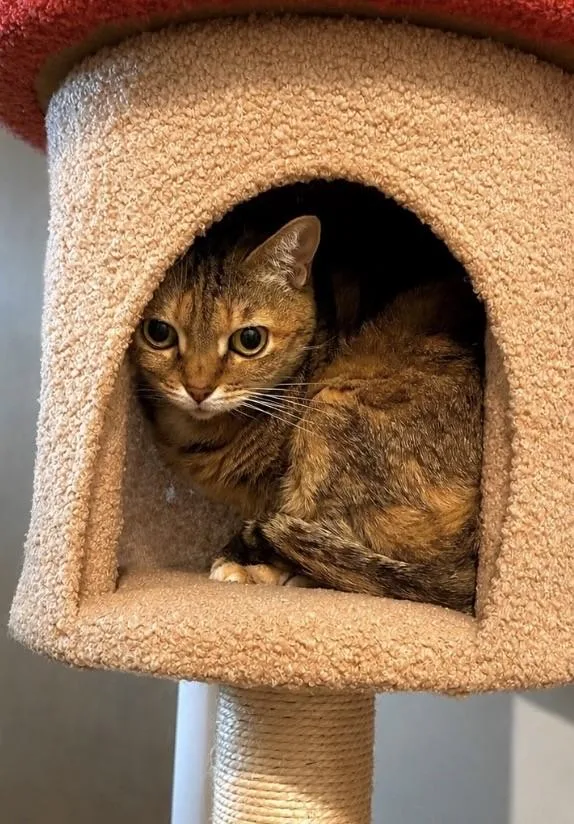
Torbie describes a coat, not a breed. It blends tortoiseshell and tabby, so a torbie carries patches of black-based and orange-based color with stripes, swirls or spots running through them, often with the tabby M on the forehead. Shades include brown, dilute blue-and-cream and silver, and a torbie with a lot of white is sometimes called a caliby. Nearly all torbies are female.

Most torbies are domestic shorthairs or longhairs, usually medium-sized at 6 to 14 pounds and moderate shedders. Personalities vary widely, so the cat you meet matters more than the coat. Expect weekly brushing, daily play and an indoor life with window perches, which suits a Rochester winter well. Adopting a torbie is a long-term commitment, so think through your routine, your lease and your budget first.

Weight
6–14 lbs
Height
8–10 in
Lifespan
12–18 yrs
Temperament
Playful, Affectionate, Curious
Shedding
Moderate

Owning a Torbie in Rochester

Having a Torbie in Rochester

Torbie is a coat pattern, so these cards describe domestic cats in general. In Rochester, the practical themes are staying comfortable indoors through long winters, finding vertical space in older homes and apartments, and matching a cat's energy to your routine.

Temperament

Torbies are often called spirited and affectionate, but that's owner lore rather than research, and coat color doesn't predict behavior. In a Rochester home, a confident, social cat may enjoy a busy household, while a shy one will do better with a quiet room, a hiding spot and time to warm up.

Exercise Needs

Plan on daily interactive play with wand toys, chase games and puzzle feeders, split into short sessions. When lake-effect snow keeps everyone inside, a cat tree by a window and ten minutes of play after dinner burn off energy. Kittens and young adults need more play, while older cats prefer gentler sessions.

Health Considerations

The torbie pattern carries no known health risks for female cats, so care follows age and background: yearly exams, vaccines, dental care and a healthy weight. Parasite prevention is worth discussing with a veterinarian, since deer ticks are present in Monroe County, particularly for any cat that goes outdoors.

Living Space

Torbies do well in apartments and houses alike. Many Rochester homes are older doubles and converted houses, so look for window perches, a sturdy cat tree and a scratching post to make the most of the space. Shy cats settle best in calmer homes, while social ones often handle busy households.

What it costs to own a Torbie in Rochester

ExpenseTypical costPer year
Adoption fee$150 to $200, one time$150 to $200 in year one
Food$25 to $50 per month$300 to $600
Pet insurance$20 to $45 per month$240 to $540
Routine vet care$150 to $350 per year$150 to $350
Other*$450 to $1,150 per year$450 to $1,150
Estimated yearly total (after year one)$1,140 to $2,640
First-year total (with adoption fee)$1,290 to $2,840

Adoption fee is the range of fees on Torbie listings in Rochester on GetBuddy today. Other costs are estimates and vary with size, age and health.

* Litter, flea and tick prevention, a dental cleaning allowance, toys and supplies, and home grooming.

Adopt a Torbie in Rochester.

Now that you know more, let’s find you a new best friend. These rescues and shelters below currently have Torbies available.

Frequently Asked Questions

Yes, for most households that can offer an indoor home with daily play. Torbie is a coat pattern, so fit depends on the cat's age and energy rather than color. Rochester's long winters mean a cat will spend months inside, so look for a cat whose energy matches your routine and who enjoys window watching and interactive games.

Yes, torbies adapt well to apartments, since space needs come from the cat rather than the coat. Get pet permission in writing before signing a lease, then add a window perch, cat tree and scratching post to use vertical space. Keep play sessions regular so a young torbie doesn't burn off energy on the furniture.

Yes, torbies handle Rochester winters well as indoor cats. Coat pattern doesn't change cold tolerance, and winters here bring about 100 inches of snow and many freezing nights, so outdoor time is a poor idea. Provide warm bedding, window perches and play, and stock food, water and litter in case a storm knocks out power.

Yes, but only in a closed carrier. RTS buses require pets to stay in a closed container, cage or carrier at all times, held on your lap or at your feet. The carrier can't block the aisle or take a seat, and the cat must be housetrained and quiet. Rochester has no subway, so buses are the option.

Yes. New York bars breed-specific local laws, and torbie is a coat pattern anyway, so no Rochester rule targets it. Cats don't need a city license, but they must be vaccinated against rabies. Adopted cats are also sterilized or covered by a sterilization agreement, so watch the listings on this page for torbies.

Plan on brushing a shorthaired torbie about once a week and a longhaired one several times a week. Shedding is moderate and rises in spring as winter coats lighten. Dry indoor winter air can make coats static and flaky, so a regular brush helps. Home grooming is a small part of the yearly Other costs listed above.

A torbie cat is a cat whose coat combines tortoiseshell and tabby patterns, with patches of black-based and orange-based color plus tabby stripes, swirls or spots. It is a coat pattern, not a breed, and appears mostly in domestic shorthairs and longhairs. Torbies are also called tortie-tabbies or patched tabbies, and nearly all are female.

No, torbie cats are not especially rare. The pattern appears whenever a tortoiseshell cat also inherits tabby markings, which is common, and shelters regularly have torbies available. Male torbies are a different story: like other male tortoiseshells, they are very rare. Some variations, such as silver or dilute torbies, are seen less often but are still not unusual.

We have 2 rescues with Torbies available: Ferals and Kittens and Cats Oh My and Hand To Paw Cat Rescue. You can see every rescue with Torbies available in the list above these questions, or scroll to the top to see the Torbies near Rochester.

A torbie typically costs about $1,140 to $2,640 a year in Rochester. Food runs $25 to $50 a month, optional insurance $20 to $45 a month, routine vet care $150 to $350 a year, and other costs such as litter and prevention $450 to $1,150 a year. Adoption fees appear on the listings.

Find Torbies in Nearby Cities

Expand your search to find Torbies available for adoption near Rochester.