Torbie Cats for Adoption in New York, NY

Your guide to finding and caring for a Torbie in NYC

A torbie is a coat pattern rather than a breed, and it suits NYC apartment life well. Most torbies are ordinary domestic shorthairs or longhairs, medium-sized cats that can be perfectly happy in a Queens one-bedroom or a Brooklyn walk-up. Give a cat a window perch over the street and a few play sessions a day, and a small space works fine. Nearly all torbies are female, and each one has her own personality: some greet visitors at the door, others hide under the bed until the buzzer stops.

327 Torbies available in New York and nationwide

Fall for a Torbie

Torbies Available for Adoption Near New York

About the Torbie breed

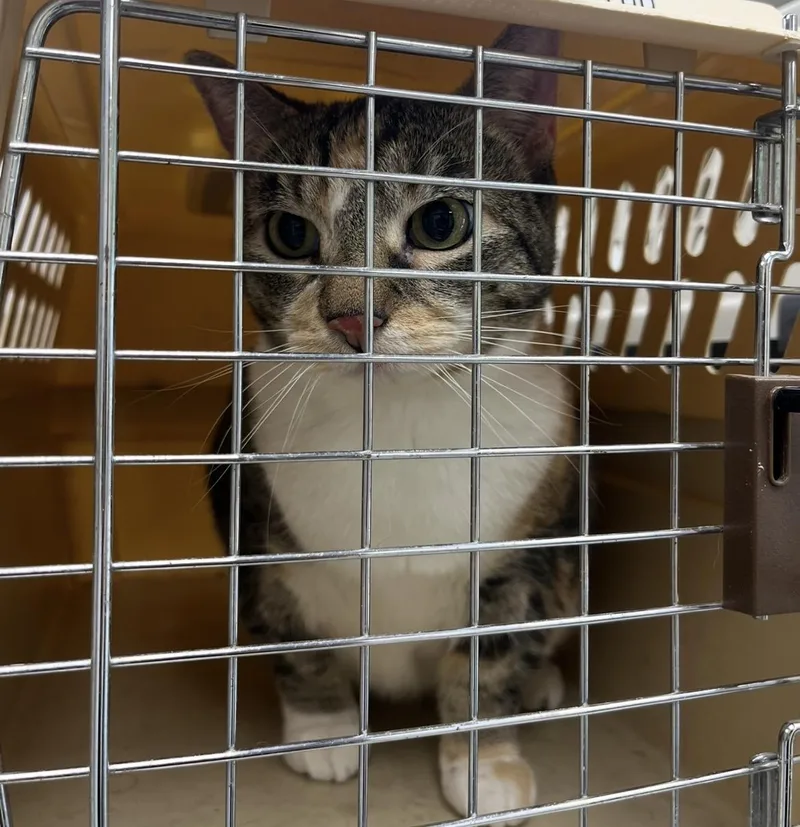
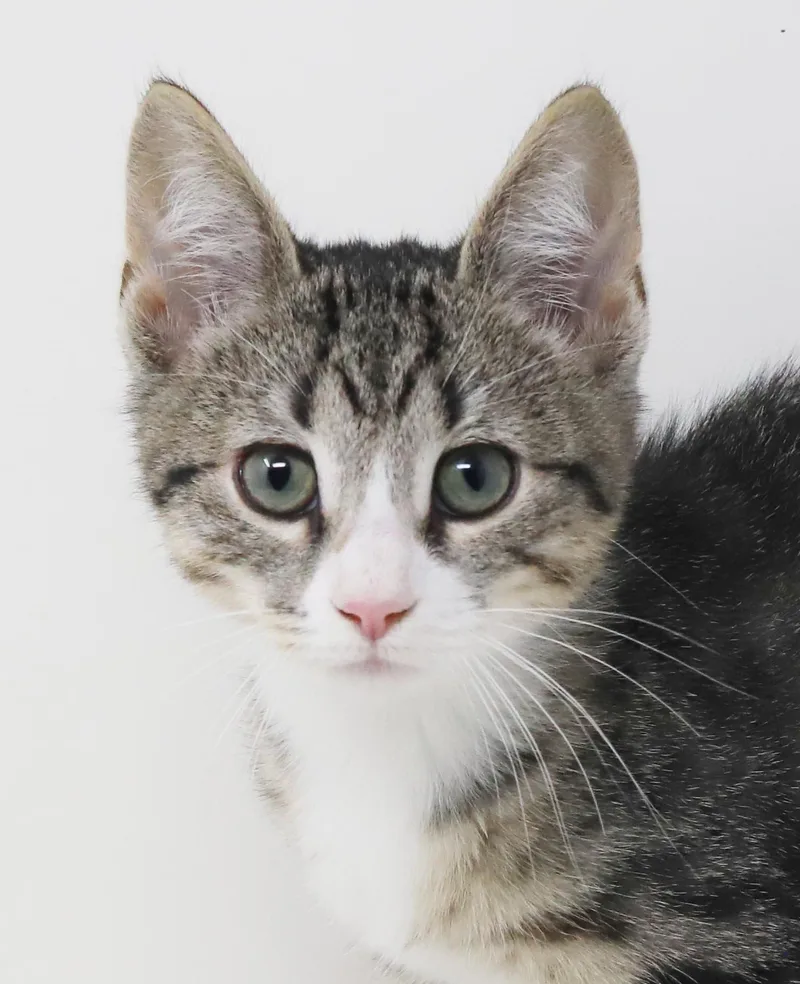
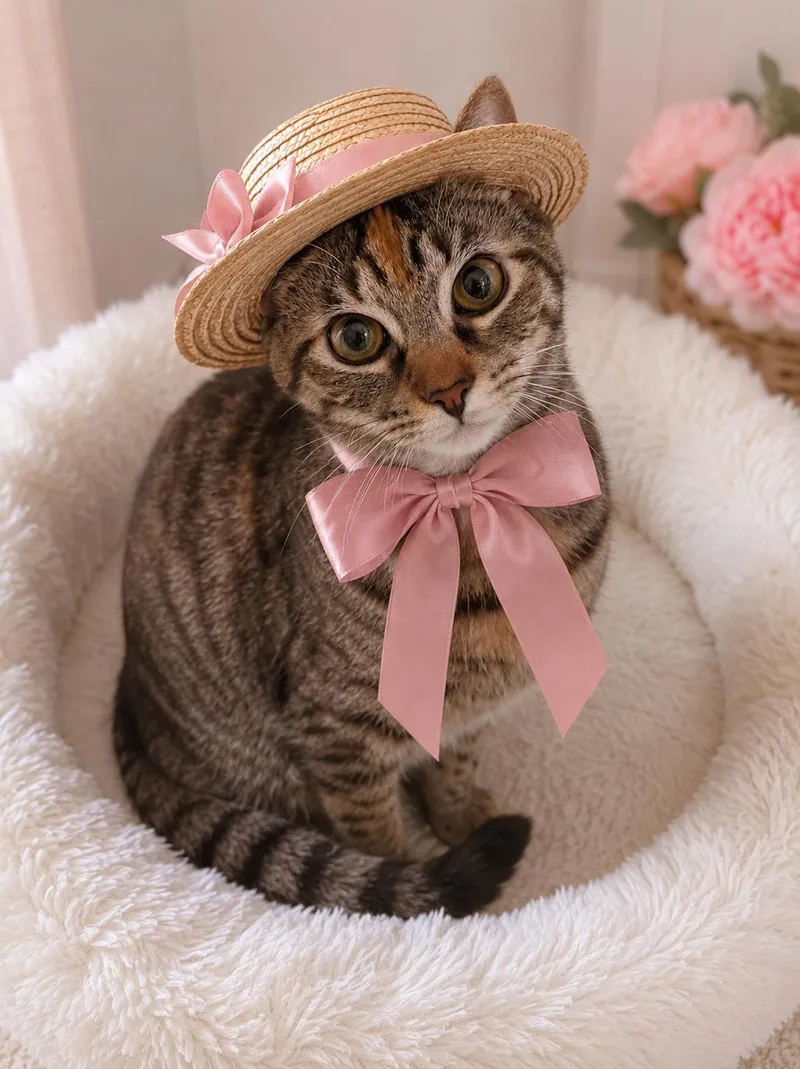
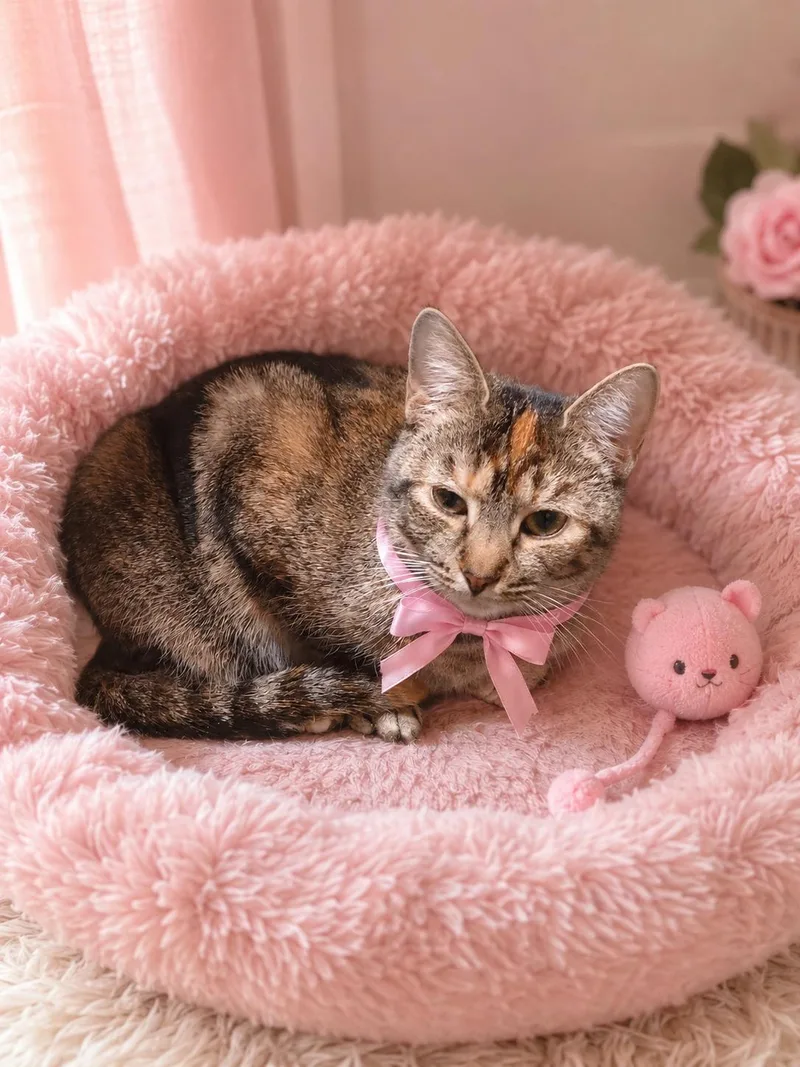
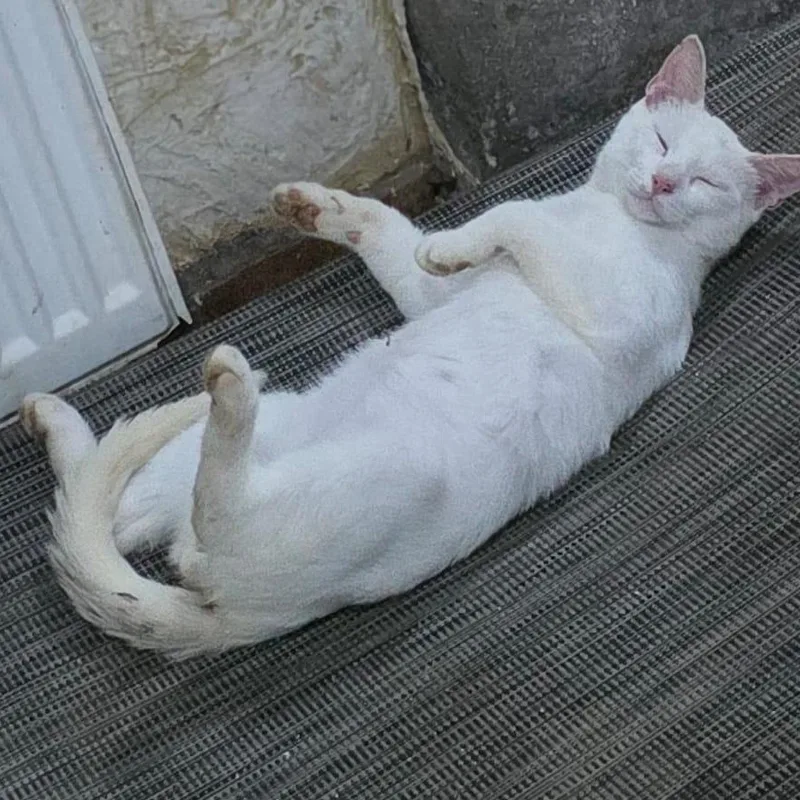
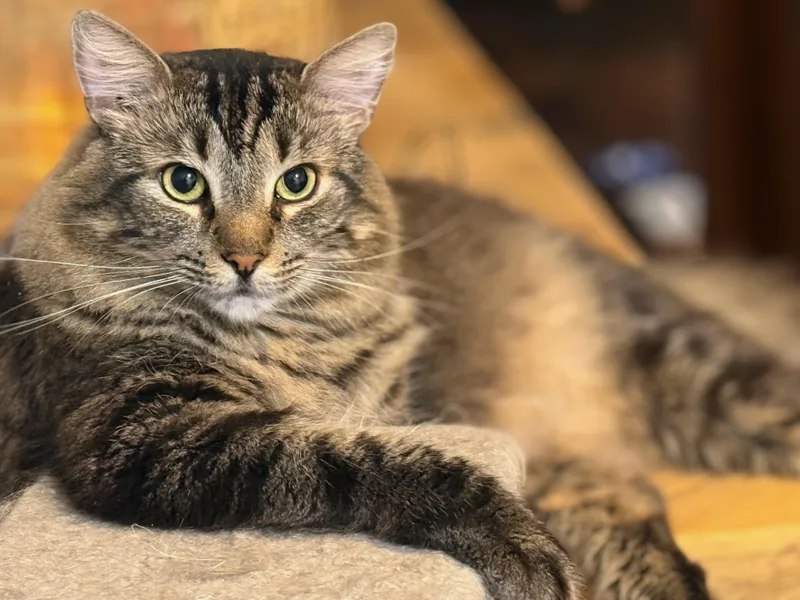
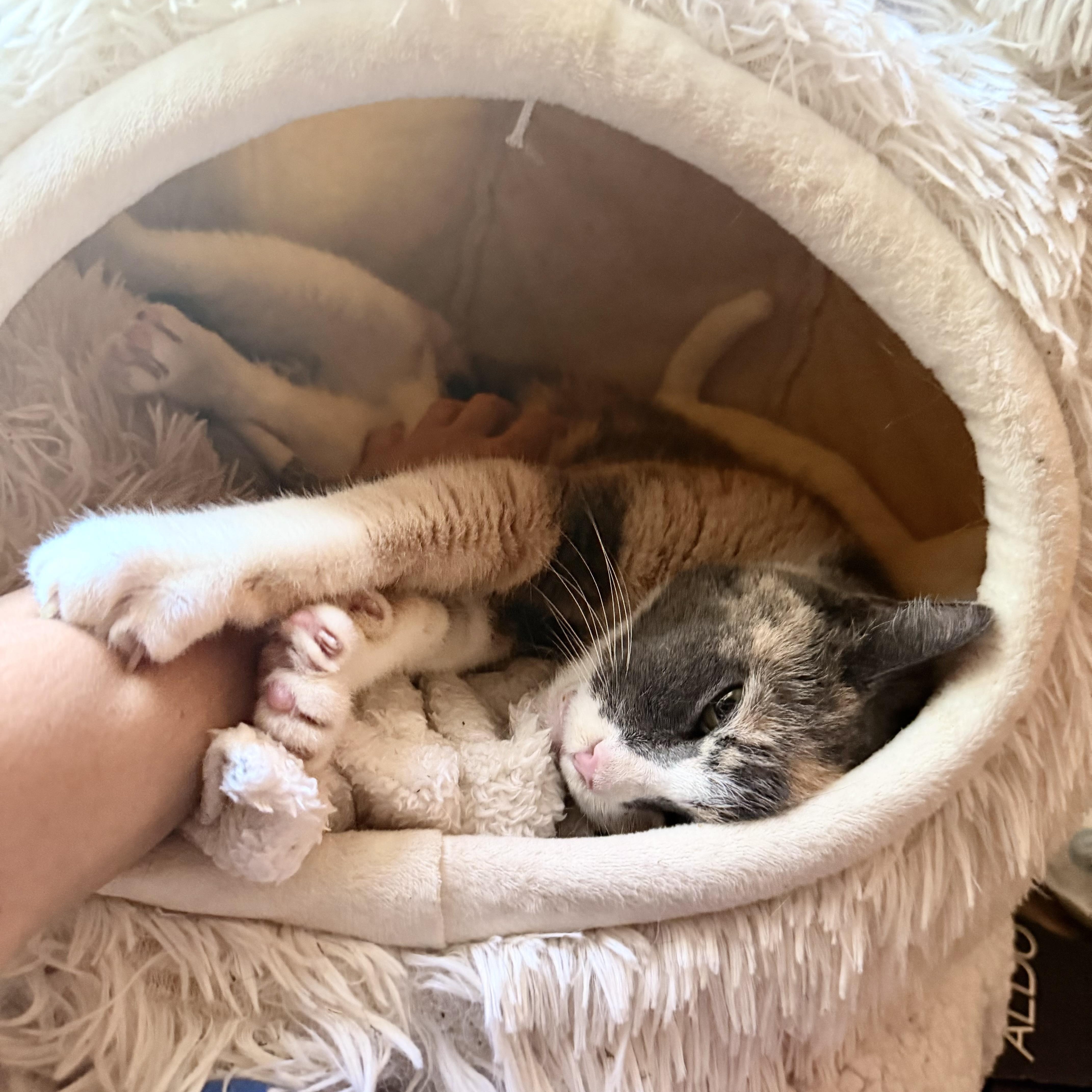
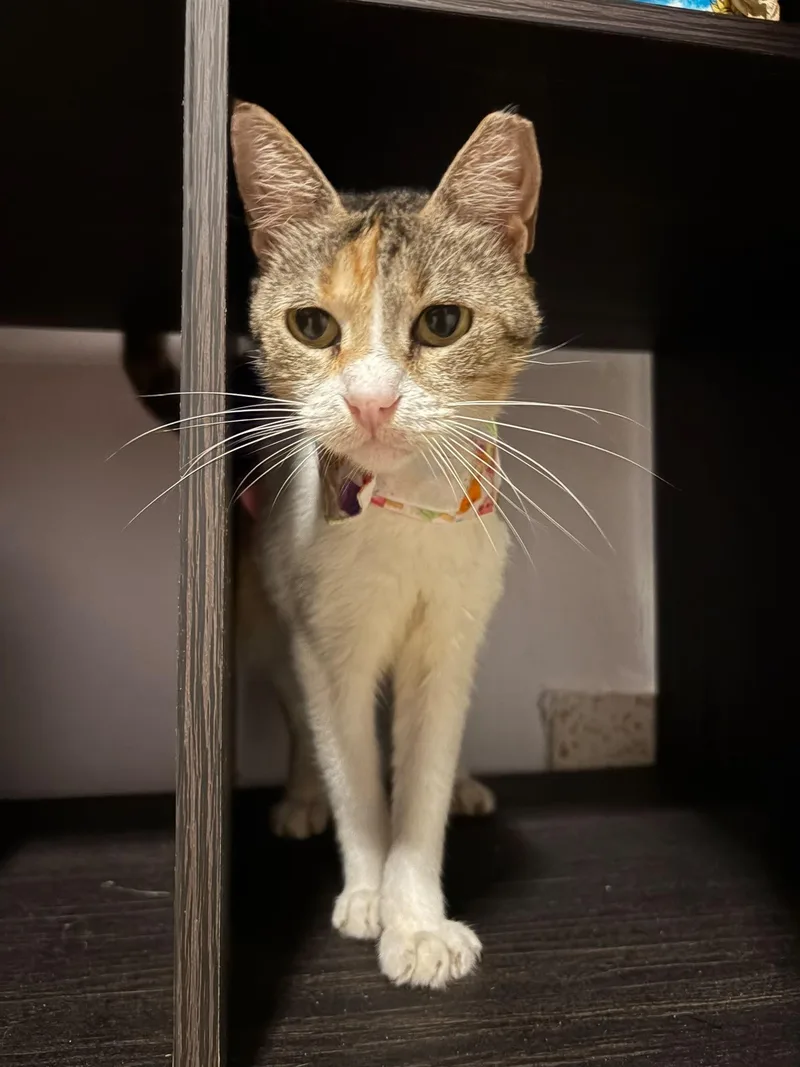
Torbie, short for tortoiseshell tabby, describes a coat, not a breed. A torbie blends patches of black-based and orange-based color with tabby stripes or swirls, often with the M mark on the forehead. Brown, dilute blue-and-cream and silver versions all exist, and a torbie with plenty of white is sometimes called a caliby.

Most are domestic shorthairs or longhairs, usually 6 to 14 pounds, and many live 12 to 18 years. Shedding is moderate, so weekly brushing helps, especially in a small apartment where fur collects fast. The "tortitude" reputation is folklore rather than science, so judge each cat by how she acts, not by her color, and match her energy to your daily routine.

Weight
6–14 lbs
Height
8–10 in
Lifespan
12–18 yrs
Temperament
Playful, Affectionate, Curious
Shedding
Moderate

Owning a Torbie in New York

Having a Torbie in NYC

Torbie describes a coat, so these cards cover what generally holds for the domestic cats that wear it. Energy, health and behavior depend on each cat's age, background and history, and how a cat acts matters far more than her color.

Temperament

Torbies are often called spirited, chatty or affectionate, but that comes from owner impressions, not research. Cats with this coat range from shy to outgoing. In a busy NYC building, a confident cat may shrug off hallway noise, while a shy one may want a quiet room to retreat to.

Exercise Needs

Plan on daily play with wand toys, puzzle feeders and chase games. Young cats may want several short sessions, while seniors prefer fewer, gentler ones. Without a yard, vertical space does the work: cat trees, shelves and a window perch overlooking the street. Rotating toys keeps a small apartment interesting.

Health Considerations

The torbie pattern carries no known health risks in female cats, and the rare male torbie usually has an extra X chromosome that can add issues. Otherwise health follows age and background, so plan regular vet visits, dental care, vaccines and weight checks. New York State requires rabies vaccination for cats.

Living Space

Torbies adapt to studios, walk-ups and larger homes alike, since space needs come from the cat, not the coat. In a city apartment, scratching posts, cat trees, window perches and hiding spots matter more than square footage. Secure window screens are essential, especially on upper floors.

What it costs to own a Torbie in New York

ExpenseTypical costPer year
Adoption fee$200, one time$200 in year one
Food$25 to $50 per month$300 to $600
Pet insurance$20 to $45 per month$240 to $540
Routine vet care$150 to $350 per year$150 to $350
Other*$450 to $1,150 per year$450 to $1,150
Estimated yearly total (after year one)$1,140 to $2,640
First-year total (with adoption fee)$1,340 to $2,840

Adoption fee is the fee on Torbie listings in New York on GetBuddy today. Other costs are estimates and vary with size, age and health.

* Litter, flea and parasite prevention, a dental cleaning allowance, toys and supplies, and light home grooming.

Adopt a Torbie in New York.

Now that you know more, let’s find you a new best friend. These rescues and shelters below currently have Torbies available.

Rescues in New York with Torbies Available

NYC's shelters and rescues care for many cats, and torbies of all ages and personalities can turn up among them. Here are the rescues & shelters in the NYC area where you can find Torbies and other cats available for adoption.

Frequently Asked Questions

Yes, as long as your cat is enclosed. NYC Transit rules require animals to ride in a bag or container carried so it doesn't annoy other passengers, and buses follow the same rule. A 6 to 14 pound torbie fits a standard carrier. The Long Island Rail Road wants a lap-sized container, and NYC Ferry requires a fully enclosed carrier.

Yes, a Torbie can live happily in an NYC apartment, since torbies are medium-sized domestic cats and space needs depend on the cat. Offer vertical space, daily play and secure window screens. Renters have some protection too: under the city's pet law, a landlord who knows about a pet and waits three months to act generally waives a no-pet clause.

Yes, indoor torbies handle NYC winters easily. Central Park sees about 67 freezing nights and roughly 30 inches of snow a year, but a cat is best kept inside in cold weather anyway. Cover carrier trips against wind, and wipe paws after contact with salted sidewalks, since ice-melting chemicals can make pets sick.

Often, if you can offer daily play and a safe indoor space. Torbies are domestic cats of every temperament, so fit depends on the cat: confident, social cats cope with noisy buildings, while shy ones want a quiet room. Look for a cat whose energy matches your schedule, and get her used to a carrier for vet visits and transit.

Usually very little. A shorthaired torbie needs weekly brushing and a longhaired one a few sessions a week, with shedding that is moderate and may rise in fall. Add regular nail trims. Most owners groom at home, which fits the low grooming allowance inside the $450 to $1,150 yearly Other costs alongside litter and supplies.

Yes. No breed-specific rules apply in NYC, and torbie is simply a coat pattern. Cats don't need a city license, though New York State requires rabies vaccination. Check your lease or building rules first, since private landlords, co-ops and condos can set their own pet policies, and NYCHA public housing allows one dog or one cat per household.

A torbie cat is a cat whose coat combines tortoiseshell and tabby patterns, with patches of black-based and orange-based color plus tabby stripes, swirls or spots. It is a coat pattern, not a breed, and appears mostly in domestic shorthairs and longhairs. Torbies are also called tortie-tabbies or patched tabbies, and nearly all are female.

No, torbie cats are not especially rare. The pattern appears whenever a tortoiseshell cat also inherits tabby markings, which is common, and shelters regularly have torbies available. Male torbies are a different story: like other male tortoiseshells, they are very rare. Some variations, such as silver or dilute torbies, are seen less often but are still not unusual.

We have 1 rescue with Torbies available: Fur Real. You can see every rescue with Torbies available in the list above these questions, or scroll to the top to see the Torbies near New York.

A torbie typically costs about $25 to $50 a month for food and $20 to $45 for insurance, with routine vet care of $150 to $350 a year. Other yearly costs, such as litter, parasite prevention, dental care and supplies, run roughly $450 to $1,150. NYC's overall price level is among the highest in the U.S., so get vet quotes.