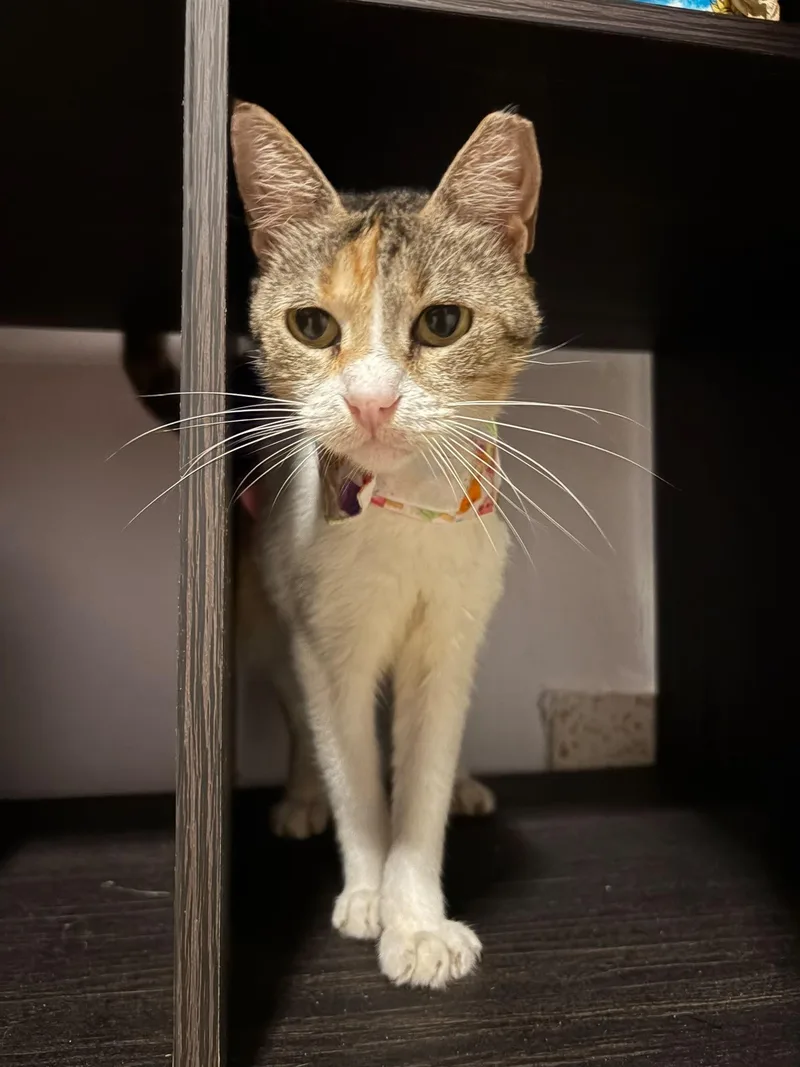
Dilute Tortoiseshell Cats for Adoption in New York, NY

Your guide to finding and caring for a Dilute Tortoiseshell in NYC

Dilute tortoiseshell is a coat pattern rather than a breed, and these blue-gray and cream cats do well in New York apartments. Most are ordinary domestic shorthairs or longhairs, so a walk-up in Astoria or a one-bedroom in Washington Heights gives them plenty of room, as long as there's a window perch and somewhere to climb. Personality runs from shy to chatty, and you'll learn which by spending time with the cat, not from the coat. Plan on 12 to 18 years together.

275 Dilute Tortoiseshells available in New York and nationwide

Meet your next Dilute Tortie

Dilute Tortoiseshells Available for Adoption Near New York

About the Dilute Tortoiseshell breed

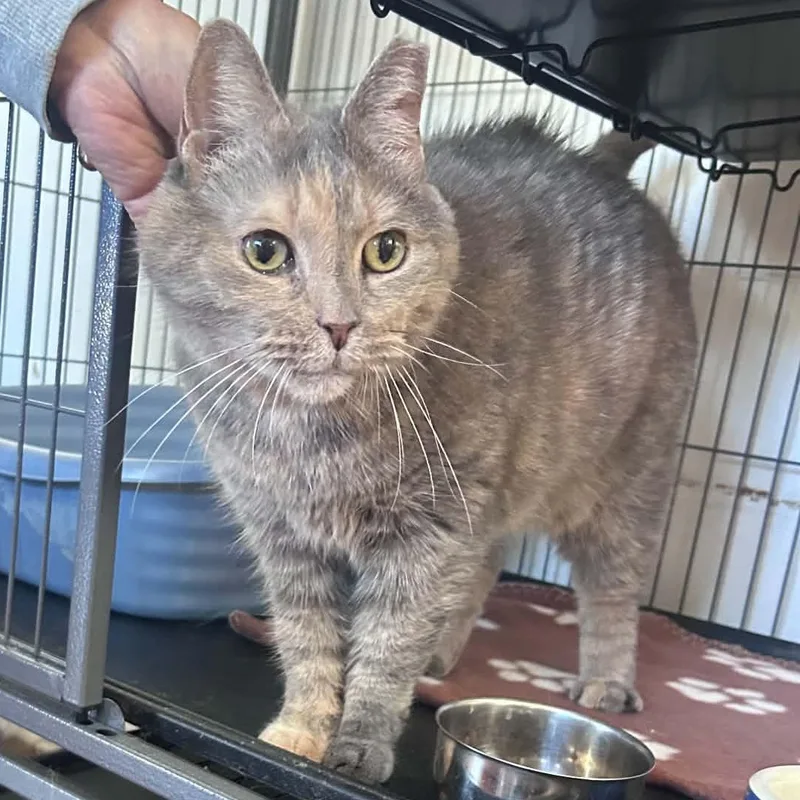
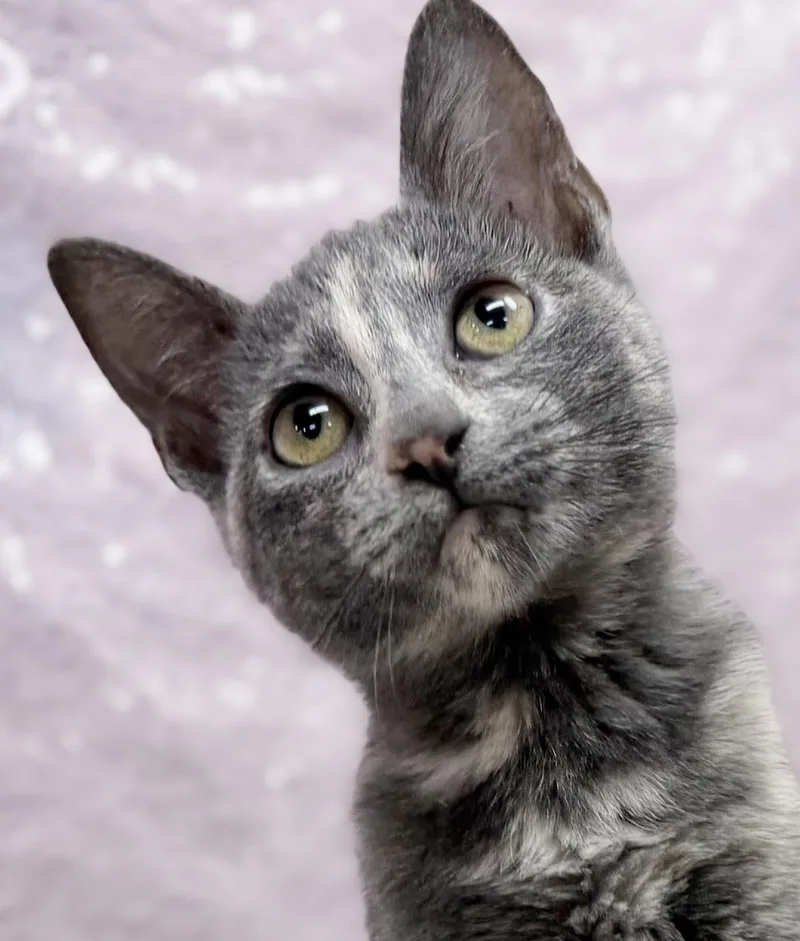
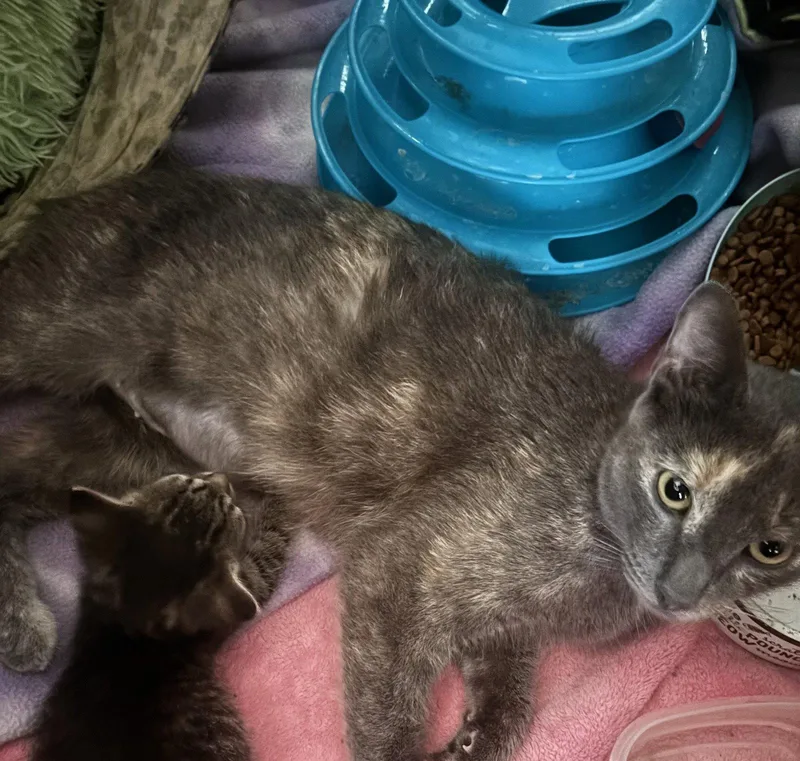
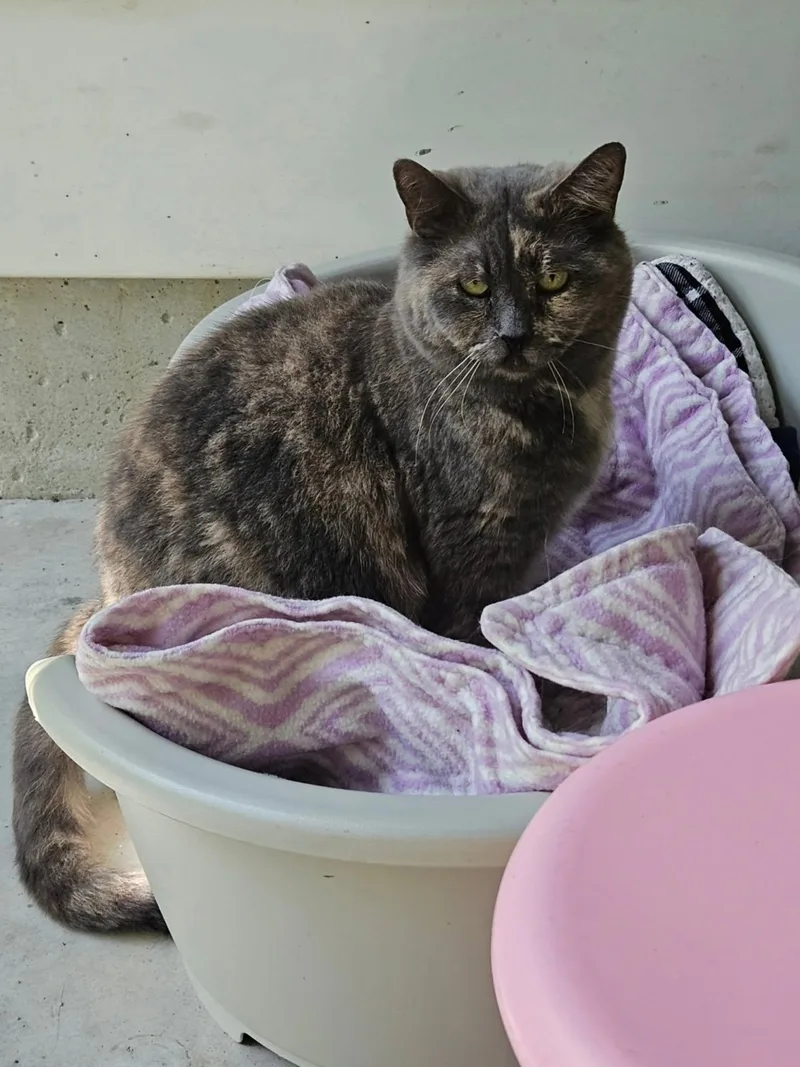
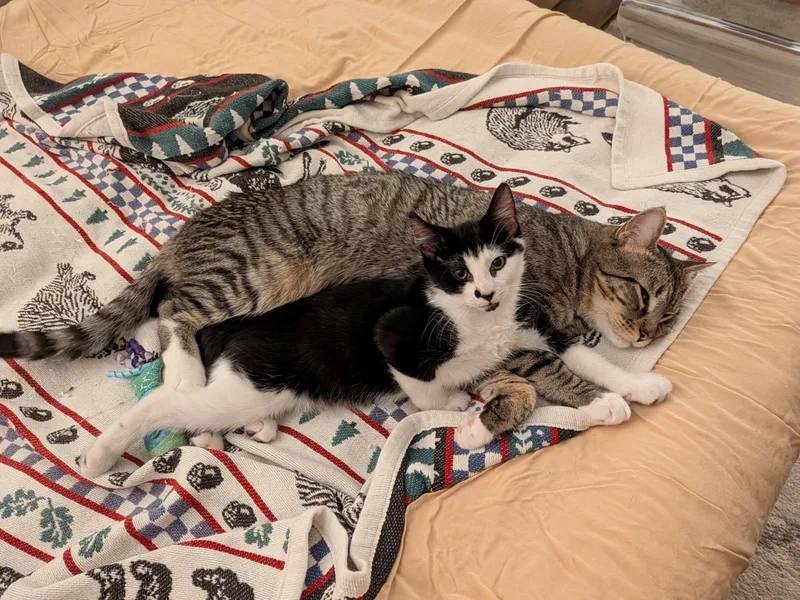
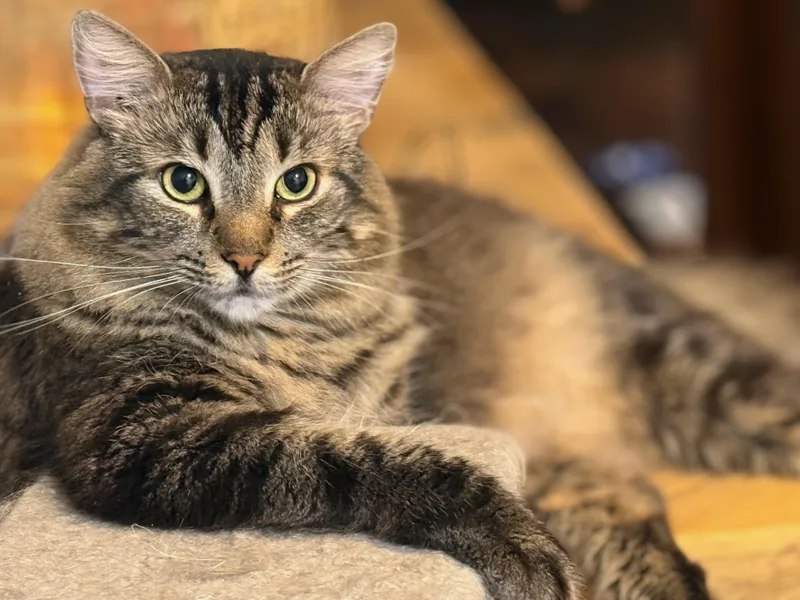
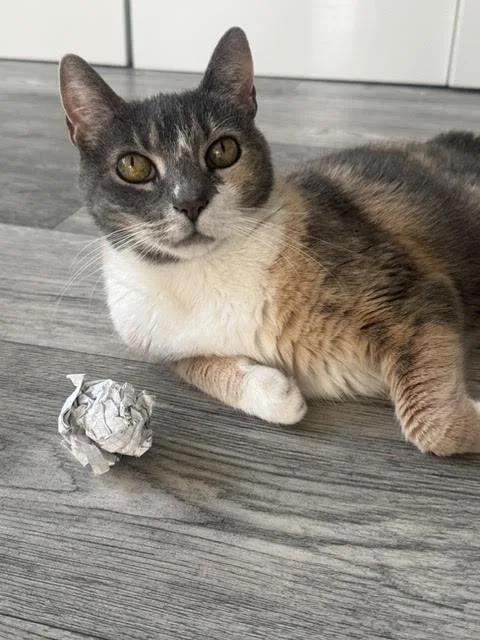
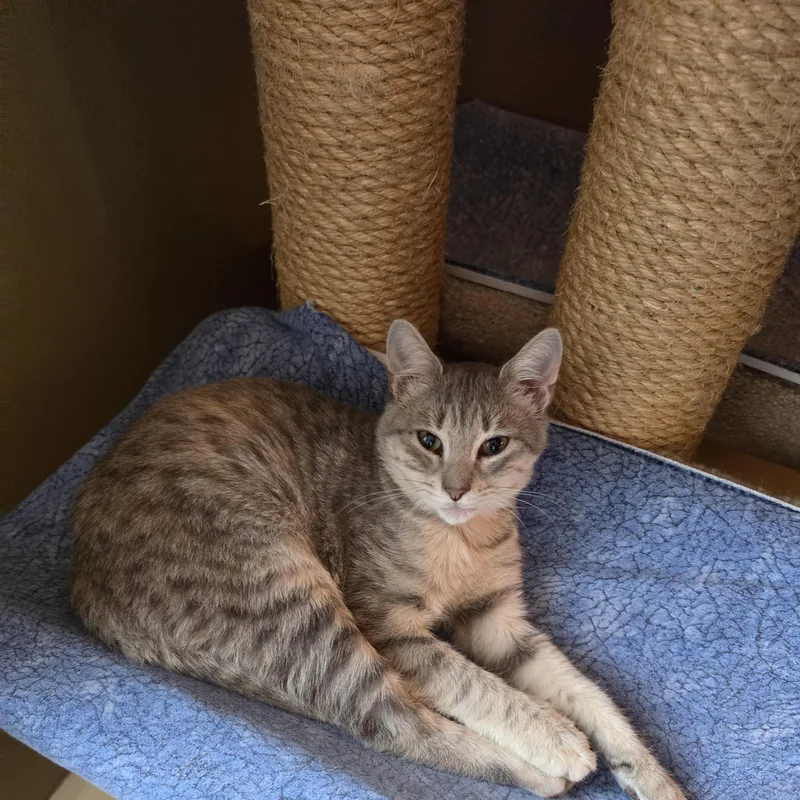
A dilute tortoiseshell has a softened version of the tortie coat: blue-gray and cream in patches or a fine marbled blend, sometimes called blue-cream. The pastel shades come from a recessive dilution gene a cat must inherit from both parents, and because the patchwork depends on two X chromosomes, nearly all dilute torties are female. Add white markings and the pattern becomes a dilute calico.

Most dilute torties are domestic cats, typically medium-sized at 6 to 14 pounds, with moderate shedding. Coloring says little about personality, despite the "tortitude" folklore, so shy, outgoing, cuddly and independent cats all turn up. Longhaired cats need regular brushing, and a cat's age, history and behavior will tell you far more than its colors.

Weight
6–14 lbs
Height
8–10 in
Lifespan
12–18 yrs
Temperament
Affectionate, Independent, Curious
Shedding
Moderate

Owning a Dilute Tortoiseshell in New York

Having a Dilute Tortoiseshell in NYC

Because dilute tortoiseshell describes coloring rather than ancestry, a cat's traits follow its breed mix, age and upbringing. These cards cover what's typical of the domestic cats adopters usually meet, with notes on what matters in a New York apartment.

Temperament

Dilute torties tend to be affectionate, independent and curious, like many domestic cats, though that varies widely. Some are shy, others bold; some want a lap, others prefer watching from a shelf. In a busy NYC building, hallway noise and neighbors can unsettle timid cats, so give a new cat a quiet room and time to adjust.

Exercise Needs

Most indoor cats do best with two short play sessions a day using wand toys or balls, plus puzzle feeders. Vertical space matters in a small apartment: a tall cat tree or wall shelves near a window turns a studio into a climbing course. Kittens and young adults need the most play, while seniors prefer gentler games.

Health Considerations

The dilute tortie coat carries no known health risk in female cats. Rare males usually have an extra X chromosome and may face added concerns. Otherwise health depends on age and ancestry, so plan yearly checkups, dental care and weight control. New York State requires rabies vaccination for cats, and a veterinarian can set the schedule.

Living Space

These cats suit nearly any New York home, from a studio to a brownstone floor-through, because enrichment matters more than square footage. Scratching posts, perches and hiding spots help. Quiet cats settle best in calmer households, while confident ones handle roommates and kids. Window screens or guards are essential on upper floors, since cats can fall.

What it costs to own a Dilute Tortoiseshell in New York

ExpenseTypical costPer year
Adoption fee$100 to $200, one time$100 to $200 in year one
Food$25 to $50 per month$300 to $600
Pet insurance$20 to $45 per month$240 to $540
Routine vet care$150 to $350 per year$150 to $350
Other*$450 to $1,150 per year$450 to $1,150
Estimated yearly total (after year one)$1,140 to $2,640
First-year total (with adoption fee)$1,240 to $2,840

Adoption fee is the range of fees on Dilute Tortoiseshell listings in New York on GetBuddy today. Other costs are estimates and vary with size, age and health.

* Litter, flea and tick prevention, a yearly dental cleaning allowance, toys and supplies, and light home grooming.

Adopt a Dilute Tortoiseshell in New York.

Now that you know more, let’s find you a new best friend. These rescues and shelters below currently have Dilute Tortoiseshells available.

Rescues in New York with Dilute Tortoiseshells Available

New York's shelters and rescues take in cats of every age, color and personality, and listings change often. Here are the rescues & shelters in the NYC area where you can find Dilute Tortoiseshells and other cats available for adoption.

Frequently Asked Questions

Yes. New York City has no breed-specific ownership rules and doesn't license cats, though state law requires rabies vaccination. Coat color won't affect your eligibility, but your lease might limit pets, so read it first. Landlords and co-op or condo boards set their own policies, and public housing allows one cat or one dog per household.

Often, yes, if you can keep the cat safely indoors and are home enough for daily play. The coat doesn't predict personality, so a cat's own behavior matters more than its color. Busy buildings, thin walls and frequent visitors suit confident cats best, while shy ones need a quiet retreat. Weigh your work and travel schedule against a 12 to 18 year lifespan.

Yes, most adapt well, since cats get exercise from play and climbing rather than a yard. In a studio, add a tall cat tree and a window perch, and place the litter box away from your bed and the food. Thin walls and hallway noise can bother timid cats, so give them a hiding spot, and secure every window with a screen.

Yes, as long as the cat is fully enclosed in a bag or carrier. MTA rules for the subway and buses require pets to be in a container and carried so they don't bother other riders. Choose a ventilated carrier large enough for the cat to turn around in, and keep it on your lap or at your feet.

Yes, as indoor cats they handle New York winters well. Cold, snowy weather isn't a problem in a heated apartment, though radiators can dry the air. Offer a warm perch away from direct heat, fresh water in several spots and a covered carrier for vet trips. Cats shouldn't be left outdoors in freezing weather.

Shorthaired dilute torties need a quick weekly brushing, while longhaired ones do best with brushing several times a week to prevent mats. Dry indoor heat and seasonal shedding can mean more loose fur. Most owners groom at home, so grooming adds little to the yearly Other costs of $450 to $1,150, which also cover litter and supplies.

A tortoiseshell cat is a cat with a coat pattern, not a breed, that mixes black-based and orange-based colors in patches or a mottled blend with little or no white. The dilute version shows blue-gray and cream instead. The pattern appears in domestic shorthairs and many purebreds, and because of its genetics nearly all tortoiseshells are female.

Almost all tortoiseshell cats are female, but not every single one. The orange and black color genes sit on the X chromosome, and a cat needs two X chromosomes to show both colors together. Females have two, so they can be torties. A tortoiseshell male is possible only through rare genetic exceptions, such as carrying an extra X chromosome.

We have 2 rescues with Dilute Tortoiseshells available: Inky Blue Sea Companion Animal Rescue, Inc. and Bronx Tails Cat Rescue. You can see every rescue with Dilute Tortoiseshells available in the list above these questions, or scroll to the top to see the Dilute Tortoiseshells near New York.

Expect roughly $1,140 to $2,640 a year in total for a Dilute Tortoiseshell. That covers food at $25 to $50 a month, insurance at $20 to $45 a month, routine vet care at $150 to $350 a year, and other costs at $450 to $1,150 a year, including litter. Actual bills depend on the cat's age, health and coat.