Bengal Cats for Adoption in New York, NY

Your guide to finding and caring for a Bengal in NYC

Bengals suit NYC apartments better than their wild looks suggest, as long as someone is home to play. In a Hunters Point high-rise or a walk-up near Marcus Garvey Park, a Bengal will turn every windowsill into a lookout and every cabinet into a puzzle. Vertical space does more for them than extra square footage, so a tall cat tree and a few wall shelves go a long way. Expect a chatty roommate who wants to help with everything.

211 Bengals available in New York and nationwide

A Bengal is ready for you

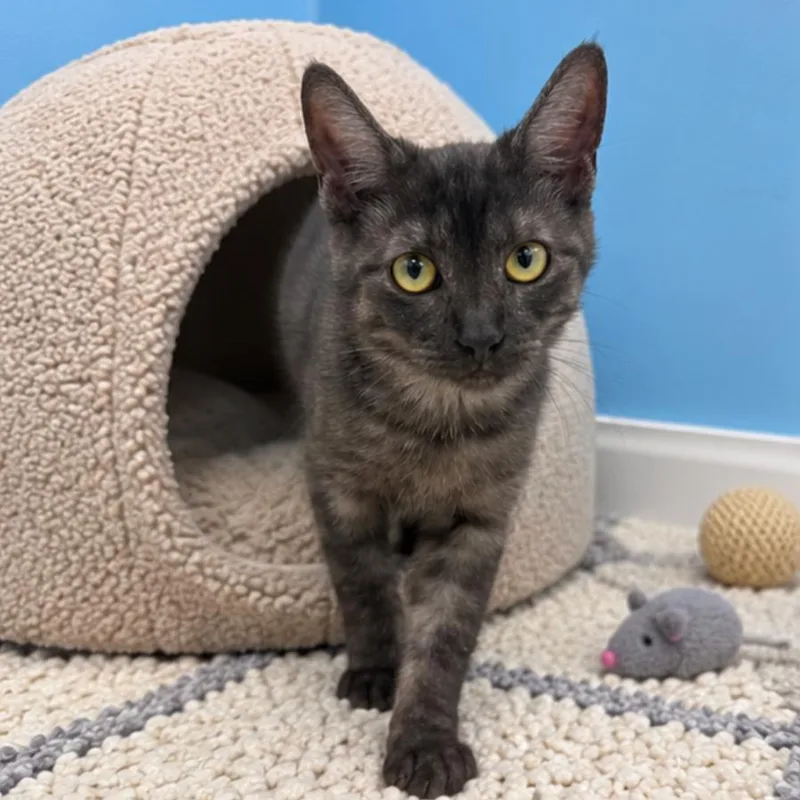
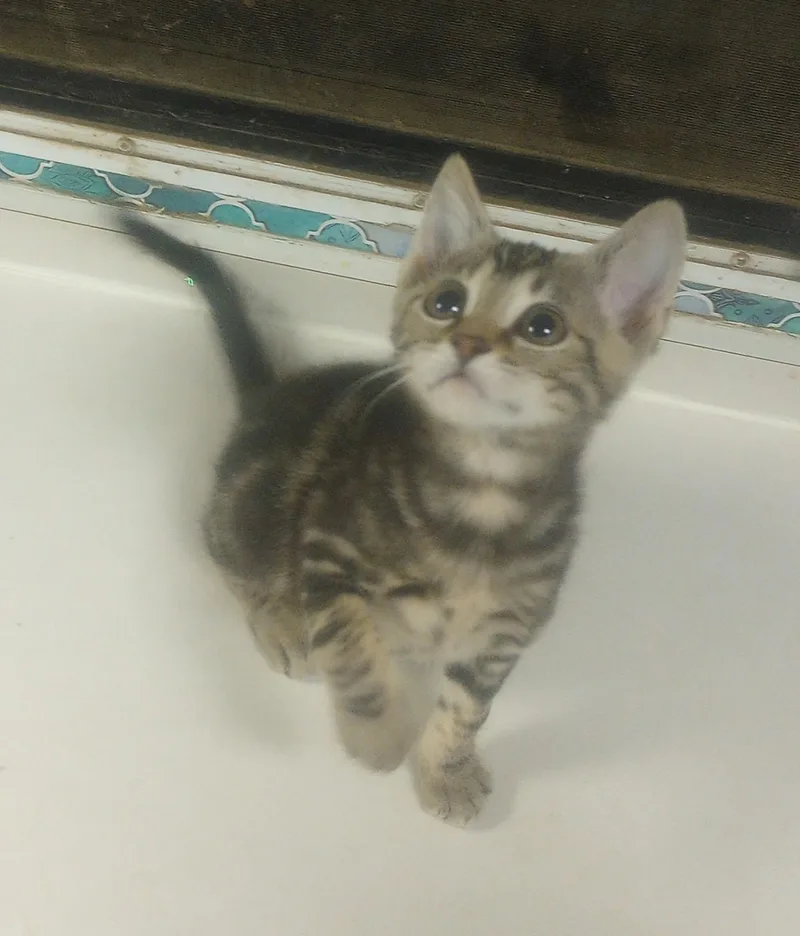
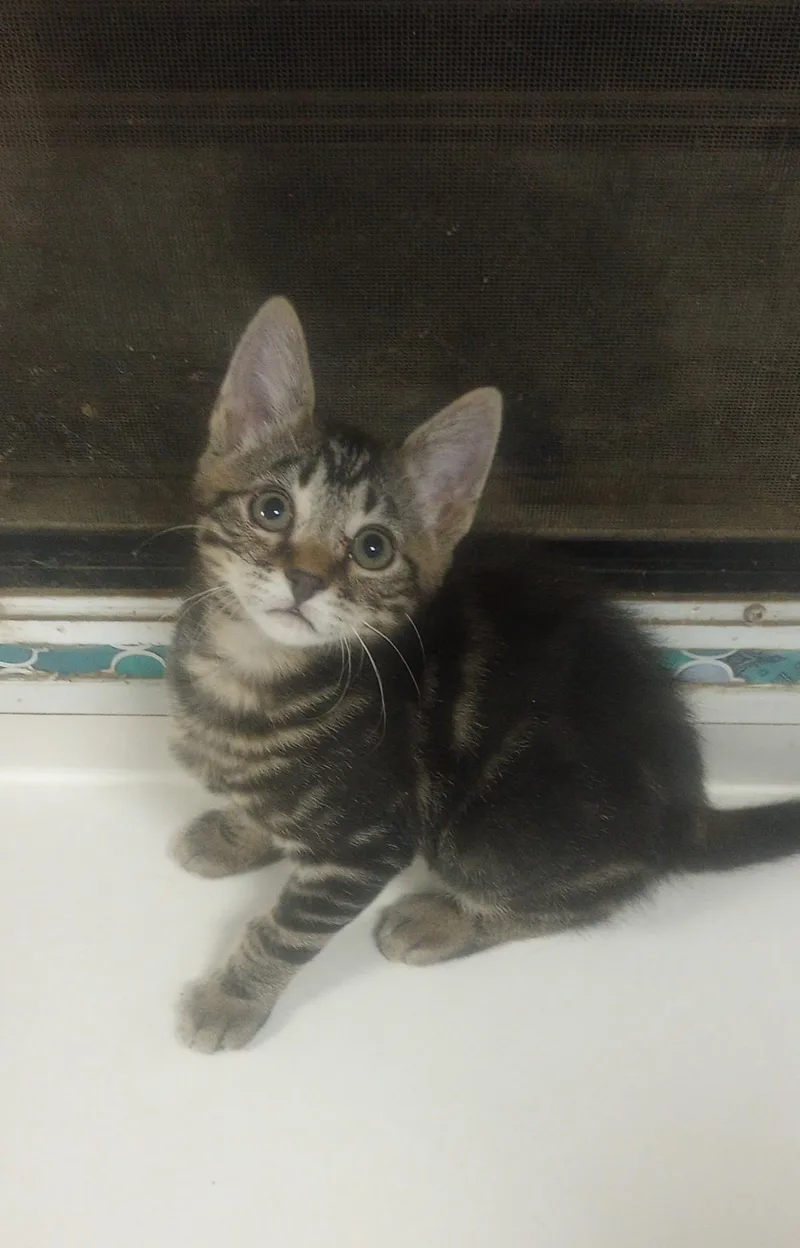
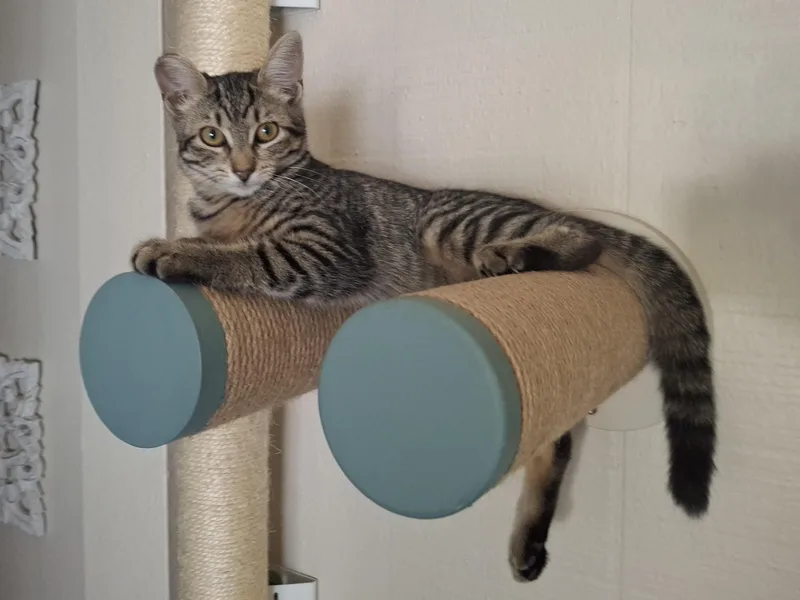
Bengals Available for Adoption Near New York

About the Bengal breed

The Bengal is a medium, muscular cat with a short, soft coat that's spotted, rosetted or marbled, and in many cats a shimmer at the hair tips. The breed started in California in the 1960s with crosses between domestic cats and Asian leopard cats. Pet Bengals today are many generations removed from that ancestor and are fully domestic. Most weigh 8 to 15 pounds and live 10 to 15 years.

Their reputation is built on brains and energy. Many Bengals fetch, learn tricks, walk on a harness and play in running water, and they often stay kittenish well into adulthood. That's a joy for someone who wants an interactive cat and a poor match for anyone hoping for a quiet lap cat. In a city apartment, daily play and climbing space matter more than floor area.


Weight
8–15 lbs
Height
9–11 in
Lifespan
10–15 yrs
Temperament
Energetic, Curious, Intelligent
Shedding
Low to Moderate

Owning a Bengal in New York

Having a Bengal in NYC

Bengals are athletic, curious and quick to learn, which makes them lively company in a small apartment. The trade-off is that they need daily play, climbing room and attention, and they carry a few inherited health risks worth knowing about before you adopt.

Temperament

Bengals tend to be confident and talkative, following their people from room to room and joining in whatever you're doing. In a busy NYC building, that can mean a cat who tracks every hallway sound. Some Bengals are cuddlier, others more independent, and a few are bossy with other pets, so each cat's personality is worth watching.

Exercise Needs

Plan on several active play sessions a day: wand toys, fetch and chase games, plus a tall cat tree or wall shelves to climb. Food puzzles and clicker training keep a clever mind busy. Some Bengals enjoy harness outings, but start indoors and keep any sidewalk trips short, calm and away from busy crowds.

Health Considerations

Bengals can be affected by hypertrophic cardiomyopathy, a heart condition, along with an inherited form of progressive retinal atrophy and pyruvate kinase deficiency, a type of anemia. Genetic tests exist for some of these. A veterinarian can advise on heart screening and testing at the first checkup. New York State requires rabies vaccination for cats.

Living Space

Bengals do fine in studios and one-bedrooms when they have vertical territory and daily interaction. A cat tree by a window, wall shelves and a few hiding spots count for more than square footage. Keep windows screened or closed, since a Bengal will test every opening and high floors raise the stakes.

What it costs to own a Bengal in New York

ExpenseTypical costPer year
Adoption fee$300, one time$300 in year one
Food$25 to $50 per month$300 to $600
Pet insurance$30 to $60 per month$360 to $720
Routine vet care$150 to $350 per year$150 to $350
Other*$500 to $1,350 per year$500 to $1,350
Estimated yearly total (after year one)$1,310 to $3,020
First-year total (with adoption fee)$1,610 to $3,320

Adoption fee is the fee on Bengal listings in New York on GetBuddy today. Other costs are estimates and vary with size, age and health.

* Litter, flea prevention, a dental cleaning allowance, toys and bedding, light brushing, and extra climbing and puzzle enrichment for a very active cat.

Adopt a Bengal in New York.

Now that you know more, let’s find you a new best friend. These rescues and shelters below currently have Bengals available.

Rescues in New York with Bengals Available

New York has a deep network of shelters and rescues, and the ones listed below have cats waiting for homes. Here are the rescues & shelters in the NYC area where you can find Bengals and other cats available for adoption.

Frequently Asked Questions

Yes, you can adopt a Bengal in New York. The city licenses dogs but not cats, so there's no cat license to buy, though state law requires rabies vaccination. If you rent, a no-pet clause is waived when your landlord knows about the cat and doesn't act within three months. Co-op and condo boards may have their own rules.

Yes, a Bengal can live happily in an NYC apartment if you give it things to do. Floor space matters less than climbing room, daily play and puzzle feeders. Expect some noise and mischief, such as cabinet raids and early-morning demands, so think about your neighbors and your schedule before you adopt.

Yes, but only in a bag or container. On the subway and buses, a cat must be enclosed and carried so it doesn't bother other riders. A Bengal can weigh up to 15 pounds, so choose a sturdy, roomy carrier. The Long Island Rail Road requires a container that fits on your lap, and NYC Ferry requires a fully enclosed carrier.

Yes, because Bengals live indoors and NYC apartments are heated. Winters here are cold, with about 67 freezing nights a year in Central Park, so the real challenge is keeping an energetic cat busy. Add extra play sessions, a window perch and puzzle toys, and wipe paws after any outing on salted sidewalks.

A Bengal can fit NYC life well if you're home often, enjoy interactive play and can live with a vocal, curious cat. It's a harder match if you work long days away or want a quiet pet. Plan for a cat tree, secure window screens and daily play, and consider a second playful cat for company.

Very little. A Bengal's short coat usually needs only a weekly brushing, plus occasional nail trims and dental care. Shedding is low to moderate. After walks outside in winter, wipe paws to remove de-icing salt. Light brushing supplies are part of the $500 to $1,350 yearly Other costs, so you don't need a professional groomer.

A Bengal is a domestic cat breed developed from crosses between house cats and the small Asian leopard cat, then bred for generations with domestic cats. Bengals have short, sleek coats with spots, rosettes or marbling, muscular builds and lively, curious personalities. Pet Bengals are domestic cats, though their energy and intelligence often feel a little wilder.

Bengal kittens look like tiny spotted or marbled wild cats, with large eyes, rounded ears and bold markings visible from birth. Many go through a fuzzy stage at a few weeks old, when longer guard hairs make the pattern look muddy or faded. The coat usually clears and sharpens over the first several months as the kitten matures.

We have 1 rescue with Bengals available: Miracles for Satos Rescue. You can see every rescue with Bengals available in the list above these questions, or scroll to the top to see the Bengals near New York.

A Bengal typically costs about $25 to $50 a month for food, $30 to $60 for insurance, $150 to $350 a year for routine vet care and $500 to $1,350 a year for other expenses, including litter. That adds up to roughly $1,300 to $3,000 a year, not counting emergencies or the adoption fee.