Domestic Short Hair Cats for Adoption in Bronx, NY

Your guide to finding and caring for a Domestic Short Hair in Bronx

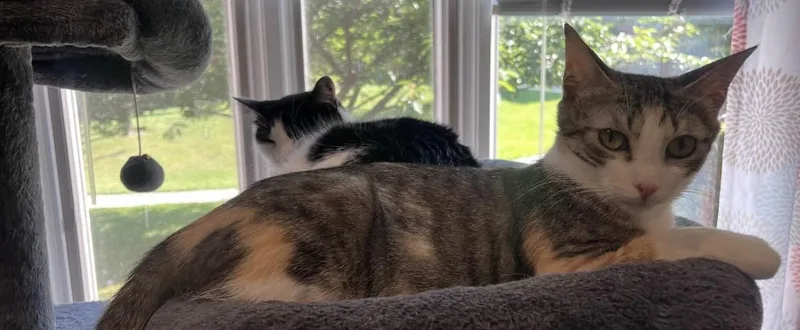
A Domestic Short Hair suits Bronx apartment life well, whether it's a Grand Concourse Art Deco walk-up or a Co-op City high-rise. These short-coated cats come in every color and personality, and most settle in happily with a window perch, a scratching post and a few play sessions a day. In a Parkchester tower, a sunny sill over the courtyard walkways can be a cat's favorite channel. They're also the most common cats in American homes, so you'll see a huge range of ages and temperaments.

42 Domestic Short Hairs available for adoption in Bronx

Find your Domestic Short Hair

Domestic Short Hairs Available for Adoption in Bronx

About the Domestic Short Hair breed

Domestic Short Hair is a coat type, not a breed: these are short-coated cats of mixed or unknown ancestry, and they're the most common cats in American homes. You'll see every color and pattern, from tabby and tuxedo to calico and solid black, usually medium-sized at roughly 6 to 14 pounds.

Personality is a grab bag. Some DSH cats are lap-sitters, some are talkers, and some prefer to watch the street from a windowsill, which suits a Bronx apartment well. Their coats need only light brushing, and healthy indoor cats often live well into their teens. Because ancestry says little about behavior, a cat's age, energy and comfort with handling are the best guide to a good match.

Weight
6–14 lbs
Height
8–10 in
Lifespan
12–18 yrs
Temperament
Adaptable, Curious, Affectionate
Shedding
Moderate

Owning a Domestic Short Hair in Bronx

Having a Domestic Short Hair in Bronx

A short coat and a wide genetic mix are about all domestic shorthairs have in common. Energy, sociability and needs shift with age and from cat to cat, so judge each cat by how it behaves, not its label. In the Bronx, that mostly means indoor enrichment and secure windows.

Temperament

Domestic shorthairs run from outgoing lap cats to shy observers, and most are adaptable once they feel safe. In a busy Bronx building, a cat that tolerates hallway noise, buzzers and neighbors will do best, though that varies by cat. Kittens tend to be bold, while adults show settled personalities you can read in person.

Exercise Needs

Plan on daily interactive play, since Bronx cats get most of their exercise indoors. Wand toys, chase games and food puzzles burn energy in a small apartment, and young cats may want several short bursts a day. Cat trees, shelves and a window perch over the street add climbing and bird-watching between sessions.

Health Considerations

Common concerns in domestic shorthairs include obesity, dental disease and urinary problems, with kidney disease, hyperthyroidism and diabetes more likely in seniors. Mixed ancestry lowers some inherited risks but not these. New York requires rabies vaccination for cats, and a veterinarian can check weight, teeth and overall condition at a first exam after adoption.

Living Space

Domestic shorthairs adapt well to the Bronx's mix of walk-ups, elevator buildings and one- and two-family homes. Climbing room, scratching posts, hiding spots and a clean litter box matter more than square footage. Keep cats indoors, and fit screens on every window and balcony door to prevent falls from upper floors.

What it costs to own a Domestic Short Hair in Bronx

ExpenseTypical costPer year
Adoption fee$150, one time$150 in year one
Food$25 to $50 per month$300 to $600
Pet insurance$20 to $45 per month$240 to $540
Routine vet care$150 to $350 per year$150 to $350
Other*$450 to $1,150 per year$450 to $1,150
Estimated yearly total (after year one)$1,140 to $2,640
First-year total (with adoption fee)$1,290 to $2,790

Adoption fee is the fee on Domestic Short Hair listings in Bronx on GetBuddy today. Other costs are estimates and vary with size, age and health.

* Litter, flea prevention, a dental cleaning allowance, toys, scratchers and other supplies, and minimal home grooming; costs vary with the cat's size and coat.

Adopt a Domestic Short Hair in Bronx.

Now that you know more, let’s find you a new best friend. These rescues and shelters below currently have Domestic Short Hairs available.

Rescues in Bronx with Domestic Short Hairs Available

Bronx cats find homes through volunteer rescues and city shelters, with a full-service city shelter being built in Co-op City. Here are the rescues & shelters in the Bronx area where you can find Domestic Short Hairs and other cats available for adoption.

Frequently Asked Questions

Yes, Domestic Short Hairs usually do well in Bronx apartments, from Grand Concourse walk-ups to high-rise towers. What matters is enrichment: a window perch, a tall scratching post, hiding spots and daily play. Keep the litter box away from food and noisy appliances, and fit sturdy screens on every window. Personalities vary, so look for a cat whose energy matches your schedule.

Often, yes, because these cats tend to be adaptable and a short coat is easy to keep up. A Domestic Short Hair isn't one type, though, so match the cat's age and temperament to your home: a mellow adult for a quiet apartment, a playful young cat if you can play daily. Browse the cats listed on this page to compare ages.

Yes, as long as the cat stays inside a bag or carrier. MTA rules require pets on the subway and buses to be in a container and carried so they don't bother other riders. Metro-North allows pets in a carrier or on a secure leash, and NYC Ferry accepts cats in a lap-size carrier. Choose a sturdy, ventilated carrier and keep it closed.

Yes, indoor Domestic Short Hairs handle Bronx summers when the home stays cool. Run a fan or air conditioner, especially on top floors, and put fresh water in several spots. Heavy panting, drooling or weakness needs a vet quickly. The city also runs pet-friendly cooling centers during heat waves; call 311 to find one.

Very little. A quick brush once or twice a week handles most Domestic Short Hairs, with extra sessions during spring and fall shedding. Dry indoor heat in winter can leave coats flaky, and overweight or older cats may need help reaching some spots. Professional grooming is rarely necessary, so the small home-grooming allowance in the Other cost line usually covers it.

Domestic shorthair cats typically live about 12 to 18 years, and many indoor cats reach their late teens or early twenties. Large UK veterinary studies have found mixed-breed cats tend to live slightly longer than pedigreed cats on average. Spaying or neutering, indoor living, a healthy weight, dental care and regular checkups all help a cat enjoy a longer life.

No, domestic shorthair cats are not hypoallergenic. The main cat allergen, a protein called Fel d 1, comes from saliva and skin glands, so short fur does not prevent reactions. Allergen levels vary between individual cats, and some people react less to certain cats. Spending time with a specific cat before adopting is the best way to test your response.

A domestic shorthair cat is a short-coated cat of mixed or unknown ancestry rather than a member of a pedigreed breed. It is the most common type of cat in the United States and in shelters. Domestic shorthairs come in every color and pattern, and their size and personality vary widely depending on their varied genetic background.

We have 4 rescues with Domestic Short Hairs available, including NYC Bronx Westchester Cat Coalition / NYC Cat Coalition, Lucky Cat Rescue NYC and Adore-a-Bullie Paws and Claws. You can see every rescue with Domestic Short Hairs available in the list above these questions, or scroll to the top to see the Domestic Short Hairs in Bronx.

Expect roughly $1,140 to $2,640 a year in total for a Domestic Short Hair. Food runs $25 to $50 a month and insurance $20 to $45 a month. Routine vet care is $150 to $350 a year, and other costs such as litter, flea prevention and dental care add $450 to $1,150. Cats need no city license.