Torbie Cats for Adoption in Las Vegas, NV

Your guide to finding and caring for a Torbie in Vegas

Torbie cats do well in Las Vegas as indoor companions, with a sunny window and a cool tile floor to stretch out on. The coat blends tortoiseshell patches with tabby stripes, and cats wearing it range from shy to bossy. A loft in the Arts District or a condo in The Lakes gives a curious cat plenty to watch from a perch. Most torbies are domestic shorthairs or longhairs of medium size, so a modest apartment works as long as there's daily play.

328 Torbies available in Las Vegas and nationwide

Fall for a Torbie

While we don't have enough cats near Las Vegas, keep in mind that many rescues may offer transport.

Torbies Available for Adoption Near Las Vegas

About the Torbie breed

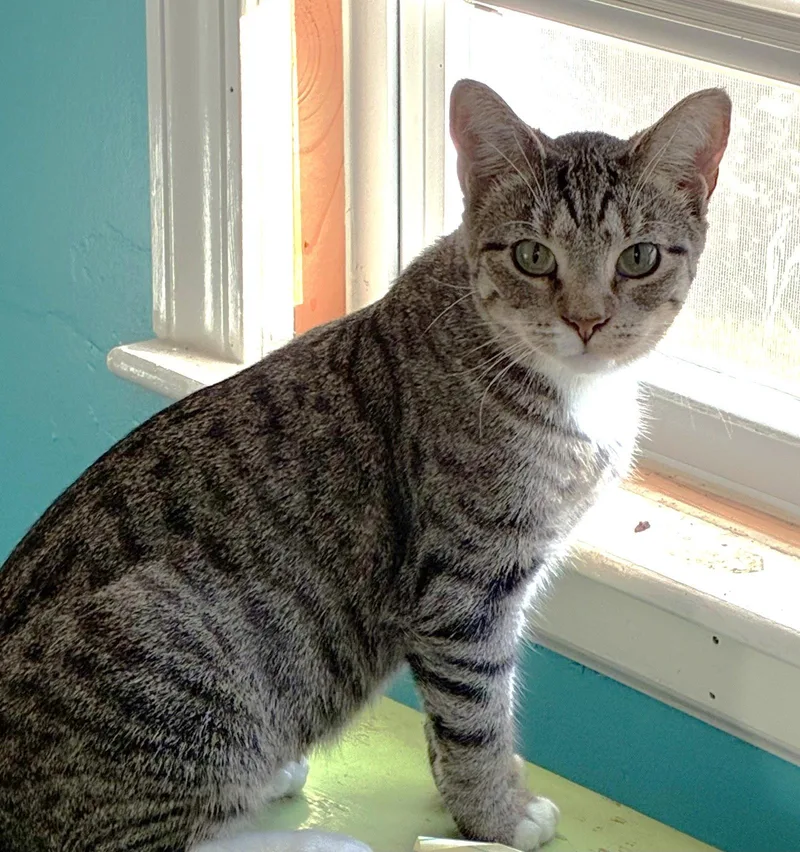
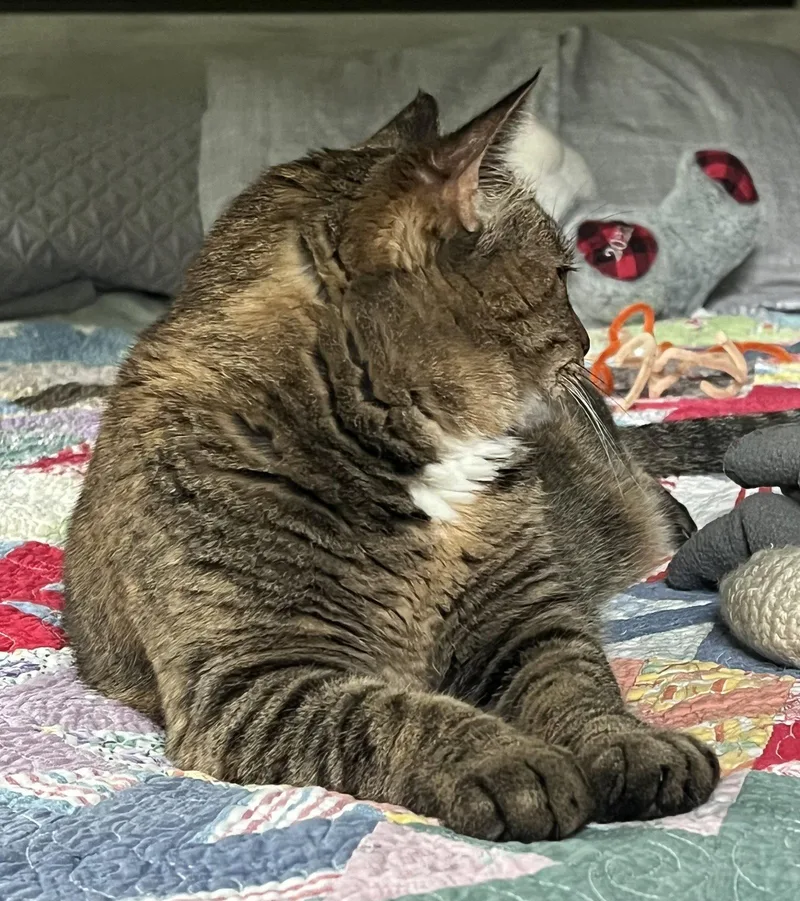
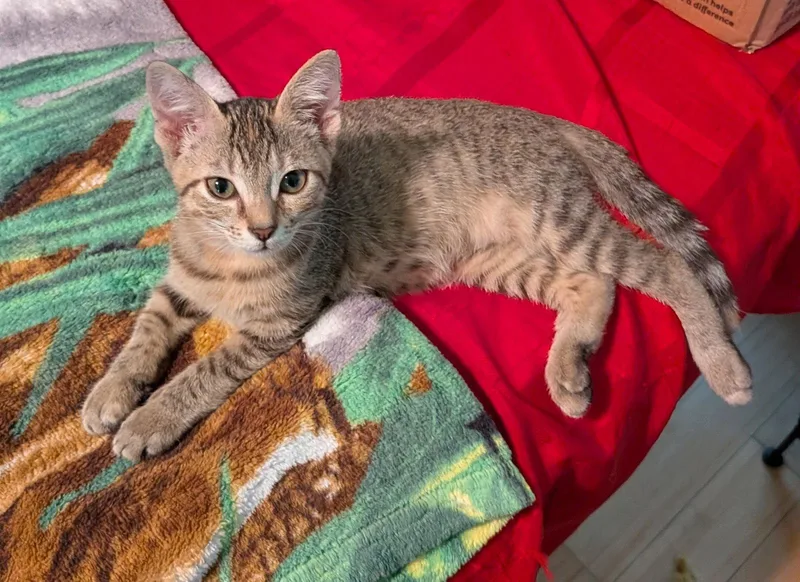
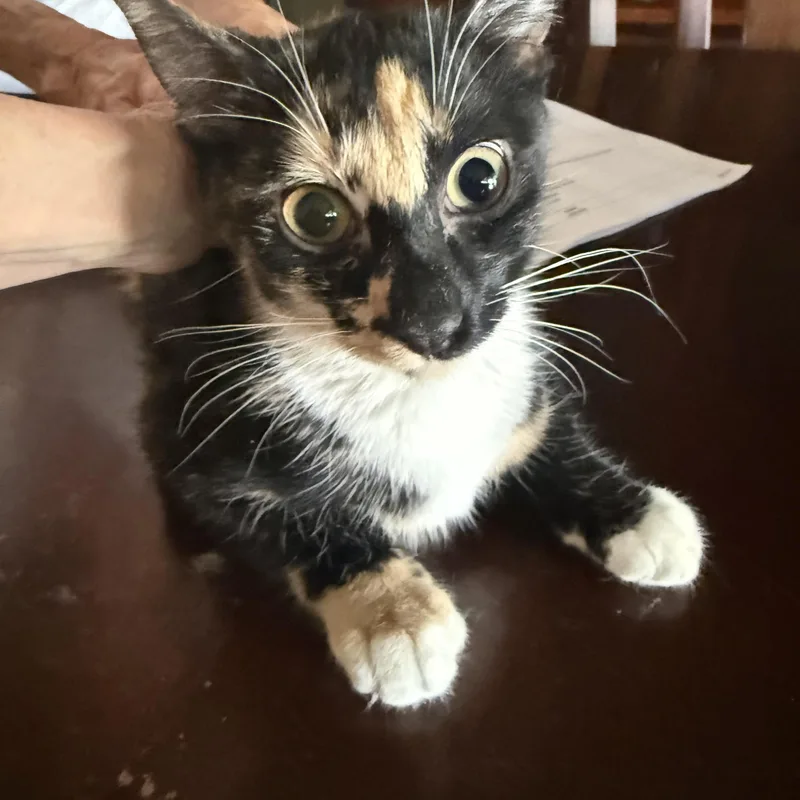
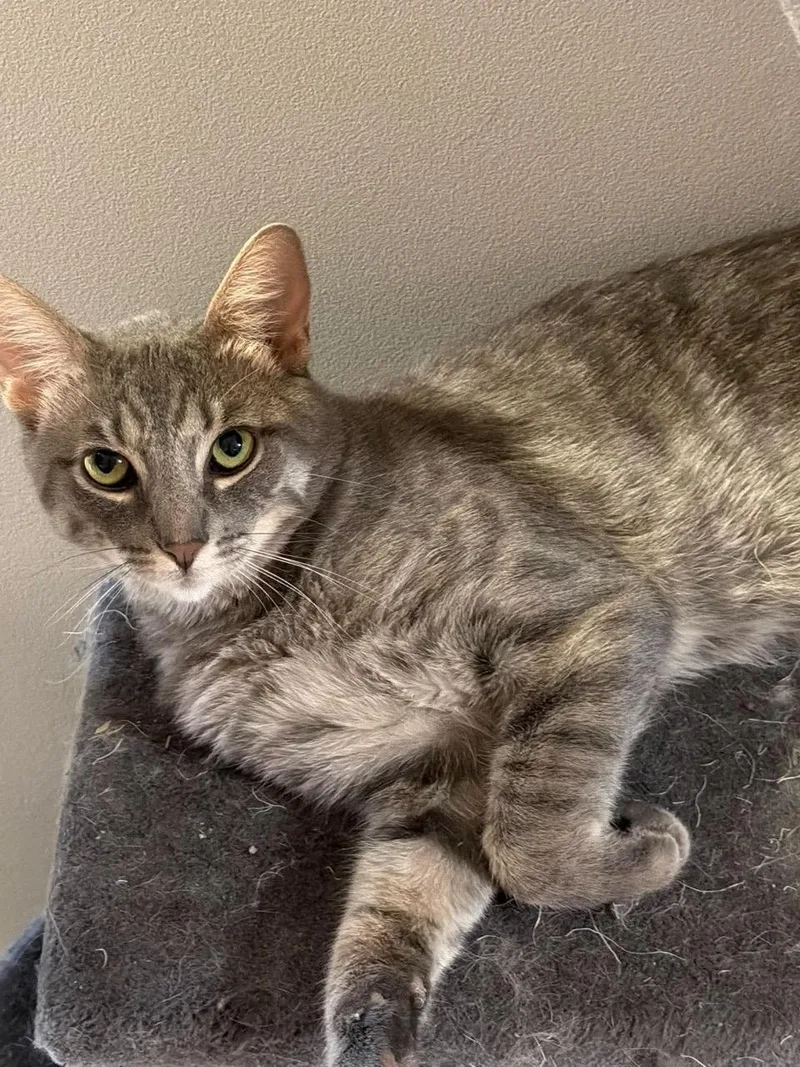
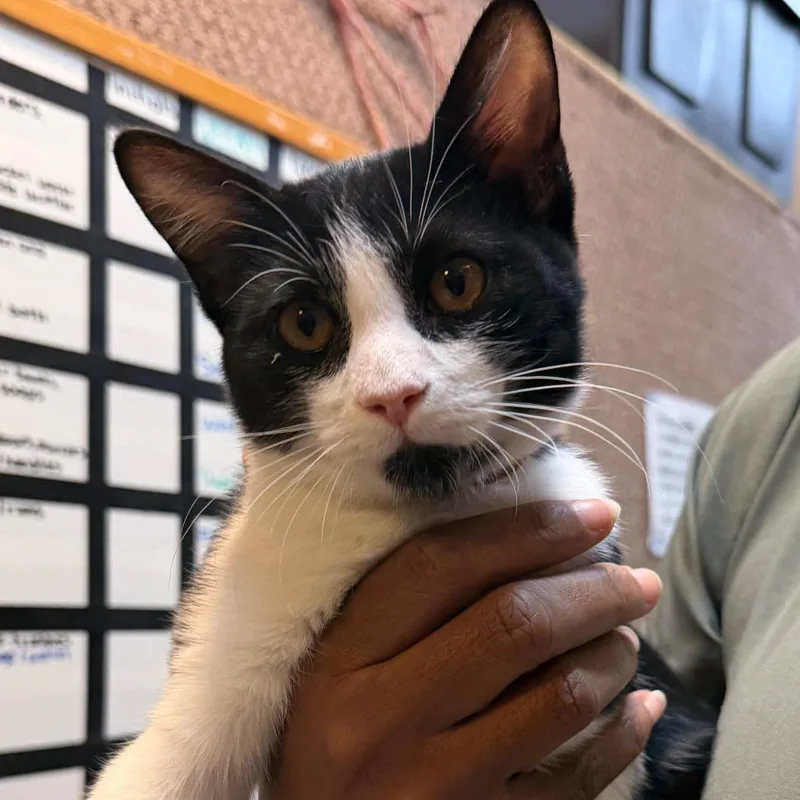
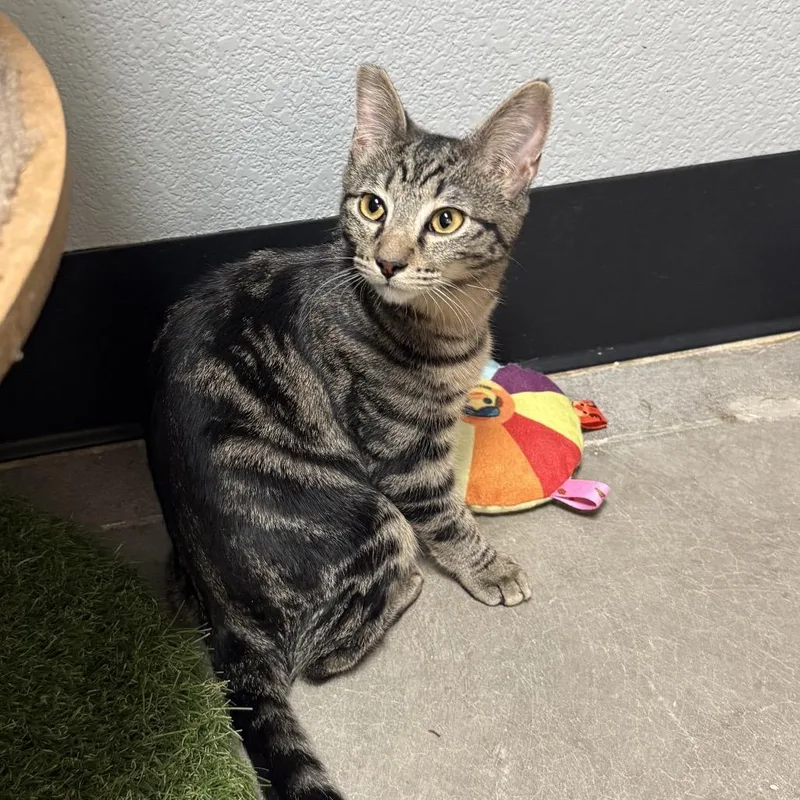
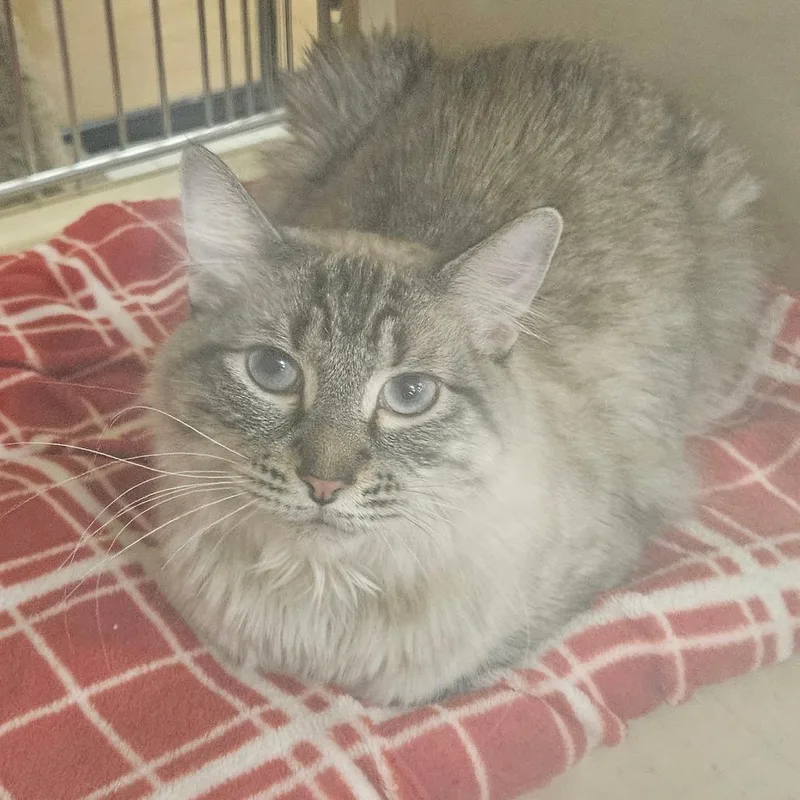
Torbie describes a coat, not a breed. The name blends tortoiseshell and tabby, so a torbie carries patches of black-based and orange-based color with tabby stripes, swirls or spots running through them. Brown, dilute blue-and-cream and silver versions all exist, and nearly all torbies are female. Most are domestic shorthairs or longhairs, weighing roughly 6 to 14 pounds and often living 12 to 18 years.

Because coat color doesn't predict personality, each cat needs to be met on her own terms. Some are playful and chatty, others quiet and cautious. In Las Vegas, where triple-digit days stretch across much of the year, a torbie's life is mostly indoors, with scratching posts, window perches and daily wand-toy play. Moderate shedding means a weekly brush keeps fur off the couch.

Weight
6–14 lbs
Height
8–10 in
Lifespan
12–18 yrs
Temperament
Playful, Affectionate, Curious
Shedding
Moderate

Owning a Torbie in Las Vegas

Having a Torbie in Vegas

Torbie is a coat pattern, so these cards describe domestic cats in general. In Las Vegas, the practical questions are keeping a cat cool, entertained and safe indoors, and choosing a cat whose energy and personality match your household.

Temperament

Torbies are often called spirited, affectionate and curious, though that comes from owner impressions rather than research. Shelter torbies can be shy, outgoing or somewhere in between. In a Las Vegas apartment, a cat that enjoys routine and gets daily play usually settles in well. Notice how a cat reacts to handling and new sounds.

Exercise Needs

Plan on daily interactive play: wand toys, chase games, puzzle feeders and a tall cat tree. Since Las Vegas summers keep cats indoors, vertical space and two or three short play sessions matter more than yard time. Kittens and young adults need more activity, while seniors usually prefer gentler sessions.

Health Considerations

A torbie's health depends on age, ancestry and care, not coat color. Nevada requires rabies vaccination for cats, and routine exams, dental care and a healthy weight matter just as much. In the dry desert air, put fresh water in several spots. A veterinarian can check teeth, weight and heart at the first visit.

Living Space

Torbies adapt to Las Vegas houses, condos and apartments alike, as long as there's a perch, a scratching post and a hiding spot. Indoor living suits the desert, keeping cats away from heat and coyotes. Shy cats like quiet rooms, while social ones handle busy households. Shade sunny windows in summer so perches don't overheat.

What it costs to own a Torbie in Las Vegas

ExpenseTypical costPer year
Food$25 to $50 per month$300 to $600
Pet insurance$20 to $45 per month$240 to $540
Routine vet care$150 to $350 per year$150 to $350
Other*$460 to $1,160 per year$460 to $1,160
Estimated yearly total (after year one)$1,150 to $2,650

Other costs are estimates and vary with size, age and health.

* The $10 Las Vegas cat license for a spayed or neutered cat, litter, flea prevention, a dental cleaning allowance, toys and supplies, and light home grooming.

Adopt a Torbie in Las Vegas.

Now that you know more, let’s find you a new best friend. These rescues and shelters below have cats available in and near Las Vegas.

Frequently Asked Questions

Yes, you can get a torbie in Las Vegas, and no city rule limits cats by coat color. The main requirements are a city license and microchip for cats over four months. A household can keep up to six cats over four months without a permit, so a single torbie fits easily.

Yes, torbies adapt well to apartments, since a cat's space needs come from temperament rather than coat. Las Vegas has plenty of rentals, from downtown lofts to Summerlin apartments, even though most homes are detached houses. Give a cat a window perch, a tall tree and daily play, and keep the AC steady in summer.

Yes, as indoor cats. Las Vegas summers regularly top 100°F, so a torbie needs air conditioning, several water bowls and shaded windows. Keep a cat inside during the day, never leave one in a parked car, and skip hot patios and pavement. Thick or long coats may need extra brushing to stay comfortable.

A torbie fits Vegas life well if you can offer an indoor home, daily play and a cool space. Cats with this coat range from shy to outgoing, so match the cat's energy to your routine: busy households suit confident cats, quieter apartments suit shy ones. Puzzle feeders and a window perch help on long workdays.

Most torbies need a weekly brushing, more often for longhaired cats and during heavier shedding, plus a nail trim every few weeks. Most owners groom at home, which adds little to the yearly Other costs of about $460 to $1,160 that also cover litter, parasite prevention and dental care.

Yes, in a covered, secured carrier. RTC buses allow non-service animals only when there's open space, and full adult fare applies if the pet needs a seat. Service animals ride free. Las Vegas has no subway or light rail, so a carrier on the bus is the transit option for a torbie.

No, cats aren't allowed. Southern Nevada health rules let restaurants host only dogs, and only on outdoor patios reachable without passing through the dining room. Other pets are prohibited on patios, and all pets are prohibited indoors, with the usual exception of service animals. A torbie is happier at home, so plan restaurant outings without her.

A torbie cat is a cat whose coat combines tortoiseshell and tabby patterns, with patches of black-based and orange-based color plus tabby stripes, swirls or spots. It is a coat pattern, not a breed, and appears mostly in domestic shorthairs and longhairs. Torbies are also called tortie-tabbies or patched tabbies, and nearly all are female.

No, torbie cats are not especially rare. The pattern appears whenever a tortoiseshell cat also inherits tabby markings, which is common, and shelters regularly have torbies available. Male torbies are a different story: like other male tortoiseshells, they are very rare. Some variations, such as silver or dilute torbies, are seen less often but are still not unusual.

Expect roughly $1,150 to $2,650 a year for a torbie in Las Vegas. Food runs $25 to $50 a month and pet insurance $20 to $45 a month. Routine vet care is about $150 to $350 a year, and other costs such as litter, parasite prevention, dental care and the city license add $460 to $1,160.