Burmilla Cats for Adoption in Albuquerque, NM

Your guide to finding and caring for a Burmilla in Albuquerque

A Burmilla suits Albuquerque's lofts and bungalows well, since it's happy indoors and doesn't need a yard. In a Casa District loft downtown or a Victorian in Huning Highlands, a window perch and a tall cat tree go a long way. Burmillas are playful but mellow, and many cope fine with a workday alone. Coyotes can see cats as prey after dark, so an indoor cat is the safer bet here. Expect a quiet roommate who still loves a game of chase.

612 cats similar to Burmilla available in Albuquerque and nationwide

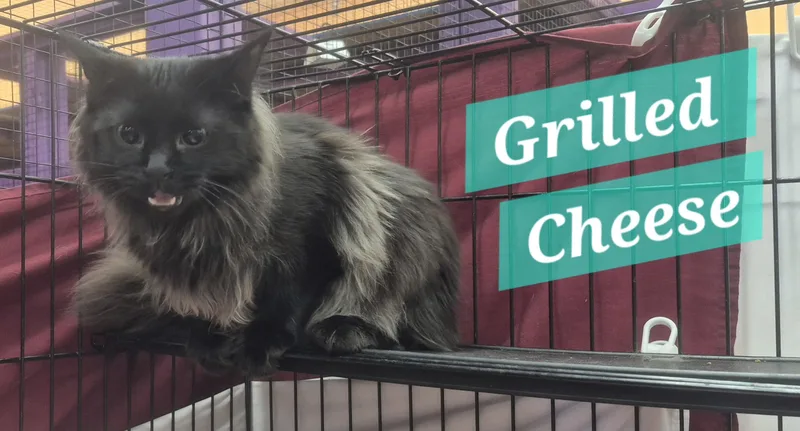
Meet your next Burmilla

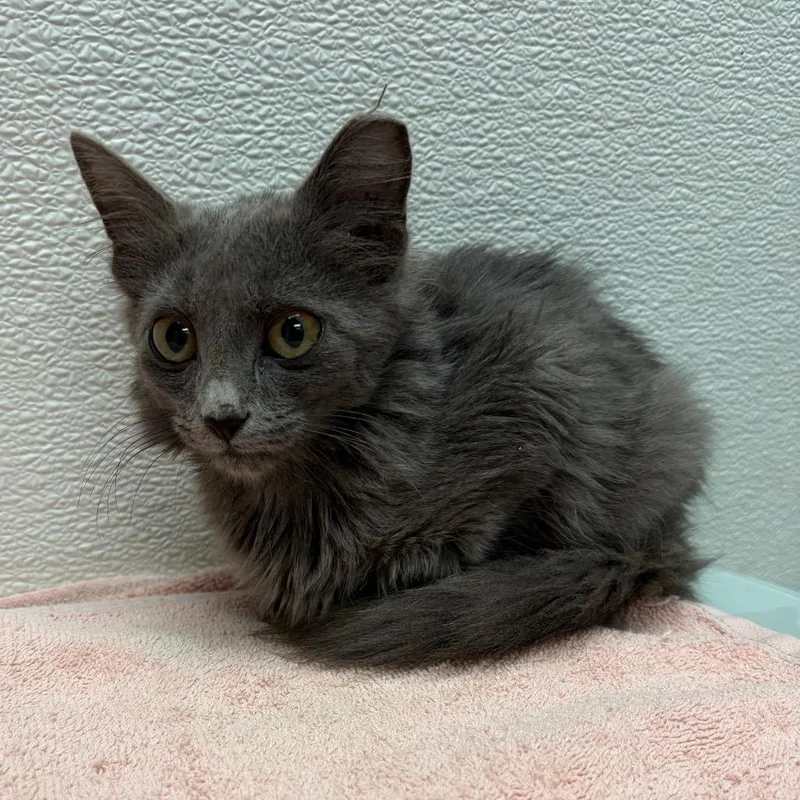
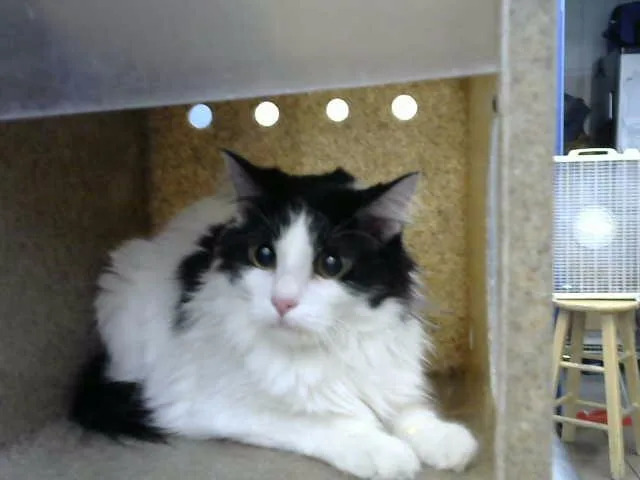
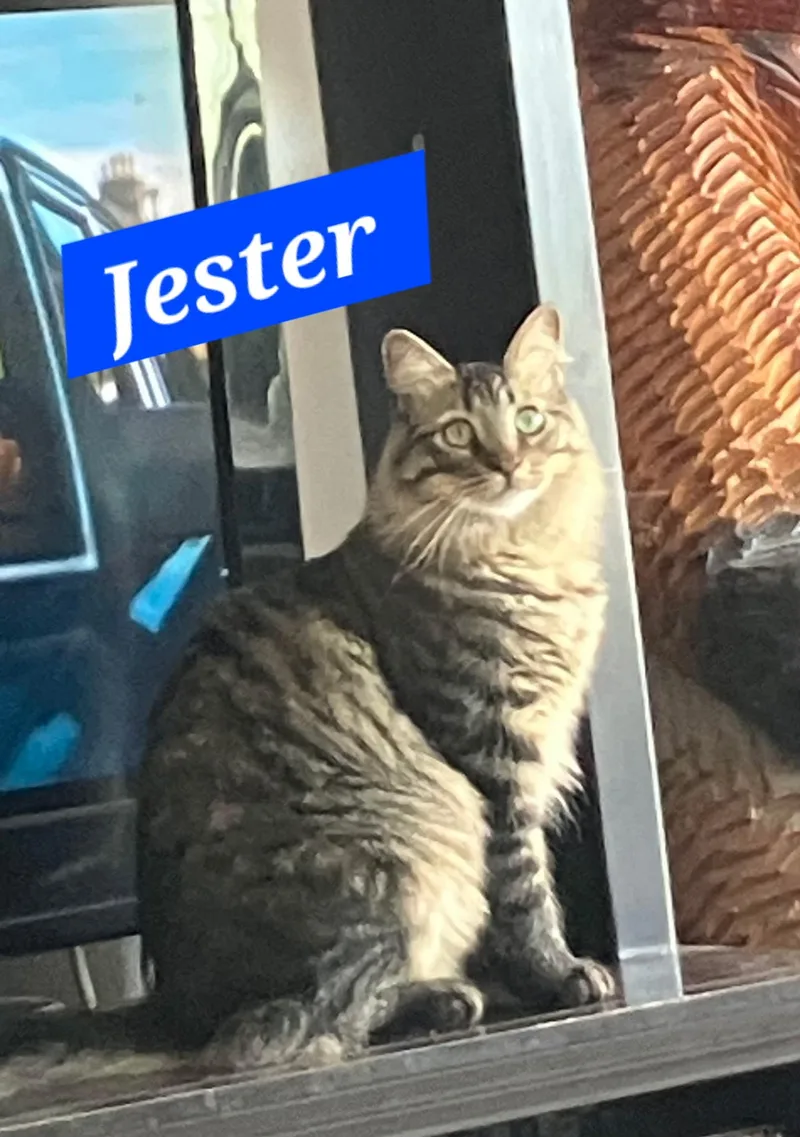
While we don't have enough cats near Albuquerque, keep in mind that many rescues may offer transport.

Burmillas and Similar Breeds Available for Adoption Near Albuquerque

About the Burmilla breed

The Burmilla began with an accidental mating in Britain in 1981, when a Chinchilla Persian male met a lilac Burmese female and produced four shaded silver kittens. The name blends Burmese and Chinchilla. Burmillas are medium-sized and muscular, usually 6 to 13 pounds, with green eyes outlined in dark color and a shimmering coat that is pale at the roots and tipped with color.

Many combine the Burmese's playful streak with the Persian's calm, staying kittenish into adulthood without being demanding. They're usually quiet, people-oriented and comfortable with other pets. The short and semi-long coats both need only weekly combing, and shedding is low to moderate. The breed is uncommon in North America, so a Burmilla may appear in the listings only occasionally.

Weight
6–13 lbs
Height
9–12 in
Lifespan
10–15 yrs
Temperament
Affectionate, Playful, Easygoing
Shedding
Low to Moderate

Owning a Burmilla in Albuquerque

Having a Burmilla in Albuquerque

Playful without being frantic and affectionate without being clingy, a Burmilla is a medium-sized cat with modest grooming needs. Here's what to know about energy, inherited health risks and home needs before adopting one in Albuquerque's dry, sunny high-desert setting.

Temperament

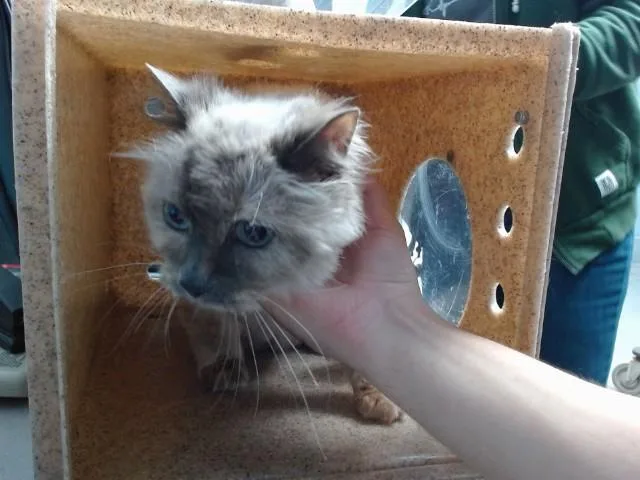
Burmillas are usually sweet, curious and sociable, greeting visitors and settling near their people without constant demands. They tend to be quiet, and many get along with respectful children, other cats and cat-friendly dogs after slow introductions. That helps in apartments and townhouses where neighbors are close. Each cat differs, so comfort with handling matters more than breed.
Exercise Needs

Expect short bursts of play followed by long naps. Wand toys, chase games and a tall cat tree cover the athletic side, and food puzzles keep a curious mind busy. Albuquerque's sunny days make a window perch with a view a favorite spot between games. Daily interactive play helps keep weight steady.

Health Considerations

Burmillas can inherit polycystic kidney disease and the Burmese head defect, and DNA tests exist for both, though not every cat develops problems. A veterinarian can advise on testing and check kidneys, teeth and weight at regular exams. Albuquerque's very dry air makes fresh water, and a few bowls or a fountain, worth the effort.

Living Space

A Burmilla fits Albuquerque's mix of lofts, bungalows, apartments and Westside houses when it has climbing spots, window perches and a quiet place to rest. Many handle a workday alone. Skip free roaming, since coyotes can treat cats as prey at night; a secure enclosure or harness is safer for outdoor time.

What it costs to own a Burmilla in Albuquerque

ExpenseTypical costPer year
Food$25 to $50 per month$300 to $600
Pet insurance$25 to $50 per month$300 to $600
Routine vet care$150 to $350 per year$150 to $350
Other*$450 to $1,150 per year$450 to $1,150
Estimated yearly total (after year one)$1,200 to $2,700

Other costs are estimates and vary with size, age and health.

* Litter, flea prevention, a dental cleaning allowance, toys, scratchers and cat trees, and combing supplies for a short or semi-long coat.

Adopt a Burmilla in Albuquerque.

Now that you know more, let’s find you a new best friend. These rescues and shelters below have cats available in and near Albuquerque.

Frequently Asked Questions

Yes, Albuquerque has no breed-specific rules, so a Burmilla is treated like any other cat. The city requires a microchip, a rabies vaccination for cats over three months old, and spay/neuter for cats over five months unless the owner holds a $150-a-year intact permit. There's no city pet license, and households can keep six pets, no more than four of them dogs.

Yes. A Burmilla is a medium, mostly quiet cat that does well in a one- or two-bedroom apartment with window perches, a tall cat tree and daily play. Loft and downtown buildings suit it if windows and balconies are screened. Pet terms vary by building, so confirm them in writing before you sign a lease.

Often, yes, for someone who wants a playful but mellow indoor cat. Sunny windows give a Burmilla plenty to watch, and many cope with a workday alone. Coyotes and summer heat favor keeping the cat inside. A cat that wants constant company or hates handling may need a different match, since every cat varies.

Mostly yes for an indoor Burmilla. Dry air, abundant sun and cool nights are easy on a medium cat with a short or semi-long coat. Keep the home comfortable on summer afternoons, leave fresh water out, and watch for heat through sunny windows, spring dust, and loud fireworks or balloon burners that can unsettle a cat.

Plan on combing a Burmilla about once a week, whether the coat is short or semi-long. Shedding is low to moderate. Windy spring afternoons can leave dust in the coat, so a quick wipe helps. Most owners groom at home, so a comb or brush fits within the yearly "other" costs of $450 to $1,150.

No. ABQ RIDE buses, including the ART line on Central Avenue, allow only service animals, not pet cats. The Rail Runner commuter train also bars pets. Plan vet visits and other trips by car, and use a secure carrier, since a Burmilla's curiosity can turn into a dash for the door.

No, Burmilla cats are not hypoallergenic. They shed like other cats, and the main cat allergen, a protein found in saliva and skin secretions, spreads onto the coat during grooming. There is no evidence that Burmillas produce less of it. People with allergies should spend extended time with the specific cat before adopting and discuss options with their doctor.

Burmilla cats typically live about 10 to 15 years, and many healthy indoor cats reach their mid-teens or beyond. Lifespan depends on genetics, weight, dental care and access to veterinary care. Inherited kidney disease from Persian ancestry can shorten life, so scheduling regular blood and urine tests as the cat ages is worthwhile.

A Burmilla is a medium-sized cat breed created in Britain from a cross between a Chinchilla Persian and a Burmese. It is known for a sparkling silver or golden coat tipped or shaded with color, green eyes rimmed in dark outlines, and a playful, gentle personality. Burmillas come in shorthaired and semi-longhaired varieties.

A Burmilla typically costs about $1,200 to $2,700 a year in Albuquerque. That covers food at $25 to $50 a month, insurance at $25 to $50 a month, routine vet care at $150 to $350 a year and other costs at $450 to $1,150 a year. The city charges no pet license fee.