Calico Cats for Adoption in Hamilton Township, NJ

Your guide to finding and caring for a Calico in Hamilton Township

A calico does well in most Hamilton Township homes, from an apartment near Sloan Avenue to a detached house in Hamilton Square. Calico is a coat pattern rather than a breed, so personality varies, and most are shorthairs that adapt easily. Because US 130, US 206 and I-295 cross the township, an indoor calico with a sunny window perch is safer than one roaming a Yardville or White Horse street. A tall cat tree by the front window is all the entertainment many of them ask for.

1491 Calicos available in Hamilton Township and nationwide

Bring home a Calico

While we don't have enough cats near Hamilton Township, keep in mind that many rescues may offer transport.

Calicos Available for Adoption Near Hamilton Township

About the Calico breed

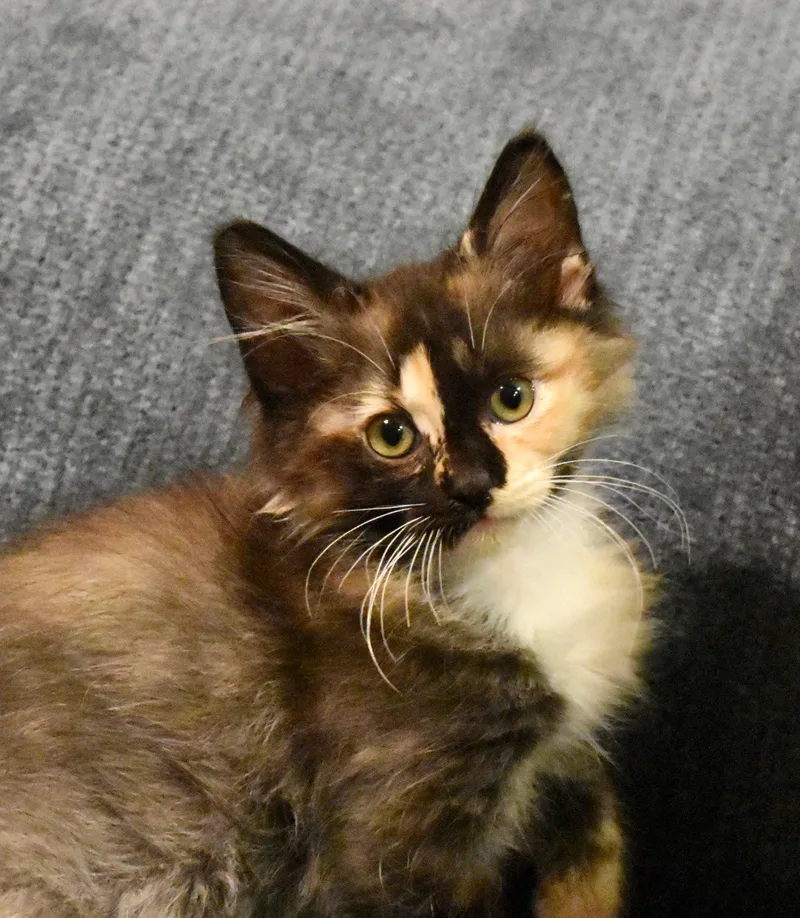
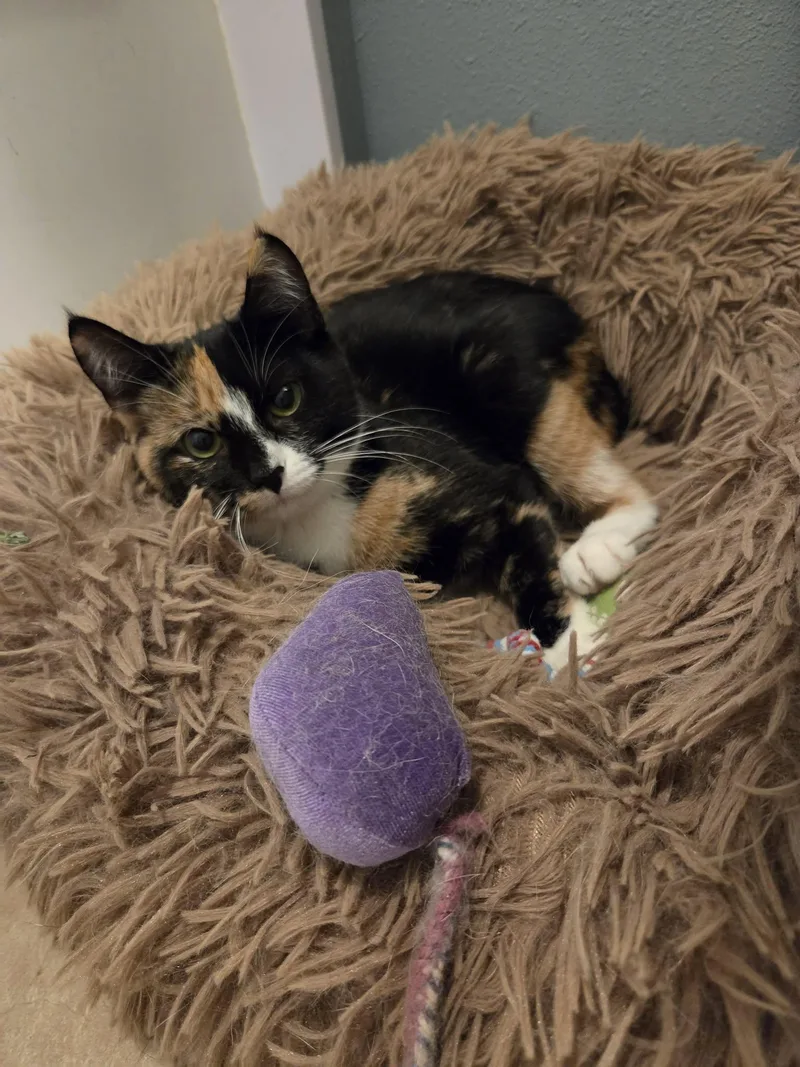
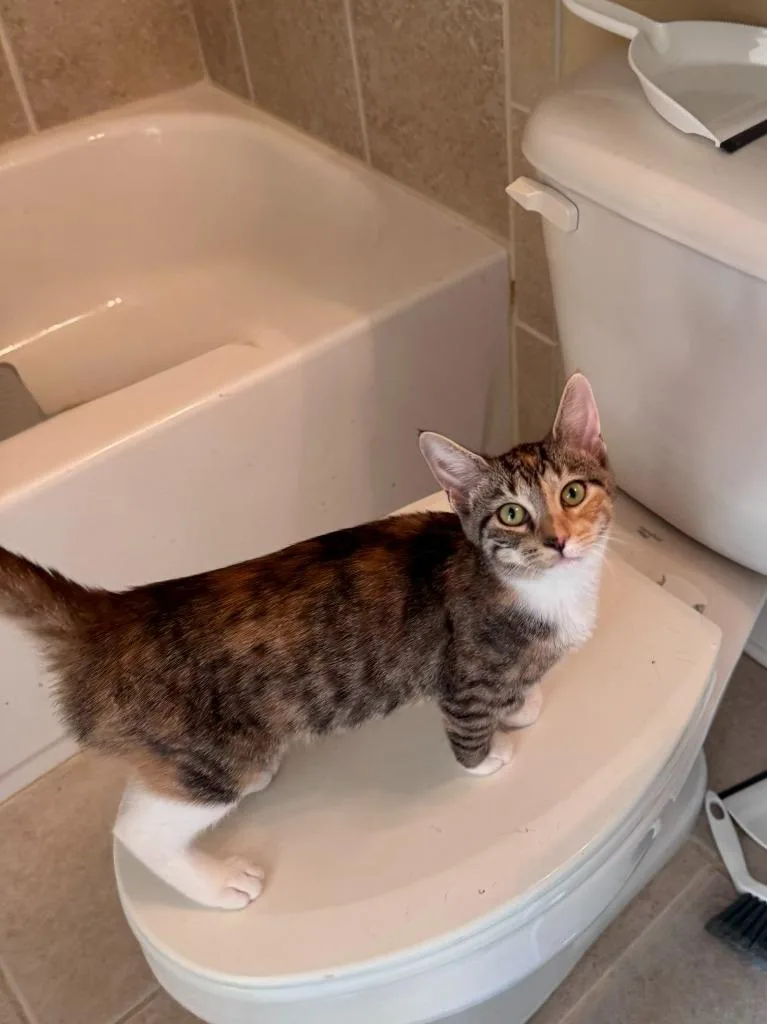
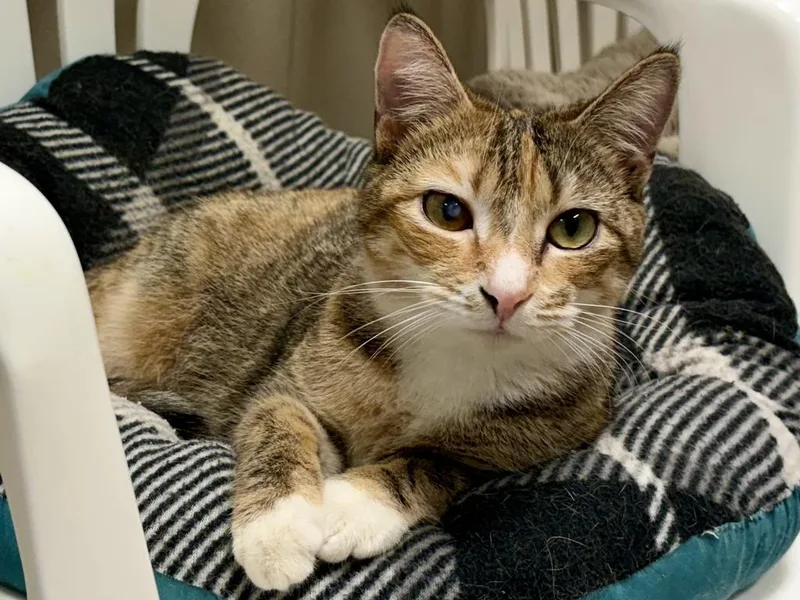
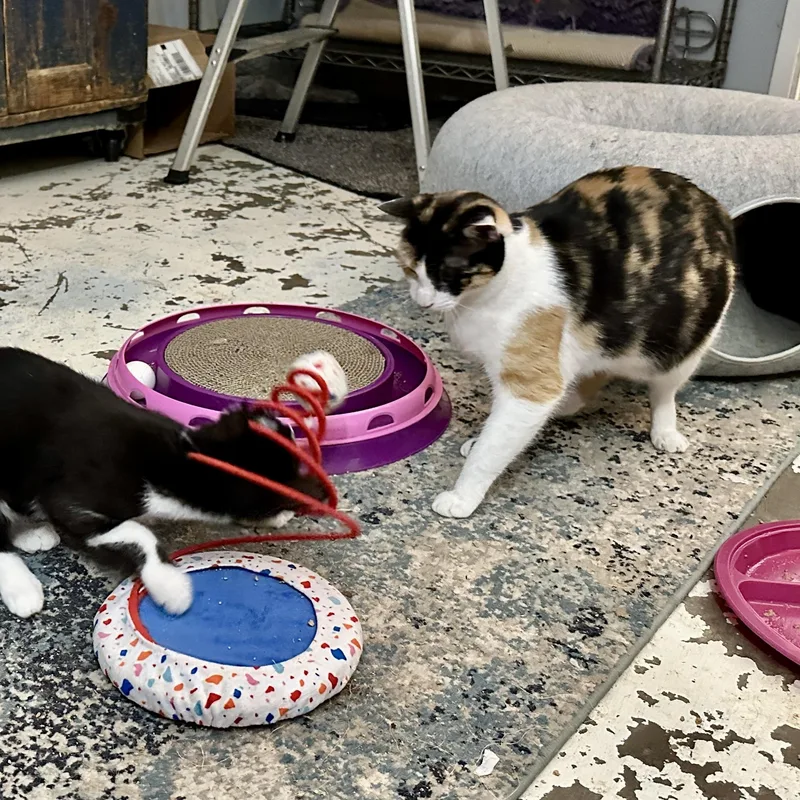
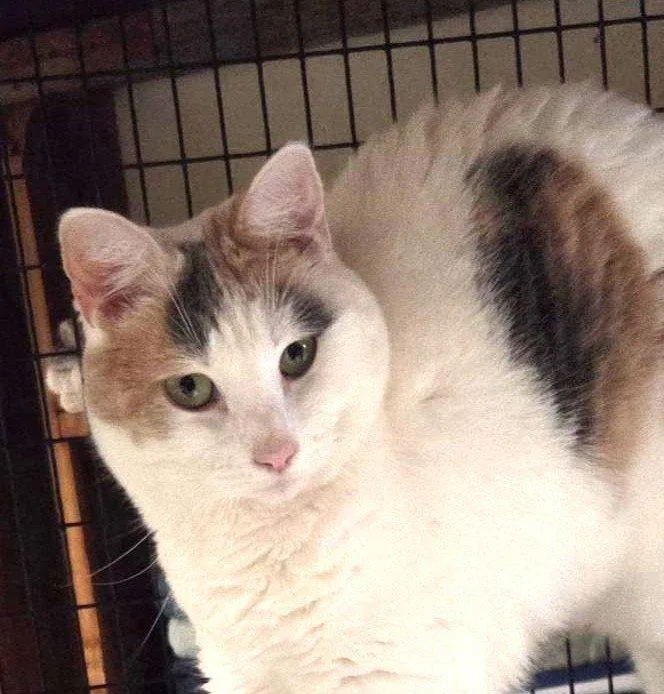
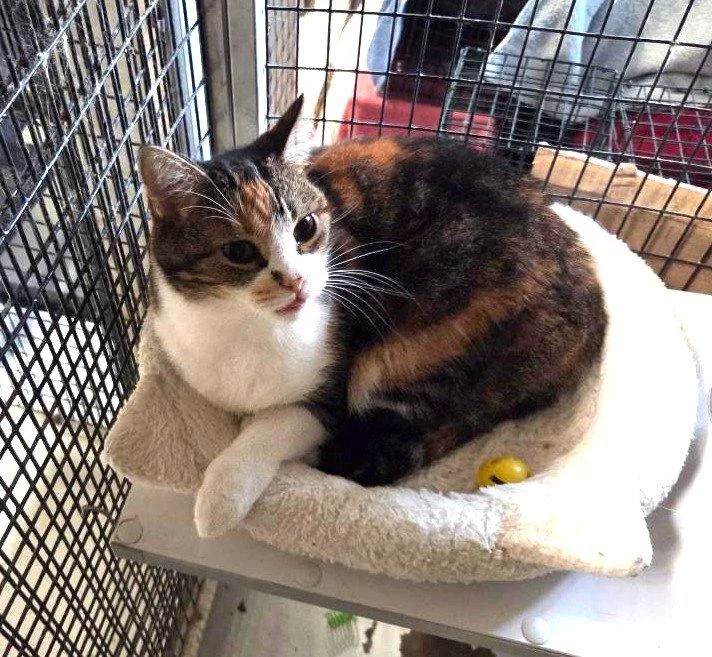
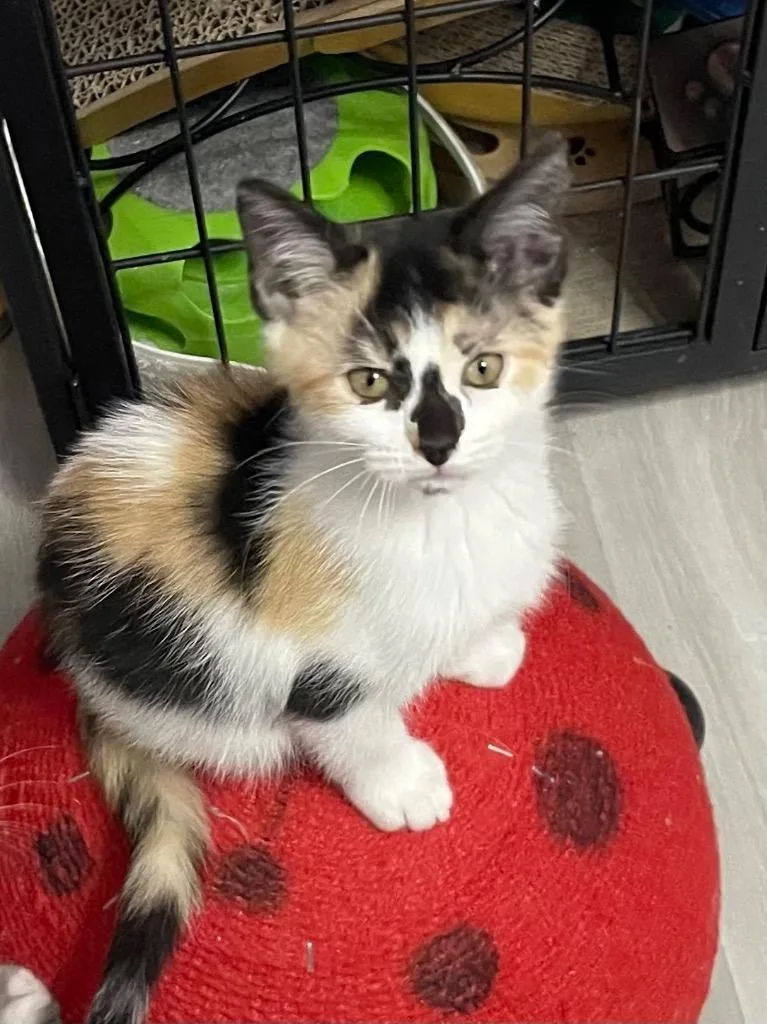
Calico describes a coat, not a breed: white with patches of black and orange, or gray and cream in the softer dilute version. The pattern shows up on domestic shorthairs and longhairs and on several pedigreed breeds, and nearly all calicos are female. Most calicos looking for homes are domestic shorthairs, so expect a medium cat of about 6 to 12 pounds with moderate shedding.

Because the coat says little about the cat, spend time with her in person. Some calicos are chatty and bold, others shy and gentle, and the folklore about "tortitude" hasn't held up in research. Plan on 12 to 18 years together, regular brushing for longer coats, and a home that suits her age and energy: kittens need lots of play, while seniors may want a warm lap and a quiet routine.

Weight
6–12 lbs
Height
8–10 in
Lifespan
12–18 yrs
Temperament
Adaptable, Affectionate, Independent
Shedding
Moderate

Owning a Calico in Hamilton Township

Having a Calico in Hamilton Township

A calico's traits come from her ancestry, age and upbringing, not her patches. In Hamilton Township's mostly detached-house setting, that usually means an adaptable indoor cat who needs daily play, a few good perches and routine veterinary care, with winter and storm season shaping the details.

Temperament

Calicos range from shy and gentle to bold and talkative, so a cat's actual behavior is a better guide than her color. In Hamilton Township's quiet residential streets, a social calico may enjoy watching the neighborhood from a window, while a shy one will want a calm room to settle into first.

Exercise Needs

Expect short bursts of chasing and pouncing a few times a day. Wand toys, food puzzles and a tall cat tree give an indoor calico plenty of outlet, which matters because Hamilton Township winters keep cats inside anyway. Schedule play in the evening, when many cats are most active. Kittens need more play than seniors.

Health Considerations

A calico's health follows her underlying ancestry, so plan on routine vaccines, dental care and weight control. Fleas and ticks are a local concern, including blacklegged ticks that carry Lyme disease, so keep prevention current, especially if she spends time in a catio or yard. A veterinarian can check any special needs in a rare male calico.

Living Space

Calicos adapt to apartments and houses alike when they have scratching posts, perches and hiding spots. Most Hamilton Township homes are single-family houses with yards, so a catio or harness time can give safe fresh air, while busy roads make free roaming risky. Renters should plan floor space for a litter box too.

What it costs to own a Calico in Hamilton Township

ExpenseTypical costPer year
Food$25 to $50 per month$300 to $600
Pet insurance$20 to $45 per month$240 to $540
Routine vet care$150 to $350 per year$150 to $350
Other*$450 to $1,150 per year$450 to $1,150
Estimated yearly total (after year one)$1,140 to $2,640

Other costs are estimates and vary with size, age and health.

* Litter, flea and tick prevention, a dental cleaning allowance, toys and supplies, and home brushing.

Adopt a Calico in Hamilton Township.

Now that you know more, let’s find you a new best friend. These rescues and shelters below currently have Calicos available.

Rescues in Hamilton Township with Calicos Available

The adoption options around Hamilton Township include the township's own animal shelter and nonprofit rescues serving Mercer County. Here are the rescues & shelters in the Hamilton Township area where you can find Calicos and other cats available for adoption.

Frequently Asked Questions

Yes. Nothing in Hamilton Township treats a calico differently from any other cat, because calico is a coat pattern, not a breed. What matters is household logistics: pet limits for your home type, your lease if you rent, and rabies vaccination. Watch the listings on this page, since calicos appear and get adopted as cats come and go.

Yes, as long as she lives indoors. Winters bring about 17 days that never rise above freezing and roughly two feet of snow, which is too harsh for a free-roaming cat. Keep beds and litter boxes away from drafts, and give a senior calico extra blankets. Wipe her paws if she's walked on a harness near road salt.

Yes, if you want an indoor companion. Hamilton Township spreads across about 40 square miles of mostly detached houses, which gives a calico room for cat trees and window views, though errands mean driving. Her coat won't predict how outgoing she is, so look for a cat whose energy matches your household's routine.

Yes, but only in a carry-on travel cage. NJ Transit allows small pets in carriers on its trains and buses, including trains from Hamilton station on the Northeast Corridor Line. Choose a sturdy, well-ventilated carrier your calico can't push open, line it with a towel, and confirm carrier size with NJ Transit before you travel.

No, plan on leaving your calico at home. New Jersey's food code generally bars live animals from food establishments, apart from service animals. Most cats are happier in a quiet room anyway. For outings together, stick to activities that don't involve food service, such as supervised time in a catio or a harness walk in your own yard.

Most calicos need very little: a quick weekly brushing for shorthairs and a few sessions a week for longer coats. Heated indoor air in winter and warm, humid summers can change shedding, and spring and fall are often the heaviest, so brush more then. Home brushing costs next to nothing and falls under the yearly Other costs.

Almost all calico cats are female, but not every single one. The genes for orange and black coat color sit on the X chromosome, so a cat normally needs two X chromosomes to show both colors at once. Roughly 1 in 3,000 calicos is male, usually because of an extra X chromosome, a genetic quirk rather than a separate type.

A calico cat is any cat with a three-color coat of white plus distinct patches of black and orange, or gray and cream in dilute calicos. Calico is a coat pattern rather than a breed, so it appears in domestic shorthairs, longhairs and many pedigreed breeds. Nearly all calicos are female because of how coat color genes are inherited.

We have 1 rescue with Calicos available: Pet Rescue of Mercer. You can see every rescue with Calicos available in the list above these questions, or scroll to the top to see the Calicos near Hamilton Township.

A calico in Hamilton Township typically costs about $25 to $50 a month for food, $20 to $45 a month for optional insurance, $150 to $350 a year for routine vet care, and $450 to $1,150 a year for other items. Together that's roughly $1,140 to $2,640 a year, before any emergency or illness.

Explore Other Breeds in Hamilton Township

Looking for a different breed? Browse other cats available for adoption in Hamilton Township.