Tabby Cats for Adoption in East Brunswick, NJ

Your guide to finding and caring for a Tabby in East Brunswick

6983 Tabbies available in East Brunswick and nationwide

Find your Tabby

Tabbies Available for Adoption Near East Brunswick

About the Tabby breed

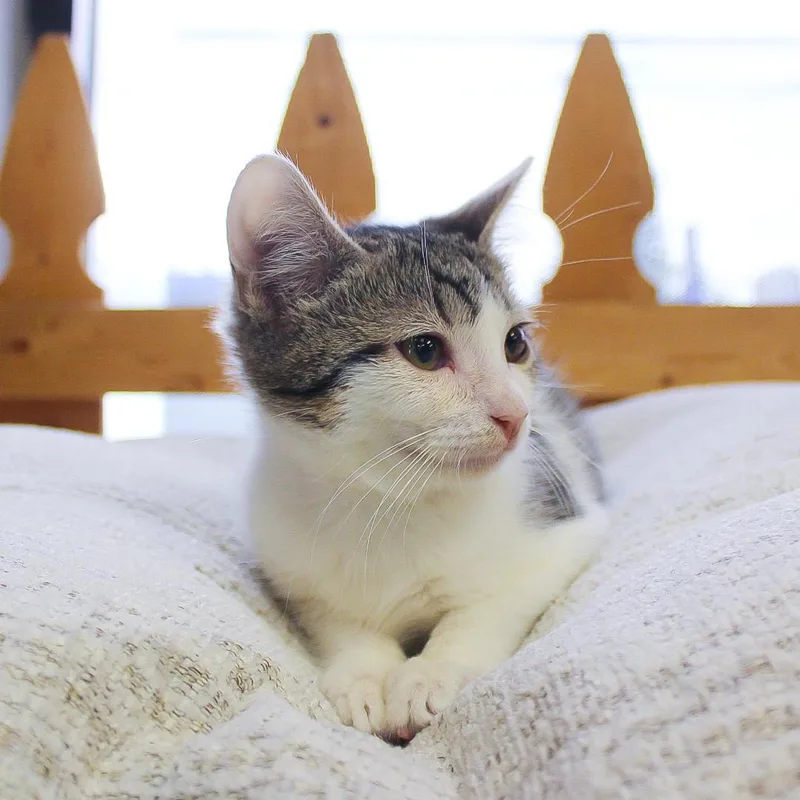
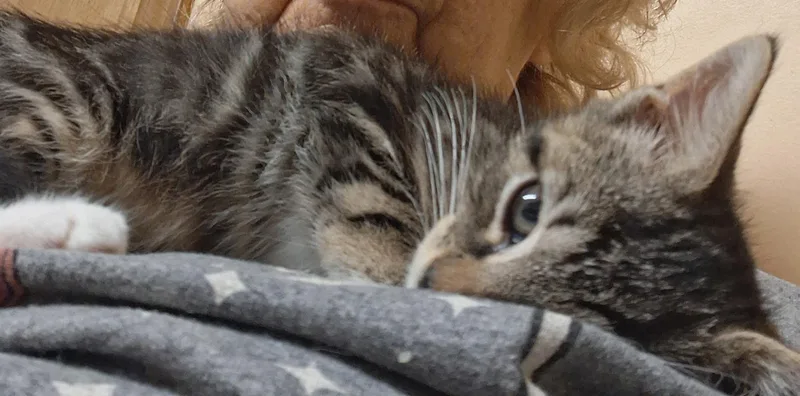
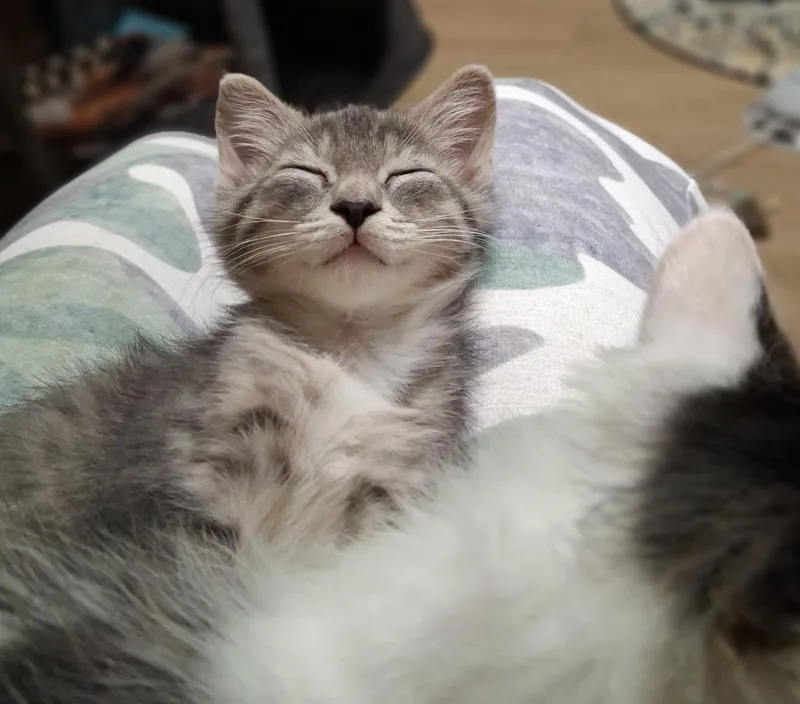
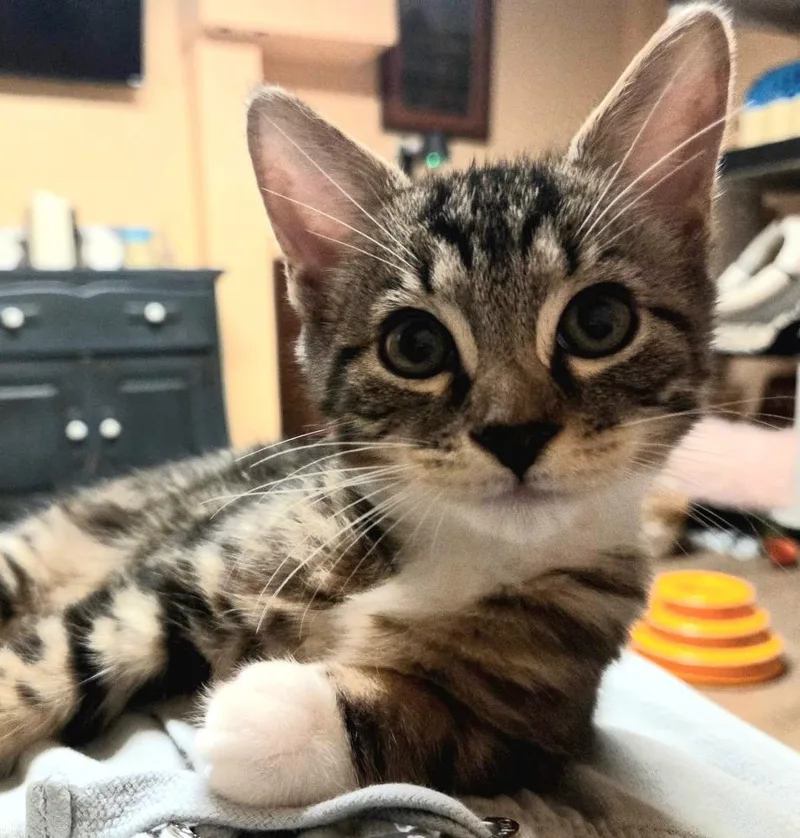
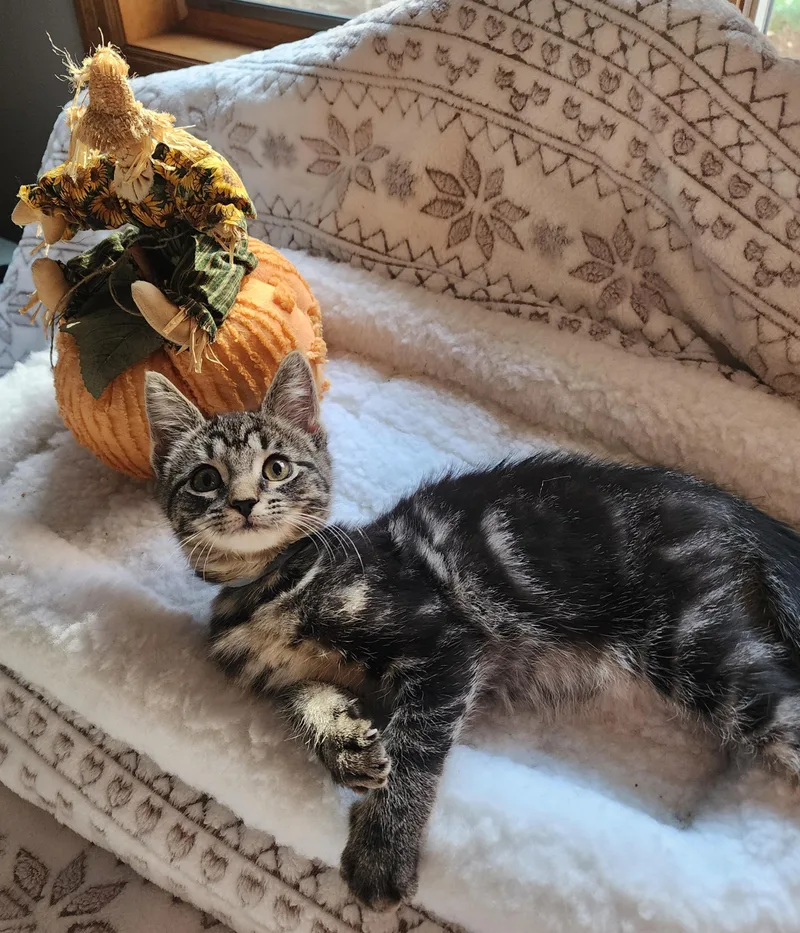
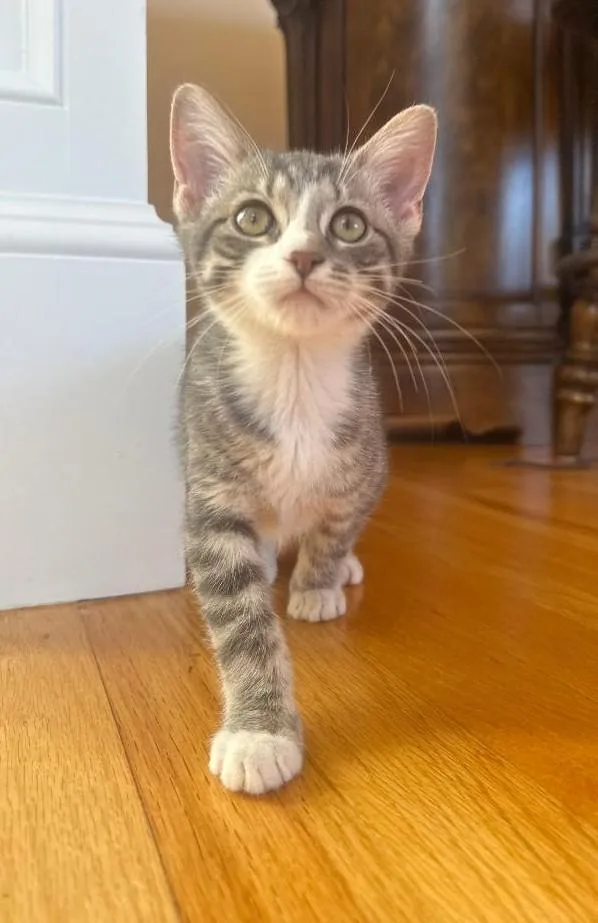
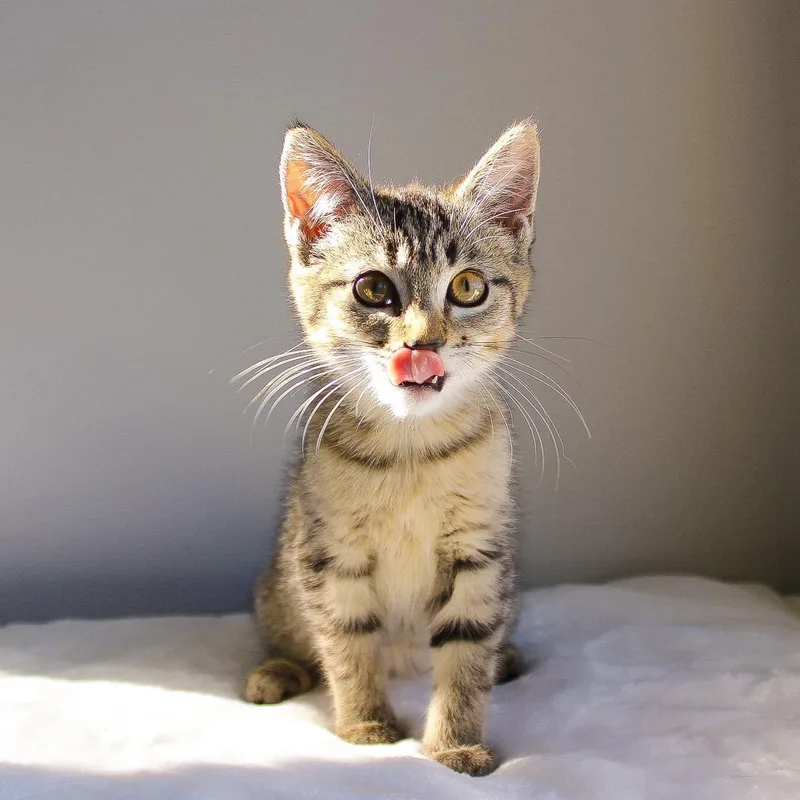
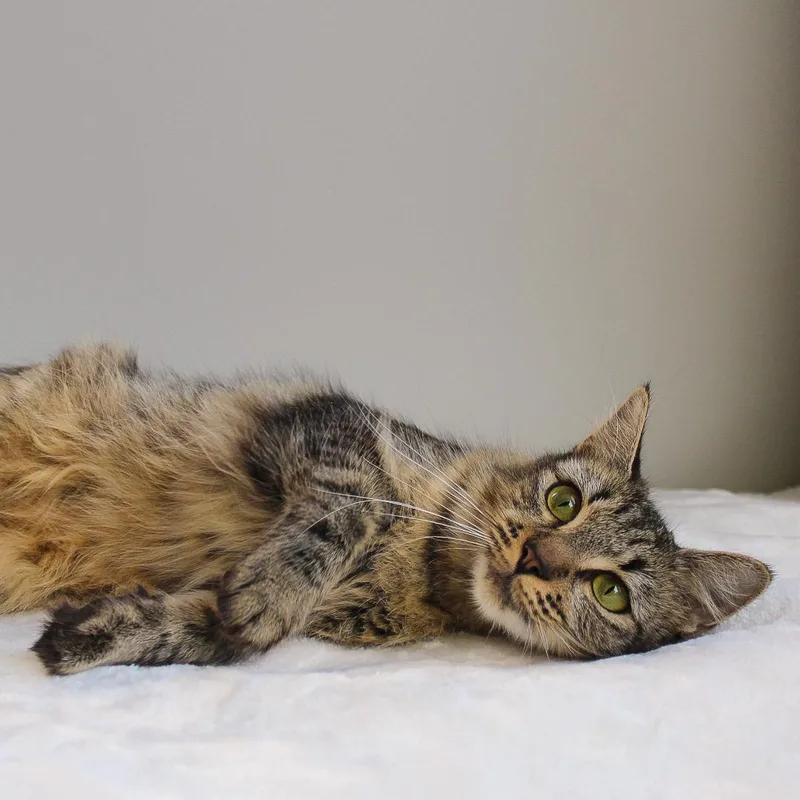
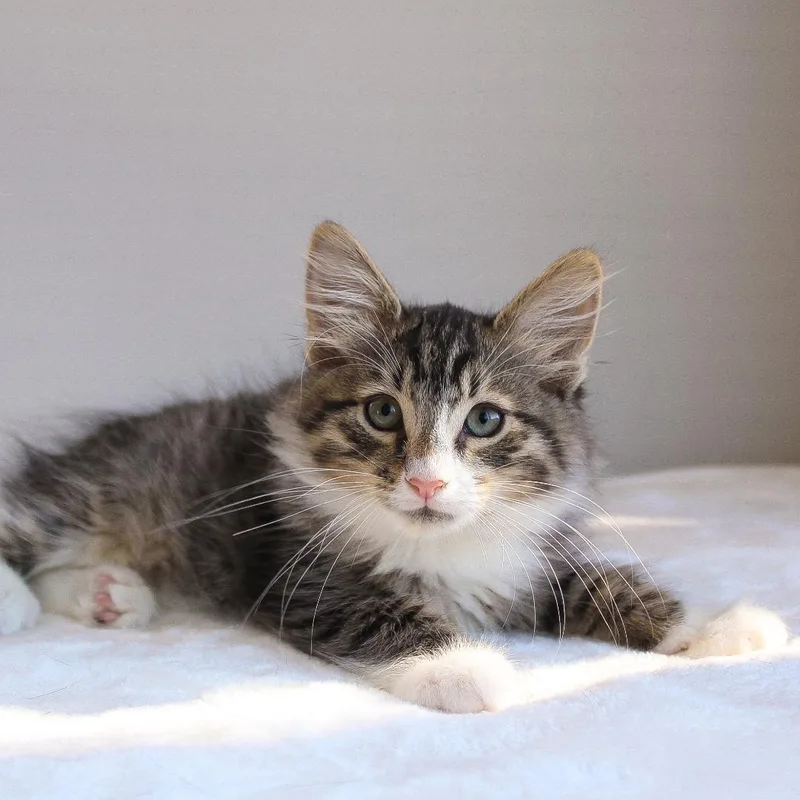
Tabby is a coat pattern, not a breed. Any cat with stripes, swirls, spots or ticked agouti hairs plus the classic M-shaped mark on the forehead is a tabby, whether it is a shelter domestic shorthair, a Maine Coon or an American Shorthair. The four main patterns are mackerel, with narrow stripes; classic, with bold swirls; spotted; and ticked, where stripes are faint. Tabbies come in brown, orange, gray, silver, cream and more, and the pattern is among the most common in domestic cats.

Because the pattern appears across so many cats, there is no single tabby personality or body type. Most tabbies in shelters are medium-sized domestic shorthairs, and their temperament reflects their genetics, upbringing and experiences rather than their stripes. Adopters choosing a tabby are really choosing an individual cat, so meeting it matters most.

Weight
6–14 lbs
Height
8–10 in
Lifespan
12–18 yrs
Temperament
Curious, Adaptable, Affectionate
Shedding
Moderate

Owning a Tabby in East Brunswick

Having a Tabby in East Brunswick

Since tabby describes a coat pattern found in many breeds and mixes, a tabby's traits come from the individual cat. Looking at its temperament, energy, health history and coat length tells adopters far more than its stripes ever will.

Temperament

There is no evidence that the tabby pattern shapes personality, so expect the full range of feline temperaments. Many shelter tabbies are friendly, curious and adaptable domestic cats, while others are shy or independent. Popular ideas that orange tabbies are especially outgoing partly reflect the fact that most orange cats are male. Meet the individual cat first.

Exercise Needs

Most tabbies, like other domestic cats, need daily play that mimics hunting, such as wand toys, chasing and pouncing. Climbing spaces, scratching posts and window perches add exercise and enrichment for indoor cats. Kittens and young adults usually need several short play sessions a day, while older cats prefer gentler games that still keep them moving.

Health Considerations

Coat pattern has no known effect on health. A tabby's risks depend on its breed or mix, age and lifestyle. Common feline issues include obesity, dental disease, urinary problems, and kidney disease, hyperthyroidism and diabetes in older cats. Annual wellness exams, dental care and a healthy weight protect any tabby, whatever its stripes.

Living Space

Most tabbies adapt well to apartments or houses when they have places to climb, scratch, hide and look outside. Indoor living protects cats from traffic and disease and protects wildlife. Multiple litter boxes, vertical spaces and a quiet retreat help in busy homes. A long-haired tabby needs more grooming space and time than a shorthair.

What it costs to own a Tabby

ExpenseTypical costPer year
Adoption fee$220 to $250, one time$220 to $250 in year one
Food$25 to $50 per month$300 to $600
Pet insurance$20 to $45 per month$240 to $540
Routine vet care$150 to $350 per year$150 to $350
Other*$450 to $1,150 per year$450 to $1,150
Estimated yearly total (after year one)$1,140 to $2,640
First-year total (with adoption fee)$1,360 to $2,890

Adoption fee is the range of fees on Tabby listings in East Brunswick on GetBuddy today. Other costs are national averages for Tabbies; we don't have costs specific to East Brunswick yet.

* Litter, flea prevention, a dental cleaning allowance, toys, scratchers and bedding, and occasional grooming; costs vary with the individual cat's size and coat.

Adopt a Tabby in East Brunswick.

Now that you know more, let’s find you a new best friend. These rescues and shelters below currently have Tabbies available.

Rescues in East Brunswick with Tabbies Available

Here are the rescues & shelters in the East Brunswick area where you can find Tabbies and other cats available for adoption.

Frequently Asked Questions

A tabby cat is any cat with a tabby coat pattern, meaning stripes, swirls, spots or ticked hairs plus a distinctive M-shaped marking on the forehead. Tabby is not a breed. The pattern appears in domestic shorthairs and longhairs as well as many pedigreed breeds, such as the American Shorthair, Maine Coon and Abyssinian, and it is one of the most common cat patterns.

A tabby cat isn't any one breed, because tabby is a coat pattern. Cats with the pattern include shelter domestic shorthairs and longhairs as well as breeds such as the American Shorthair, Maine Coon, Bengal and Abyssinian. Most tabbies available for adoption are mixed-breed domestic cats, so browse the cats listed here and look at each one's age and personality.

A tabby cat has an M-shaped mark on its forehead, thin lines running from the outer corners of the eyes, and striped or spotted markings on the body, legs and tail. Mackerel tabbies have narrow parallel stripes, classic tabbies have bold swirls with a bullseye on each side, spotted tabbies have spots, and ticked tabbies show flecked hairs with few stripes.

Tabby cats are usually medium-sized because most are domestic shorthairs, and adults commonly weigh about 6 to 14 pounds. Size depends on the cat's breed or mix, sex and frame, not its pattern. A tabby Maine Coon may reach 18 pounds or more, while a slim tabby Oriental may stay under 8. Males are typically larger than females.

Tabby describes a cat's coat pattern: stripes, swirls, spots or ticked hairs, with a distinctive M-shaped mark on the forehead. The word is not a breed or personality type. It comes from an old term for striped silk, which was named after a district of Baghdad. Today it simply tells you how a cat's fur is marked.

Many tabbies are friendly, but the pattern doesn't determine temperament, so there is no guarantee. A tabby's personality comes from its genetics, early socialization, past experiences and age. Some are outgoing and social, while others are shy or independent. Spending time with the cat is the best way to judge.

Tabby cats come in many colors. Brown tabbies, with black stripes over a warm brown base, are the classic look, but orange or red, gray or blue, silver, cream and other shades are common too. The tabby pattern can also combine with white patches, and tortoiseshell or calico cats can carry tabby markings, sometimes called torbies or calibies.

Tabby markings come from the domestic cat's wild ancestors. Cats were domesticated thousands of years ago in the Near East, where they lived alongside people who stored grain. The tabby pattern spread widely as domestic cats traveled the world, and today it appears in shelter cats and in many recognized breeds on every continent.

No, tabby cats are not all male. Both males and females can be tabbies. The belief likely comes from orange tabbies, because roughly three out of four orange cats are male, though estimates vary. Tabbies in brown, gray, silver and other colors are about as likely to be female, and female cats can also have patched torbie patterns.

We have 2 rescues with Tabbies available: Ray of Hope and Kings Pride Kitten Rescue. You can see every rescue with Tabbies available in the list above these questions, or scroll to the top to see the Tabbies near East Brunswick.

Explore Other Breeds in East Brunswick

Looking for a different breed? Browse other cats available for adoption in East Brunswick.