Tortoiseshell Cats for Adoption in Manchester, NH

Your guide to finding and caring for a Tortoiseshell in Manchester

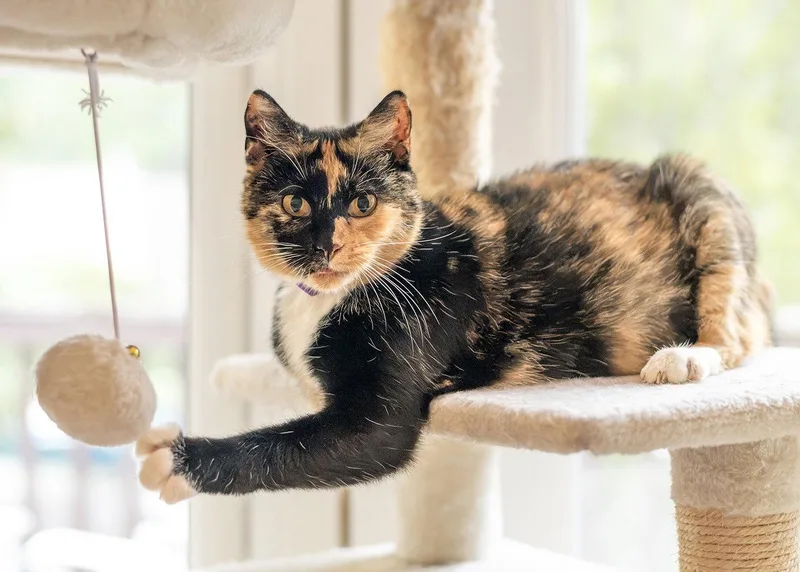
A tortoiseshell cat suits a Manchester flat in a two- or three-family building just fine. Plenty of homes in Rimmon Heights and Piscataquog are that size, and a sunny window perch over the street gives a tortie hours of entertainment. Tortoiseshell is a coat pattern, not a breed, so personalities run from shy to bold, and most cats like daily play. Staying indoors also makes sense when January nights drop to the teens. Add a cat tree beside that window and you're set.

960 Tortoiseshells available in Manchester and nationwide

Your Tortoiseshell is waiting

While we don't have enough cats near Manchester, keep in mind that many rescues may offer transport.

Tortoiseshells Available for Adoption Near Manchester

About the Tortoiseshell breed

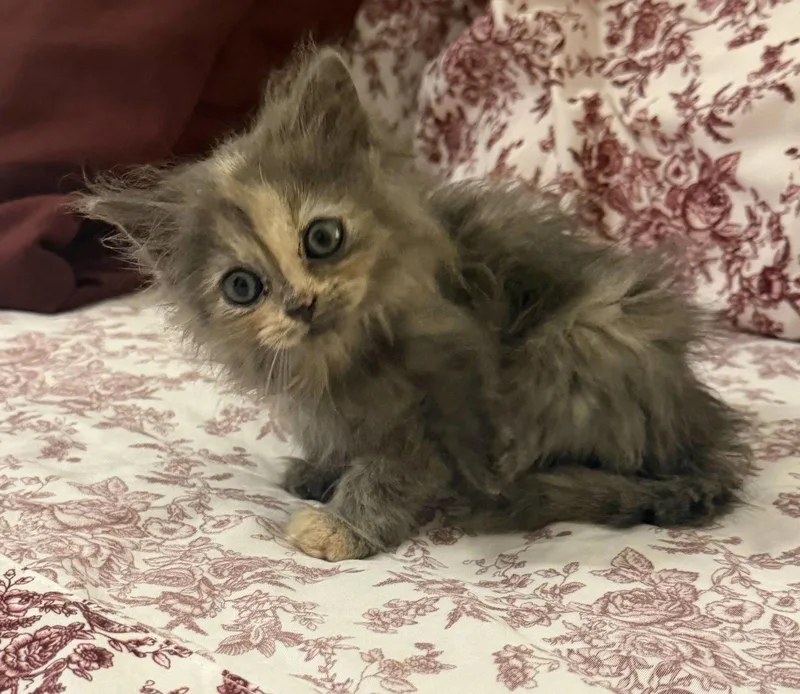
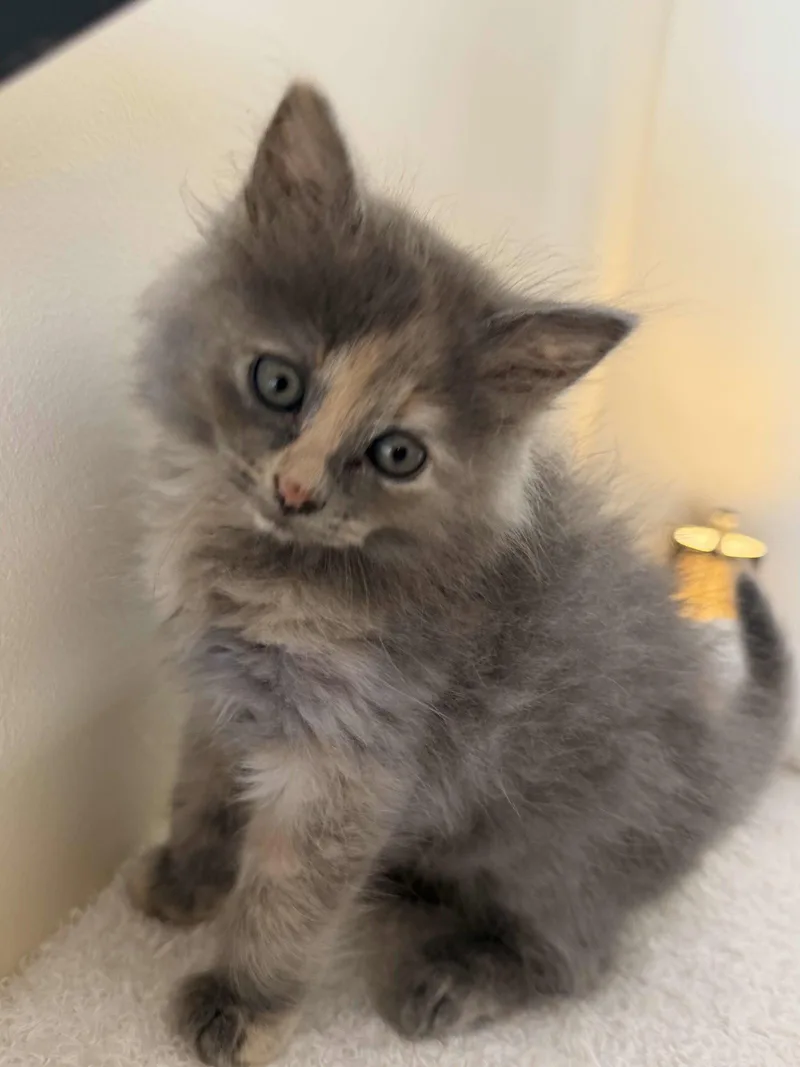
Tortoiseshell describes a coat, not a breed. The patchwork or fine mottling of black-based and orange-based colors, usually with little or no white, appears mostly on domestic shorthairs and longhairs, and also in breeds like Maine Coons and British Shorthairs. Nearly all torties are female, because the orange gene sits on the X chromosome.

Coat color doesn't set personality. Torties have a reputation for "tortitude," but that rests mostly on owner impressions, so expect the full range from shy to bold. Size, grooming and lifespan follow each cat's ancestry. Most weigh 6 to 14 pounds, shed moderately and live 12 to 18 years, which is a long commitment worth planning around.

Weight
6–14 lbs
Height
8–10 in
Lifespan
12–18 yrs
Temperament
Independent, Affectionate, Playful
Shedding
Moderate

Owning a Tortoiseshell in Manchester

Having a Tortoiseshell in Manchester

Because tortoiseshell is a coat and not a breed, these cards describe what's typical of the domestic cats that wear it. Age, history and socialization shape a cat far more than color, so treat them as a starting point for a Manchester home.

Temperament

Torties are often called spirited, but the link between coat and behavior rests mostly on owner impressions. Expect shy, bold, cuddly and aloof cats alike. During Manchester's long indoor winters, a cat that enjoys play and a window view tends to settle in well, while a quieter cat may prefer a calm corner away from foot traffic.

Exercise Needs

Daily interactive play, such as wand toys, chase games and puzzle feeders, keeps most torties fit. Winter keeps cats inside for months, so short play sessions morning and evening help burn energy. A cat tree and a window perch add climbing and bird-watching. Kittens and young adults usually need more activity than seniors do.

Health Considerations

The tortoiseshell pattern carries no particular health risks for female cats. The rare males usually have an extra X chromosome and may face added issues. Yearly vet exams, vaccines including rabies, dental care and a healthy weight matter most. Indoor cats can gain weight over a Manchester winter, so measure meals and keep play regular.

Living Space

Tortoiseshell cats adapt to apartments and houses alike, since space needs follow personality rather than coat. Manchester's mix of apartments, multi-family buildings and single-family houses all work. Scratching posts, cat trees and hideaways help most, and secure window screens keep a curious climber safe.

What it costs to own a Tortoiseshell in Manchester

ExpenseTypical costPer year
Food$25 to $50 per month$300 to $600
Pet insurance$20 to $45 per month$240 to $540
Routine vet care$150 to $350 per year$150 to $350
Other*$450 to $1,150 per year$450 to $1,150
Estimated yearly total (after year one)$1,140 to $2,640

Other costs are estimates and vary with size, age and health.

* Litter, flea and tick prevention, a dental cleaning allowance, toys and supplies, and home grooming tools.

Adopt a Tortoiseshell in Manchester.

Now that you know more, let’s find you a new best friend. These rescues and shelters below have cats available in and near Manchester.

Rescues and Shelters in or near Manchester

Manchester's shelter and rescue community cares for cats of every color and age, including tortoiseshells. Here are the rescues & shelters in the Manchester area with cats available for adoption, worth asking whether a Tortoiseshell is coming in.

Frequently Asked Questions

Yes, Manchester has no known rule limiting tortoiseshell cats or any coat color. Cats don't need a city license, but New Hampshire law requires rabies vaccination for cats 3 months and older. If you rent, confirm your landlord's pet policy and get permission in writing before bringing a cat home.

Yes, tortoiseshell cats do well in apartments, since space needs follow personality rather than coat. With about half of Manchester households renting, many cats live in flats and multi-unit buildings. A window perch, a cat tree and daily play matter more than square footage, and secure window screens keep climbers safe.

Often, yes, especially for someone who enjoys an indoor, cozy routine through long winters. Torties vary from shy to bold, so match the cat's energy to your household rather than its color. Daily play, a window view and a quiet retreat help most cats settle into Manchester's multi-unit buildings and houses.

Yes, as indoor cats. Manchester sees roughly 130 to 160 freezing nights a year and about 4 to 5 feet of snow in a typical season, so torties should stay inside with warm bedding away from drafts. Keep extra food, water and a carrier ready in case an ice storm knocks out power.

Yes, if the cat is fully contained in a carrier. Manchester Transit Authority buses allow pets only in a pet carrier and under control at all times, so use a secure, ventilated carrier on your lap or at your feet. Manchester has no subway or rail system, so buses are the only option.

Grooming depends on coat length, not color. Shorthaired torties usually need a weekly brushing, while longhaired ones do better with several sessions a week, especially as shedding picks up. Dry indoor winter air can add dander, but home grooming is usually enough, and the supplies fall within the Other costs.

A tortoiseshell cat is a cat with a coat pattern of black-based and orange-based colors blended or patched together, usually with little or no white. It is not a breed; the pattern appears in many breeds and most often in domestic shorthairs. Nearly all tortoiseshells are female because the genes for orange and black are carried on the X chromosome.

Almost all tortoiseshell cats are female, but not all. A female has two X chromosomes and can carry both orange and black color genes, producing the mixed coat. Males normally have only one X. Rare male torties usually have an extra X chromosome or are genetic chimeras, and they are estimated at roughly 1 in 3,000 tortoiseshells.

No, tortoiseshell cats are not rare. They are common among domestic cats and are regularly found in shelters and rescues. What is rare is a male tortoiseshell, since the pattern almost always requires two X chromosomes. Certain variations, such as long-haired or dilute torties, are less common simply because they require additional recessive genes.

Expect food at $25 to $50 a month and insurance at $20 to $45 a month. Routine vet care runs $150 to $350 a year, and other costs such as litter, prevention and dental care add $450 to $1,150 a year. Together that's roughly $1,140 to $2,640 a year for a tortie in Manchester.

Explore Other Breeds in Manchester

Looking for a different breed? Browse other cats available for adoption in Manchester.