Torbie Cats for Adoption in Omaha, NE

Your guide to finding and caring for a Torbie in Omaha

Torbies fit Omaha's mix of older bungalows and newer apartments well, as long as they have something to watch and something to chase. A window perch over a Little Bohemia street or a cat tree in a Minne Lusa bungalow suits a curious cat. Winters here run long, so daily play with a wand toy matters more than usual. If you're thinking of adopting a torbie in Omaha, plan on an indoor cat that wants a scratching post, some company and a sunny spot by the glass.

328 Torbies available in Omaha and nationwide

Fall for a Torbie

While we don't have enough cats near Omaha, keep in mind that many rescues may offer transport.

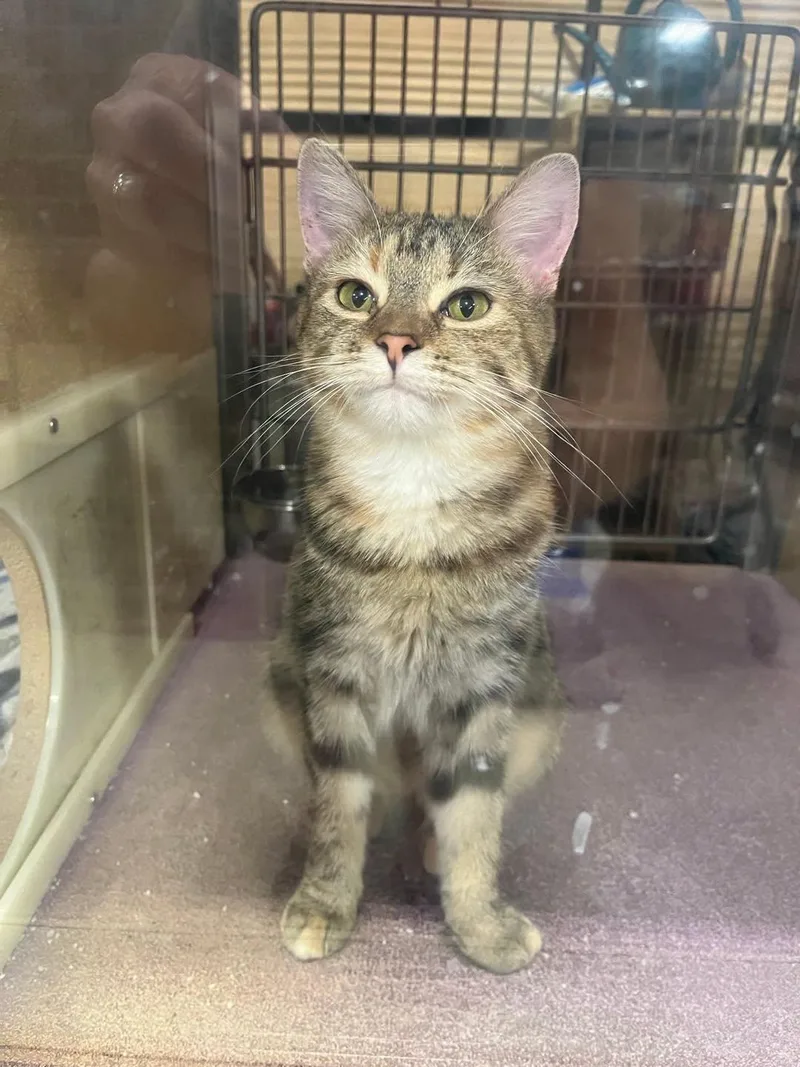
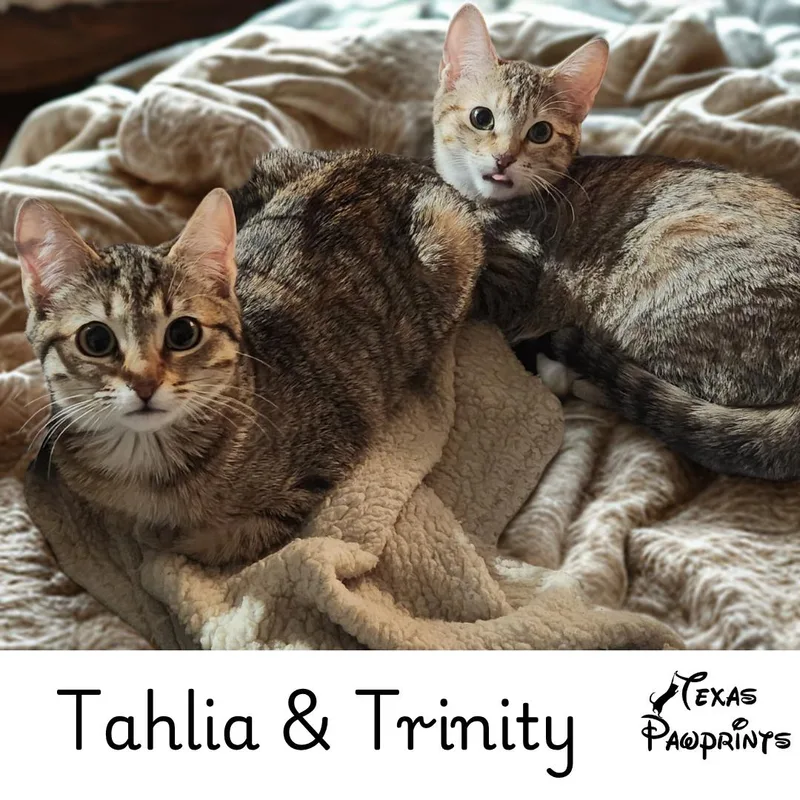
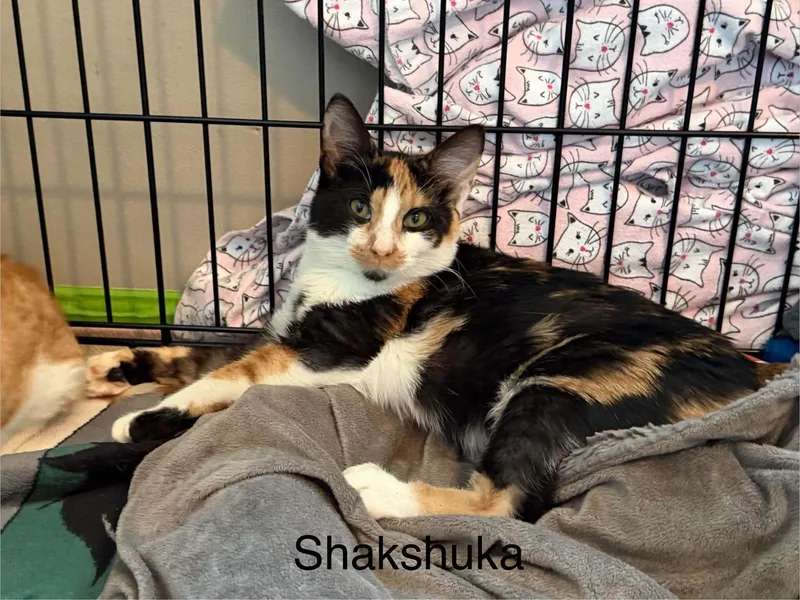
Torbies Available for Adoption Near Omaha

About the Torbie breed

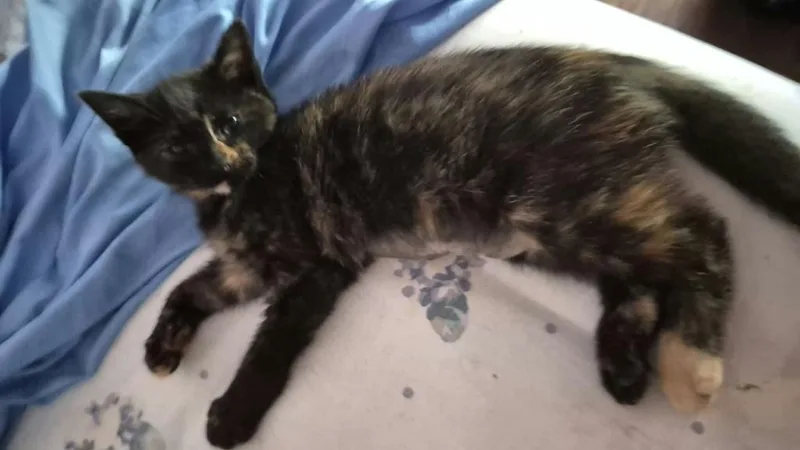
Torbie is a coat pattern rather than a breed. The name blends tortoiseshell and tabby, so a torbie shows patches of black-based and orange-based color with tabby stripes, swirls or spots running through them. Most torbies in shelters are domestic shorthairs or longhairs, though the pattern also turns up in purebred cats.

Because the pattern says little about the cat underneath, a torbie's needs depend on age, history and energy far more than color. Torbies are typically medium-sized, around 6 to 14 pounds, and many live 12 to 18 years, so adopting one is a long commitment that will span many Nebraska winters and storm seasons. Shedding is moderate, which usually means regular brushing and a decent vacuum. Spend time with a cat before deciding.

Weight
6–14 lbs
Height
8–10 in
Lifespan
12–18 yrs
Temperament
Playful, Affectionate, Curious
Shedding
Moderate

Owning a Torbie in Omaha

Having a Torbie in Omaha

Torbie names a coat, not a breed, so these cards describe domestic cats in general. Age, history and energy shape each cat far more than the pattern, and Omaha's long winters mean most torbies do best as indoor cats with plenty to do.

Temperament

Torbies are often called spirited, chatty or affectionate, but that comes from owner impressions rather than research, and coat color doesn't predict behavior. Shelter torbies range from shy to outgoing. In an Omaha apartment building, a cat that tolerates hallway noise and neighbors is a plus, so spend time with a cat before deciding.

Exercise Needs

Most torbies need daily interactive play: wand toys, chase games, puzzle feeders and safe climbing. Omaha's cold, snowy winters keep cats inside for months, so plan two or three short sessions a day, a tall cat tree and a window perch. Young cats want more play, while older cats usually prefer gentler sessions.

Health Considerations

The torbie pattern carries no known health risks in female cats, so health depends on age, ancestry and care. Rare male torbies are usually sterile and may have added issues. Plan on yearly exams, vaccines, dental care and a healthy weight, and have a veterinarian do a full check within the first weeks after adoption.

Living Space

Torbies adapt to apartments and houses alike, and Omaha has plenty of both, from Midtown Crossing condos to larger family houses. Indoor homes with scratching posts, window perches and hiding spots suit most. An interior room or basement gives a cat a safe place during tornado warnings. Shy cats settle best in quieter homes.

What it costs to own a Torbie in Omaha

ExpenseTypical costPer year
Adoption fee$50 to $150, one time$50 to $150 in year one
Food$25 to $50 per month$300 to $600
Pet insurance$20 to $45 per month$240 to $540
Routine vet care$150 to $350 per year$150 to $350
Other*$472 to $1,172 per year$472 to $1,172
Estimated yearly total (after year one)$1,162 to $2,662
First-year total (with adoption fee)$1,212 to $2,812

Adoption fee is the range of fees on Torbie listings in Omaha on GetBuddy today. Other costs are estimates and vary with size, age and health.

* Litter, the Omaha cat license, flea and parasite prevention, a dental cleaning allowance, toys and supplies, and home grooming.

Adopt a Torbie in Omaha.

Now that you know more, let’s find you a new best friend. These rescues and shelters below currently have Torbies available.

Rescues in Omaha with Torbies Available

Omaha's rescue community includes a large open-admission shelter and foster-based groups, all working to match cats with homes. Here are the rescues & shelters in the Omaha area where you can find Torbies and other cats available for adoption.

Frequently Asked Questions

Yes. Omaha's breed-specific rules cover certain dogs, not cats, so a torbie faces no special restrictions. Plan on licensing the cat once it's 4 months old, with a lower fee if it's spayed or neutered, and stay within the five-cat household limit. Browse the cats listed on this page, or save a search to hear about new arrivals.

Often, yes, for people who can offer an indoor home with daily play. Omaha's long winters and spring storm season suit a cat that's happy inside, and the light rules for cats keep paperwork simple. A torbie may not suit a household away most of the day, so judge the cat's personality, not its pattern.

Yes. Torbies adapt to apartments because space needs come from the cat, not the coat. Omaha's rental market includes newer buildings in places like Aksarben Village and Little Bohemia, so read each lease for pet terms and deposits. Give the cat a window perch, a tall cat tree and daily play, and keep litter boxes away from shared walls.

Yes, as indoor cats. Omaha winters bring about 40 days that never rise above freezing, roughly 27 inches of snow a year and occasional sub-zero stretches, which is too harsh for a cat outdoors. Indoors, torbies do fine with a draft-free bed and daily play. A carrier kept ready helps if a storm or outage forces a move.

Yes, but only in a carrier. Omaha's Metro buses, including ORBT, require pets to ride in a carrier unless they're service animals, and the carrier goes on your lap or the floor, not a seat, out of the aisle and exits. Omaha has no subway or rail, and the streetcar isn't open yet. Check current fares with Metro.

Most torbies need a weekly brushing, more often for longhaired cats, since shedding is moderate. Expect heavier shedding in spring and fall as coats change, and dry heated air in winter can leave skin flaky. Home grooming costs little and falls under Other in the cost table; professional grooming is rarely needed for a shorthair.

A torbie cat is a cat whose coat combines tortoiseshell and tabby patterns, with patches of black-based and orange-based color plus tabby stripes, swirls or spots. It is a coat pattern, not a breed, and appears mostly in domestic shorthairs and longhairs. Torbies are also called tortie-tabbies or patched tabbies, and nearly all are female.

No, torbie cats are not especially rare. The pattern appears whenever a tortoiseshell cat also inherits tabby markings, which is common, and shelters regularly have torbies available. Male torbies are a different story: like other male tortoiseshells, they are very rare. Some variations, such as silver or dilute torbies, are seen less often but are still not unusual.

We have 2 rescues with Torbies available: Feline Friendz in NE and NALA Rescue - Nebraska's Animal Loving Advocates. You can see every rescue with Torbies available in the list above these questions, or scroll to the top to see the Torbies near Omaha.

Expect roughly $1,160 to $2,660 a year for a torbie in Omaha. Food runs $25 to $50 a month, pet insurance $20 to $45, and routine vet care $150 to $350 a year. Other costs add $472 to $1,172 a year, covering litter, parasite prevention, dental care, supplies and the city license. Adoption fees are separate.

Find Torbies in Nearby Cities

Expand your search to find Torbies available for adoption near Omaha.