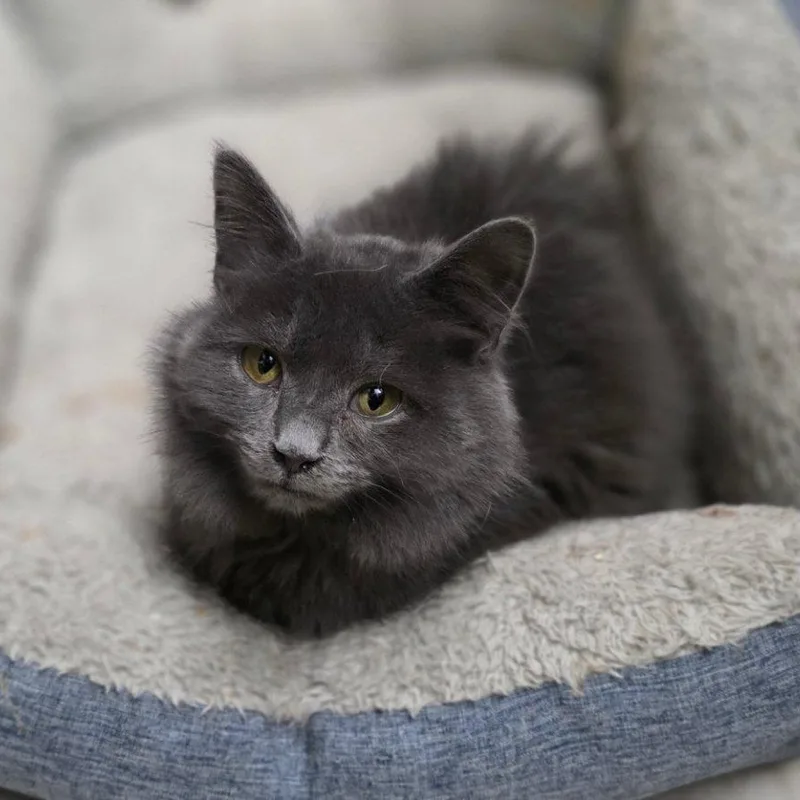
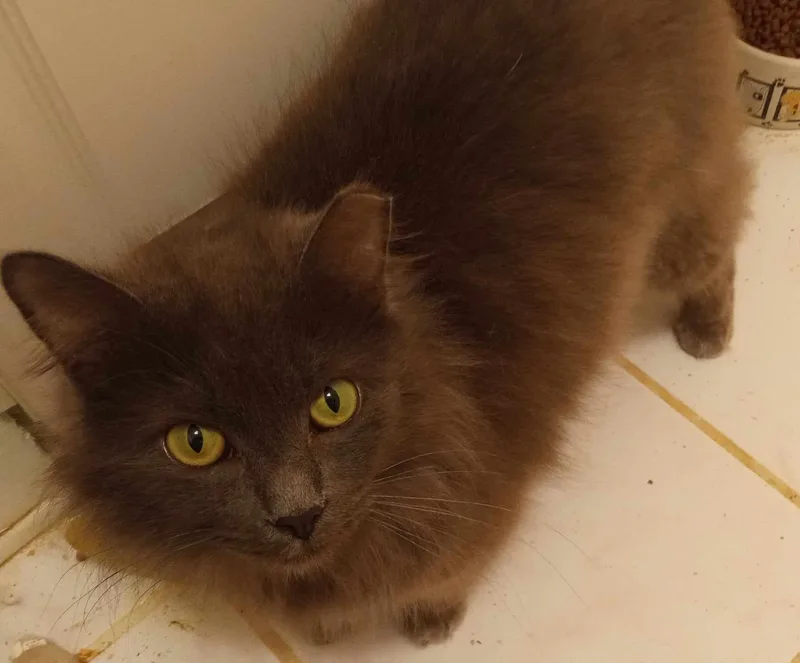
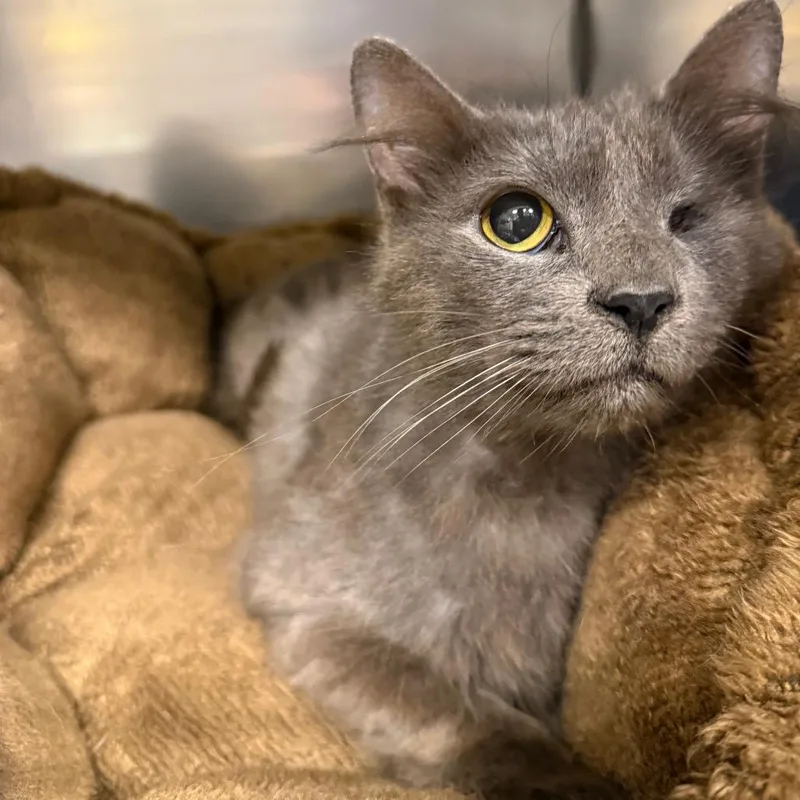
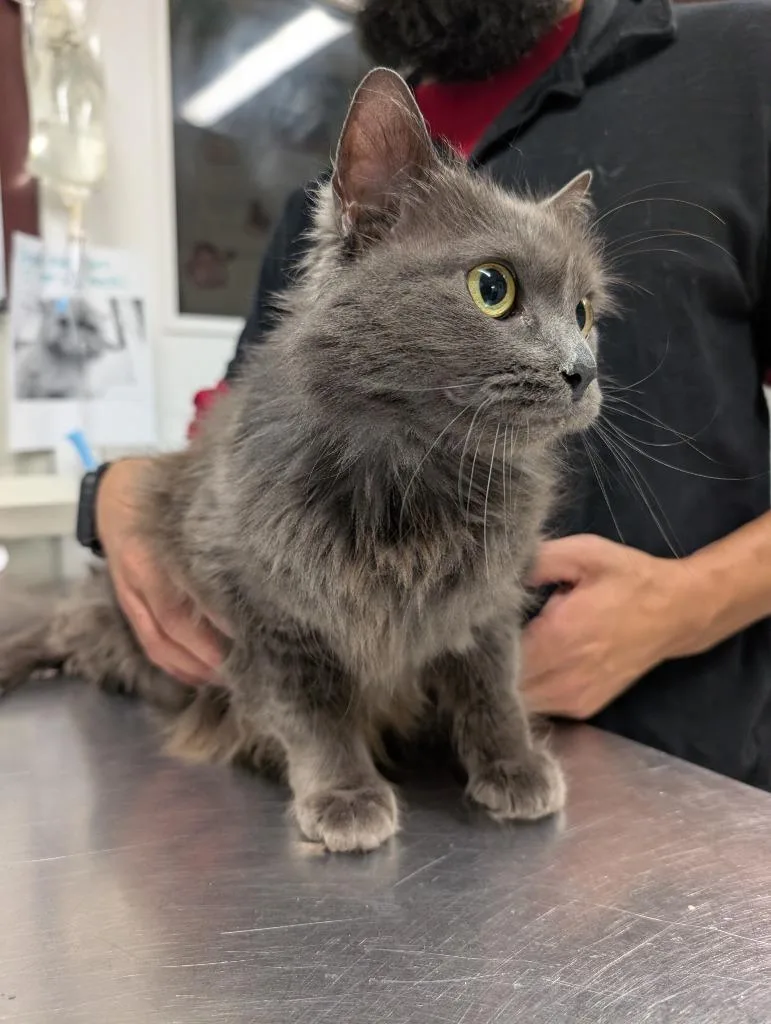
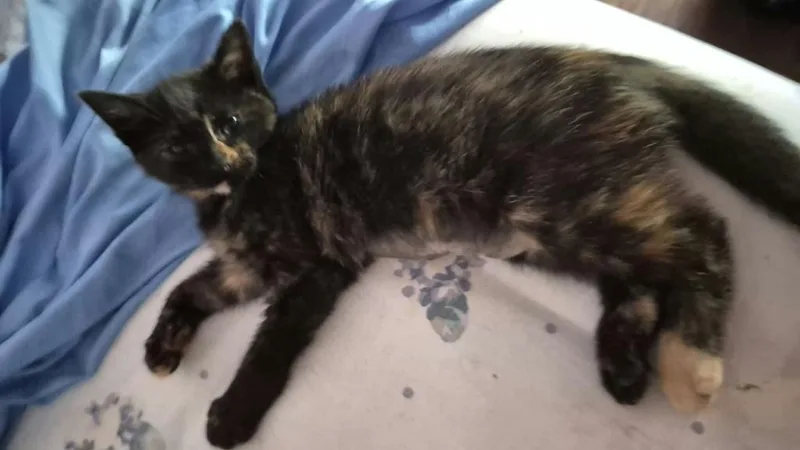
Nebelung Cats for Adoption in Omaha, NE

Your guide to finding and caring for a Nebelung in Omaha

Nebelungs fit quiet Omaha apartments well, whether that's Aksarben Village or Little Bohemia. These silky blue cats are gentle and reserved, and they like a predictable routine, a window to watch the street and a tall perch to retreat to. The breed is very rare, so a blue longhair you meet here may be a domestic longhair with a similar look and mellow nature. Winters in Omaha mean long stretches indoors, which suits a cat that's happiest at home.

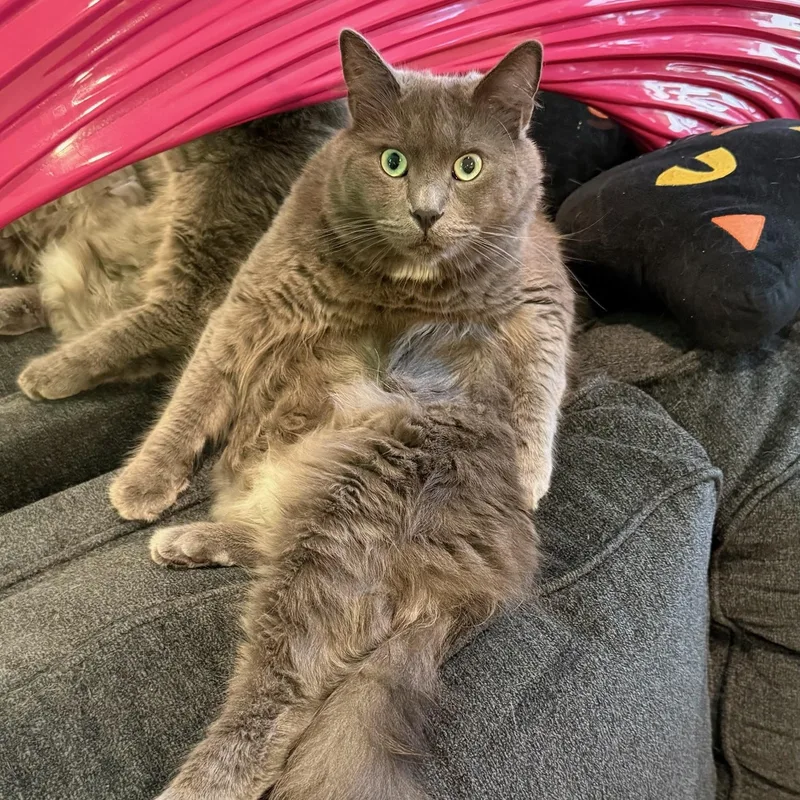
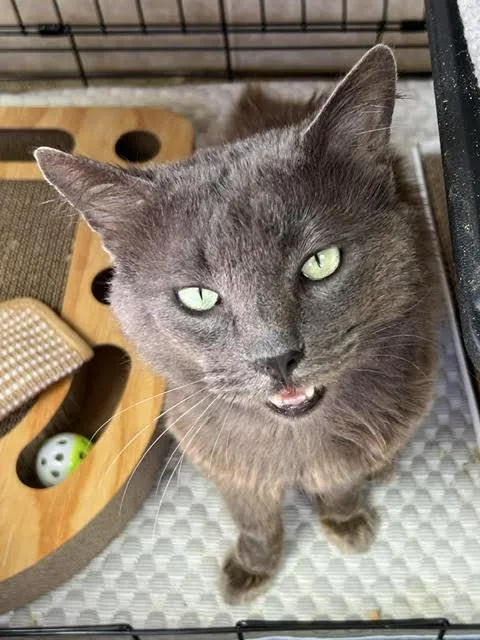
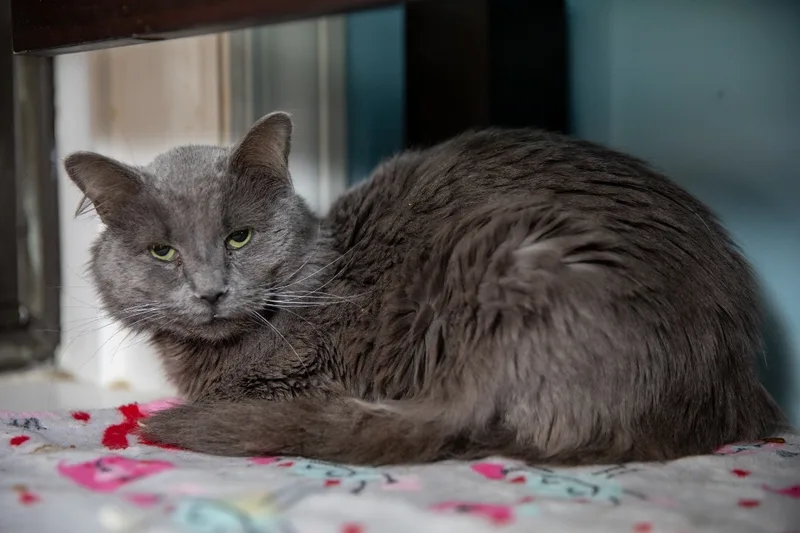
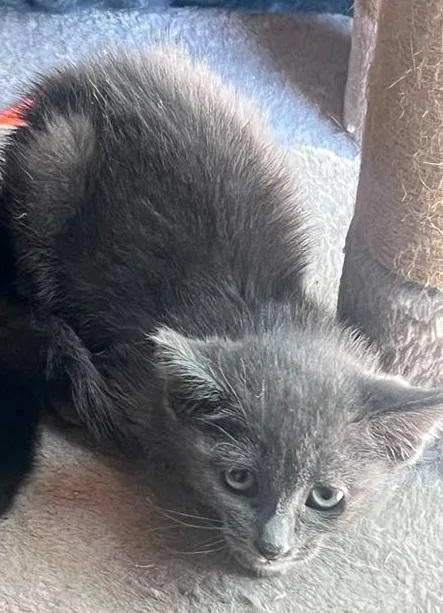
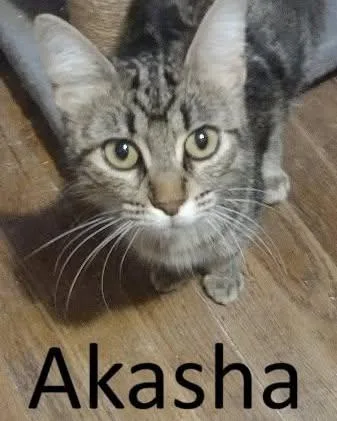
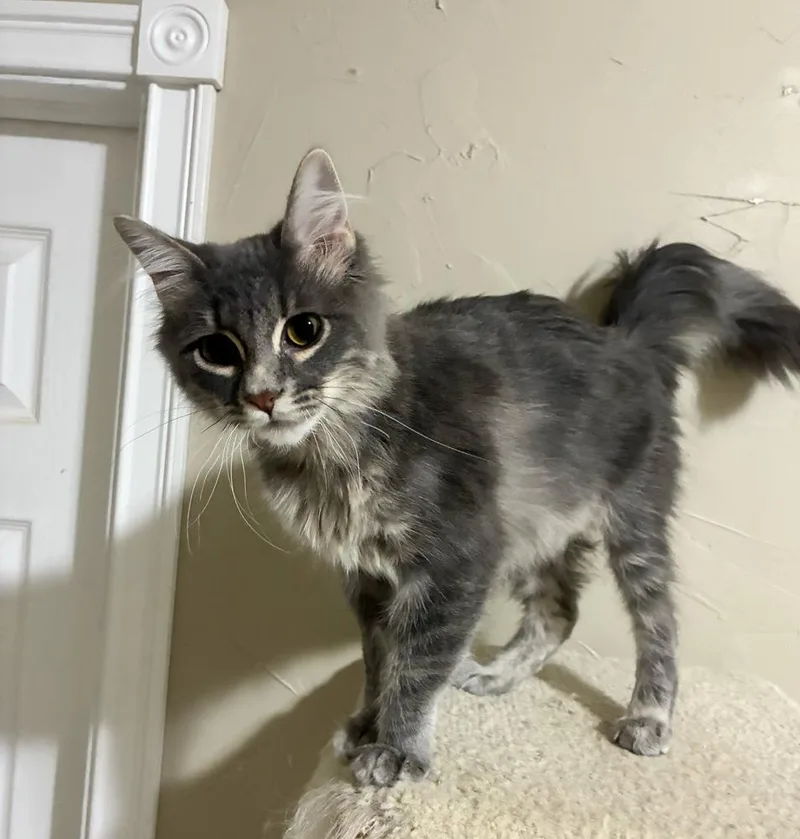
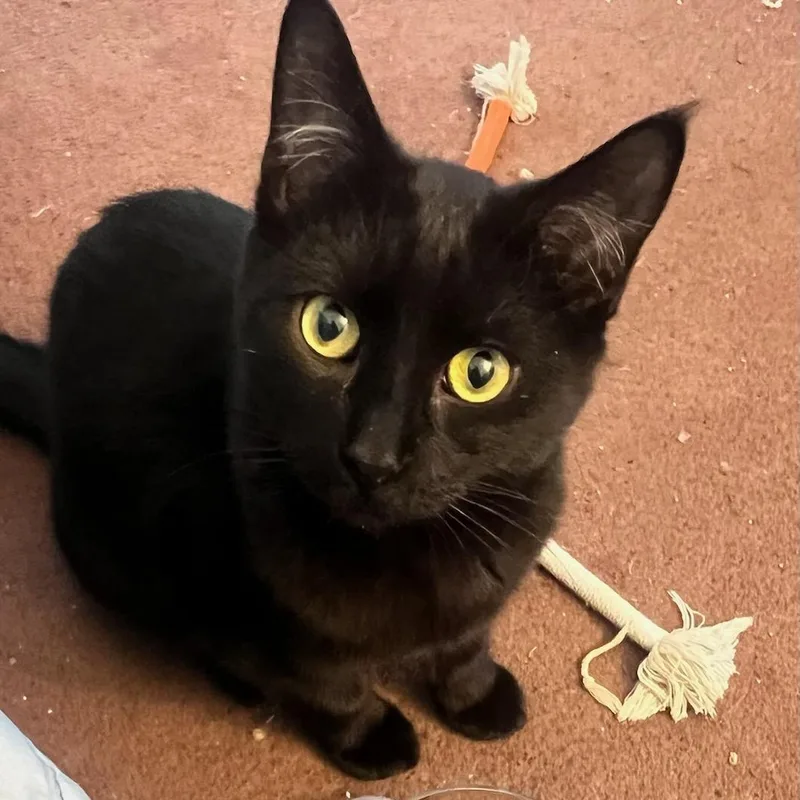
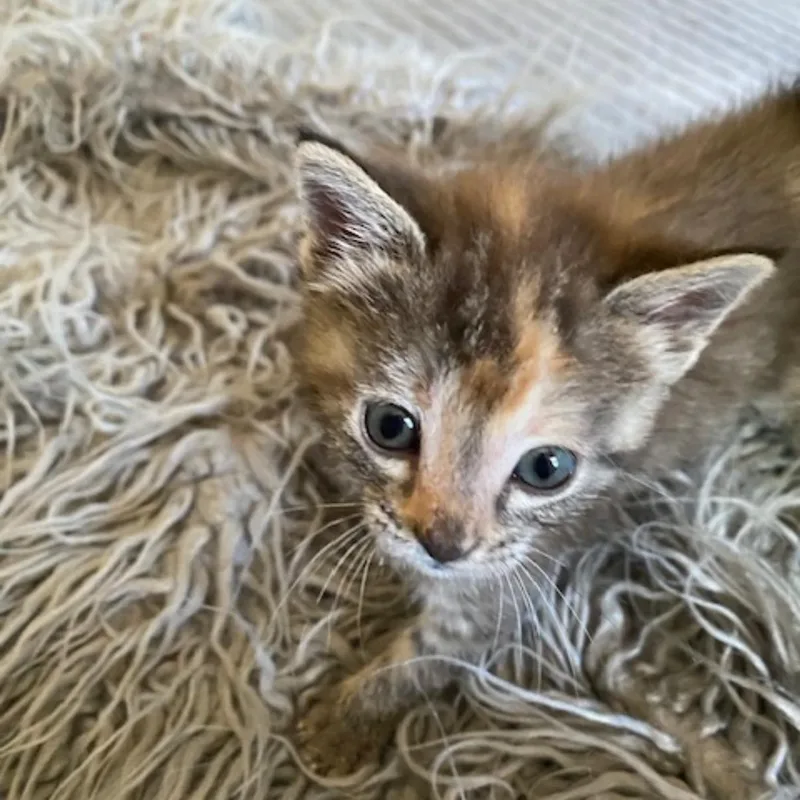
19 Nebelungs available in Omaha and nationwide

Your Nebelung is waiting

While we don't have enough cats near Omaha, keep in mind that many rescues may offer transport.

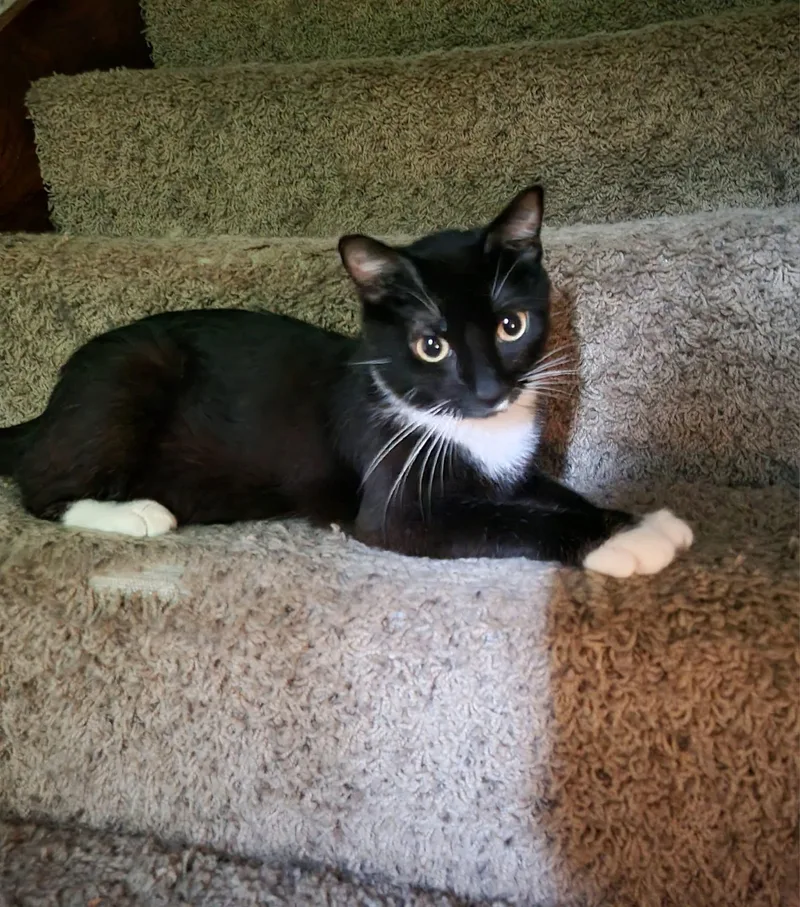
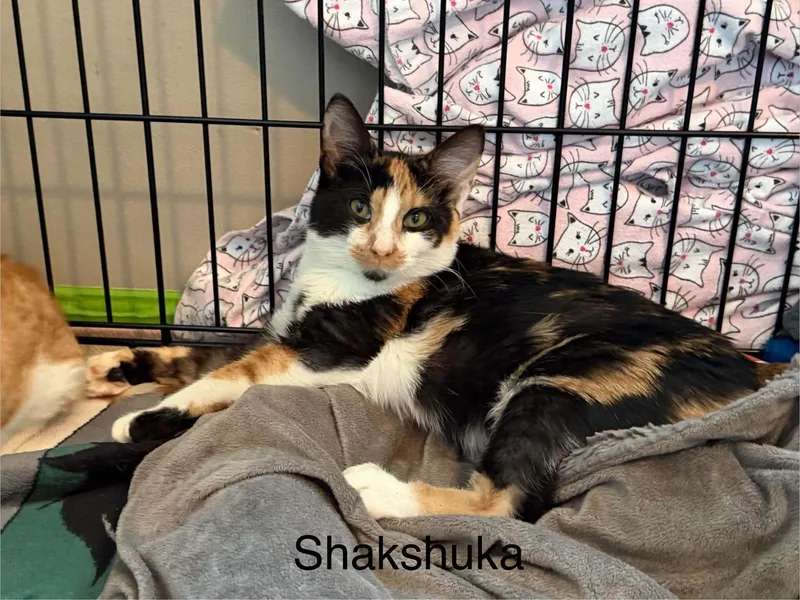
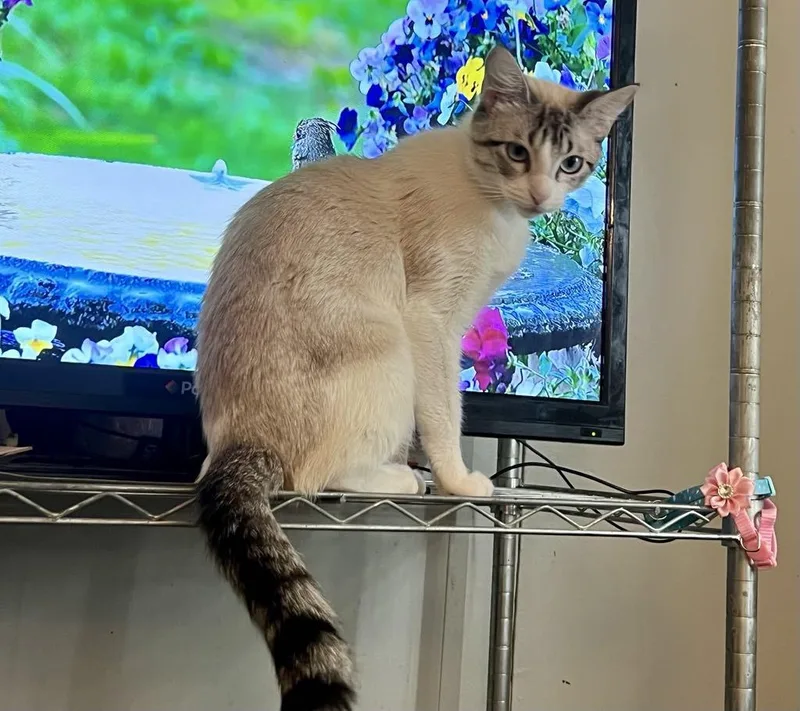
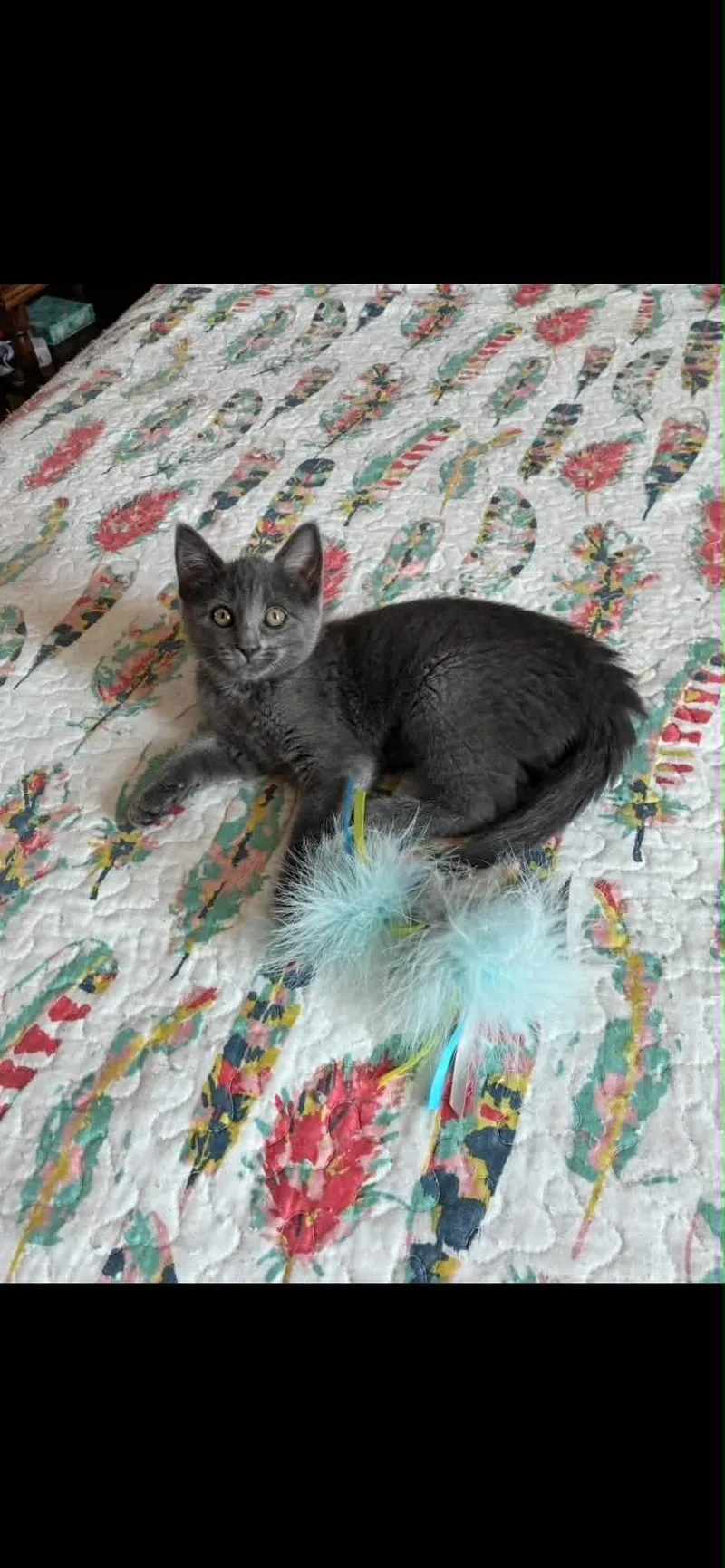
Nebelungs Available for Adoption Near Omaha

About the Nebelung breed

The Nebelung is a young American breed, developed in the 1980s from two blue longhaired kittens, Siegfried and Brunhilde. The name comes from the German word for mist, and Russian Blue outcrosses helped set the type. Adults are medium, graceful cats of about 7 to 14 pounds with a semi-long silky coat of blue tipped in silver and vivid green eyes.

Many Nebelungs bond closely with a few people and stay watchful around strangers, so they do best with calm routines. The coat tangles less than many longhairs but still needs weekly brushing, with heavier shedding in spring and fall. In an Omaha winter, a quiet home with a sunny window and a cat tree gives this cat what it needs. Cats vary, and each one's comfort level matters more than breed.

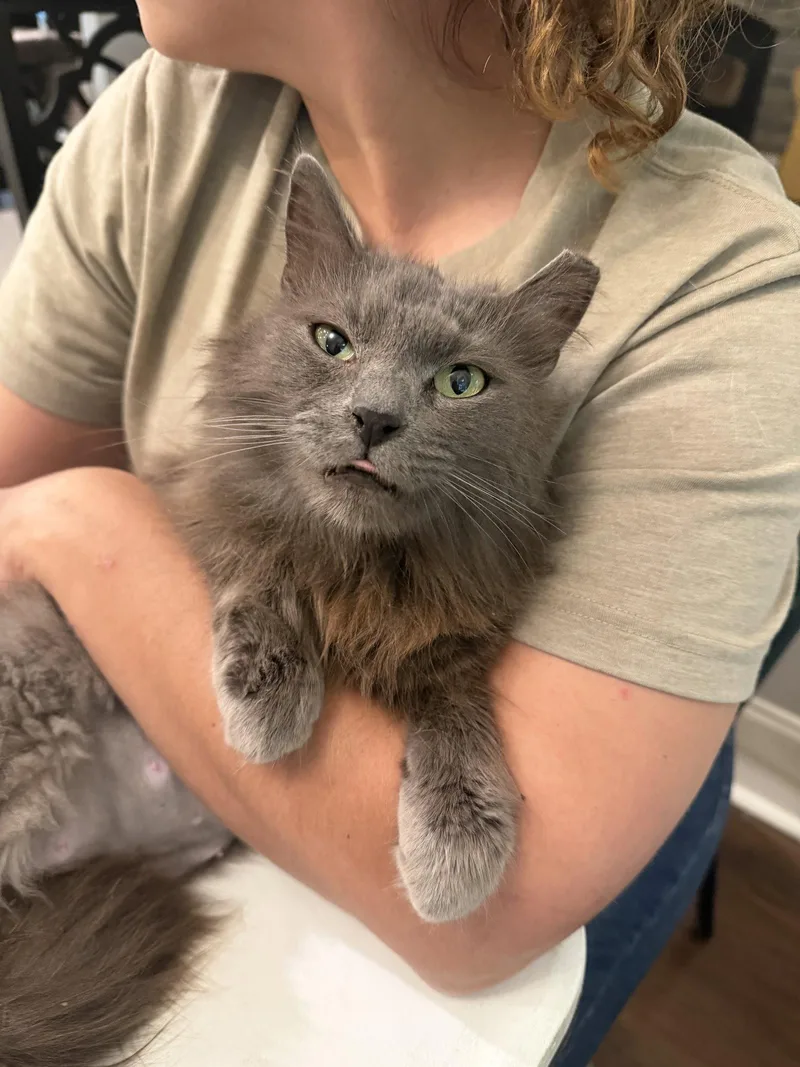
Weight
7–14 lbs
Height
9–12 in
Lifespan
11–18 yrs
Temperament
Gentle, Quiet, Devoted
Shedding
Moderate

Owning a Nebelung in Omaha

Having a Nebelung in Omaha

Nebelungs are quiet, moderately active indoor cats with few documented breed-specific health problems. In Omaha, the main questions are how a reserved cat copes with a busy household, storms and fireworks, and whether your home offers calm space.

Temperament

Nebelungs tend to be devoted to a few people and cautious with visitors, often hiding until company leaves. Loud noise is a common stressor, which matters in Omaha around the July 2–4 and New Year's Eve fireworks and spring thunderstorms. A quiet room with a hiding spot helps, and each cat's own comfort level is the best guide.

Exercise Needs

Plan on moderate play each day: wand toys, balls and a cat tree, usually in short bursts. Puzzle feeders add mental work. Omaha's long winters keep cats inside, so a window perch, a scratching post and two or three short play sessions help prevent boredom and weight gain in an indoor Nebelung.

Health Considerations

No breed-specific inherited disease is widely documented, though the breed is small and little studied. Dental disease, obesity, urinary problems and kidney or heart disease can affect any cat. Rabies vaccination is required in Nebraska, and a veterinarian can check weight, teeth and heart at a first exam after adoption.

Living Space

A Nebelung usually does well in a quiet apartment, condo or house with predictable routines. Hiding places, high perches and a window view help a shy cat settle. Omaha's mix of Midtown condos, older homes and newer apartment buildings can all work if the household is calm. Constant visitors may stress this breed.

What it costs to own a Nebelung in Omaha

ExpenseTypical costPer year
Food$25 to $50 per month$300 to $600
Pet insurance$25 to $50 per month$300 to $600
Routine vet care$150 to $350 per year$150 to $350
Other*$522 to $1,272 per year$522 to $1,272
Estimated yearly total (after year one)$1,272 to $2,822

Other costs are estimates and vary with size, age and health.

* The Omaha cat license, litter, flea prevention, a dental cleaning allowance, toys, scratchers and supplies, and grooming tools for the semi-long coat.

Adopt a Nebelung in Omaha.

Now that you know more, let’s find you a new best friend. These rescues and shelters below have cats available in and near Omaha.

Rescues and Shelters in or near Omaha

Omaha's shelters and foster-based rescues take in cats of every coat and temperament, so a blue longhair may turn up here. Here are the rescues & shelters in the Omaha area with cats available for adoption, worth asking whether a Nebelung is coming in.

Frequently Asked Questions

Yes. Omaha has no known breed-specific rules for cats, so a Nebelung is treated like any other cat. You'll need a city license by 4 months of age, a current rabies vaccination, and no more than five cats in the household without a permit. The breed is very rare, so a blue longhair listed here may be a domestic longhair.

Yes, a Nebelung usually suits an Omaha apartment, since it's quiet, moderately active and content indoors. Look for a calm building with little hallway noise, and give the cat a perch, a hiding spot and daily play. Blackstone and Midtown Crossing both offer apartment living, and a cat tree by the window makes any unit feel bigger.

Often yes, especially for people with steady schedules who want a quiet companion. Long Omaha winters suit an indoor cat that likes routine and a lap on its own terms. A busy home with frequent guests may be harder for a reserved Nebelung, and the cat's own comfort level matters more than breed. Watching how a cat reacts to handling and noise can help you decide.
Yes, for an indoor cat. The dense double coat copes with Omaha's cold, and fans or air conditioning handle humid July heat. The bigger risks are storms and outages: keep a carrier ready, choose an interior room for tornado warnings, and keep the cat indoors year-round, since freezing weather and summer heat both make going outside risky.

Only in a carrier. Metro buses, including ORBT, require pets to ride in a carrier unless they're service animals, and the carrier goes on your lap or the floor, not a seat. A Nebelung's medium build fits a standard carrier, but short, calm trips work best for a shy cat. Omaha has no subway or rail line.

Plan on brushing weekly, and a few times a week during spring and fall shedding. The silky coat tangles less than many longhairs. Omaha's dry heated winter air can add static, so brush gently then. Most owners groom at home, with brushes and combs counted in the Other costs, so a professional groomer usually isn't needed.

Yes, Nebelung cats are very rare. The breed was created only in the 1980s, is recognized by TICA but not CFA, and has just a handful of active programs worldwide, mostly in Europe and Russia. Most blue longhaired cats in shelters are domestic longhairs rather than Nebelungs, though many share a similar soft look and gentle temperament.

A Nebelung is a medium-sized, semi-longhaired cat breed with a solid blue coat tipped in silver and bright green eyes. It was developed in the United States in the 1980s and is closely related to the Russian Blue. Nebelungs are typically gentle, quiet and devoted to their families, while staying reserved with strangers.

You can only confirm a Nebelung through registration papers or a documented pedigree. Clues include a semi-long, silky solid blue coat with silver tipping, green eyes in adulthood, a graceful medium body and a plumed tail. Many domestic longhairs look similar, so a blue fluffy cat from a shelter is most likely a lovely domestic longhair.

Expect roughly $1,270 to $2,820 a year for a Nebelung in Omaha, covering food, insurance, routine vet care and other costs such as litter, flea prevention, dental care and the city license. Food and insurance each run $25 to $50 a month, and routine vet care $150 to $350 a year. Emergencies come on top.