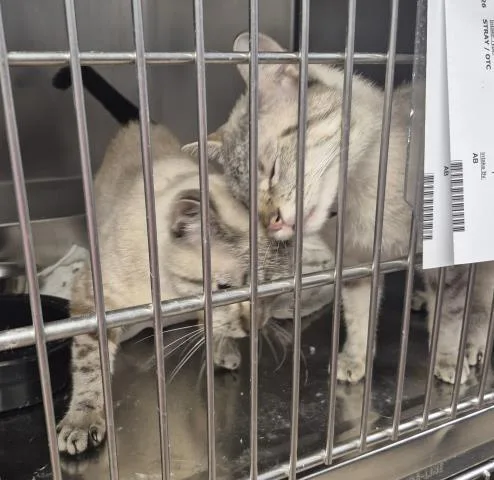
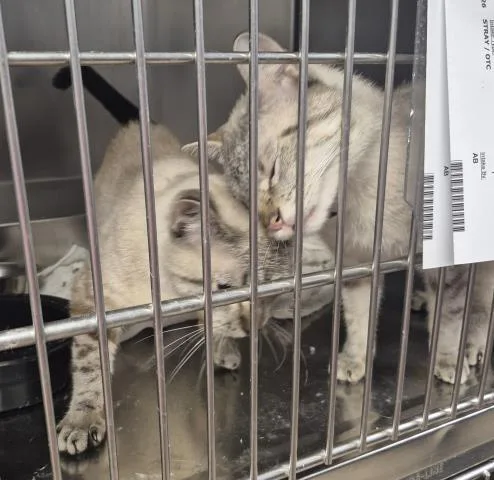
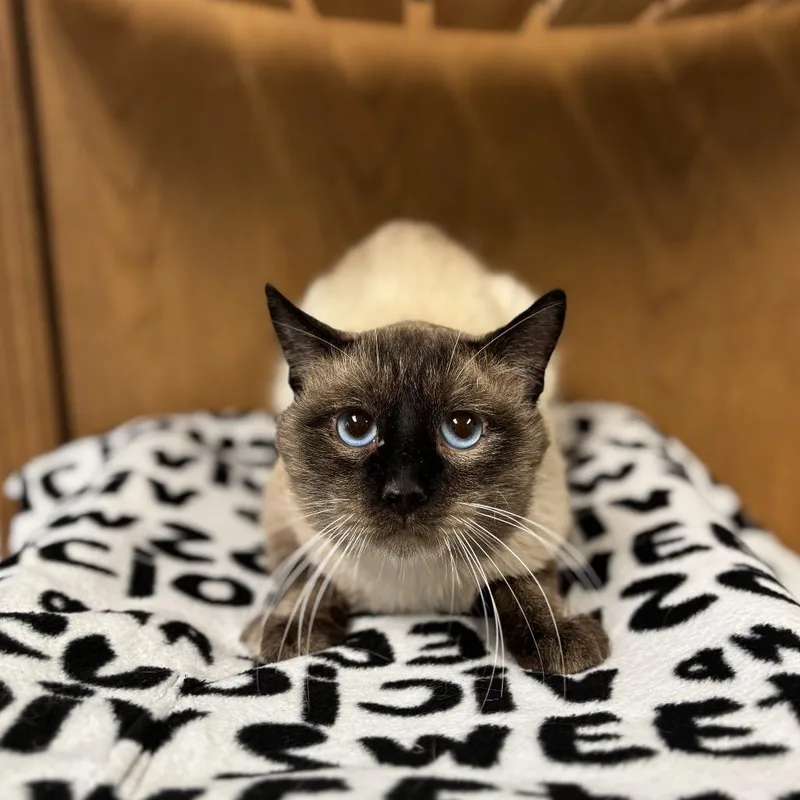
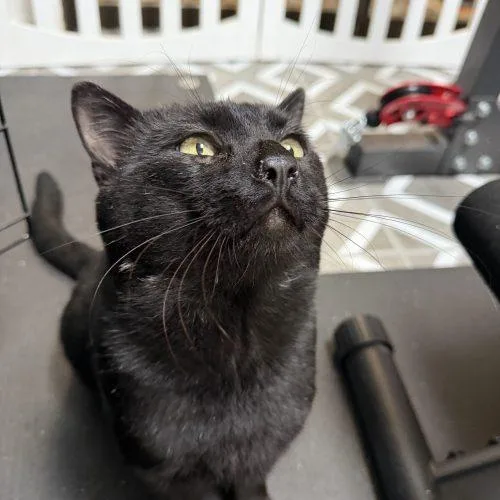
Havana Cats for Adoption in Omaha, NE

Your guide to finding and caring for a Havana in Omaha

A Havana suits Omaha's apartment neighborhoods well, since it cares more about company than square footage. In Blackstone or Aksarben Village, a window perch over the street gives a curious Havana plenty to watch, and a wand-toy session after work covers most of its exercise. Havanas like being part of the action, so they do best with someone home for part of the day. The breed is rare, so you may also meet brown shorthaired cats and Havana mixes.

2798 cats similar to Havana available in Omaha and nationwide

Give a Havana Brown a home

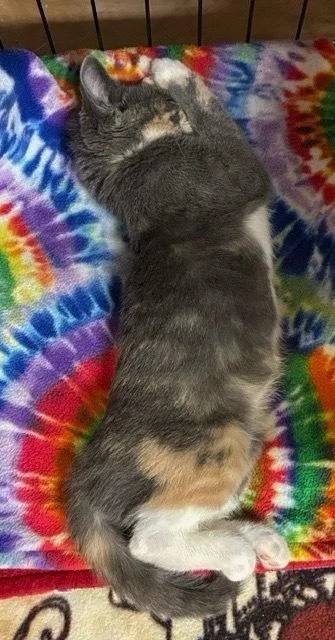
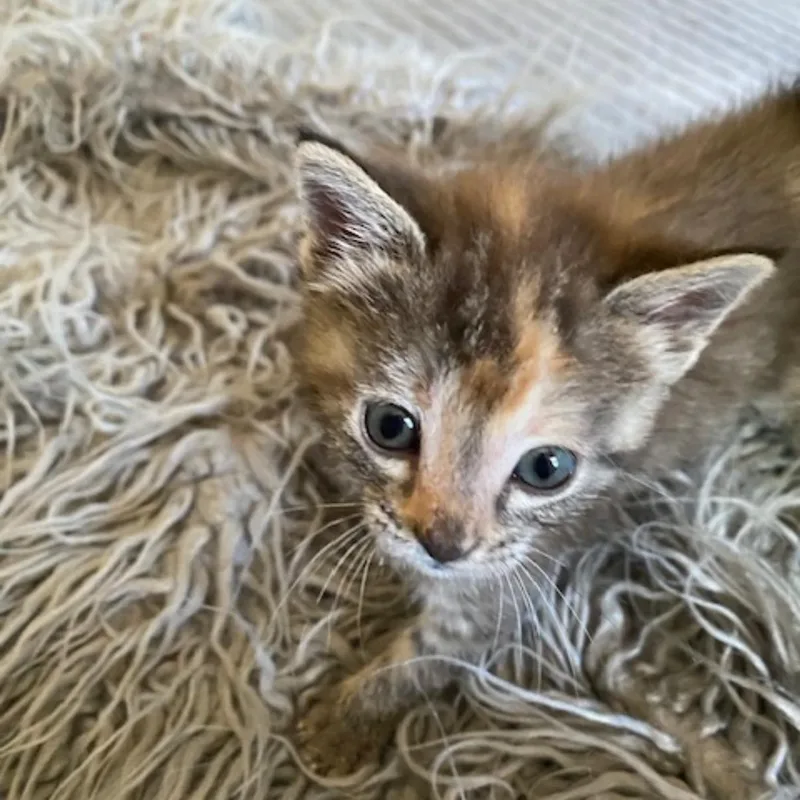
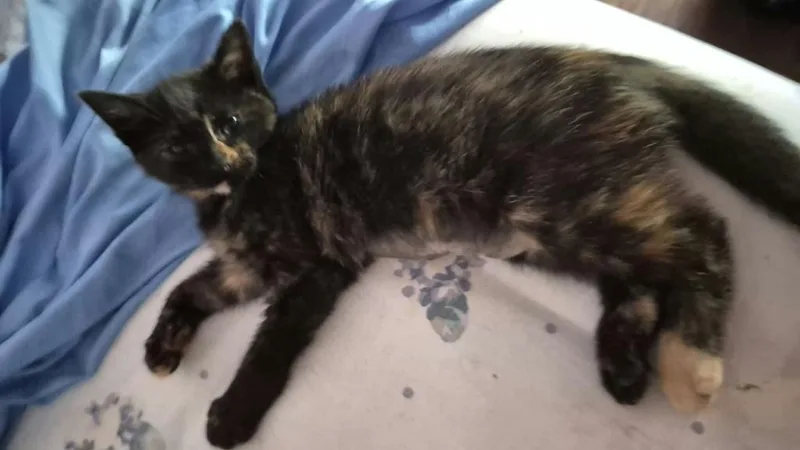
Havanas and Similar Breeds Available for Adoption Near Omaha

About the Havana breed

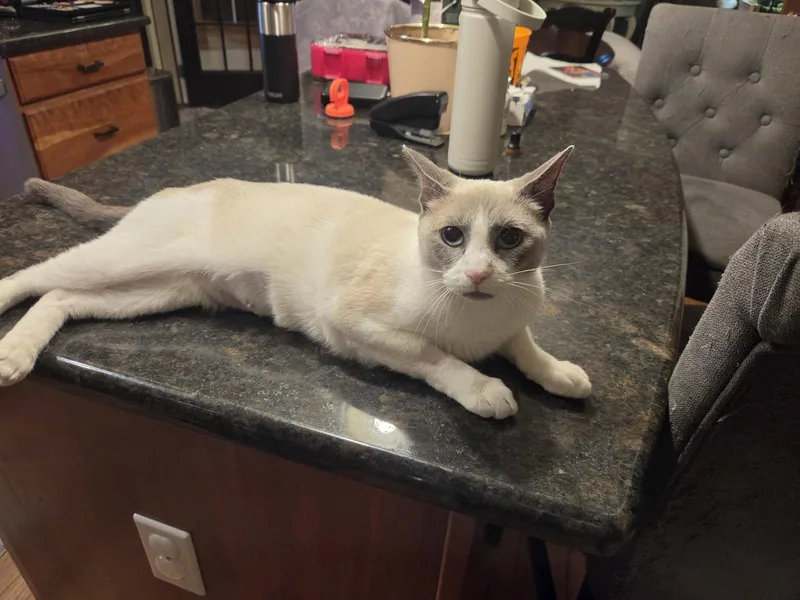
The Havana, called the Havana Brown by some registries, came out of 1950s Britain, where chocolate-carrying Siamese cats were paired with black domestic shorthairs. The result is a medium, muscular cat with a glossy chocolate coat, brown whiskers, green eyes, large forward-tilted ears and a squared-off muzzle.

Havanas are usually curious and people-focused, and many chat in a softer voice than a Siamese. The short coat needs only a quick brush, which suits apartments and houses alike. Registered Havanas are genuinely rare, so cats you meet in Omaha are more often brown shorthairs or Havana mixes, and each cat's personality matters more than its label. Spend time with a cat before deciding, and expect a companion that wants to be included.

Weight
6–10 lbs
Height
9–11 in
Lifespan
10–15 yrs
Temperament
Social, Curious, Affectionate, Playful
Shedding
Low

Owning a Havana in Omaha

Having a Havana in Omaha

Expect a sleek, low-shedding cat that wants a role in the household. Daily play, a few window perches and company for part of the day matter more than space, and Omaha's long winters make indoor enrichment a real part of the routine.

Temperament

Havanas are often affectionate, curious and quick to greet visitors rather than hide. Many follow their people from room to room and tap things with a paw to investigate. Some get lonely during long workdays, so a friendly second pet or midday company can help. Breed is only a guide, and each cat's own personality counts most.

Exercise Needs

Plan on two or three short play sessions a day with wand toys, balls and puzzle feeders. A tall cat tree by a window gives a Havana something to climb and watch. Indoor play carries most of the load through Omaha's cold months, so rotate toys. Coyotes have been reported in parts of the city, another reason to keep cats indoors.

Health Considerations

No breed-specific genetic disease is well documented in Havanas, though gum inflammation may be somewhat more common. Regular tooth care and yearly checkups help catch problems early. A veterinarian can check a newly adopted cat's teeth, weight and overall health, and keep vaccinations current, including the rabies vaccine Nebraska law requires.

Living Space

A Havana does well in a Midtown apartment or a West Omaha house alike, because company and enrichment matter more than square footage. Offer window perches, a cat tree and a couple of hiding spots. Keeping a Havana indoors also avoids traffic and coyotes, and secure window screens protect a curious cat.

What it costs to own a Havana in Omaha

ExpenseTypical costPer year
Food$25 to $50 per month$300 to $600
Pet insurance$25 to $50 per month$300 to $600
Routine vet care$150 to $350 per year$150 to $350
Other*$472 to $1,172 per year$472 to $1,172
Estimated yearly total (after year one)$1,222 to $2,722

Other costs are estimates and vary with size, age and health.

* The yearly Omaha cat license for a spayed or neutered cat, litter, flea prevention, a dental cleaning allowance, toys, scratchers and other supplies, and minimal home grooming for the short coat.

Adopt a Havana in Omaha.

Now that you know more, let’s find you a new best friend. These rescues and shelters below have cats available in and near Omaha.

Rescues and Shelters in or near Omaha

Omaha's animal welfare community includes a large open-admission shelter and foster-based rescues that help cats find homes. Here are the rescues & shelters in the Omaha area with cats available for adoption, worth asking whether a Havana is coming in.

Frequently Asked Questions

Yes. Omaha's breed-specific rules apply to certain dogs, not cats, so a Havana is treated like any other cat. The city requires a license by four months old, cheaper for spayed or neutered cats, and Nebraska law requires rabies vaccination. Havanas are rare, so watch the listings on this page for Havanas and brown shorthaired mixes.

Yes, a Havana adapts well to apartment life because it needs company and enrichment more than space. Give it a window perch, a cat tree and daily wand-toy play. Pet policies differ from building to building, so read your lease before you commit, and plan for someone to be home part of the day.

Yes, as indoor cats. Omaha sees about 135 freezing nights a year and occasional sub-zero stretches, and a Havana's short coat offers little insulation. Keep the cat inside with warm bedding and a sunny perch, and have blankets ready in case of a power outage. Indoor play keeps a Havana active when it's too cold outside.

Yes, if the Havana stays in a carrier. Metro's rules require pets other than service animals to ride in a carrier, which covers buses and ORBT. Omaha has no subway, and the streetcar isn't open yet. Keep the carrier on your lap or the floor and out of the aisle. A medium-sized Havana fits a standard carrier.

Very little. A Havana's short, low-shedding coat needs only a quick weekly brush, and a damp cloth wipe now and then. Dry heated air in Omaha winters can cause some dander, so brushing helps. Nail trims and tooth care matter more, and doing grooming at home keeps this part of yearly costs small.

Yes, for people who enjoy a chatty, involved cat and can offer daily play and company. Omaha's long winters mean more time indoors together, which a Havana tends to enjoy. It's a harder match for households that are away all day, since Havanas can get lonely. Cats of the same breed still vary.

A Havana cat, also called the Havana Brown, is a rare shorthaired breed developed in Britain in the 1950s from Siamese and black domestic cats. It is recognized by its rich chocolate-brown coat, brown whiskers, green eyes and distinctive muzzle. Havanas tend to be social, curious and people-focused, and few are available, so brown shorthaired mixes are more common in shelters.

Expect roughly $1,200 to $2,700 a year for a Havana in Omaha. Food runs $25 to $50 a month and insurance $25 to $50 a month. Routine vet care is $150 to $350 a year, and other costs such as litter, dental care, flea prevention, supplies and the city license add $472 to $1,172. Illness and emergencies are extra.