Domestic Long Hair Cats for Adoption in Omaha, NE

Your guide to finding and caring for a Domestic Long Hair in Omaha

A Domestic Long Hair fits an Aksarben Village apartment about as well as a house in Millard. The name just means a mixed-ancestry cat with a long coat, so looks and personalities vary, but most settle into indoor life without fuss. What they need is a brush a few times a week and a window perch to watch the squirrels in Elmwood Park. Plan on fur on the couch year-round, and on a lint roller by the door.

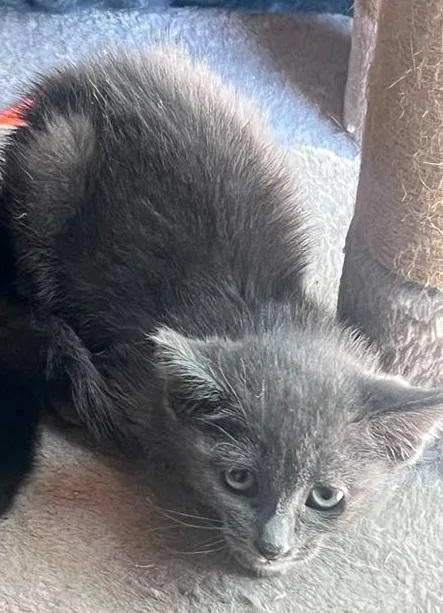
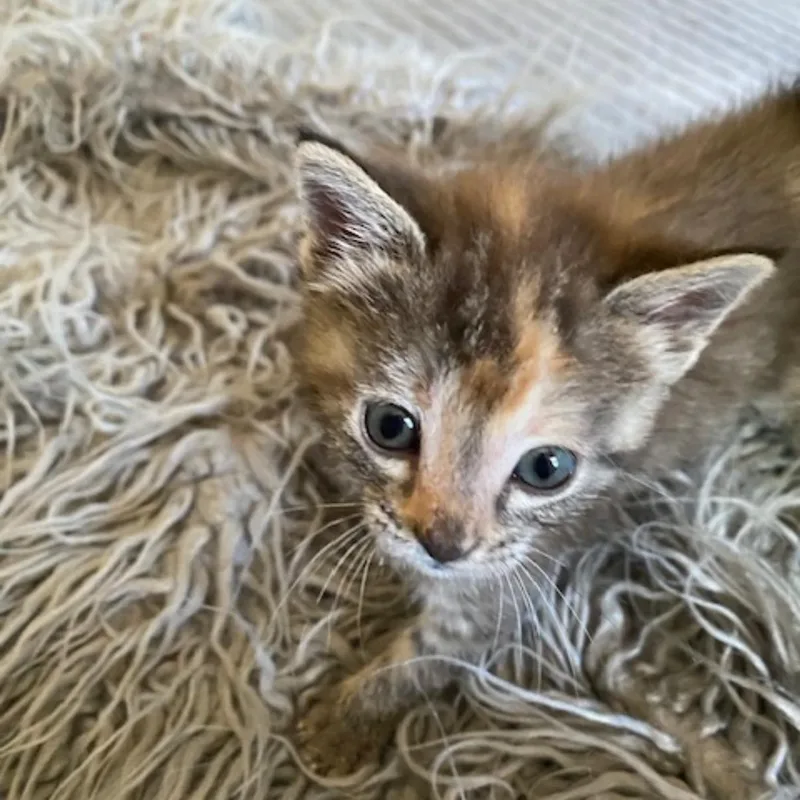
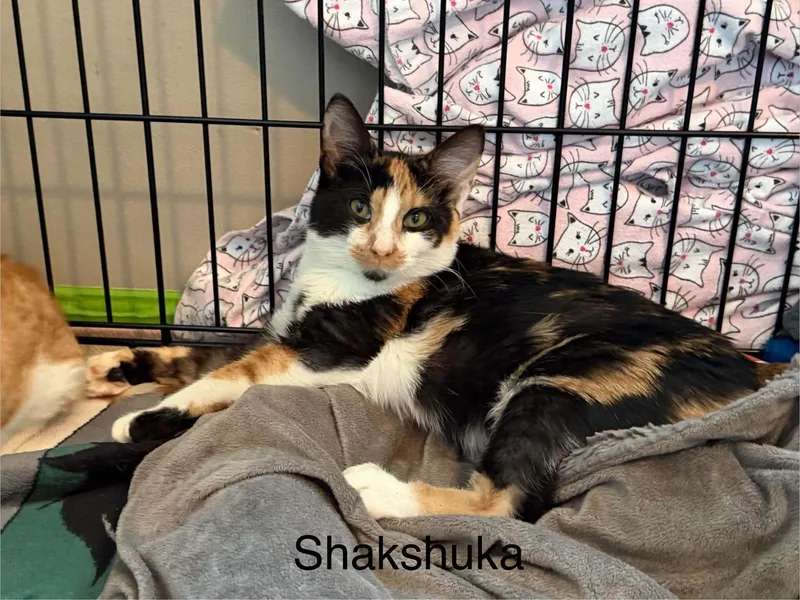
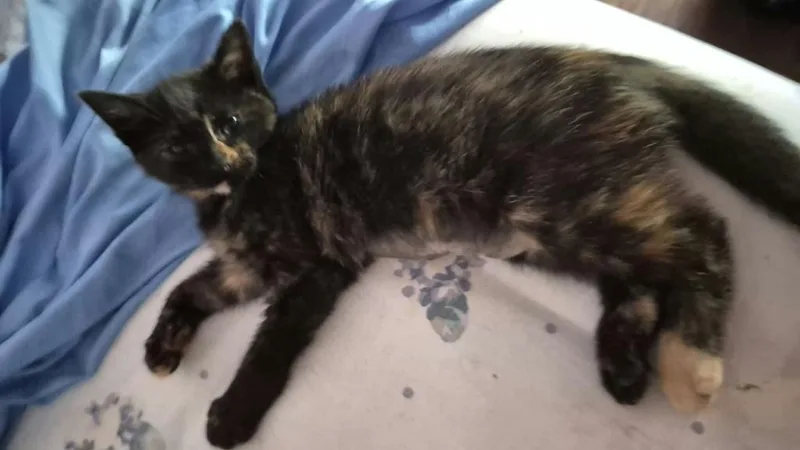
18 Domestic Long Hairs available for adoption in Omaha

Your Domestic Long Hair is waiting

Domestic Long Hairs Available for Adoption in Omaha

About the Domestic Long Hair breed

Domestic Long Hair isn't a recognized breed. It's the label used for a mixed-ancestry cat with a medium-to-long coat, and these cats come in every color and pattern, from tabby and calico to solid black and smoke. Some look like a Maine Coon or a Persian, though they don't share that ancestry. Most adults weigh 8 to 15 pounds, and the fluff can make them look even bigger.

Because there's no breed standard, size, coat texture and temperament differ from cat to cat. What they have in common is a coat that mats and sheds without regular brushing, and the broad genetic mix that tends to keep mixed cats sturdy. Many live 12 to 18 years, so adopting one is a long commitment worth planning for.

Weight
8–15 lbs
Height
8–11 in
Lifespan
12–18 yrs
Temperament
Adaptable, Affectionate, Gentle
Shedding
Moderate to High

Owning a Domestic Long Hair in Omaha

Having a Domestic Long Hair in Omaha

Domestic Long Hair describes a coat type, not a pedigree, so size and personality vary widely. For Omaha adopters, the practical points are a steady grooming routine, keeping the cat indoors, and some planning for cold winters and stormy springs.

Temperament

A Domestic Long Hair's personality comes from its genes, early socialization and life history, not a breed profile. Some are mellow lap cats, others bold explorers or shy cats that need time. Many turn out affectionate and adaptable once settled, which helps in an apartment with a busy household.

Exercise Needs

Most Domestic Long Hairs do well with two or three short play sessions a day using wand toys, balls or puzzle feeders. Play keeps weight in check, which matters because overweight longhaired cats struggle to groom themselves. In Omaha's long winters, climbing shelves and window perches give indoor cats plenty to do.

Health Considerations

Mixed ancestry means Domestic Long Hairs aren't tied to the inherited problems of particular breeds. Their main coat issues are mats, hairballs and soiled fur near the rear, especially in older or heavier cats. Dental disease, obesity and kidney disease are common in cats generally, so yearly vet exams and a rabies vaccine, which Nebraska requires, matter.

Living Space

A Domestic Long Hair can thrive in a Midtown apartment or a West Omaha house as long as it has litter boxes, scratching posts, hiding spots and something to climb. Staying indoors protects the coat from burrs and the cat from traffic and coyotes. A grooming routine matters more than square footage.

What it costs to own a Domestic Long Hair in Omaha

ExpenseTypical costPer year
Adoption fee$50 to $175, one time$50 to $175 in year one
Food$25 to $50 per month$300 to $600
Pet insurance$20 to $45 per month$240 to $540
Routine vet care$150 to $350 per year$150 to $350
Other*$522 to $1,272 per year$522 to $1,272
Estimated yearly total (after year one)$1,212 to $2,762
First-year total (with adoption fee)$1,262 to $2,937

Adoption fee is the range of fees on Domestic Long Hair listings in Omaha on GetBuddy today. Other costs are estimates and vary with size, age and health.

* Cat litter, the Omaha cat license, flea prevention, a dental cleaning allowance, toys, scratchers and supplies, and grooming for the long coat.

Adopt a Domestic Long Hair in Omaha.

Now that you know more, let’s find you a new best friend. These rescues and shelters below currently have Domestic Long Hairs available.

Rescues in Omaha with Domestic Long Hairs Available

Omaha's shelters and rescues care for cats of every coat length, including longhaired mixes waiting for homes. Here are the rescues & shelters in the Omaha area where you can find Domestic Long Hairs and other cats available for adoption.

Frequently Asked Questions

Yes, any adult can adopt a Domestic Long Hair in Omaha, and no breed-specific rules apply to cats. You'll need to license the cat by four months of age, keep its rabies vaccination current, and stay within the five-cat household limit unless you hold a permit. Spayed or neutered cats have a lower license fee.

Yes, a Domestic Long Hair usually does well in an Omaha apartment when it has a litter box, scratching posts and a window perch. About 43% of Omaha households rent, so confirm your lease's pet terms first. Nebraska caps a refundable pet deposit at one-quarter of a month's rent, so any larger deposit is worth questioning.

Yes, as long as the cat lives indoors. The thick coat copes well with Omaha's cold winters, which bring about 135 freezing nights a year, but summers in the mid-80s with humidity and some 90-degree days call for a cool room, fresh water and regular brushing. Spring storms also mean keeping a carrier ready.

Yes, but only in a carrier. Metro's passenger rules require all pets, except service animals, to stay in a carrier, and that covers ORBT as well. Omaha has no subway or rail system, so buses are the option. Put the carrier on your lap or the floor, not a seat, and keep it out of the aisle.

Plan on brushing a few times a week, and daily during spring and fall shedding. Dry winter air can add tangles, and summer humidity can make loose undercoat clump. A professional trim for stubborn mats is occasionally worthwhile, and that grooming allowance is already counted in the Other line of the cost table.

Often, yes, for people who can commit to indoor living and regular brushing. The cat's adaptable nature suits everything from an Aksarben Village apartment to a Millard house, and its coat copes with the cold winters. Since coyotes have been reported in some neighborhoods, an enclosed outdoor space is the safer way to give it fresh air.

You can usually tell a kitten will have long hair by about three to four weeks old, when its fur looks noticeably fluffier than its littermates'. Look for longer tufts on the ears, between the toes and on the tail, plus a softer, fuller coat overall. The full adult coat, ruff and tail plume can take one to two years to develop.

Yes, long hair is a recessive trait in cats. A kitten needs two copies of a long-hair variant, usually in the FGF5 gene, one from each parent, to grow a long coat. Two shorthaired parents can produce longhaired kittens if both carry the variant, while a longhair bred to a cat with two short-hair copies produces only shorthaired kittens.

We have 3 rescues with Domestic Long Hairs available: Feline Friendz in NE, Nebraska Humane Society and Stray to Spay. You can see every rescue with Domestic Long Hairs available in the list above these questions, or scroll to the top to see the Domestic Long Hairs in Omaha.

Expect roughly $25 to $50 a month for food and $20 to $45 for optional pet insurance. Routine vet care runs about $150 to $350 a year, and other yearly costs, including litter, flea prevention, dental care, supplies, grooming and the Omaha license, add $522 to $1,272. Altogether that's roughly $1,200 to $2,750 a year.