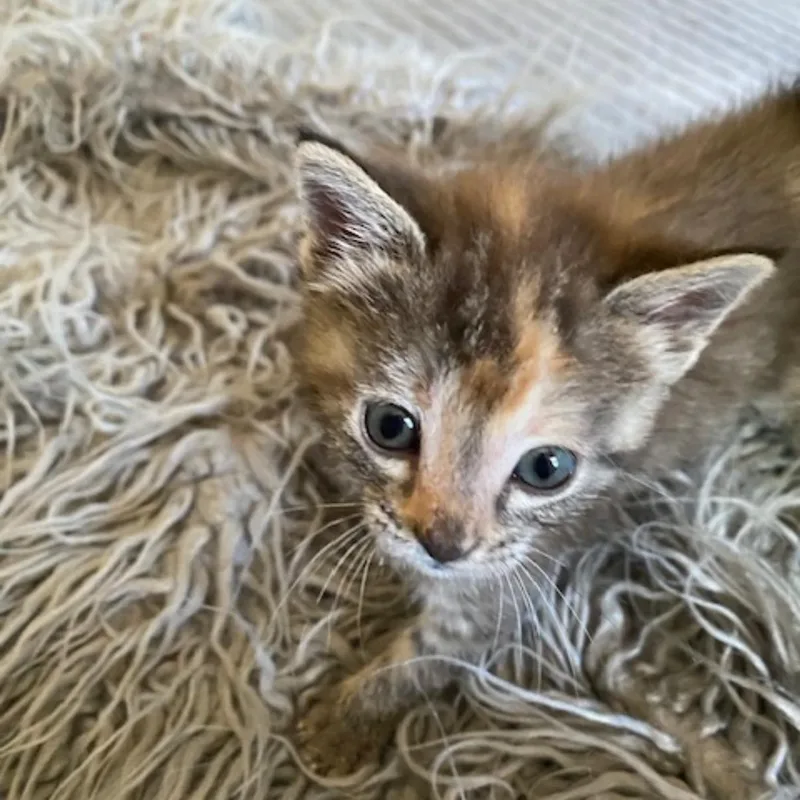
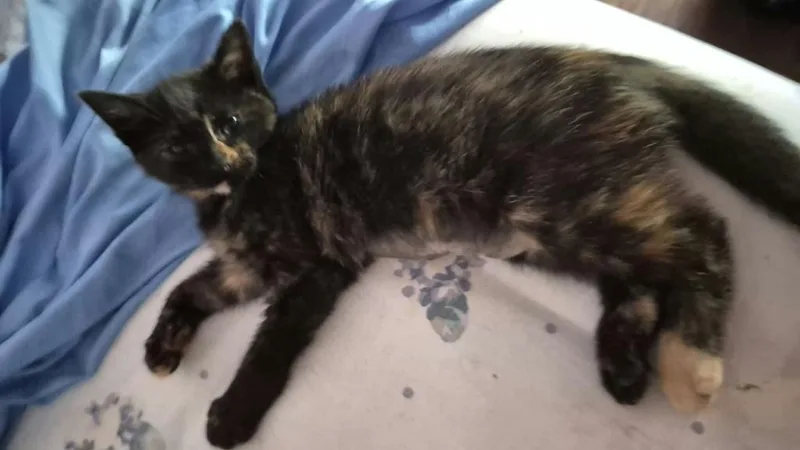
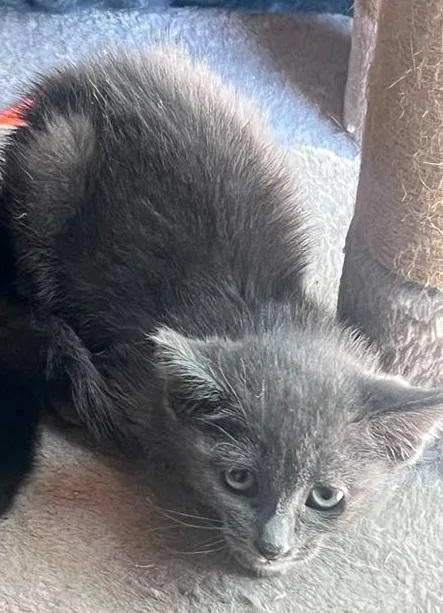
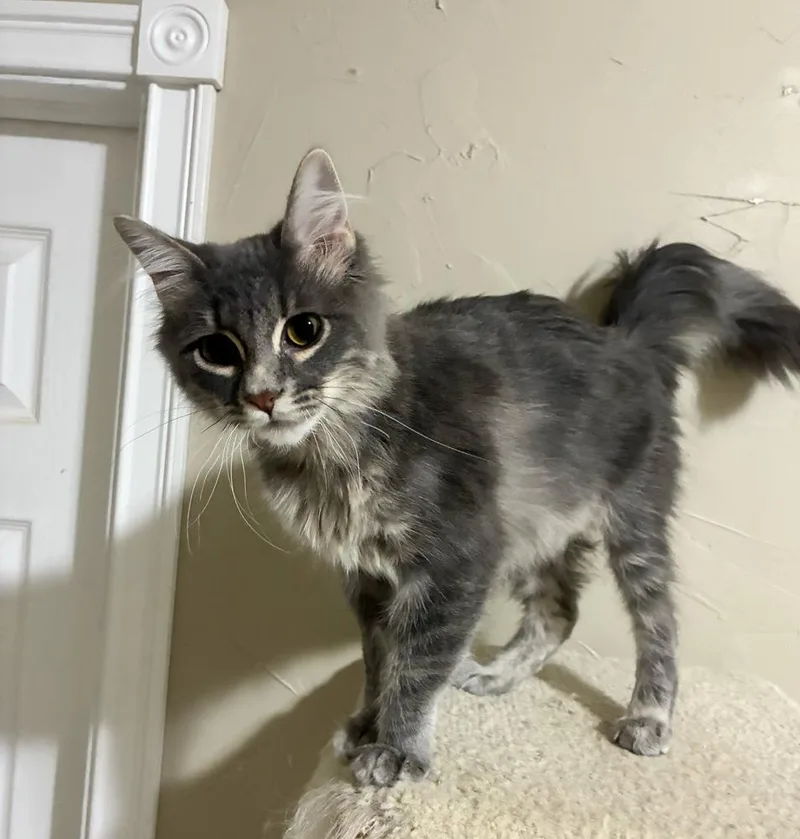
Calico Cats for Adoption in Omaha, NE

Your guide to finding and caring for a Calico in Omaha

Calicos fit Omaha's apartment neighborhoods well, whether that's a flat in Blackstone or a unit at Aksarben Village. Calico is a coat pattern rather than a breed, so energy and temperament vary from cat to cat, but most are ordinary shorthairs happy with a window perch and a couple of play sessions a day. In a Midwest city with long, snowy winters, a perch by a sunny window gets used most from December through March.

1485 Calicos available in Omaha and nationwide

Bring home a Calico

While we don't have enough cats near Omaha, keep in mind that many rescues may offer transport.

Calicos Available for Adoption Near Omaha

About the Calico breed

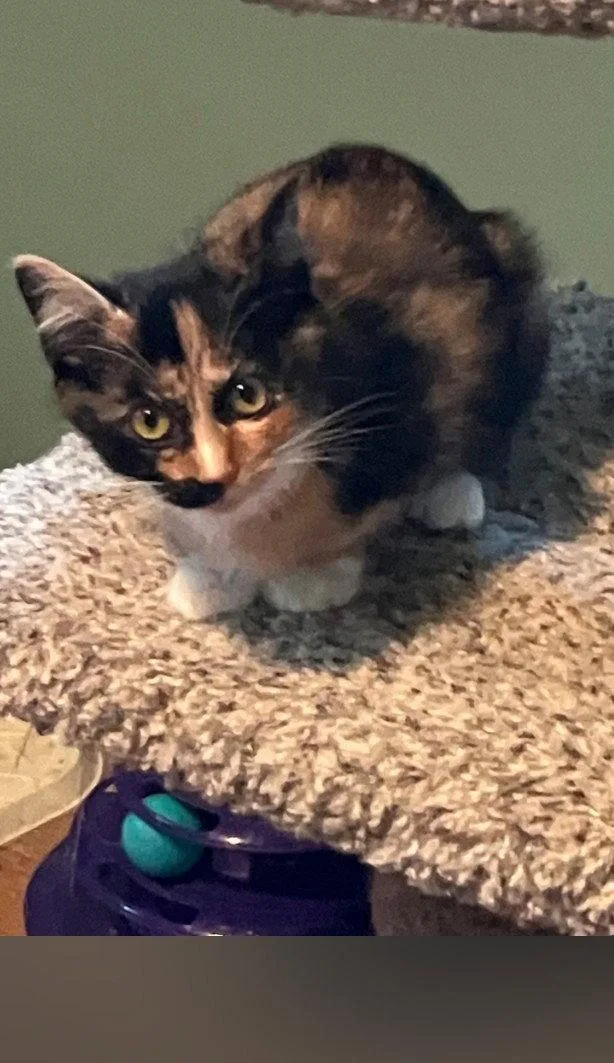
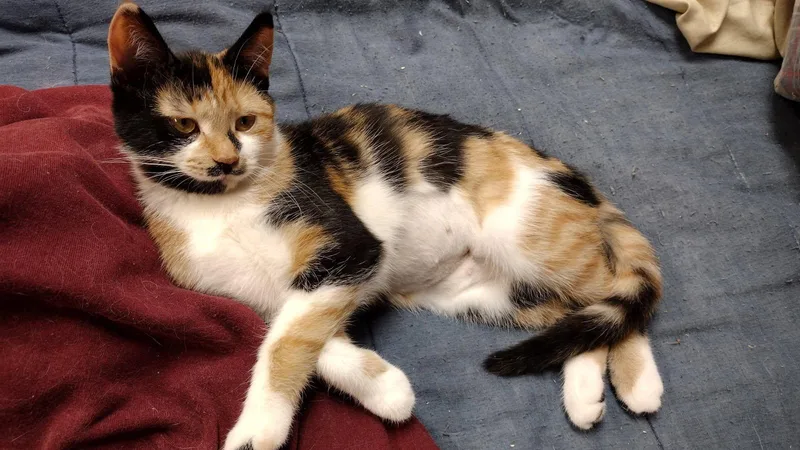
Calico describes a coat, not a breed: white with patches of black and orange, or soft gray and cream in the dilute version. The pattern turns up in domestic shorthairs, longhairs and many pedigreed cats, and nearly all calicos are female. The calicos you meet in Omaha are mostly domestic shorthairs, typically 6 to 12 pounds, with moderate shedding and a lifespan of 12 to 18 years.

Because the patches say little about personality, plan around the cat in front of you. Some calicos are shy and gentle, others bold and chatty. Look for a cat whose energy matches your routine, and budget a few minutes of brushing each week, more if her coat runs long. Many calicos love window watching, which is a fine hobby in any Omaha neighborhood.

Weight
6–12 lbs
Height
8–10 in
Lifespan
12–18 yrs
Temperament
Adaptable, Affectionate, Independent
Shedding
Moderate

Owning a Calico in Omaha

Having a Calico in Omaha

A calico's traits come from her ancestry, upbringing and age, not her colors. In Omaha, the practical questions are how she handles apartment life, long indoor winters and storm noise, and how much play and brushing her energy and coat call for.

Temperament

Calicos range from shy and gentle to bold and talkative, so temperament depends on the cat rather than the coat. Spayed females usually behave like any other house cat. Omaha's spring thunderstorms and the July 2–4 fireworks window can unsettle sensitive cats, so a quiet interior room with a hiding spot helps a nervous calico.

Exercise Needs

Plan on two or three short play sessions a day with wand toys, balls or food puzzles, and more for young cats. Omaha winters keep cats inside for months, so a tall cat tree, a window perch and rotating toys matter. A harness-trained calico can enjoy supervised time outdoors in milder months, though a catio is safer.

Health Considerations

Coat color doesn't cause health problems in female calicos, so care means vaccines, dental checks, weight control and yearly exams. Nebraska law requires rabies vaccination. Long indoor winters can let weight creep up, so measure meals. A veterinarian can check body condition, teeth and overall health soon after adoption.

Living Space

Calicos typically adapt to apartments and houses alike, given scratching posts, a perch and hiding spots. Omaha's mix of Midtown condos, converted historic homes and newer apartment buildings offers plenty of cat-friendly options. Keep her indoors, since coyotes have been reported in several neighborhoods, and use a catio or harness for safe outdoor time.

What it costs to own a Calico in Omaha

ExpenseTypical costPer year
Adoption fee$50 to $125, one time$50 to $125 in year one
Food$25 to $50 per month$300 to $600
Pet insurance$20 to $45 per month$240 to $540
Routine vet care$150 to $350 per year$150 to $350
Other*$472 to $1,172 per year$472 to $1,172
Estimated yearly total (after year one)$1,162 to $2,662
First-year total (with adoption fee)$1,212 to $2,787

Adoption fee is the range of fees on Calico listings in Omaha on GetBuddy today. Other costs are estimates and vary with size, age and health.

* The Omaha cat license for a spayed or neutered cat, litter, flea prevention, a dental cleaning allowance, toys and supplies, and home brushing.

Adopt a Calico in Omaha.

Now that you know more, let’s find you a new best friend. These rescues and shelters below currently have Calicos available.

Rescues in Omaha with Calicos Available

Omaha has a large open-admission shelter and foster-based rescues caring for cats of many coats and ages. Here are the rescues & shelters in the Omaha area where you can find Calicos and other cats available for adoption.

Frequently Asked Questions

Yes. Omaha's breed-specific rules apply to certain dogs, not cats. You'll need to license your cat at four months old, at a lower fee if she's spayed or neutered, keep her rabies vaccination current, and stay within the five-cat household limit. Browse the cats listed on this page, or save a search to hear when a new calico appears.

Yes, calicos usually do well in apartments, since most are moderate-energy shorthairs. Give her a window perch, a tall scratching post and two or three short play sessions a day, which matters through Omaha's long indoor winters. A shy cat may want a quiet room at first. Read your lease for pet rent and deposits before you sign.

Yes, as long as she lives indoors. Omaha winter nights regularly reach freezing and a few drop below 0°F, which is too cold for any cat to stay outside. Shorthaired calicos feel drafts more than longhaired mixes, so offer a covered bed and blankets away from windows, and wipe her paws after harness walks on salted sidewalks.

Yes, in a carrier. Metro buses, including ORBT, require pets to ride in a carrier unless they're service animals, and the carrier goes on your lap or the floor, not a seat, without blocking the aisle. Omaha has no subway or rail line. A ventilated carrier your calico already knows makes trips smoother.

Most calicos are shorthairs that need a quick brush once a week, while longhaired mixes need it several times a week. Shedding is moderate and rises in spring and fall, so brush more often then. Home brushing is part of the yearly Other costs, and professional grooming is rarely needed for a shorthaired calico.

Almost all calico cats are female, but not every single one. The genes for orange and black coat color sit on the X chromosome, so a cat normally needs two X chromosomes to show both colors at once. Roughly 1 in 3,000 calicos is male, usually because of an extra X chromosome, a genetic quirk rather than a separate type.

A calico cat is any cat with a three-color coat of white plus distinct patches of black and orange, or gray and cream in dilute calicos. Calico is a coat pattern rather than a breed, so it appears in domestic shorthairs, longhairs and many pedigreed breeds. Nearly all calicos are female because of how coat color genes are inherited.

Yes, calico cats can be male, but it is very rare. A male calico usually has XXY chromosomes instead of the typical XY, a condition similar to Klinefelter syndrome in people, or is a chimera formed from two embryos. These males are almost always sterile and may have extra health needs, so regular veterinary care is especially worthwhile.

We have 1 rescue with Calicos available: Feline Friendz in NE. You can see every rescue with Calicos available in the list above these questions, or scroll to the top to see the Calicos near Omaha.

Expect roughly $1,160 to $2,660 a year for a calico in Omaha. Food runs $25 to $50 a month, insurance $20 to $45, and routine vet care $150 to $350 a year. Other costs, including litter, flea prevention, dental care, supplies and the cat license, add $472 to $1,172 a year.

Find Calicos in Nearby Cities

Expand your search to find Calicos available for adoption near Omaha.