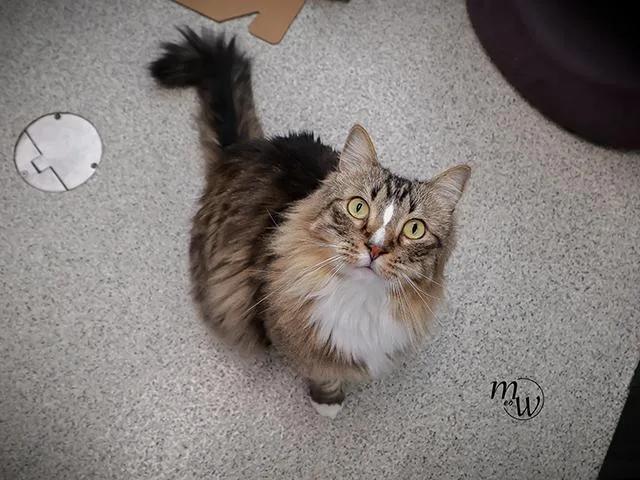
Bombay Cats for Adoption in Omaha, NE

Your guide to finding and caring for a Bombay in Omaha

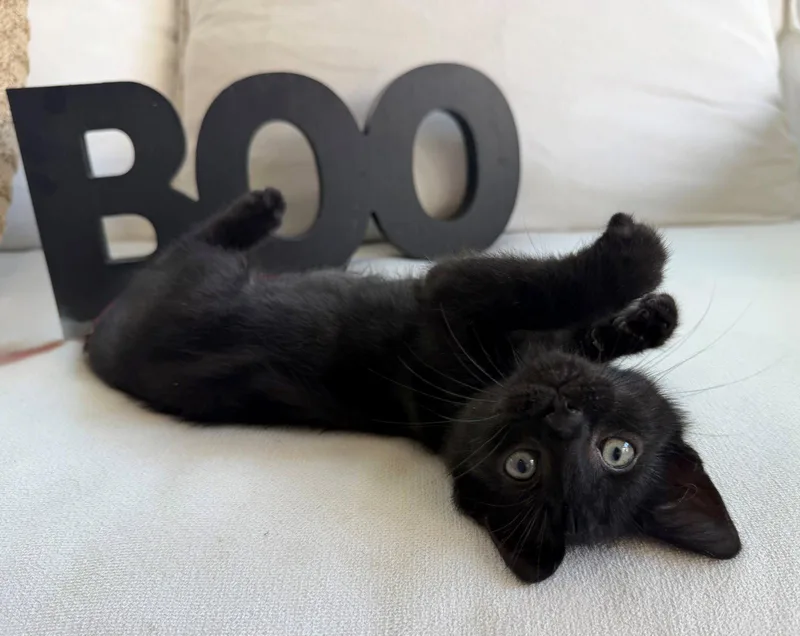
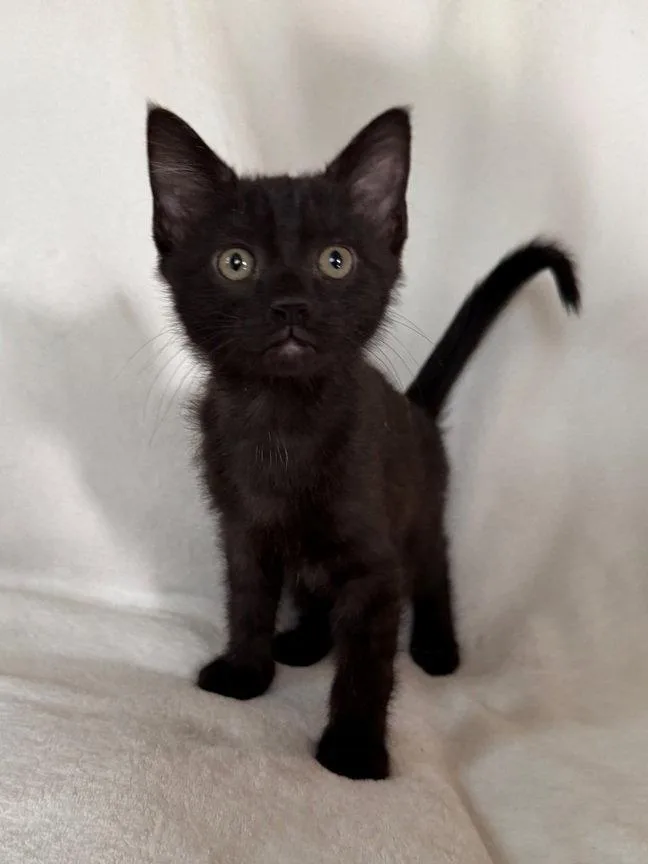
A Bombay is a good match for an Omaha apartment, because this cat wants company more than square footage. In a Blackstone walk-up or an Aksarben Village one-bedroom, a window perch, a cat tree and a wand toy keep a Bombay busy while you're home. They tend to follow you from room to room and claim a lap at night. Plenty of cats listed as Bombays are black shorthairs with the look, so personalities vary. The short coat needs almost no brushing.

597 Bombays available in Omaha and nationwide

Open your home to a Bombay

While we don't have enough cats near Omaha, keep in mind that many rescues may offer transport.

Bombays Available for Adoption Near Omaha

About the Bombay breed

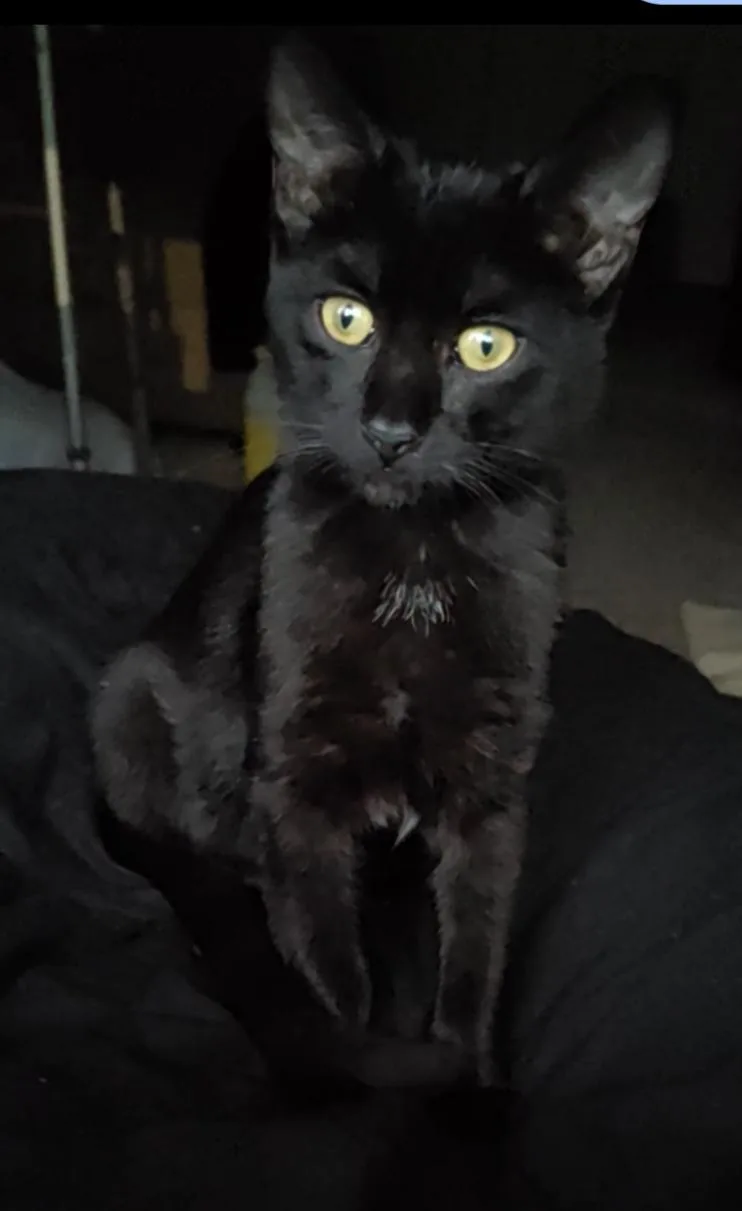
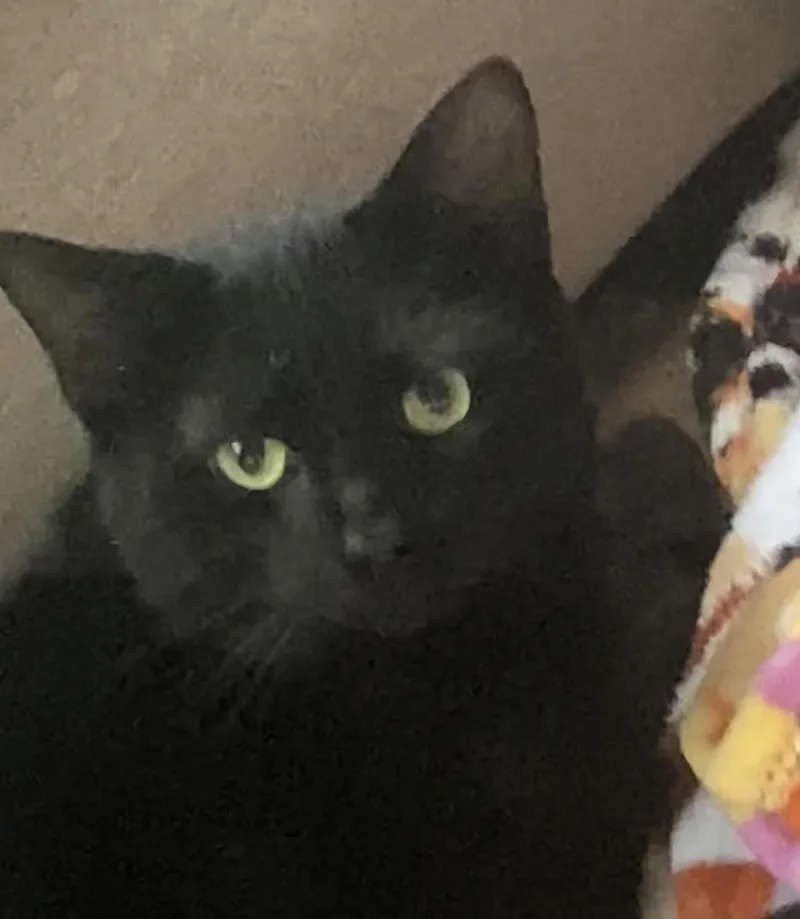
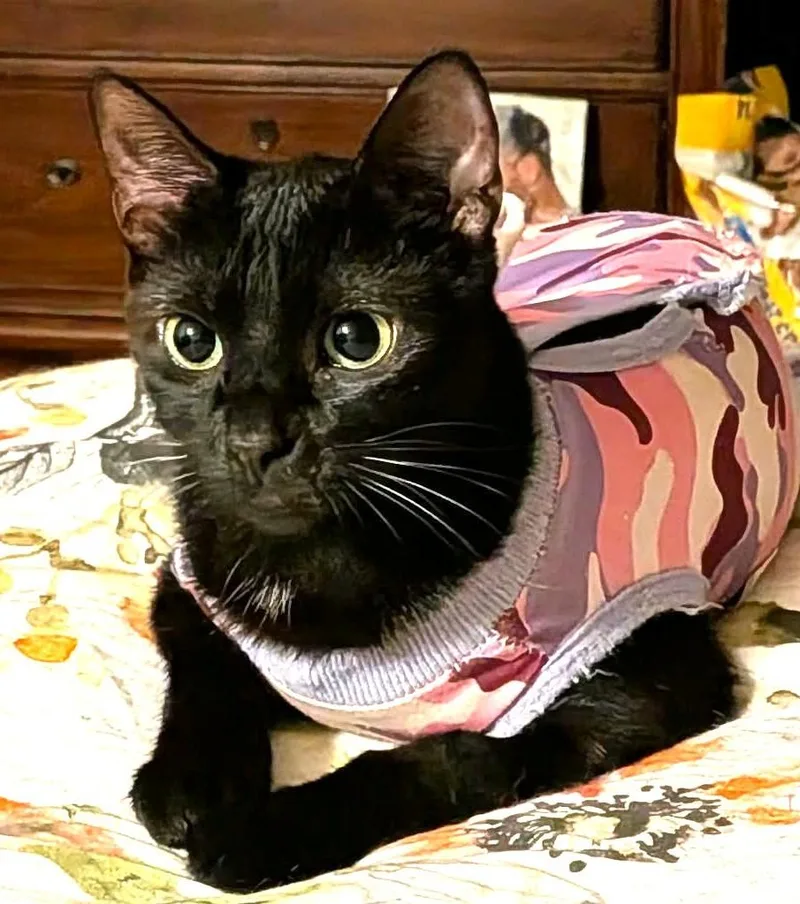
The Bombay was developed in the United States starting in the 1950s, when Nikki Horner of Kentucky crossed sable Burmese with black American Shorthairs, aiming for a miniature black panther. The result is a medium-sized cat, usually 6 to 12 pounds, with a satiny coat that is black to the roots, a black nose and paw pads, and round eyes in shades of gold to copper.

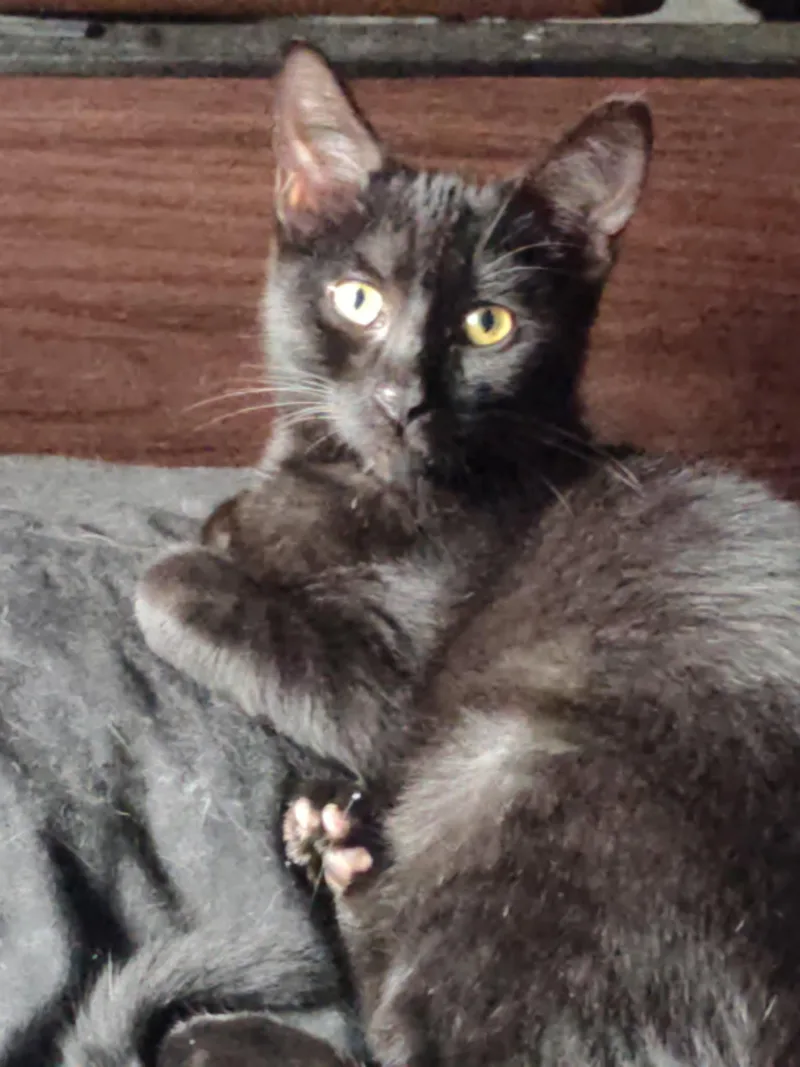
Bombays tend to be affectionate, playful and curious, which suits a home where someone is around part of the day. Pedigreed Bombays are uncommon in shelters, and most cats listed under the name are black domestic shorthairs who share the look, so each cat's personality matters more than the label. Omaha winters keep cats indoors for months, so play and perches do a lot of the work.

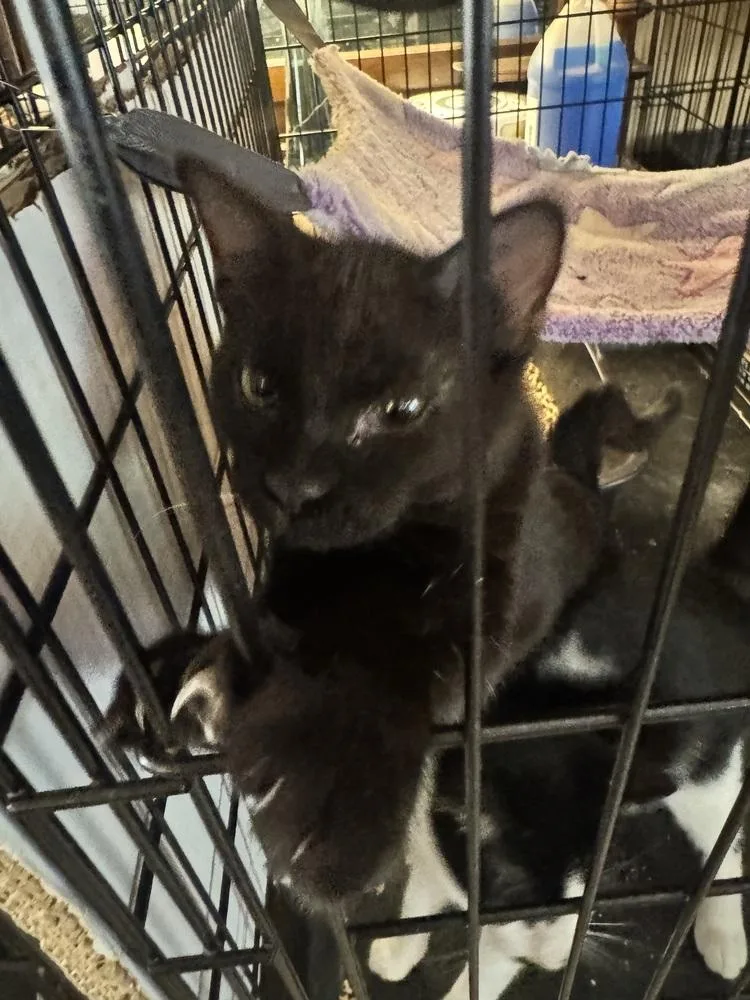
Weight
6–12 lbs
Height
8–10 in
Lifespan
12–15 yrs
Temperament
Affectionate, Social, Playful
Shedding
Low

Owning a Bombay in Omaha

Having a Bombay in Omaha

A Bombay's glossy coat is nearly maintenance-free, but its appetite for attention and play takes planning. In Omaha, where winter keeps cats inside for months, the key questions are how much company, exercise and weight management your household can offer.

Temperament

Bombays are often outgoing and affectionate, greeting visitors and following their people around the home. Some bond closely with one person and dislike long, empty days. Many accept other cats and calm dogs after slow introductions. Behavior varies with history and socialization, so some cats take longer to warm up to handling.

Exercise Needs

Plan on a few short play sessions a day with wand toys, chase games or fetch; some Bombays also learn harness walking. Food puzzles add mental work. With roughly 40 days a year in Omaha that never climb above freezing, indoor play does most of the job, and a cat tree by a window gives them something to watch.

Health Considerations

Hypertrophic cardiomyopathy has been reported in Bombays, and some have watery eyes that need an occasional wipe. They gain weight easily, which raises the risk of diabetes and joint strain, so measured meals and daily play matter. A veterinarian can listen for heart murmurs at wellness exams and advise on dental care and weight.

Living Space

A Bombay does well in an Omaha apartment or house as long as it has vertical space: window perches, a cat tree and scratching posts count for more than floor area. Many crave attention, so a home with someone around part of the day suits them. Indoor living also keeps them clear of the coyotes reported in several neighborhoods.

What it costs to own a Bombay in Omaha

ExpenseTypical costPer year
Food$25 to $50 per month$300 to $600
Pet insurance$30 to $60 per month$360 to $720
Routine vet care$150 to $350 per year$150 to $350
Other*$472 to $1,172 per year$472 to $1,172
Estimated yearly total (after year one)$1,282 to $2,842

Other costs are estimates and vary with size, age and health.

* Litter, the yearly Omaha cat license, flea prevention, a dental cleaning allowance, toys, scratchers and other supplies, and minimal home grooming for the short coat.

Adopt a Bombay in Omaha.

Now that you know more, let’s find you a new best friend. These rescues and shelters below have cats available in and near Omaha.

Rescues and Shelters in or near Omaha

Omaha's shelters and foster-based rescues care for cats of every look and age, including sleek black shorthairs. Here are the rescues & shelters in the Omaha area with cats available for adoption, worth asking whether a Bombay is coming in.

Frequently Asked Questions

Yes. Omaha's breed-specific rules apply to certain dog types, not cats, so a Bombay needs only the standard license and rabies vaccination. Pedigreed Bombays are uncommon in shelters, and many cats listed under the name are black shorthairs with the look, so watch the listings on this page and save a search to hear about new cats.

Usually, if you can offer company and play. A Bombay is sociable and often attached to its people, so it fits best with someone home for part of the day, such as remote workers or partners with staggered schedules. It's a weaker match for a household that's gone long days, though each cat differs.

Yes. Bombays are medium-sized and do well in apartments when they have vertical space, daily play and company. In apartment-heavy areas like Midtown Crossing or Aksarben Village, a window perch and cat tree matter more than square footage. Read your lease for pet limits, deposits and monthly pet rent before you adopt.

Yes, as indoor cats. Omaha winters bring sub-zero cold snaps, and a Bombay's short coat gives little protection outdoors. Offer warm beds away from drafts and keep up daily play, since less activity plus a hearty appetite can add pounds by spring. During a power outage, a blanket-lined carrier makes a warm retreat.

Yes, in a carrier. Metro buses, including ORBT, require pets to ride in a carrier unless they're service animals, and the carrier goes on your lap or the floor, not a seat or the aisle. Most Bombays, at 6 to 12 pounds, fit a standard carrier, so get the cat used to it before the first trip.

Very little. The short, satiny coat needs a weekly rub with a soft brush or damp cloth, which also brings out the shine. In Omaha's dry heated winters, make sure water is always available and wipe away any eye tearing. Nail trims and teeth care matter more, and professional grooming isn't usually needed.

Expect roughly $1,280 to $2,840 a year for a Bombay in Omaha. That adds food at $25–$50 a month, insurance at $30–$60 a month, routine vet care at $150–$350 a year, and $472–$1,172 a year for litter, parasite prevention, dental care, supplies and the city license.