Birman Cats for Adoption in Omaha, NE

Your guide to finding and caring for a Birman in Omaha

Birmans suit Omaha apartment life well, since they're mellow indoor cats who care more about company than square footage. A condo near Aksarben Village or a flat in Little Bohemia gives one a sunny window and a quiet perch, and it will spend the evening within a few feet of you. They're soft-spoken, so neighbors rarely notice. Plan on weekly combing for that silky coat and a couple of play sessions a day, because Birmans put on weight easily.

2279 cats similar to Birman available in Omaha and nationwide

Find your forever Birman

Birmen and Similar Breeds Available for Adoption Near Omaha

About the Birman breed

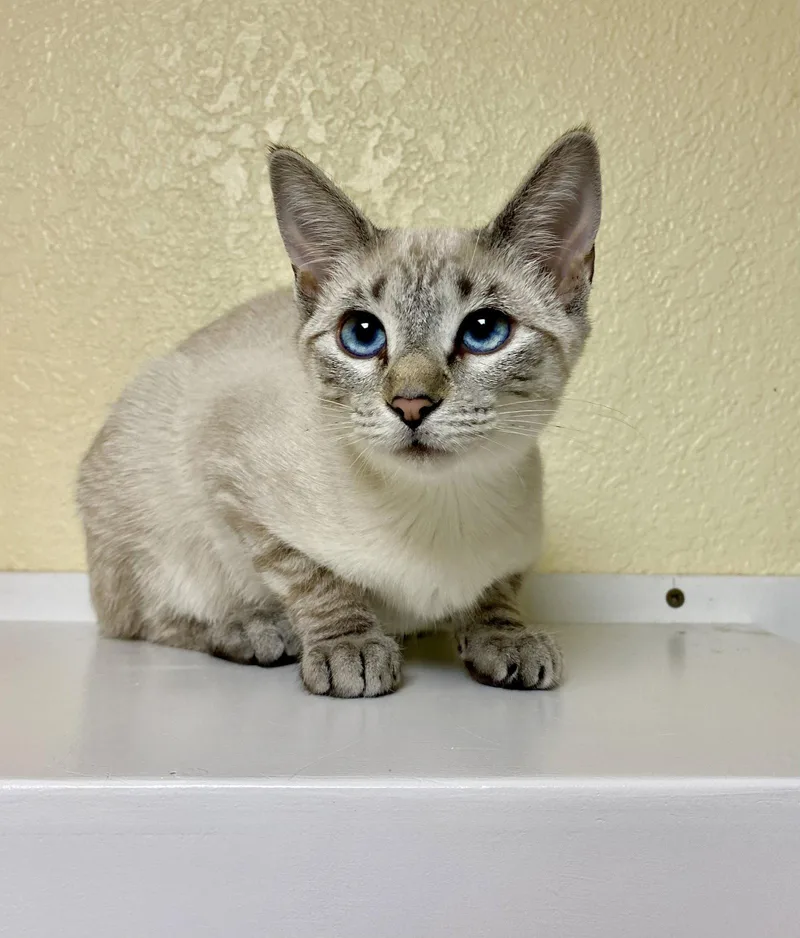
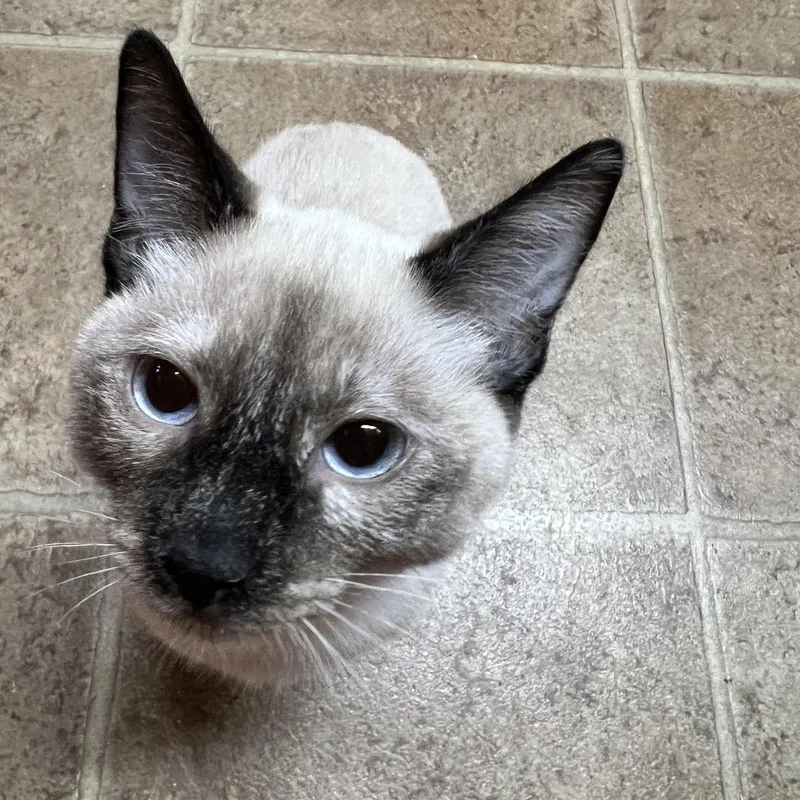
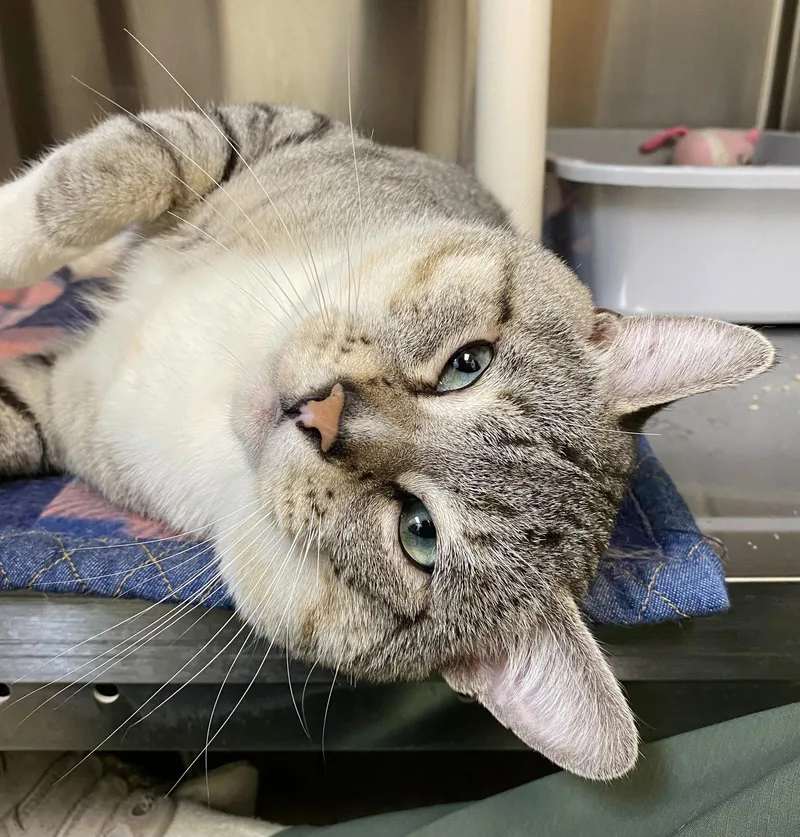
Birmans are semi-longhaired, colorpointed cats with deep blue eyes and white front paws known as gloves. The modern breed was developed in France after cats arrived from Burma around 1919, and the tale of sacred temple cats is legend rather than documented history. Points come in seal, blue, chocolate, lilac and other colors, and kittens are born pale, with their points darkening as they grow.

Most Birmans are gentle, sociable and soft-voiced, happy to follow their people from room to room. The silky coat has little undercoat, so it mats less than many longhaired coats, though weekly combing still helps. They take about three years to mature fully, and each cat's personality varies. Keeping a Birman indoors suits the breed and also keeps it away from the coyotes reported in some Omaha neighborhoods.

Weight
7–14 lbs
Height
8–10 in
Lifespan
12–16 yrs
Temperament
Gentle, Affectionate, Social
Shedding
Moderate

Owning a Birman in Omaha

Having a Birman in Omaha

Birmans are quiet, companionable cats with a manageable coat and a tendency to gain weight. Those traits fit Omaha's long indoor winters well, but heart health and daily play are worth planning for before you adopt.

Temperament

Birmans tend to be gentle, people-oriented cats that like calm attention and follow family members around. Many are patient with respectful children and get along with other cats or cat-friendly dogs after slow introductions. Some are shy at first, and each cat differs, so give a new Birman a few quiet weeks to settle into your Omaha home.

Exercise Needs

Plan on a couple of interactive play sessions a day with wand toys, balls or puzzle feeders. During Omaha's snowy stretches, a tall cat tree by a window and short play bursts keep an indoor Birman active. Steady play matters because the breed gains weight easily, and a trim adult is easier on the joints.

Health Considerations

Hypertrophic cardiomyopathy has been found in a notable share of screened Birmans, and polycystic kidney disease occasionally appears. Like many indoor cats, they also tend to gain weight. Routine exams, dental care and measured meals help, and an Omaha veterinarian can advise on heart screening and check the heart and kidneys at the first visit.

Living Space

A Birman does well in an Omaha apartment, condo or house, since it values company and quiet perches over square footage. Cat trees, window seats and scratching posts keep it engaged. Many dislike long days alone, so a household where someone is home often, or one with another friendly pet, can suit them well.

What it costs to own a Birman in Omaha

ExpenseTypical costPer year
Food$25 to $50 per month$300 to $600
Pet insurance$25 to $50 per month$300 to $600
Routine vet care$150 to $350 per year$150 to $350
Other*$522 to $1,272 per year$522 to $1,272
Estimated yearly total (after year one)$1,272 to $2,822

Other costs are estimates and vary with size, age and health.

* Litter, flea and tick prevention, a dental cleaning allowance, grooming tools for the semi-long coat, toys and supplies, and the yearly Omaha cat license for a spayed or neutered cat.

Adopt a Birman in Omaha.

Now that you know more, let’s find you a new best friend. These rescues and shelters below have cats available in and near Omaha.

Rescues and Shelters in or near Omaha

Omaha's shelters and rescues, from a large open-admission shelter to foster-based groups, list adoptable cats and dogs on this page. Here are the rescues & shelters in the Omaha area with cats available for adoption, worth asking whether a Birman is coming in.

Frequently Asked Questions

Yes, you can own a Birman in Omaha, and Omaha's breed-specific rules apply to certain dogs, not cats. Cats must be licensed at 4 months old, with a lower fee if spayed or neutered, and need a current rabies vaccination under Nebraska law. A household can keep up to five cats without a permit, and a cat without a microchip must wear a collar and tags.

Yes, a Birman usually does well in an Omaha apartment because it values company and quiet perches over space. Provide a tall cat tree, a window seat and a scratching post, and add a daily play session. Leases can include pet fees, so read yours first; Nebraska caps refundable pet deposits at a quarter of one month's rent.

Yes, Omaha's climate works well for an indoor Birman. Winters are cold, with a few sub-zero nights most years, but a heated home keeps the cat comfortable. Summer is the bigger concern: about a month of 90°F days and humid air can stress a semi-long coat, so keep rooms cool and offer plenty of water. Plan for spring storms too.

Yes, but only in a carrier. Metro buses, including ORBT, require pets to ride in a carrier unless they are service animals. A Birman, typically 7 to 14 pounds, fits a standard carrier, which goes on your lap or the floor, not a seat, and must not block the aisle. Omaha has no subway, and the planned streetcar isn't open yet.

Plan on weekly combing year-round, with extra sessions in spring and fall when the coat may shed more. The silky coat has little undercoat, so it mats less than many longhaired cats. Shorter, gentler sessions suit humid summers, and a nail trim every few weeks rounds out routine care. Grooming supplies fall under the yearly Other costs.

A Birman is a medium-sized, semi-longhaired cat with a colorpoint pattern, deep blue eyes and distinctive white paws. The breed was developed in France from cats said to come from Burma, which is why it is sometimes called the Sacred Cat of Burma. Many Birmans are gentle, sociable and soft-spoken companions who enjoy being near their people.

No, Birman cats are not hypoallergenic. Like all cats, they produce the Fel d 1 allergen in saliva and skin, and grooming spreads it onto their fur and around the home. Their coat sheds less heavily than some longhaired breeds, but that does not remove allergens. Anyone with allergies should spend time with the specific cat before adopting.

Yes, Birman cats shed, usually at a moderate level. Their silky coat has little undercoat, so they drop less hair and form fewer mats than breeds like Persians or Maine Coons, but loose fur still appears on furniture and clothing. Combing once or twice a week, and more during spring and fall, keeps shedding manageable and the coat tangle-free.

Birman cats commonly live about 12 to 16 years, and some reach their late teens. A large UK veterinary study found Birmans among the longest-lived breeds, with an average life expectancy of about 14.4 years at birth. Indoor living, a healthy weight, dental care and regular checkups all help an individual cat reach the upper end of that range.

A Birman in Omaha typically costs roughly $1,270 to $2,820 a year. Food and insurance each run about $300 to $600 a year, routine vet care $150 to $350, and other costs such as litter, dental care, grooming supplies and the yearly license $522 to $1,272. Illness and emergencies are extra.