Bengal Cats for Adoption in Omaha, NE

Your guide to finding and caring for a Bengal in Omaha

Bengals suit Omaha's apartment neighborhoods well, as long as there's plenty to climb. A condo in Blackstone or an apartment at Aksarben Village gives a Bengal windows to watch and room for a tall cat tree, but this isn't a quiet ornament. Long winter evenings are when that energy shows up, so expect wand-toy sessions after work and a few puzzle feeders on the counter. If you're thinking of adopting one in Omaha, plan your day around a busy cat.

211 Bengals available in Omaha and nationwide

A Bengal is ready for you

While we don't have enough cats near Omaha, keep in mind that many rescues may offer transport.

Bengals Available for Adoption Near Omaha

About the Bengal breed

The Bengal is a medium, muscular cat, usually 8 to 15 pounds, with a short, soft coat in spotted, rosetted or marbled patterns and, in many cats, a glittery sheen. The breed started in the United States in the 1960s and 1970s with crosses to the Asian leopard cat, but pet Bengals today are many generations removed and fully domestic.

Bengals are smart, curious and chatty. Many fetch, walk on a harness, open cabinets and splash in running water, and they stay playful well into adulthood. Shedding is low to moderate, and weekly brushing is usually enough. Most live 10 to 15 years. They reward people who like an interactive cat, and they can be frustrating for anyone hoping for a calm lap cat.

Weight
8–15 lbs
Height
9–11 in
Lifespan
10–15 yrs
Temperament
Energetic, Curious, Intelligent
Shedding
Low to Moderate

Owning a Bengal in Omaha

Having a Bengal in Omaha

Bengals pair a sleek, athletic build with a busy, problem-solving mind. In Omaha, where much of the year is spent indoors, their need for daily play, climbing room and attention matters as much as their looks, and a few inherited health risks deserve a vet's eye.

Temperament

Bengals are confident, curious and closely tied to their people, often following them from room to room and helping with whatever's going on. Many are talkative and get pushy when bored. Some enjoy cat-savvy dogs and other active cats, though a few are bossy. Each Bengal has its own personality, so spend time with the cat before deciding.

Exercise Needs

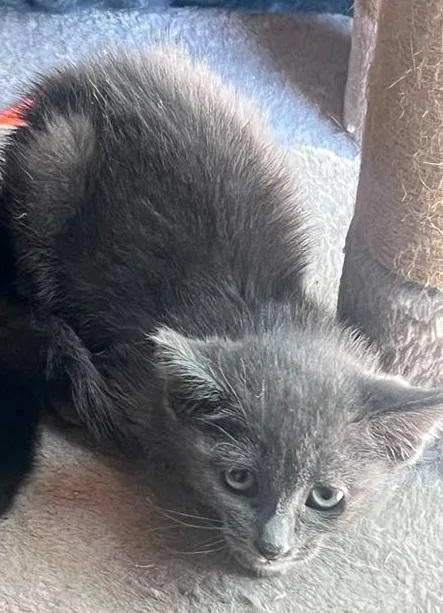
Plan on several active play sessions a day: wand toys, fetch and chasing games, plus tall cat trees and wall shelves. During Omaha's long indoor months, food puzzles, clicker training and harness practice keep a Bengal busy. A window perch overlooking a yard or street adds entertainment, and play at dawn and dusk often suits their rhythm.

Health Considerations

Bengals can develop hypertrophic cardiomyopathy, a heart disease, along with progressive retinal atrophy, which can cause early blindness, and pyruvate kinase deficiency, a type of anemia. Genetic tests exist for some of these. A veterinarian can check the heart and eyes, advise on screening, and keep up yearly checkups and Nebraska's required rabies vaccination.

Living Space

A Bengal can do well in an Omaha apartment or a house as long as there's vertical space to climb and daily interaction. Stimulation matters more than square footage. A bored Bengal may open cabinets, knock things down or chew cords, so keep the cat indoors or in a secure enclosed patio.

What it costs to own a Bengal in Omaha

ExpenseTypical costPer year
Food$25 to $50 per month$300 to $600
Pet insurance$30 to $60 per month$360 to $720
Routine vet care$150 to $350 per year$150 to $350
Other*$522 to $1,372 per year$522 to $1,372
Estimated yearly total (after year one)$1,332 to $3,042

Other costs are estimates and vary with size, age and health.

* The Omaha cat license for a spayed or neutered cat, litter, flea prevention, a dental cleaning allowance, toys and bedding, light brushing, and extra climbing and puzzle enrichment for a very active cat.

Adopt a Bengal in Omaha.

Now that you know more, let’s find you a new best friend. These rescues and shelters below have cats available in and near Omaha.

Rescues and Shelters in or near Omaha

Omaha's adoption community includes a large open-admission shelter alongside smaller, foster-based rescue groups. Here are the rescues & shelters in the Omaha area with cats available for adoption, worth asking whether a Bengal is coming in.

Frequently Asked Questions

Yes, you can own a Bengal in Omaha. The city's breed-specific rules apply to certain dog types, not cats. Cats must be licensed by 4 months of age, at a lower rate if spayed or neutered, and Nebraska requires rabies vaccination. Households can keep up to five cats without a permit, so a single Bengal fits easily.

Yes, a Bengal can live happily in an Omaha apartment if it has tall cat trees, window perches and daily play. Stimulation matters more than square footage. Read the lease for pet rent or fees before you apply, and use cord covers and secure shelves, since a bored climber will test everything within reach.

A Bengal fits Omaha life if you're home often enough to play several times a day and enjoy an interactive cat. Long indoor winters make that routine essential, and a second playful cat can help. A Bengal is a weaker match for long, empty workdays or anyone wanting a quiet lap cat.

Yes, Bengals handle Omaha winters well because they live indoors. Keep the home warm, add a heated bed or sunny window perch, and plan extra play for dark afternoons. With a short coat, a Bengal shouldn't spend time outside on sub-zero days, so save harness outings for milder weather.

A Bengal can ride Metro buses and ORBT only inside a carrier, since Metro's rules require pets other than service animals to be carried. Omaha has no subway. Practice carrier training at home before vet trips, keep the carrier on your lap or the floor, and check current fares with Metro.

Bengals do best indoors, but a harness-trained cat can try quiet paved routes such as the Field Club Trail or the loop trails at Zorinsky Lake Park on weekday mornings. Check posted signs first and skip the off-leash dog parks. Watch for loose dogs and coyotes, and carry a carrier for a quick retreat.

Probably not. Omaha patios admit leashed dogs only where the venue has health-department approval, and indoor dining rooms are off-limits to pets. That approval is for dogs, so plan on leaving your Bengal at home, where a window perch and a puzzle feeder keep it entertained while you're out.

Very little. A Bengal's short, close coat sheds lightly, so weekly brushing with a soft brush or grooming glove is usually enough, and baths are rarely needed. Dry indoor air in winter can make skin flaky, so brush gently. Add occasional nail trims and teeth care, which fall under the Other line in the cost table.

A Bengal is a domestic cat breed developed from crosses between house cats and the small Asian leopard cat, then bred for generations with domestic cats. Bengals have short, sleek coats with spots, rosettes or marbling, muscular builds and lively, curious personalities. Pet Bengals are domestic cats, though their energy and intelligence often feel a little wilder.

A Bengal in Omaha typically costs about $1,330 to $3,040 a year. That covers food ($25–$50 a month), pet insurance ($30–$60 a month), routine vet care ($150–$350 a year) and other costs ($522–$1,372 a year), including litter, the city license and enrichment. Adoption fees depend on the listing.

Find Bengals in Nearby Cities

Expand your search to find Bengals available for adoption near Omaha.