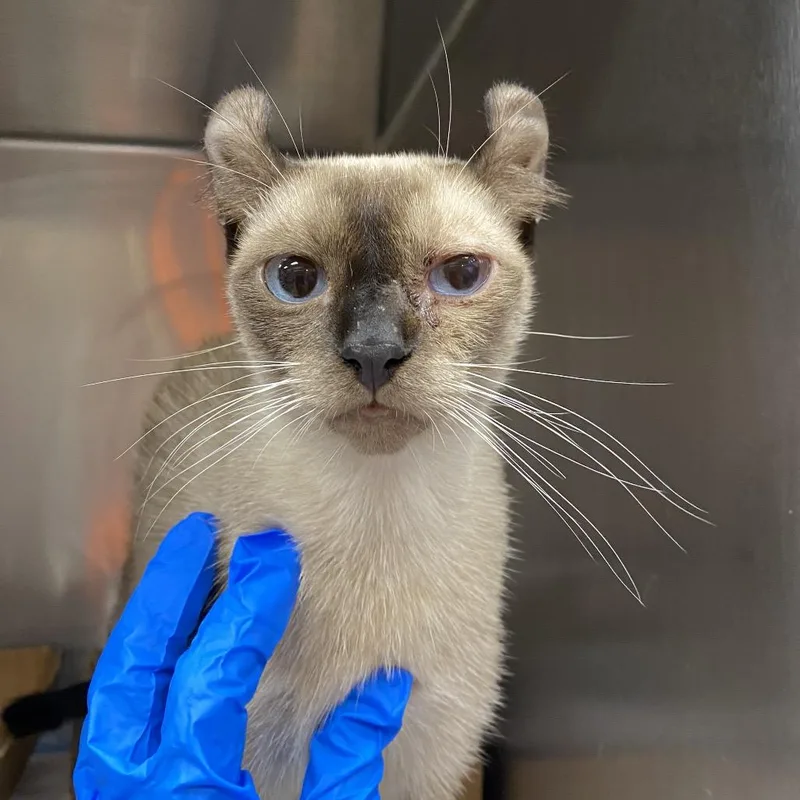
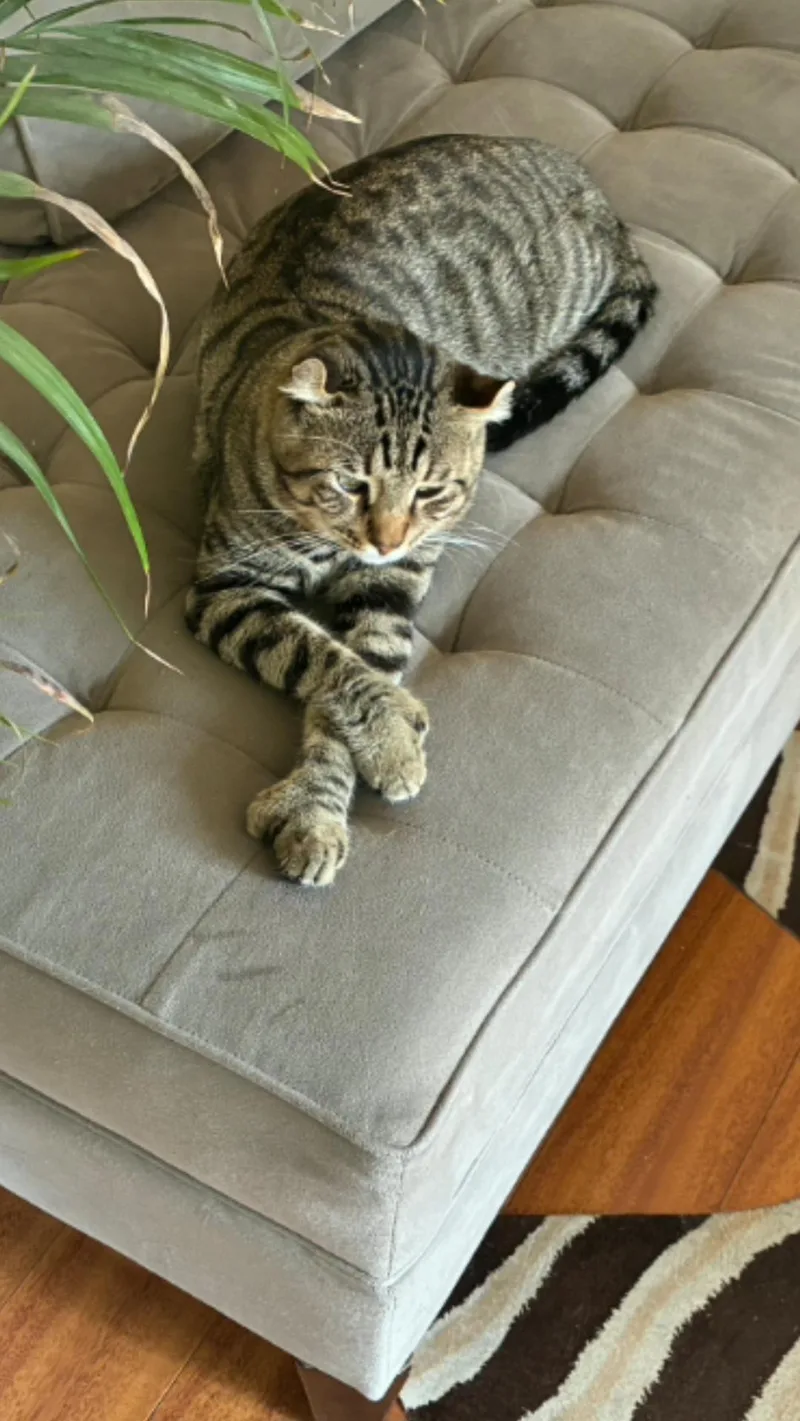
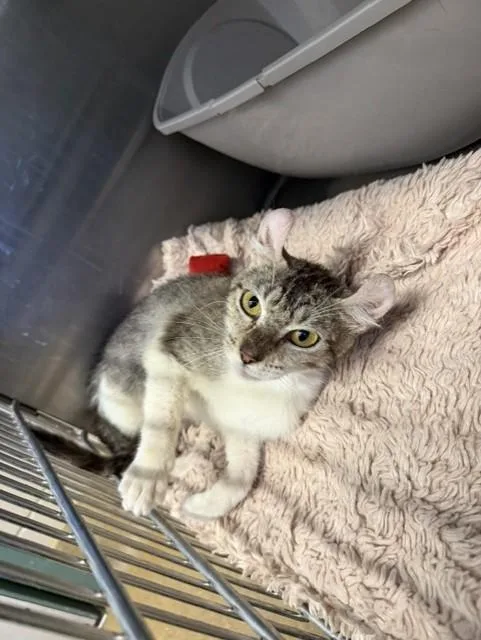
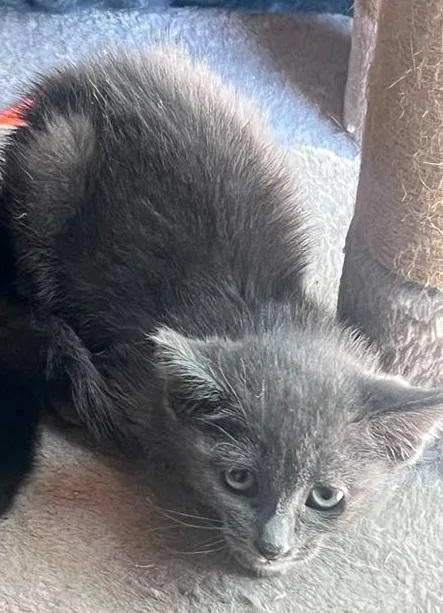
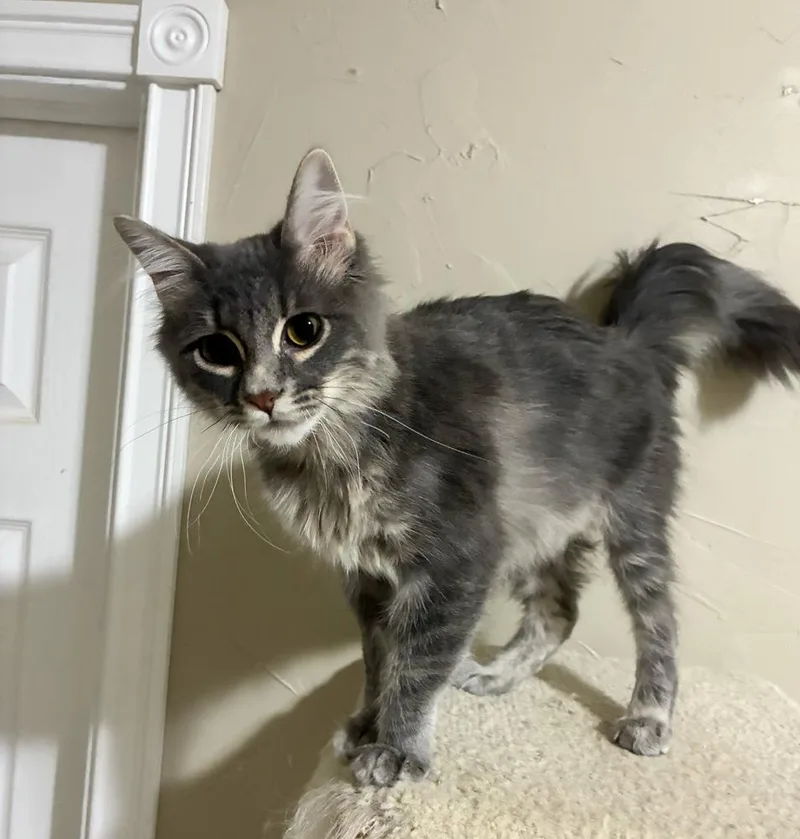
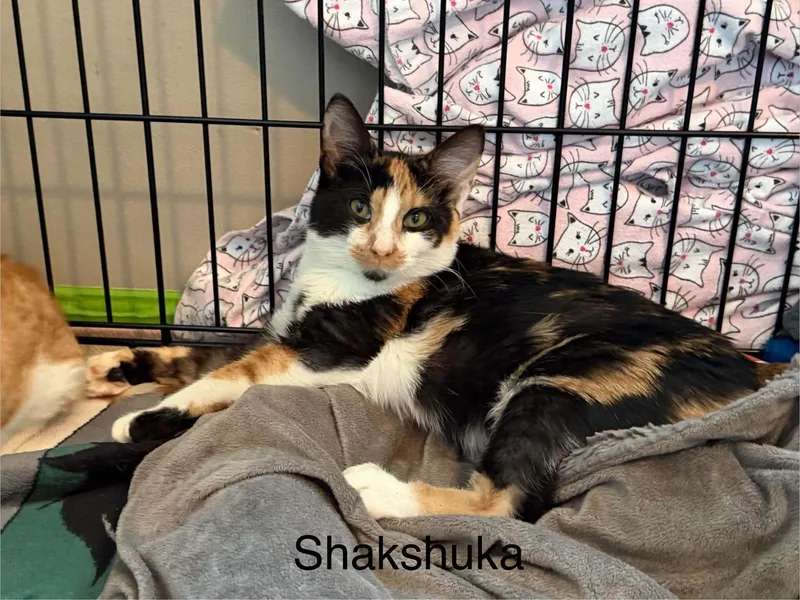
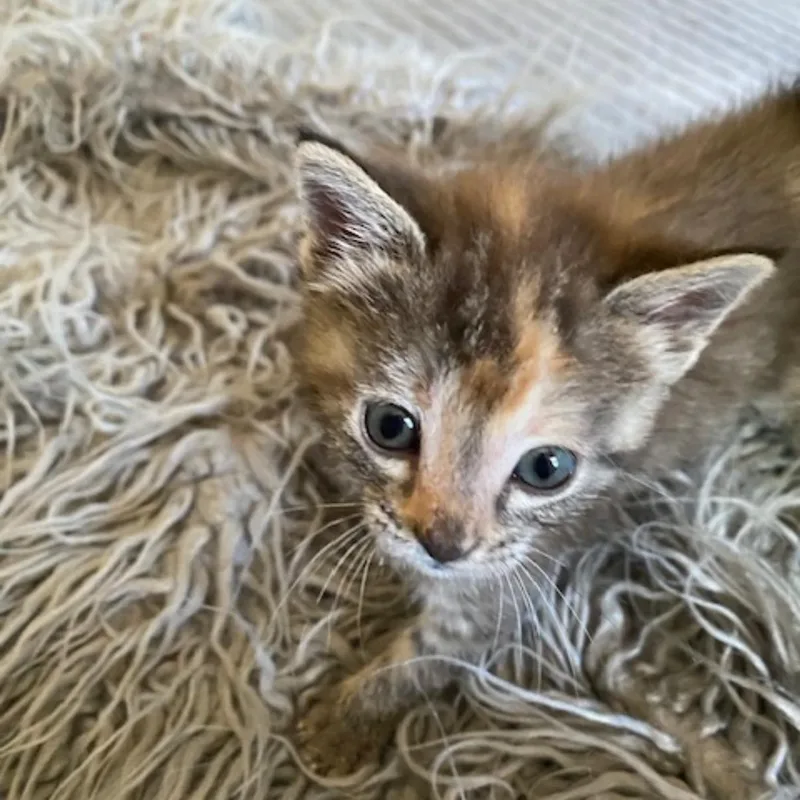
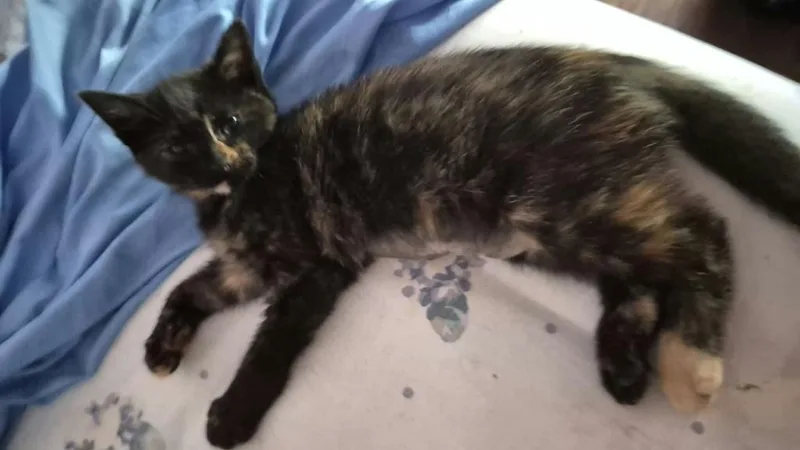
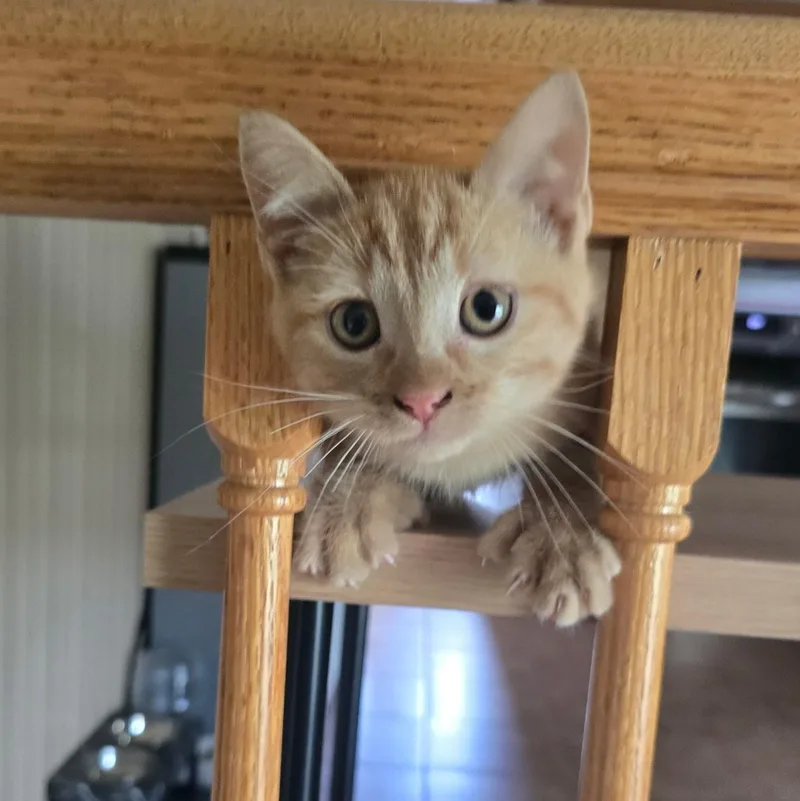
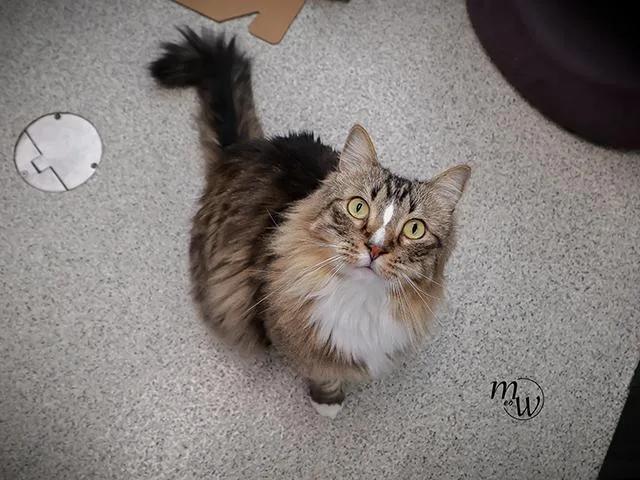
American Curl cat

American Curl Cats for Adoption in Omaha, NE

Your guide to finding and caring for an American Curl in Omaha

An American Curl fits Omaha apartment life well, because it's happy with a window perch and a few play sessions a day. In a Little Bohemia flat or a Blackstone condo, a Curl can watch the street from the sill, then follow you from room to room. They're people-oriented, so they do best when someone's home a fair amount. That suits Omaha winters, when most playtime happens indoors anyway, with a wand toy and a cat tree by the window.

48 American Curls available in Omaha and nationwide

Say hello to your American Curl

While we don't have enough cats near Omaha, keep in mind that many rescues may offer transport.

American Curls Available for Adoption Near Omaha

About the American Curl breed

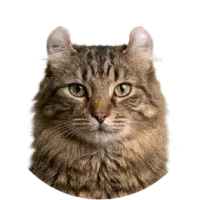
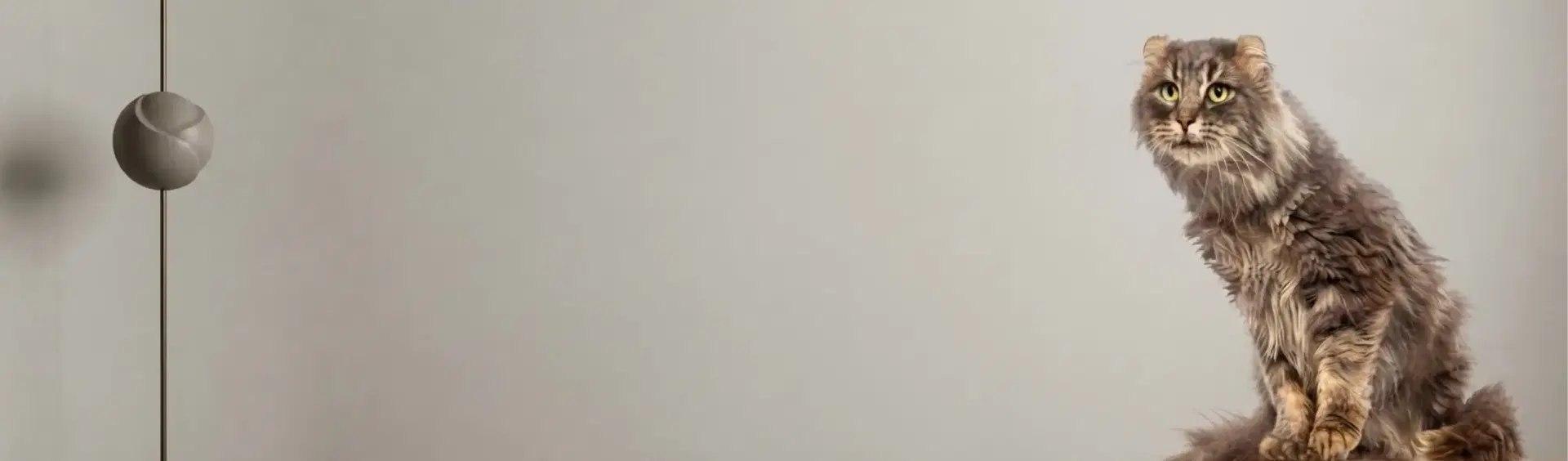
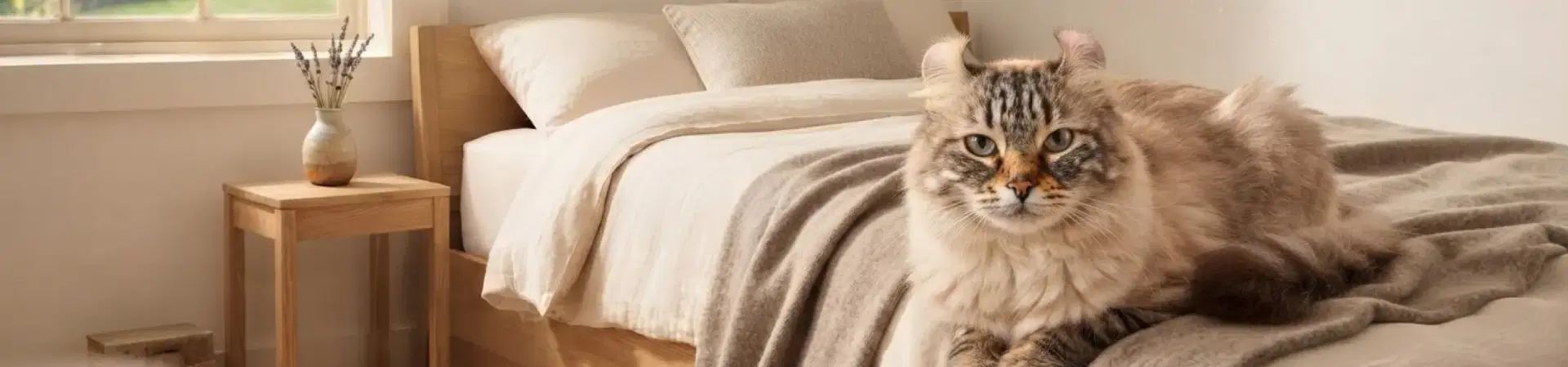
The American Curl traces back to Shulamith, a stray with backward-curling ears who showed up at a Lakewood, California, home in 1981. The curl comes from a dominant gene, and the breed reached championship status in the 1990s. Curls are medium-sized cats, about 5 to 10 pounds, with silky longhaired or shorthaired coats in any color or pattern. Longhaired Curls need a comb a few times a month, while shorthaired ones need less.

Many Curls stay playful and curious well into adulthood, and they tend to enjoy company. The firm ear cartilage should never be bent or forced, so gentle handling matters, especially around children. Because the breed is uncommon, Omaha adopters may also meet curl-eared mixes, whose coats and personalities can vary. Whatever a cat's ancestry, plan for daily play, regular dental care and a calm, safe home.

Weight
5–10 lbs
Height
8–11 in
Lifespan
12–18 yrs
Temperament
Affectionate, Playful, Curious
Shedding
Low to Moderate

Owning an American Curl in Omaha

Having an American Curl in Omaha

Curls are sociable, playful cats whose firm-cartilage ears call for gentle handling. In Omaha, that adds up to an indoor cat who needs daily play, a warm winter spot and company, with each cat's own history shaping how it settles in.

Temperament

Many American Curls are affectionate and curious, following their people from room to room and joining in whatever's going on. They often stay kittenish for years. In an Omaha apartment, that means a cat who prefers company to solitude. Comfort with children, visitors and other pets varies, so go by the cat in front of you, not breed reputation.

Exercise Needs

Plan on a few short interactive play sessions a day with wand toys, balls or puzzle feeders, plus tall cat trees and window perches for climbing. During Omaha's long, cold winters, indoor play does most of the work. Some Curls enjoy learning tricks or fetch, and some take to harness walks in milder months.

Health Considerations

No health problems specific to the breed are documented, and the curl gene isn't linked to cartilage disease. Curls still face common cat issues like dental disease and obesity, which long indoor winters can encourage. A veterinarian can check weight, teeth and ears, and Nebraska law requires rabies vaccination. Keep ear handling gentle.

Living Space

Curls adapt well to Omaha apartments, condos and older converted homes as long as there's vertical space, scratching posts and a hiding spot. Secure window screens, since cats can push through loose ones. Keeping a Curl indoors also avoids traffic and the coyotes that have been reported in several Omaha neighborhoods.

What it costs to own an American Curl in Omaha

ExpenseTypical costPer year
Food$25 to $50 per month$300 to $600
Pet insurance$25 to $50 per month$300 to $600
Routine vet care$150 to $350 per year$150 to $350
Other*$472 to $1,272 per year$472 to $1,272
Estimated yearly total (after year one)$1,222 to $2,822

Other costs are estimates and vary with size, age and health.

* Litter, the Omaha cat license for a spayed or neutered cat, flea and parasite prevention, dental cleanings, toys and scratching supplies, and occasional grooming help for longhaired Curls.

American Curl cat

Adopt an American Curl in Omaha.

Now that you know more, let’s find you a new best friend. These rescues and shelters below have cats available in and near Omaha.

Rescues and Shelters in or near Omaha

Omaha's shelters and foster-based rescues take in cats of all ages, and the groups below list the cats they currently have. Here are the rescues & shelters in the Omaha area with cats available for adoption, worth asking whether an American Curl is coming in.

Frequently Asked Questions

Yes, if the American Curl stays in a carrier. Metro's rules require pets on its buses, including ORBT, to ride in a carrier unless they're service animals, and the carrier goes on the floor or your lap, not a seat. Omaha has no subway, and the streetcar isn't open yet. Choose a sturdy, ventilated carrier and check current fares with Metro.

Yes, as indoor cats. Omaha has about 135 freezing nights a year, and a Curl's silky coat has little undercoat, so it isn't built for time outside. In a heated home, a Curl does fine with a sunny window perch and a warm bed. If you try harness walks, wipe its paws afterward, since sidewalk salt can irritate them.

Yes. Omaha's breed-specific rule covers certain dogs, not cats. You'll need to license the cat by 4 months of age, keep rabies vaccination current and stay within the five-cat household limit. Curls are uncommon, so watch the listings on this page, where curl-eared cats and similar breeds may appear.

Yes. Curls are medium-sized, adaptable cats who need vertical space and daily play more than square footage. Omaha has apartments in many neighborhoods, so look for a lease that allows cats and read the pet deposit and rent terms. Add scratching posts and window perches, secure the screens, and plan play sessions, since Curls tend to be social.

Often, for people who are home a fair amount and want a playful, social indoor cat. Omaha's long winters suit a cat who enjoys indoor play, and a tall cat tree goes a long way. A Curl may be less suited to households away most of the day, since many crave company. Each cat differs, so meet the cat before deciding.

Brush a longhaired Curl about weekly and a shorthaired one every couple of weeks. The silky coat has little undercoat and rarely mats, though spring can bring a bit more shedding. Grooming costs stay small, since occasional professional help for longhaired Curls fits within the $472–$1,272 yearly Other budget on this page.

No, American Curl cats are not hypoallergenic. Cat allergens come mainly from proteins in saliva and skin, which all cats produce regardless of coat. Curls have little undercoat and shed lightly to moderately, but that does not make them allergy-free. Spend time with a specific cat and talk with an allergist before adopting if allergies are a concern.

Yes, American Curls are fairly rare. The breed only began in 1981 and remains uncommon compared with long-established breeds, though it now has a following in the US, Europe, Russia and Japan. Purebred Curls seldom appear in shelters, but curl-eared mixed cats sometimes do. Check rescues and GetBuddy listings regularly if you hope to adopt one.

American Curls have no known breed-specific health problems so far, partly because the breed was built from a broad base of domestic cats. They can still develop common feline conditions such as dental disease, obesity, kidney disease with age and ear wax buildup. Regular checkups and a healthy weight help keep a Curl in good shape.

Plan on roughly $25–$50 a month for food, $25–$50 a month for pet insurance, $150–$350 a year for routine vet care and $472–$1,272 a year for everything else, including litter, parasite prevention, dental cleanings and the city license. That puts a typical year at about $1,222 to $2,822.