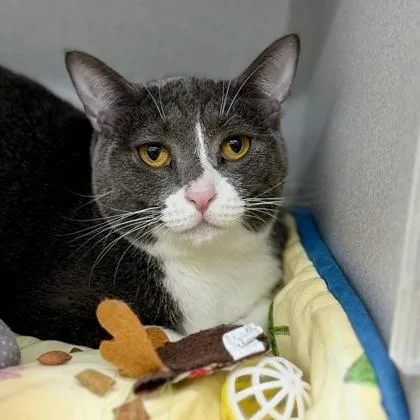
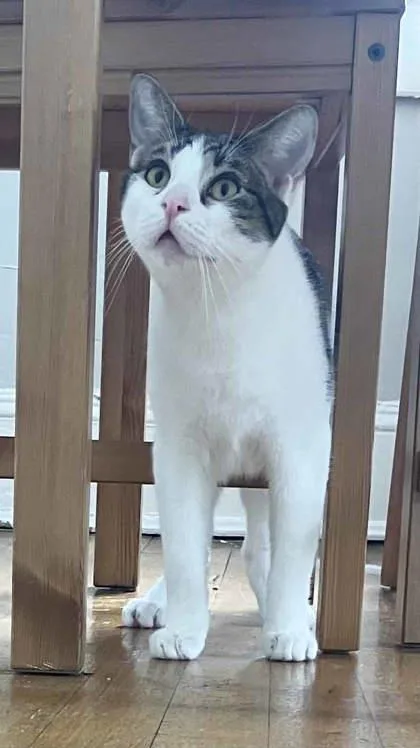
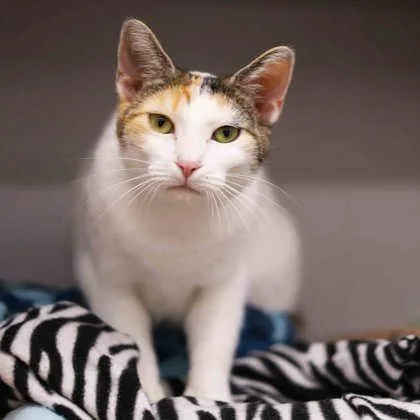
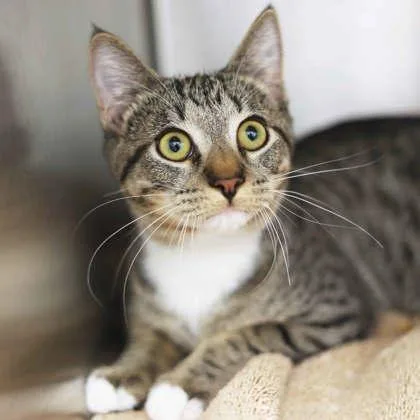
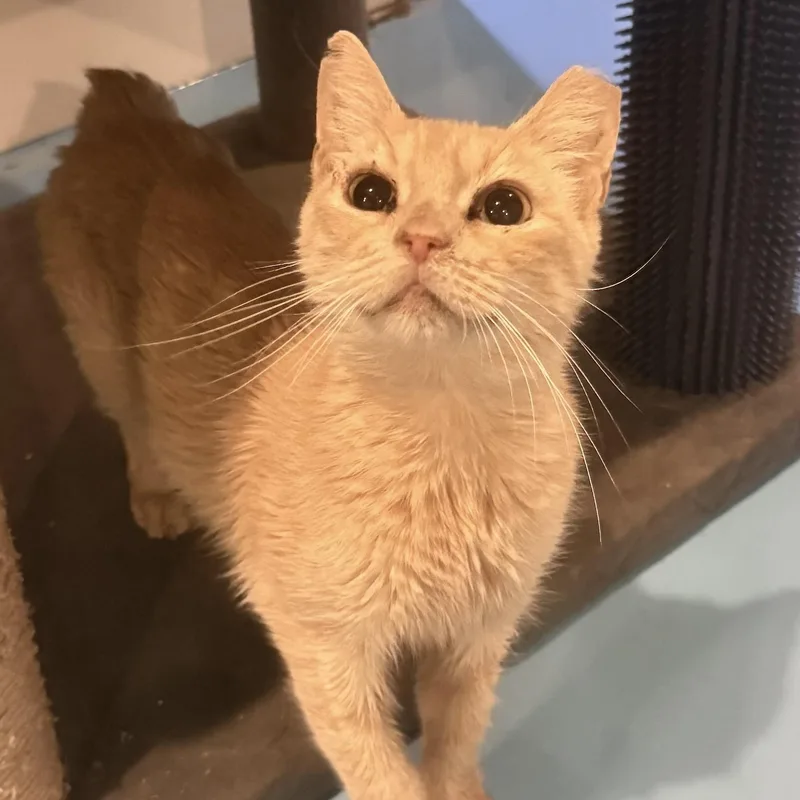
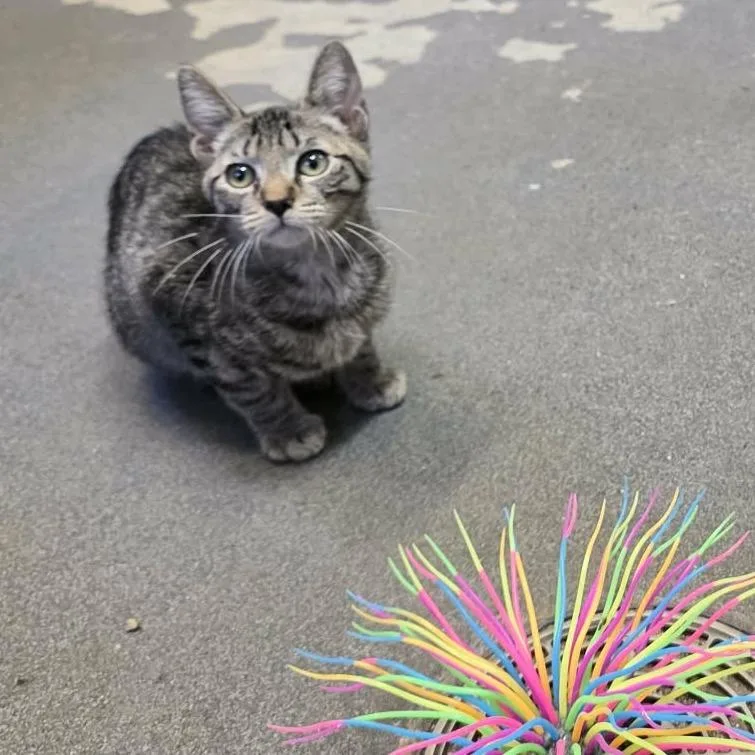
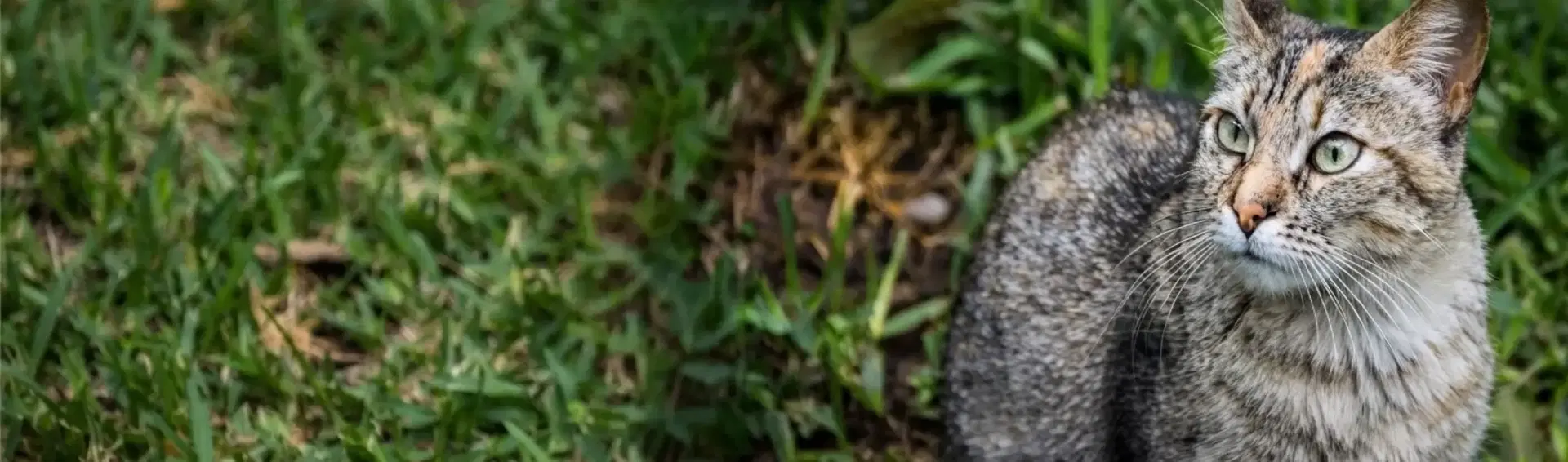
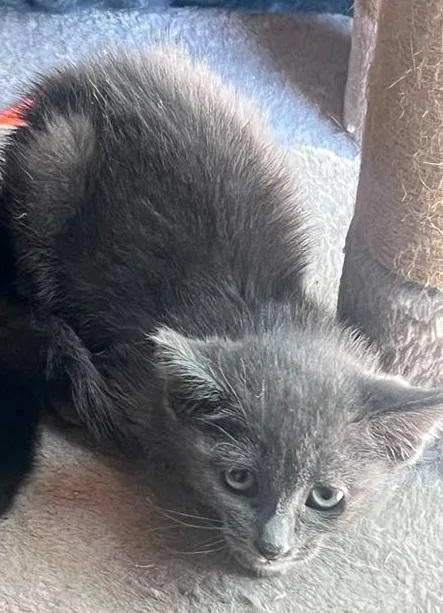
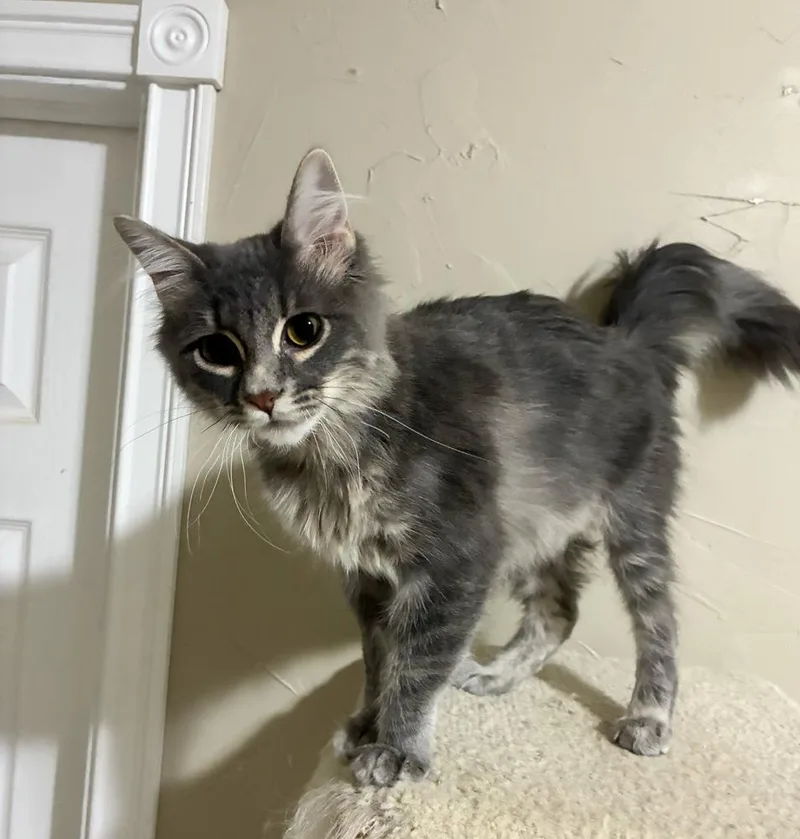
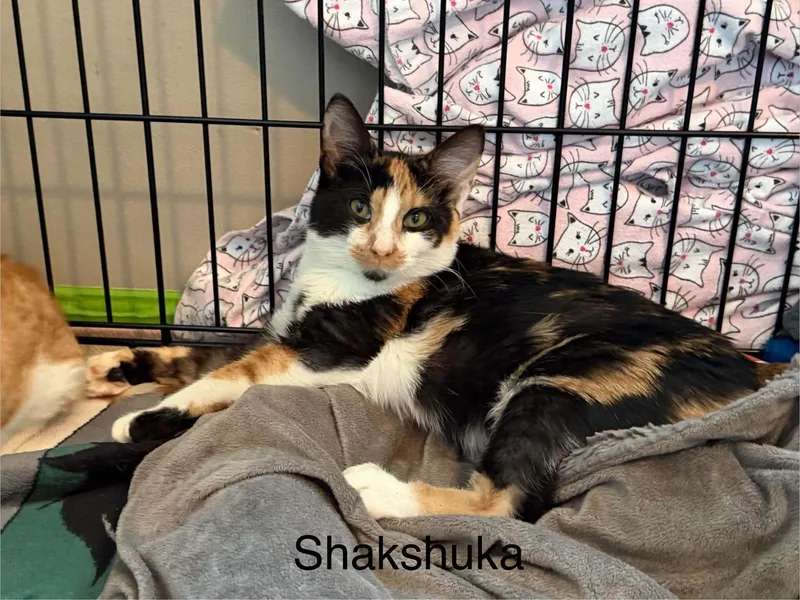
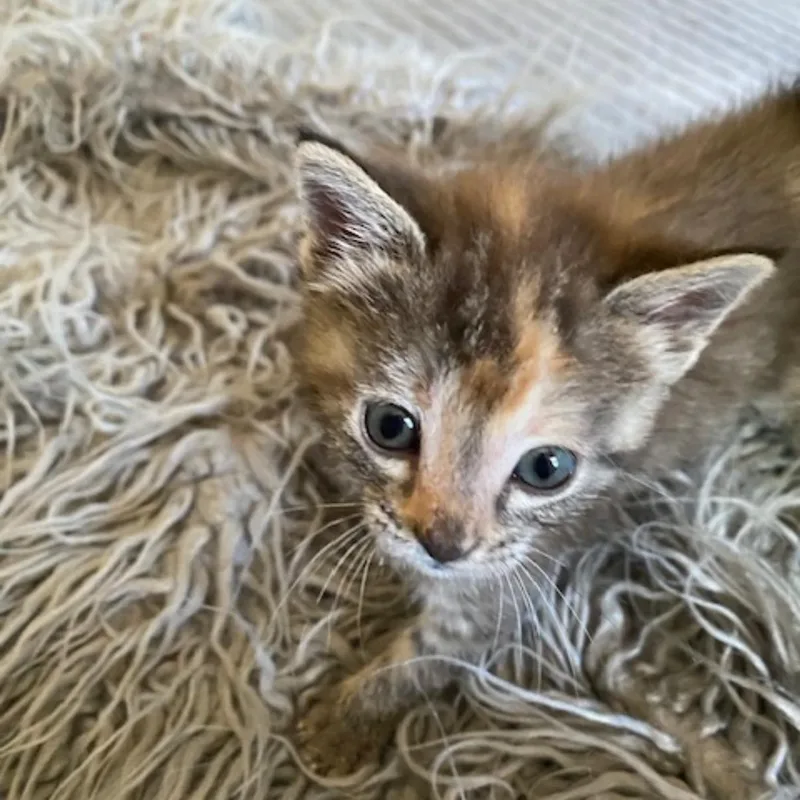
American Bobtail cat

American Bobtail Cats for Adoption in Omaha, NE

Your guide to finding and caring for an American Bobtail in Omaha

American Bobtails suit Omaha's apartment blocks and older bungalows equally well, as long as someone plays with them daily. In a Little Bohemia flat or a Field Club house, a Bobtail will chase a wand toy, carry a toy back for another throw and trail you from room to room. They like company, so they do best where people are home a fair amount. Winters here keep cats inside for months, and a Bobtail with a tall cat tree handles that well.

146 American Bobtails available in Omaha and nationwide

Bring home an American Bobtail

While we don't have enough cats near Omaha, keep in mind that many rescues may offer transport.

American Bobtails Available for Adoption Near Omaha

About the American Bobtail breed

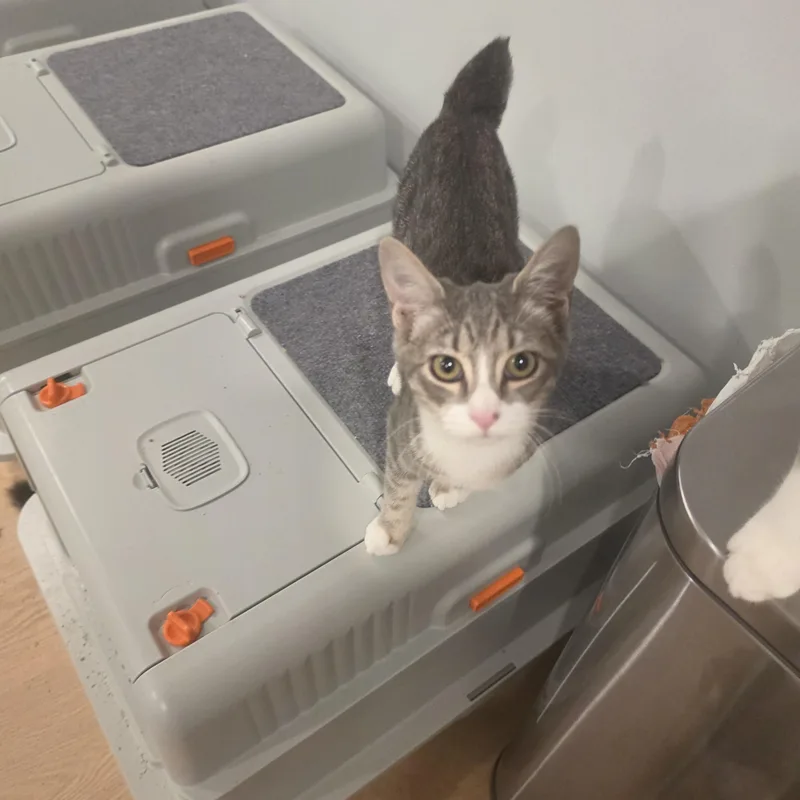
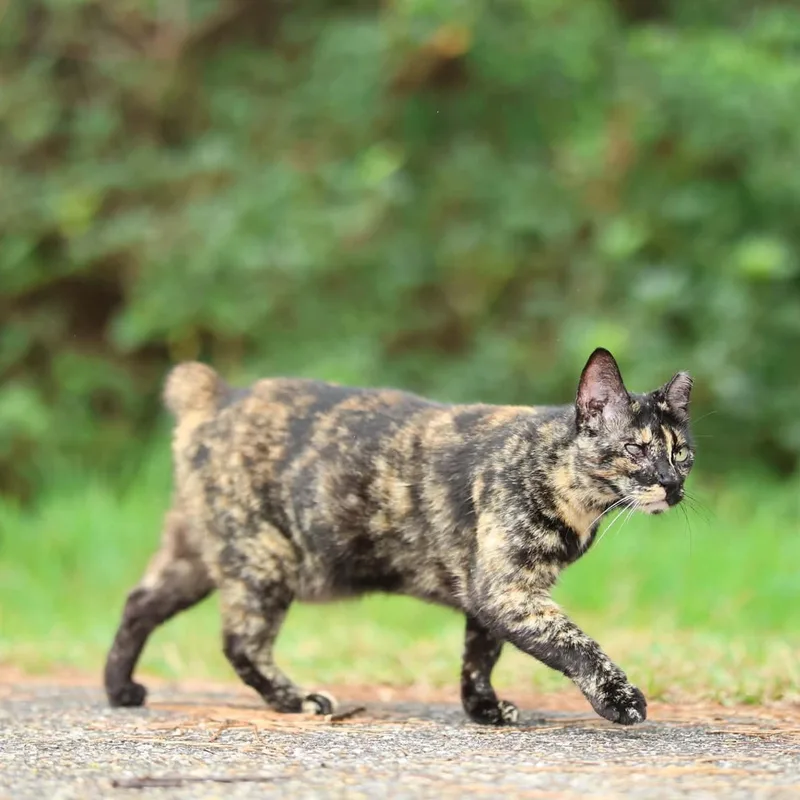
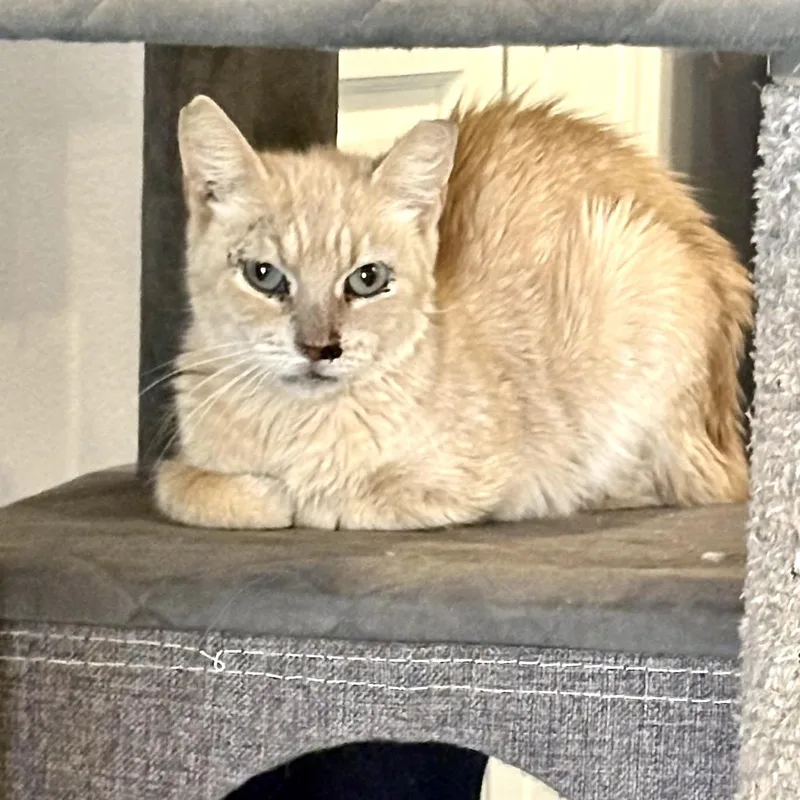
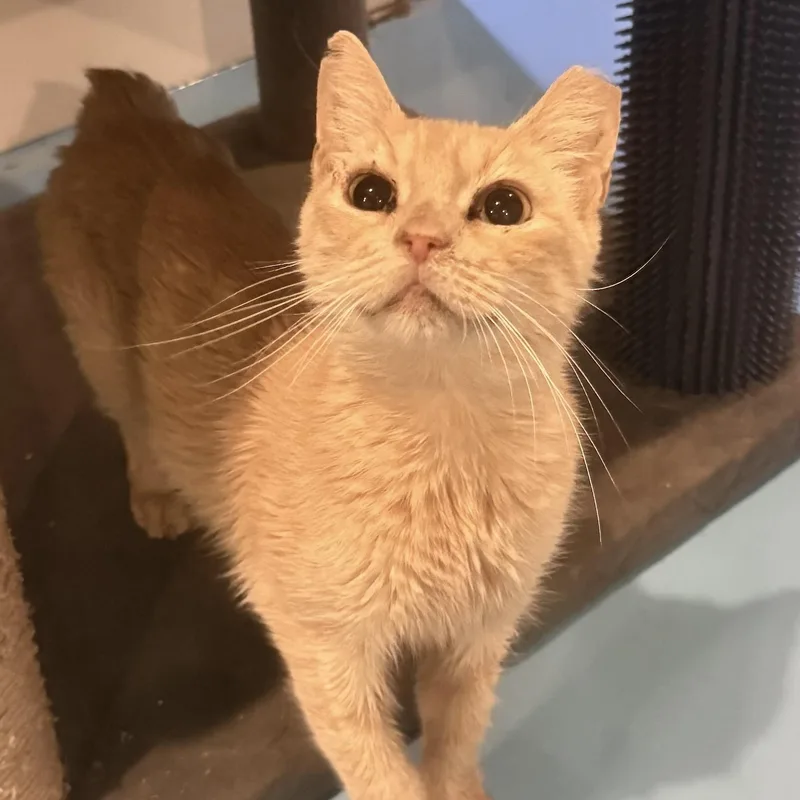
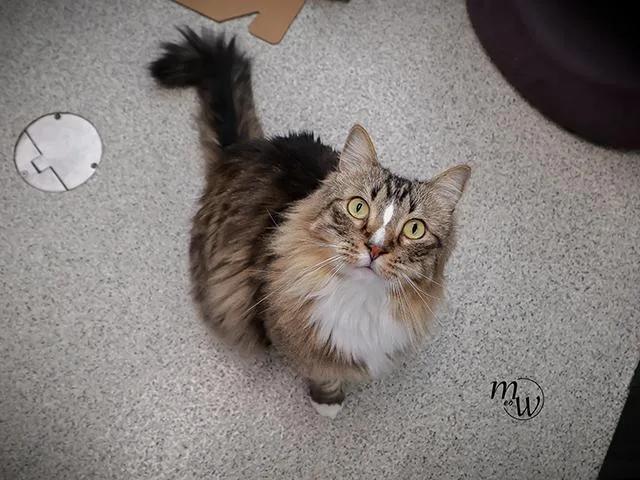
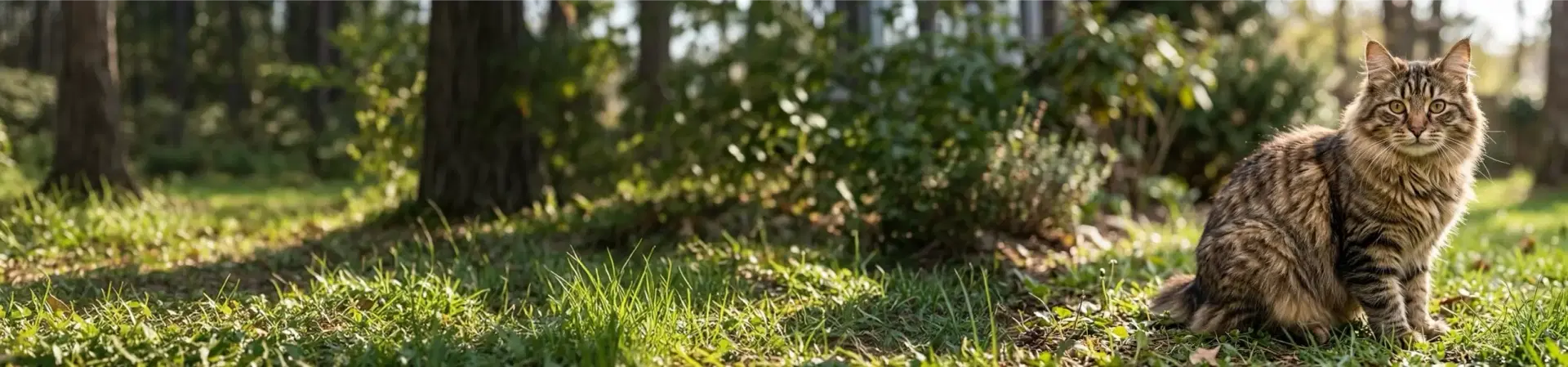
The American Bobtail is a medium, muscular cat with a naturally short, expressive tail, usually about a third to half the length of a typical tail. That tail comes from a dominant gene unrelated to the Manx or Japanese Bobtail. The breed traces to Yodie, a short-tailed brown tabby found in Arizona in the late 1960s. Coats are short or medium-long, in nearly any color, and a wild tabby look is common.

Many American Bobtails are sociable, clever and playful, and owners often call them dog-like because they fetch and follow people around. Adults weigh roughly 7 to 16 pounds, and they mature slowly over two to three years, so a young adult may still be goofy and filling out. Brush weekly, a bit more for longhaired cats. Like any cats, they vary in how outgoing and active they are.

Weight
7–16 lbs
Height
9–12 in
Lifespan
11–15 yrs
Temperament
Playful, Affectionate, Adaptable, Intelligent
Shedding
Moderate

Owning an American Bobtail in Omaha

Having an American Bobtail in Omaha

Sturdy, athletic and social, the American Bobtail suits Omaha homes where someone is around to play. Its short tail, two coat lengths and slow maturity shape daily care, and long Midwest winters make indoor enrichment as important as floor space.

Temperament

American Bobtails are usually affectionate without being clingy, and many greet visitors and invent games. They often get along with children, other cats and calm dogs, which helps in both rental buildings and family homes. Most are quiet, chirping or trilling rather than yowling. Cats vary, so watch how a particular Bobtail handles being held and meeting company.

Exercise Needs

Plan on several play sessions a day: fetch, wand toys, climbing and food puzzles. Omaha's cold, snowy months keep most of that indoors, so a tall cat tree and a window perch matter. Some Bobtails learn a harness for supervised outings, but coyotes in Omaha neighborhoods make close supervision essential, especially at dusk and dawn.

Health Considerations

Bobtails are generally sturdy, but the short-tail gene can occasionally come with spine or hip problems, and completely tailless cats may have bowel or bladder control trouble. Watch for stiffness, tail pain or litter box changes, and have a veterinarian check the spine and hips early. Keep teeth clean, weight steady and rabies vaccination current, as Nebraska requires.

Living Space

An American Bobtail adapts well to an Aksarben Village apartment or a house in Millard when it has climbing space, scratching posts, window views and daily attention. Indoor living keeps it safest from coyotes, traffic and storms, and a catio or secure balcony can add fresh air for a curious cat.

What it costs to own an American Bobtail in Omaha

ExpenseTypical costPer year
Food$25 to $50 per month$300 to $600
Pet insurance$25 to $50 per month$300 to $600
Routine vet care$150 to $350 per year$150 to $350
Other*$472 to $1,272 per year$472 to $1,272
Estimated yearly total (after year one)$1,222 to $2,822

Other costs are estimates and vary with size, age and health.

* The Omaha cat license (lower for a spayed or neutered cat), litter, flea prevention, a dental cleaning allowance, toys, a harness and other supplies, and home brushing, with more for longhaired cats.

American Bobtail cat

Adopt an American Bobtail in Omaha.

Now that you know more, let’s find you a new best friend. These rescues and shelters below have cats available in and near Omaha.

Rescues and Shelters in or near Omaha

Omaha's shelters and rescues care for cats of every age and type, and the listings here change often. Here are the rescues & shelters in the Omaha area with cats available for adoption, worth asking whether an American Bobtail is coming in.

Frequently Asked Questions

Yes. Omaha's breed-specific rules cover certain dogs, not cats. Cats need a city license by 4 months old, with proof of rabies vaccination, and a household can keep up to five cats without a permit. The breed is uncommon, so watch the listings on this page and save a search to hear about new cats.

Yes, as indoor cats. Omaha averages about 40 days a year that never rise above freezing and roughly 27 inches of snow, which is no place for a cat to stay outside. Give a Bobtail a warm window perch, a tall cat tree and extra play sessions to burn off energy during long cold spells.

Yes. Bobtails adapt well to apartments when they have vertical space, scratching posts, window views and daily play. They're usually quiet, chirping rather than yowling, which helps in shared buildings. Check the lease for pet rules and fees, and plan indoor enrichment for the months when snow and cold limit any outdoor time.

It can be, especially for people who are home often and enjoy interactive play. Bobtails are social and adaptable, which suits Omaha's mix of apartments and houses, and indoor winters leave plenty of time for fetch and puzzle toys. A cat left alone all day may get bored, so build in enrichment.

Weekly brushing is enough for most Bobtails, with a few sessions a week for the medium-long coat. Brushing matters most when dry heated winter air dulls the coat and when shedding picks up as spring warms. Most owners groom at home, so it's counted in the yearly Other costs rather than a regular groomer bill.

Yes, in a carrier. Metro buses, including ORBT, require pets to ride in a carrier unless they're service animals, and the carrier goes on your lap or the floor, not a seat, without blocking the aisle or exits. Omaha has no subway or rail line. A Bobtail at 7 to 16 pounds usually fits a standard carrier.

A bobbed tail is a short tail, either naturally short from birth or, in some dogs, shortened by docking. In cats, natural bobtails come from several different gene mutations found in breeds like the American Bobtail, Japanese Bobtail and Manx. The tail may be straight, curved or kinked and is usually fully mobile and expressive despite its length.

A bobtail cat is any cat with a naturally short tail, from a stub to roughly half normal length. The term covers several breeds, including the American Bobtail, Japanese Bobtail, Kurilian Bobtail and Pixie-Bob, each with its own gene, as well as domestic cats born with short or kinked tails. Shelters often list these cats simply as bobtails.

Yes, American Bobtail cats are fairly rare. They are a small pedigreed breed with relatively few registrations each year, and purebreds seldom appear in shelters. Many short-tailed cats in adoption listings are domestic cats with natural bobtails rather than registered American Bobtails, and they can make equally wonderful companions with a similar playful look.

Expect roughly $1,200 to $2,800 a year for an American Bobtail in Omaha: food at $25–$50 a month, insurance at $25–$50 a month, routine vet care at $150–$350 a year, and other costs at $472–$1,272 a year, including the city license. Longhaired cats run toward the higher end.