Tortoiseshell Cats for Adoption in Wilmington, NC

Your guide to finding and caring for a Tortoiseshell in Wilmington

A tortoiseshell cat fits Wilmington's older bungalow streets as easily as its apartments. In Carolina Heights or Brookwood, a tortie can claim a sunny front window and watch the neighbors walk by, and the Cape Cods around Sunset Park give an indoor cat plenty of rooms to patrol. Tortoiseshell is a coat pattern, not a breed, so these cats range from shy to bold. Most are domestic shorthairs that settle happily indoors with a cat tree by the window.

1040 Tortoiseshells available in Wilmington and nationwide

Your Tortoiseshell is waiting

While we don't have enough cats near Wilmington, keep in mind that many rescues may offer transport.

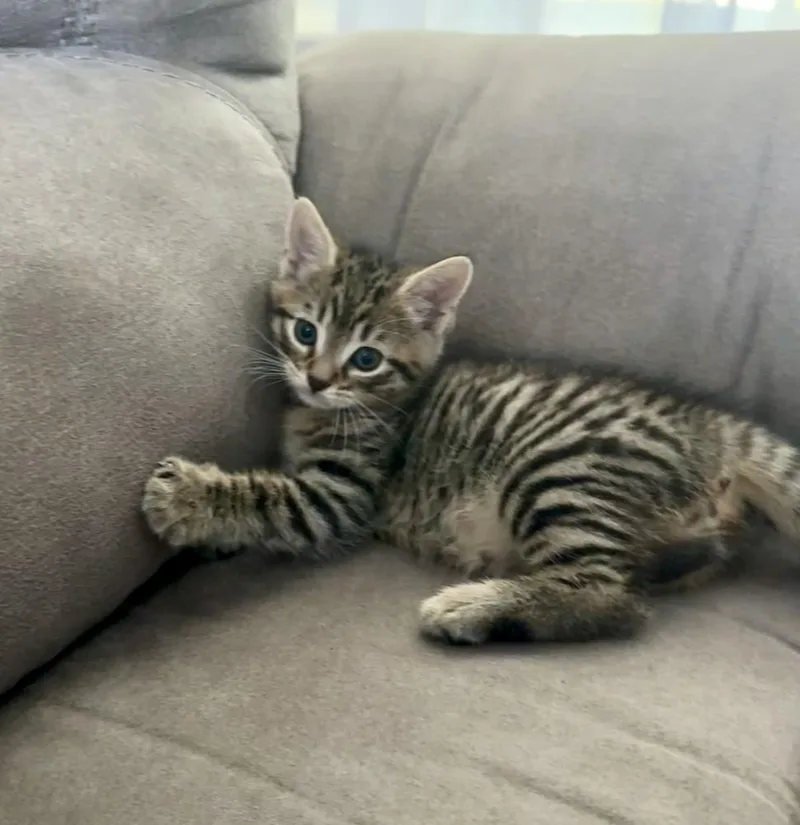
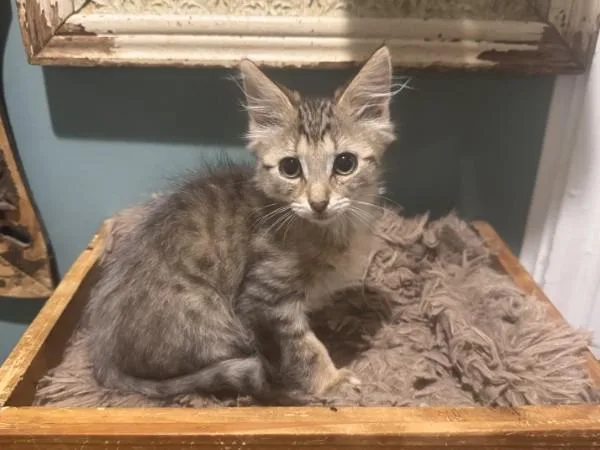
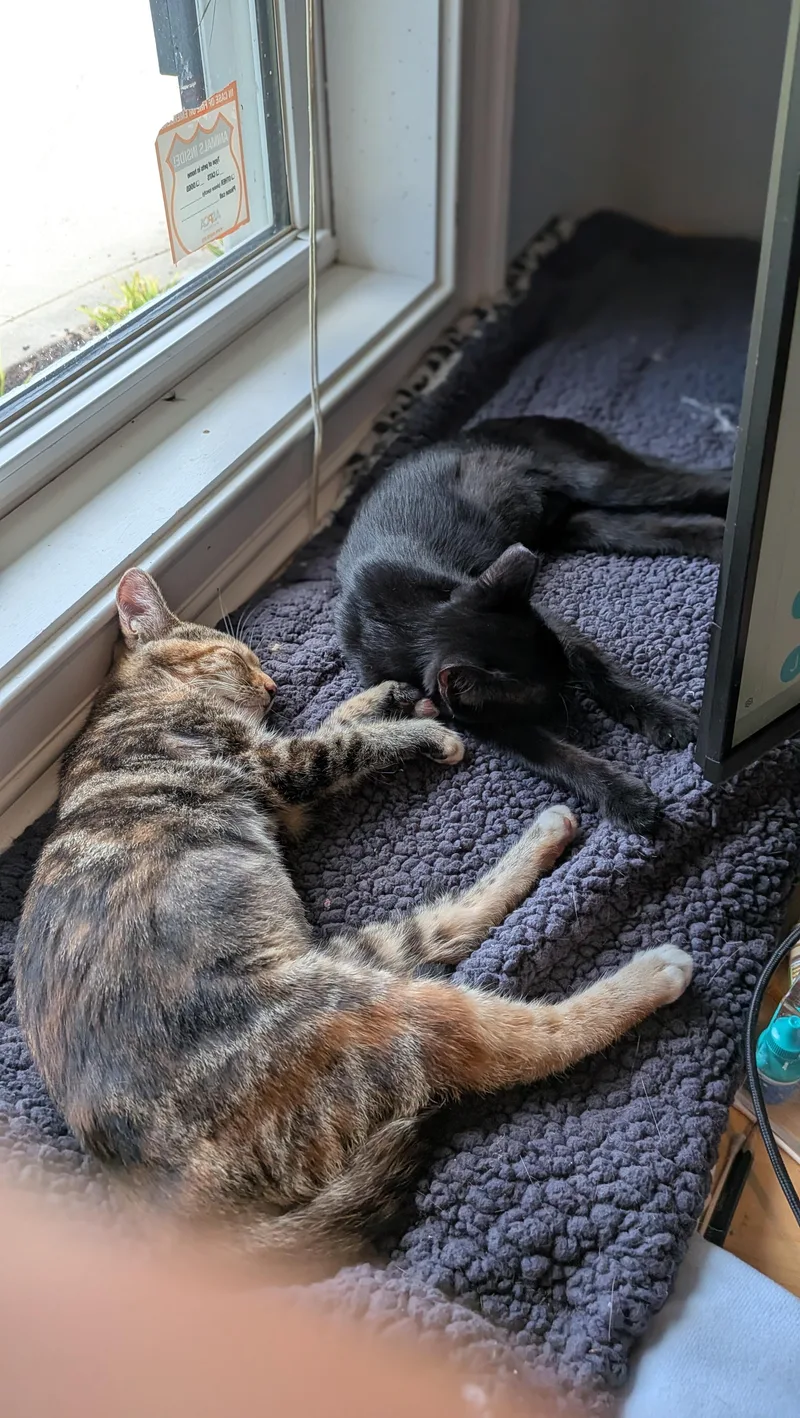
Tortoiseshells Available for Adoption Near Wilmington

About the Tortoiseshell breed

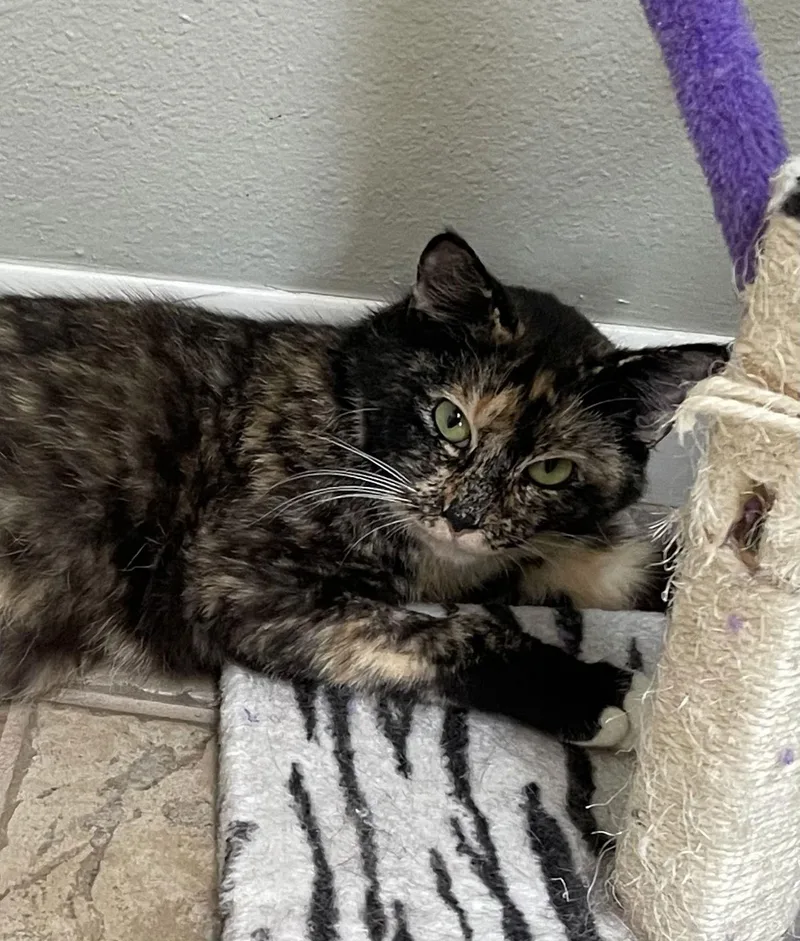
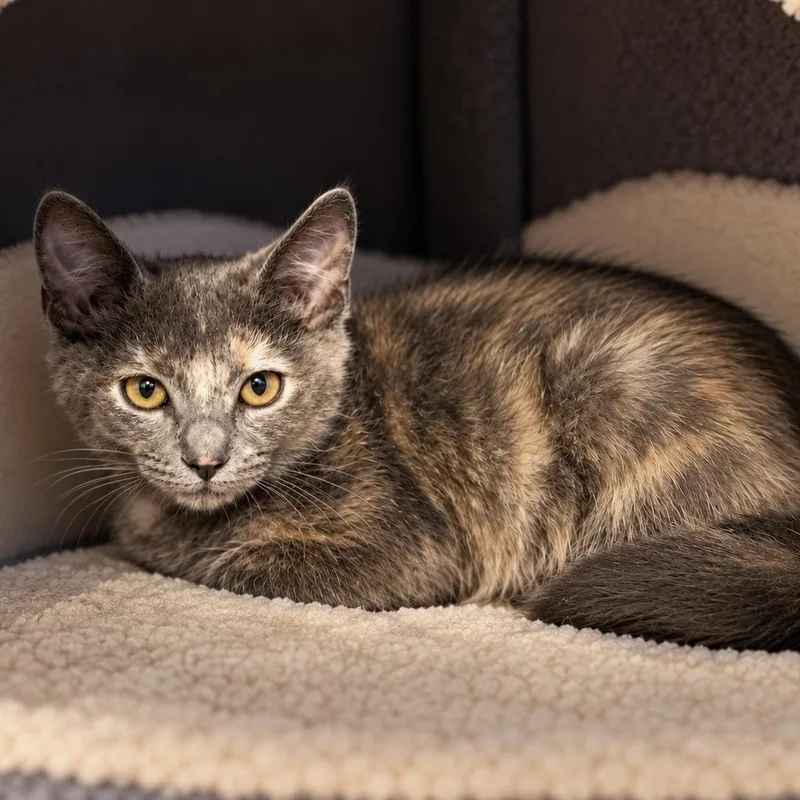
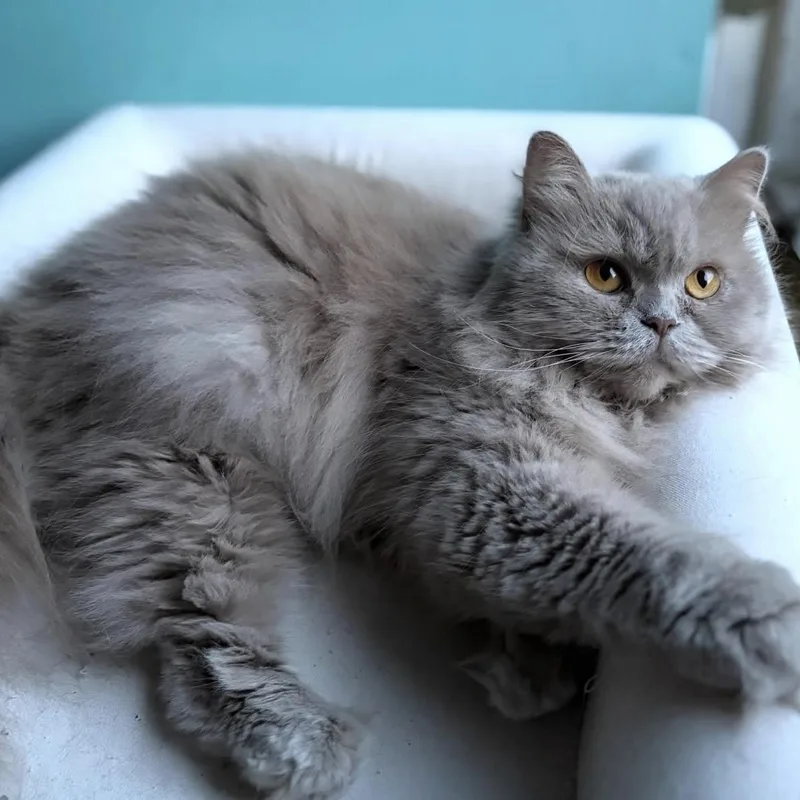
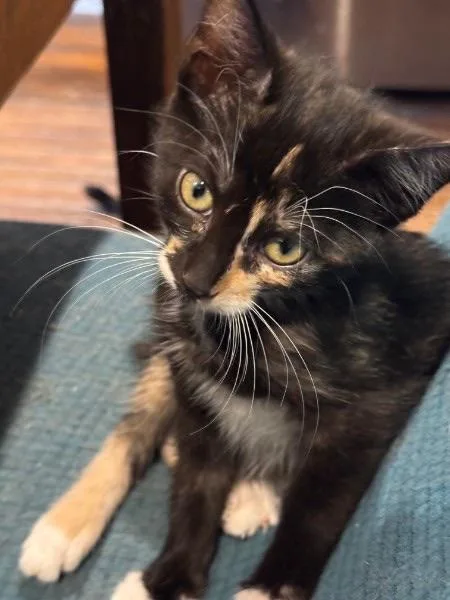
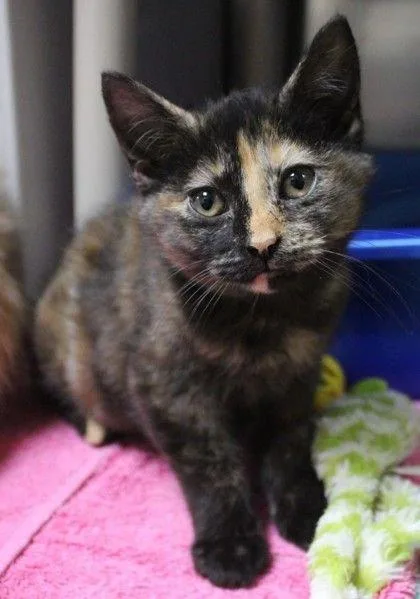
Tortoiseshell describes a coat, not a breed. The pattern mixes black-based and orange-based colors in patches or a fine mottled blend, usually with little white. Add large white areas and the cat is called a calico. Dilute torties look soft gray and cream, and torbies add tabby stripes. Nearly all are female, because the orange gene sits on the X chromosome.

Most torties in Wilmington homes are domestic shorthairs, though the pattern also shows up in Maine Coons, Persians and many other breeds. Expect moderate shedding, a brushing once or twice a week, and a lifespan of roughly 12 to 18 years. The famous "tortitude" is closer to folklore than science, so a cat's age, history and socialization say more about personality than color does.

Weight
6–14 lbs
Height
8–10 in
Lifespan
12–18 yrs
Temperament
Independent, Affectionate, Playful
Shedding
Moderate

Owning a Tortoiseshell in Wilmington

Having a Tortoiseshell in Wilmington

Because tortoiseshell is a coat rather than a breed, these cards describe what many tortoiseshell cats share, mostly domestic shorthairs. In Wilmington, the practical questions are indoor enrichment, summer heat and humidity, and fitting a cat comfortably into a rental or a house.

Temperament

Torties have a reputation for sass, nicknamed tortitude, but the evidence rests mostly on owner impressions. Real torties run from shy to bold and from lap cats to loners. A confident tortie may enjoy a busy Wilmington apartment building, while a shy one may prefer a quieter home, so watch each cat's behavior rather than its color.

Exercise Needs

Most torties need daily interactive play: wand toys, chase games and puzzle feeders. Young cats want more activity, and seniors prefer gentler sessions. Wilmington's muggy summers and rainy stretches keep many cats inside, so a window perch, a cat tree and two short play sessions a day help burn off energy.

Health Considerations

The tortoiseshell pattern carries no particular health risks for females, while the rare males usually have an extra X chromosome and may face added issues. Otherwise health follows age and care: yearly checkups, dental care and a healthy weight. Fleas thrive in warm, humid weather, so ask a veterinarian about a prevention schedule.

Living Space

Tortoiseshell cats do well in apartments, bungalows and larger houses alike. A cat tree, scratching posts and a cozy hideaway matter more than square footage. Vertical space and a window with a view suit most cats in a smaller rental, while a shy tortie may appreciate a quiet room to retreat to.

What it costs to own a Tortoiseshell in Wilmington

ExpenseTypical costPer year
Food$25 to $50 per month$300 to $600
Pet insurance$20 to $45 per month$240 to $540
Routine vet care$150 to $350 per year$150 to $350
Other*$460 to $1,160 per year$460 to $1,160
Estimated yearly total (after year one)$1,150 to $2,650

Other costs are estimates and vary with size, age and health.

* Litter, flea and tick prevention, a dental cleaning allowance, toys and supplies, home grooming, and the $10 New Hanover County registration for a spayed or neutered cat.

Adopt a Tortoiseshell in Wilmington.

Now that you know more, let’s find you a new best friend. These rescues and shelters below have cats available in and near Wilmington.

Frequently Asked Questions

Yes, a tortoiseshell cat can live happily in a Wilmington apartment. Cats need far less room than dogs, so an apartment works when it has a cat tree, scratching posts and a window perch. Read the lease for pet fees, pet limits and deposit terms before signing, and keep the tortie indoors, where play and rest suit most cats.

Yes. There are no known breed or color restrictions in Wilmington, and tortoiseshell is only a coat pattern. The main requirements are county registration, which costs less for a spayed or neutered cat, and a current rabies vaccination from four months of age. Keep the rabies tag and registration up to date as the cat ages.

Yes, for indoor cats. Summers are hot and humid, with about 45 days a year reaching 90°F, so keep air conditioning or fans running and fresh water out. Winters are mild. Hurricane season is the main hazard, so keep a carrier, food, litter and vaccination records ready to go before a storm.

No. Wave Transit prohibits pets on its buses and in its facilities, even in carriers. Only service animals are allowed. Wilmington has no subway or rail system, so plan on a car for vet visits, and use a sturdy carrier secured in the back seat so your tortie stays calm and safe.

Often, yes, if you can offer daily play and a cool home. Coat color says little about personality, so judge each cat by age and behavior. Both bungalow neighborhoods and apartments suit indoor cats, and mild winters are easy on them. The main trade-offs are summer humidity, flea prevention and planning for hurricane season.

Most tortoiseshell cats need a brush once or twice a week, more for long-haired torties. Wilmington's humidity can make longer coats prone to tangles, and shedding often rises in spring. Most owners groom at home, so grooming adds little to yearly costs. A professional groom is only worth considering for stubborn mats.

Rarely. North Carolina lets restaurants allow cats in outdoor dining areas if they're physically restrained and don't pass through indoor areas, but each restaurant decides, and cats aren't allowed inside. Crowds and noise stress many cats, so a tortie is usually happier at home than at a patio table.

A tortoiseshell cat is a cat with a coat pattern of black-based and orange-based colors blended or patched together, usually with little or no white. It is not a breed; the pattern appears in many breeds and most often in domestic shorthairs. Nearly all tortoiseshells are female because the genes for orange and black are carried on the X chromosome.

Almost all tortoiseshell cats are female, but not all. A female has two X chromosomes and can carry both orange and black color genes, producing the mixed coat. Males normally have only one X. Rare male torties usually have an extra X chromosome or are genetic chimeras, and they are estimated at roughly 1 in 3,000 tortoiseshells.

Plan on roughly $1,150 to $2,650 a year for a tortie, counting food, insurance, routine vet care and other costs. Food runs $25 to $50 a month and insurance $20 to $45. Routine vet care is $150 to $350 a year, and other costs such as litter and prevention are $460 to $1,160.

Find Tortoiseshells in Nearby Cities

Expand your search to find Tortoiseshells available for adoption near Wilmington.