Tabby Cats for Adoption in Wilmington, NC

Your guide to finding and caring for a Tabby in Wilmington

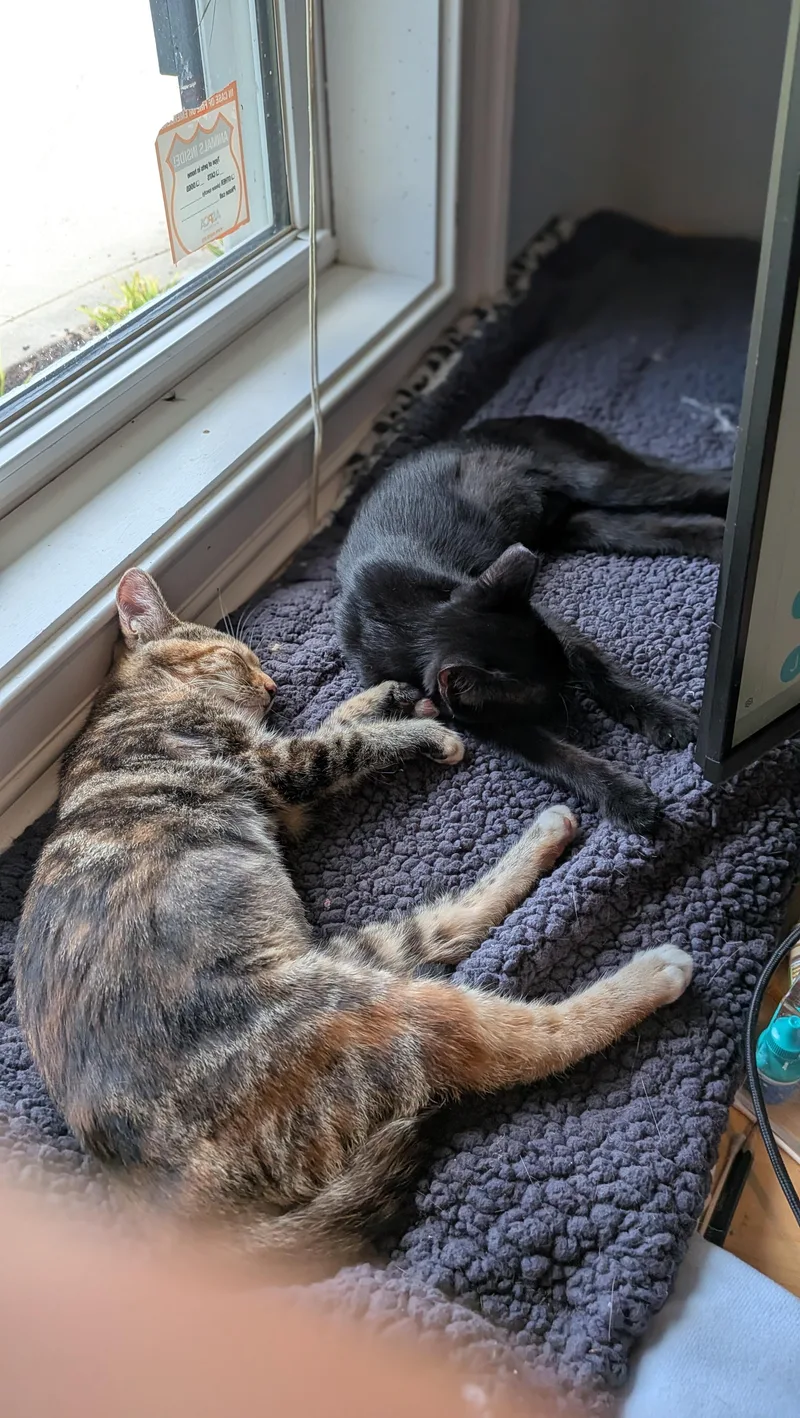
Tabby cats suit Wilmington's mix of older houses and rental apartments, since most do well indoors with a sunny window. Whether it's a streetcar-era house in Carolina Heights or a one-bedroom rental, a tabby mostly needs a window perch, a scratching post and a few play sessions a day. The stripes say nothing about personality, so spend time with the cat itself. In July, the air-conditioned living room usually becomes its favorite spot.

8119 Tabbies available in Wilmington and nationwide

Find your Tabby

Tabbies Available for Adoption Near Wilmington

About the Tabby breed

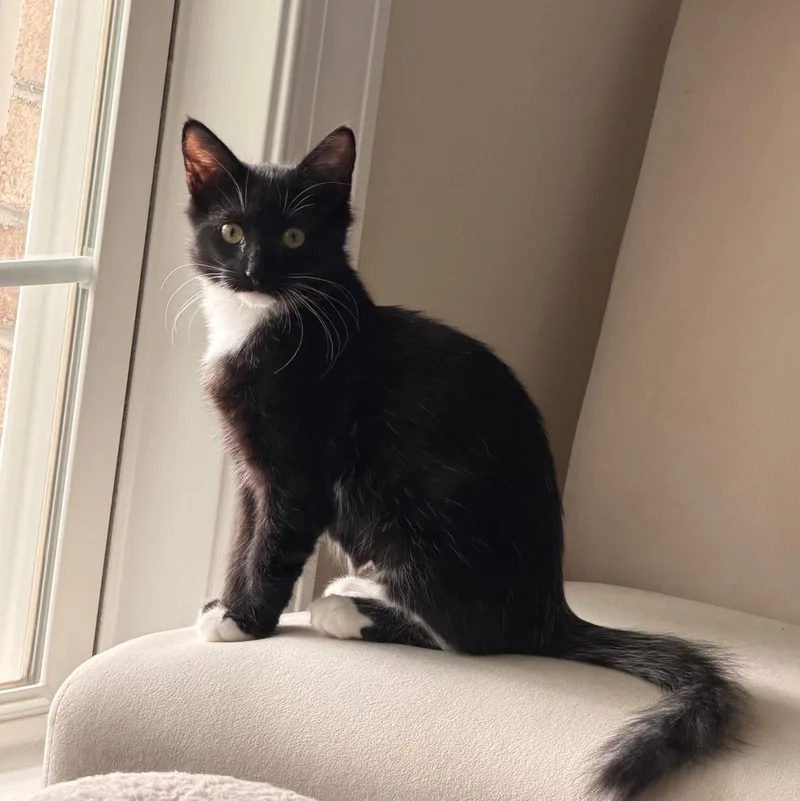
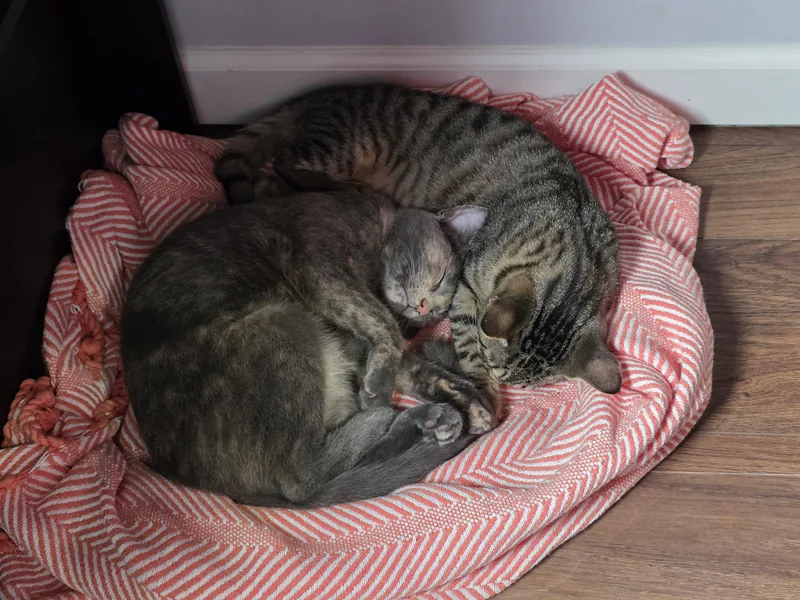
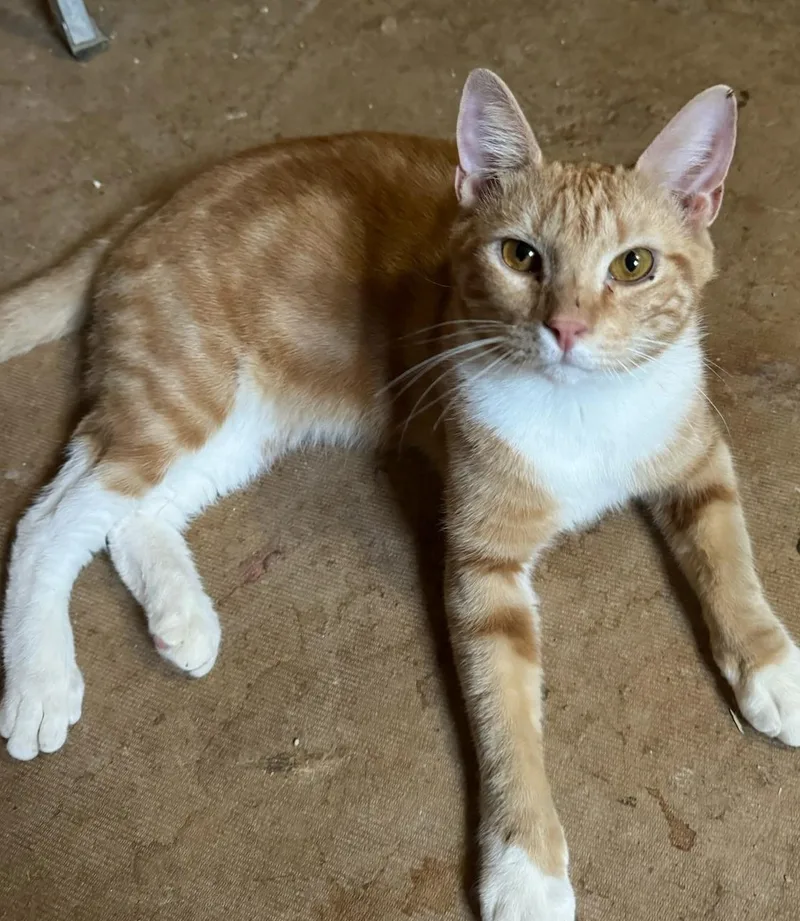
Tabby is a coat pattern, not a breed. A cat with an M-shaped mark on the forehead and stripes, swirls, spots or ticked hairs is a tabby, whether it's a domestic shorthair, a Maine Coon or an American Shorthair. The four main patterns are mackerel, classic, spotted and ticked, in colors from brown and orange to gray, silver and cream.

Most adoptable tabbies are medium-sized shorthairs weighing roughly 6 to 14 pounds, and many live 12 to 18 years. Personality comes from genetics, upbringing and past experiences rather than stripes, so one tabby may be a lap cat and another a shy observer. Shorthair coats shed moderately. Plan for a commitment of well over a decade, including housing that welcomes a cat for the long run.

Weight
6–14 lbs
Height
8–10 in
Lifespan
12–18 yrs
Temperament
Curious, Adaptable, Affectionate
Shedding
Moderate

Owning a Tabby in Wilmington

Having a Tabby in Wilmington

Tabby describes a pattern found in many breeds and mixes, so traits come from the cat, not the stripes. In Wilmington, coat length, energy level, age and health history matter far more than markings, and an indoor home with climbing space suits most tabbies.

Temperament

Expect the full range of cat personalities: friendly, curious, shy, independent or playful. The idea that orange tabbies are extra outgoing partly reflects that most orange cats are male. Before adopting, watch how the cat reacts to noise, handling and visitors, since Wilmington apartment living and storm season can be loud for sensitive cats.

Exercise Needs

Plan on daily play that mimics hunting, such as wand toys, chasing and pouncing, in several short sessions for kittens and young adults. Cat trees, scratching posts and window perches add indoor exercise. Wilmington's humid afternoons are best spent resting, so evening play in the cool house works well. Older cats usually prefer gentler games.

Health Considerations

A tabby's health risks depend on its breed or mix, age and lifestyle, not its coat. Common issues include obesity, dental disease and urinary problems, plus kidney disease, hyperthyroidism and diabetes in older cats. Wilmington's warm, wet climate makes flea and tick prevention worth discussing with a veterinarian. Annual exams and a healthy weight help any tabby.

Living Space

Most tabbies adapt well to apartments or houses with places to climb, scratch, hide and look outside. Indoor living protects cats from traffic, disease and local wildlife, including the alligators that live in Greenfield Lake. Put a litter box on each level of a larger home and give the cat a quiet retreat. Long-haired tabbies need more grooming time.

What it costs to own a Tabby in Wilmington

ExpenseTypical costPer year
Adoption fee$50 to $185, one time$50 to $185 in year one
Food$25 to $50 per month$300 to $600
Pet insurance$20 to $45 per month$240 to $540
Routine vet care$150 to $350 per year$150 to $350
Other*$460 to $1,160 per year$460 to $1,160
Estimated yearly total (after year one)$1,150 to $2,650
First-year total (with adoption fee)$1,200 to $2,835

Adoption fee is the range of fees on Tabby listings in Wilmington on GetBuddy today. Other costs are estimates and vary with size, age and health.

* The $10 New Hanover County registration for a spayed or neutered cat, litter, flea prevention, a dental cleaning allowance, toys, scratchers and bedding, and occasional grooming.

Adopt a Tabby in Wilmington.

Now that you know more, let’s find you a new best friend. These rescues and shelters below currently have Tabbies available.

Frequently Asked Questions

Yes. No known Wilmington rule limits cats by coat pattern or breed, and tabby is a pattern, not a breed. The main requirements are county registration and a current rabies vaccination, both covered in the Life in Wilmington section. The bigger question is housing, so read your lease for pet fees and limits before bringing a cat home.

Yes, a tabby can live happily in a Wilmington apartment if it has vertical space, scratching surfaces and daily play. Under North Carolina law, security deposits are capped at two months' rent on longer leases, so budget for that up front. Secure window screens and balcony doors, add a window perch, and choose a cat whose energy matches your space.

Yes, most tabbies handle Wilmington summers well indoors, though the humidity deserves attention. Keep the home cool, put fresh water in several spots and save play for the evening. Panting, drooling or unusual lethargy call for a veterinarian right away. Long-haired tabbies benefit from regular brushing to keep tangles and loose fur under control.

Often, yes. Tabbies tend to adapt to apartments and houses, and Wilmington's mild winters and air-conditioned summers suit an indoor cat. The better test is the cat's own temperament, since stripes don't predict personality. Choose a cat whose energy, age and coat match your schedule, and browse the tabbies on this page to compare.

No. Wave Transit prohibits pets on its buses and in its facilities, even in carriers, and only service animals are allowed. The on-demand RideMICRO service also bans pets and doesn't treat emotional support animals as service animals. For vet visits, plan on a car or a ride from a friend, with the cat in a secure carrier.

A short-haired tabby needs a quick brush about once a week, while a long-haired tabby needs brushing several times a week. Shedding is moderate, and Wilmington's humid summers make regular brushing helpful for longer coats. Most cats groom themselves, so professional grooming is occasional and falls under the Other cost line, along with nail trims at home.

Sometimes. North Carolina lets restaurants allow cats and dogs in outdoor dining areas if they're physically restrained and don't pass through indoor areas, but each restaurant sets its own policy. Most tabbies are calmer at home. If you try a patio, use a carrier or secure harness, and never leave the cat unattended.

A tabby cat is any cat with a tabby coat pattern, meaning stripes, swirls, spots or ticked hairs plus a distinctive M-shaped marking on the forehead. Tabby is not a breed. The pattern appears in domestic shorthairs and longhairs as well as many pedigreed breeds, such as the American Shorthair, Maine Coon and Abyssinian, and it is one of the most common cat patterns.

We have 2 rescues with Tabbies available: Feline Matchmakers Inc and Friends of Felines. You can see every rescue with Tabbies available in the list above these questions, or scroll to the top to see the Tabbies near Wilmington.

Expect roughly $1,150 to $2,650 a year for an adult tabby. That covers food at $25–$50 a month, insurance at $20–$45 a month, routine vet care at $150–$350 a year, and other costs of $460–$1,160 a year, including litter, flea prevention, dental care and supplies. Size, age and coat length can move these figures.