Calico Cats for Adoption in Wilmington, NC

Your guide to finding and caring for a Calico in Wilmington

Calicos in Wilmington are mostly domestic shorthairs with a three-color coat, and they settle into the city's older homes and newer apartments alike. In one of Brookwood's Craftsman houses, she'll likely claim a sunny windowsill. In a Mayfaire apartment, a tall cat tree does the same job. Summer heat and humidity keep most cats indoors here anyway. Her patches don't predict her personality, so spend time with her before deciding.

1486 Calicos available in Wilmington and nationwide

Bring home a Calico

While we don't have enough cats near Wilmington, keep in mind that many rescues may offer transport.

Calicos Available for Adoption Near Wilmington

About the Calico breed

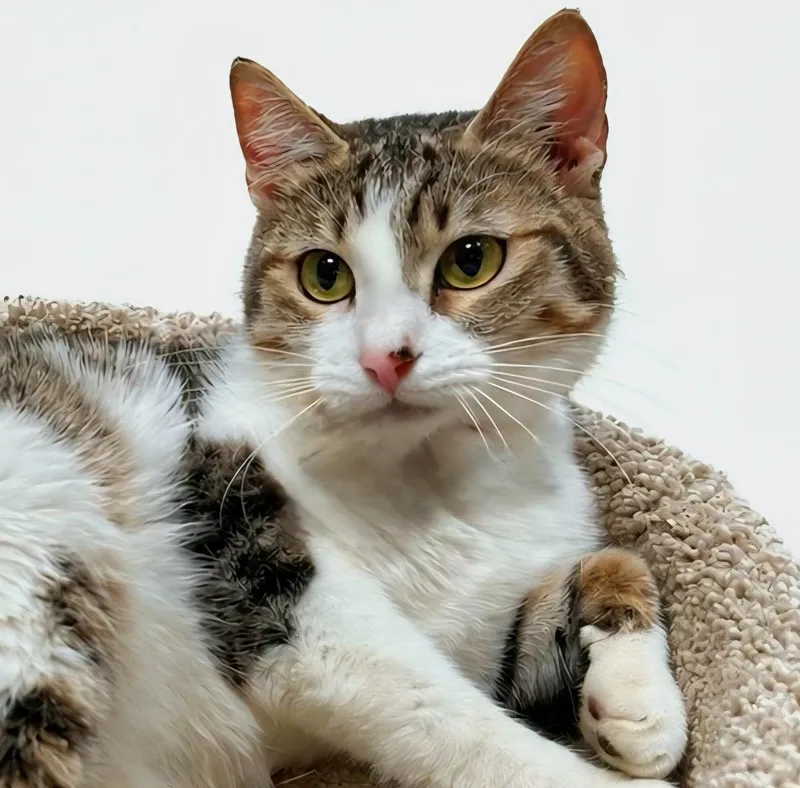
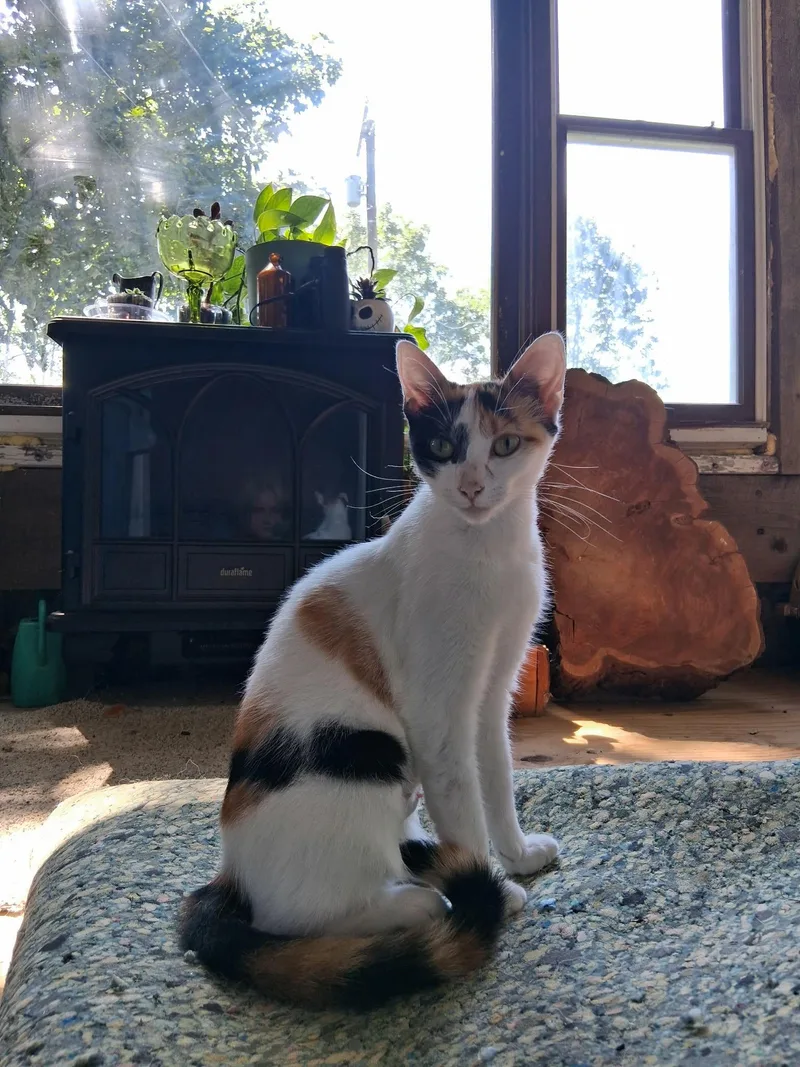
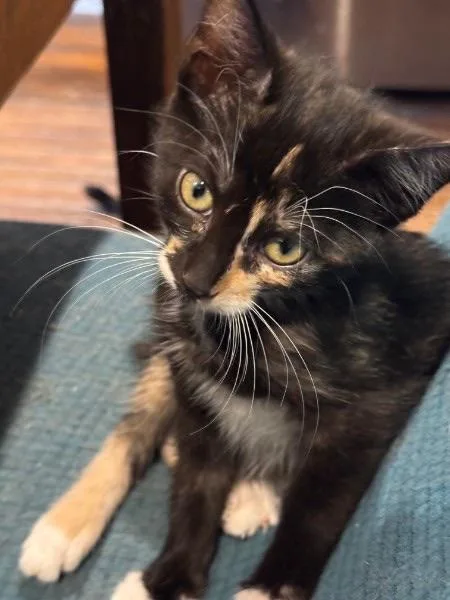
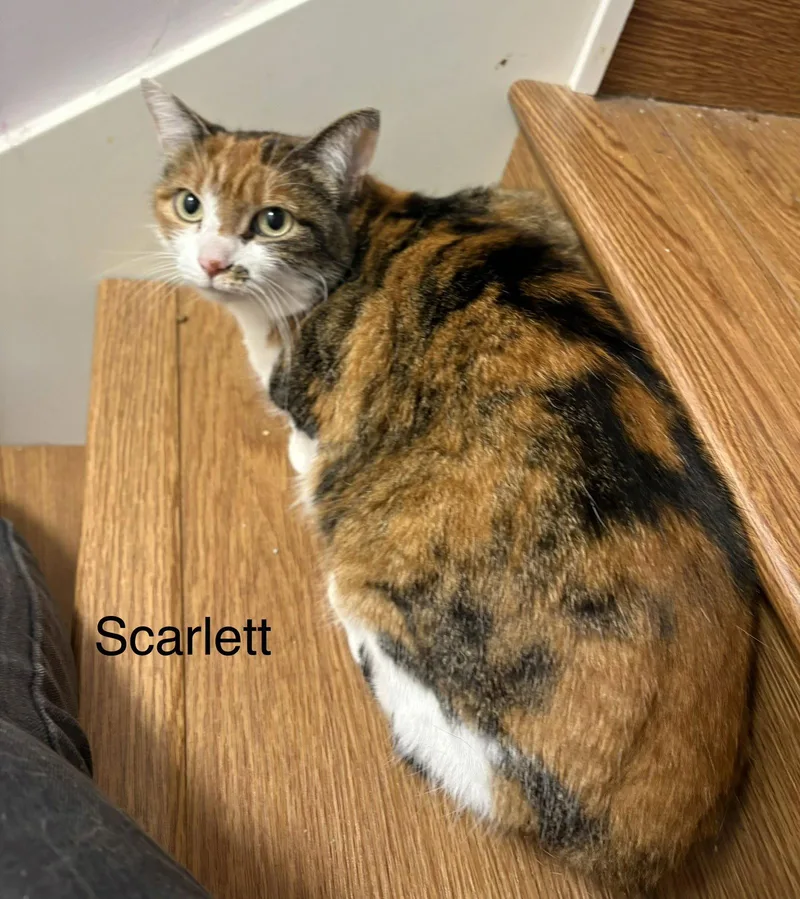
Calico describes a coat, not a breed: white with patches of orange and black, or the softer gray and cream of the dilute version. The pattern appears in domestic shorthairs and longhairs and in several pedigreed breeds, but most calicos are domestic shorthairs, typically 6 to 12 pounds and living 12 to 18 years. Nearly all are female.

That ordinary house-cat background suits Wilmington well. A shorthair needs only weekly brushing, while a longhaired mix will want a few sessions a week to keep the coat from matting. Because color doesn't predict behavior, how a particular cat handles new people, noise and other pets matters more than her pattern. Plan a veterinary checkup soon after adoption.

Weight
6–12 lbs
Height
8–10 in
Lifespan
12–18 yrs
Temperament
Adaptable, Affectionate, Independent
Shedding
Moderate

Owning a Calico in Wilmington

Having a Calico in Wilmington

A calico's traits come from her ancestry, upbringing and age, not her colors. In Wilmington, the practical differences are coat length, energy level and how well she copes with a hot, humid summer indoors, so treat each section below as a guide rather than a promise.

Temperament

Calicos range from shy and gentle to bold and chatty, and the "tortitude" reputation isn't reliably backed by research. In a busy Wilmington apartment building, a confident cat may enjoy the hallway noise while a shy one prefers a quiet room. Watch how the cat reacts to handling and new sounds.

Exercise Needs

Plan on two or three short play sessions a day with wand toys, balls or food puzzles, with young cats needing more. Wilmington's long, muggy summers make indoor play the dependable routine. A harness-trained cat can explore a yard or catio, and city parks require pets to be leashed and cleaned up after.

Health Considerations

Care mirrors that of any domestic cat: vaccines, dental care, weight control and yearly checkups. Wilmington's warm, humid climate keeps fleas and mosquitoes active much of the year, so ask a veterinarian about year-round flea and heartworm prevention. North Carolina requires rabies vaccination for cats from four months of age.

Living Space

A calico adapts well to apartments and houses alike if she has scratching posts, a high perch and hiding spots. A window perch gives her a view of the street, and a screened catio or harness provides safe fresh air. Indoor living keeps her safest.

What it costs to own a Calico in Wilmington

ExpenseTypical costPer year
Adoption fee$185, one time$185 in year one
Food$25 to $50 per month$300 to $600
Pet insurance$20 to $45 per month$240 to $540
Routine vet care$150 to $350 per year$150 to $350
Other*$460 to $1,160 per year$460 to $1,160
Estimated yearly total (after year one)$1,150 to $2,650
First-year total (with adoption fee)$1,335 to $2,835

Adoption fee is the fee on Calico listings in Wilmington on GetBuddy today. Other costs are estimates and vary with size, age and health.

* The $10 New Hanover County registration for a spayed or neutered cat, litter, flea and parasite prevention, a dental cleaning allowance, toys and supplies, and home brushing.

Adopt a Calico in Wilmington.

Now that you know more, let’s find you a new best friend. These rescues and shelters below currently have Calicos available.

Frequently Asked Questions

Yes, you can own a calico in Wilmington. No breed ban is known, and calico is a coat pattern rather than a breed anyway. County pet registration and rabies vaccination are the main requirements, and spayed or neutered cats pay the lower registration rate. Keep her tag and vaccination records current.

Yes, a calico usually does well in a Wilmington apartment when she has vertical space, scratching posts and daily play. Read the lease for pet fees and limits before applying, since North Carolina lets landlords charge a reasonable nonrefundable pet fee. Watch how the cat reacts to noise, because shared walls suit calm, quieter cats best.

A shorthaired calico needs a brush about once a week, while longhaired mixes do better with brushing a few times a week. Summer humidity and seasonal shedding make regular brushing worthwhile, and longhaired coats should be checked for mats behind the legs and under the belly. Baths are rarely needed, and home brushing is already counted in the Other costs shown above.

Yes, Wilmington suits calicos as long as she lives indoors. Winters are mild, but summers bring about 45 days at 90°F or higher with muggy nights, so keep air conditioning or fans running, fresh water available and her out of parked cars. Hurricane season is the bigger local risk, so keep a carrier, food and vaccination records ready.

No, calicos can't ride Wave Transit buses in Wilmington. Pets are prohibited even in carriers, and only service animals are allowed. Wilmington has no subway or rail system. Plan on a car for vet visits, or check a rideshare's pet policy before booking, and always use a secure, ventilated carrier.

Almost all calico cats are female, but not every single one. The genes for orange and black coat color sit on the X chromosome, so a cat normally needs two X chromosomes to show both colors at once. Roughly 1 in 3,000 calicos is male, usually because of an extra X chromosome, a genetic quirk rather than a separate type.

A calico cat is any cat with a three-color coat of white plus distinct patches of black and orange, or gray and cream in dilute calicos. Calico is a coat pattern rather than a breed, so it appears in domestic shorthairs, longhairs and many pedigreed breeds. Nearly all calicos are female because of how coat color genes are inherited.

Yes, calico cats can be male, but it is very rare. A male calico usually has XXY chromosomes instead of the typical XY, a condition similar to Klinefelter syndrome in people, or is a chimera formed from two embryos. These males are almost always sterile and may have extra health needs, so regular veterinary care is especially worthwhile.

We have 1 rescue with Calicos available: Feline Matchmakers Inc. You can see every rescue with Calicos available in the list above these questions, or scroll to the top to see the Calicos near Wilmington.

Plan on roughly $1,150 to $2,650 a year for a calico. That covers food at $25 to $50 a month, insurance at $20 to $45 a month, routine vet care at $150 to $350 a year, and other costs at $460 to $1,160 a year. Healthy shorthairs tend toward the lower end; longhaired mixes and extra dental care push costs up.