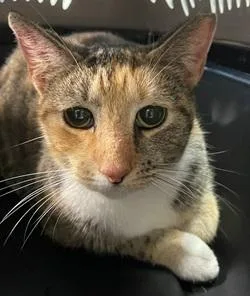
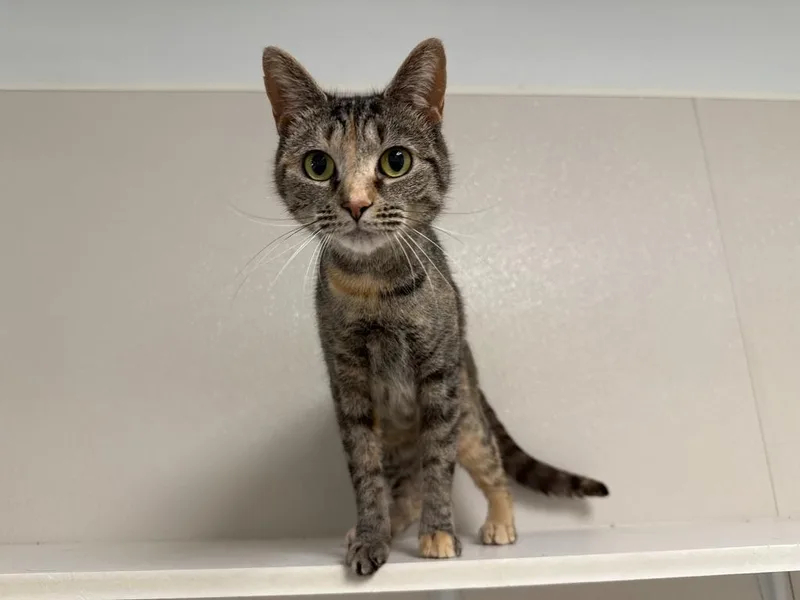
Manx Cats for Adoption in Raleigh, NC

Your guide to finding and caring for a Manx in Raleigh

A Manx is a good match for the apartments and bungalows inside Raleigh's Beltline. Boylan Heights bungalows and Warehouse District apartments both give a Manx what it likes best: a sunny window, a tall cat tree and someone home to play fetch with in the evening. Most Manx are content indoors, which suits Raleigh's busy streets and its coyotes. Adopting one here is mostly about finding a cat whose health and energy fit your routine, since tail length says little about either.

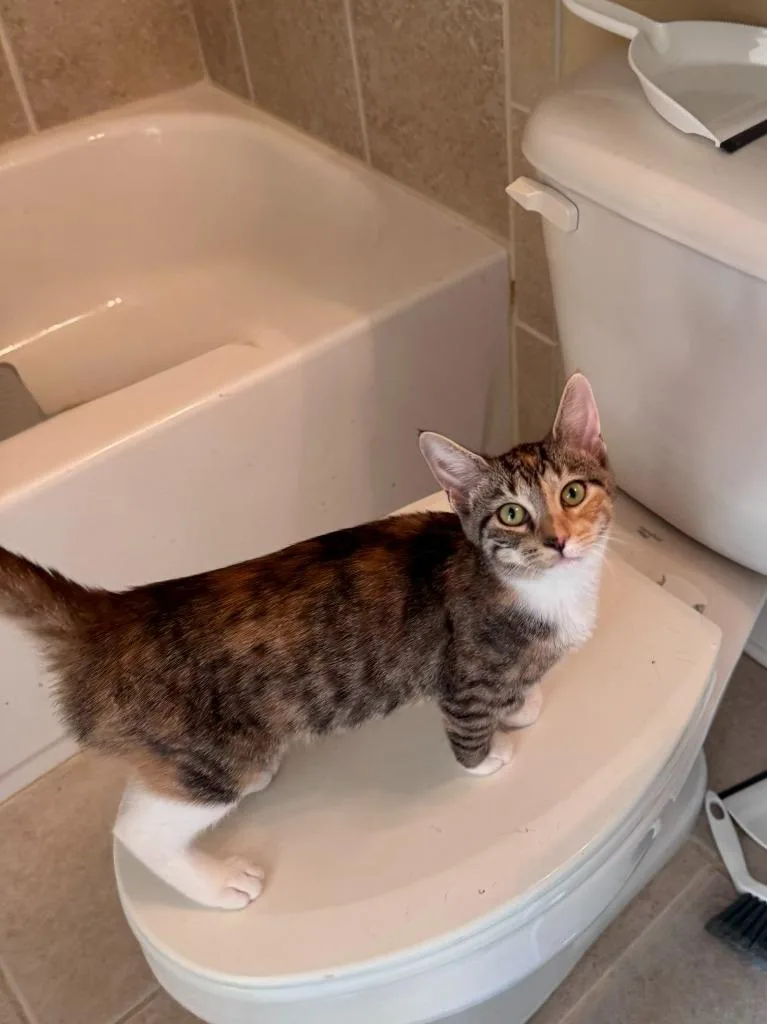
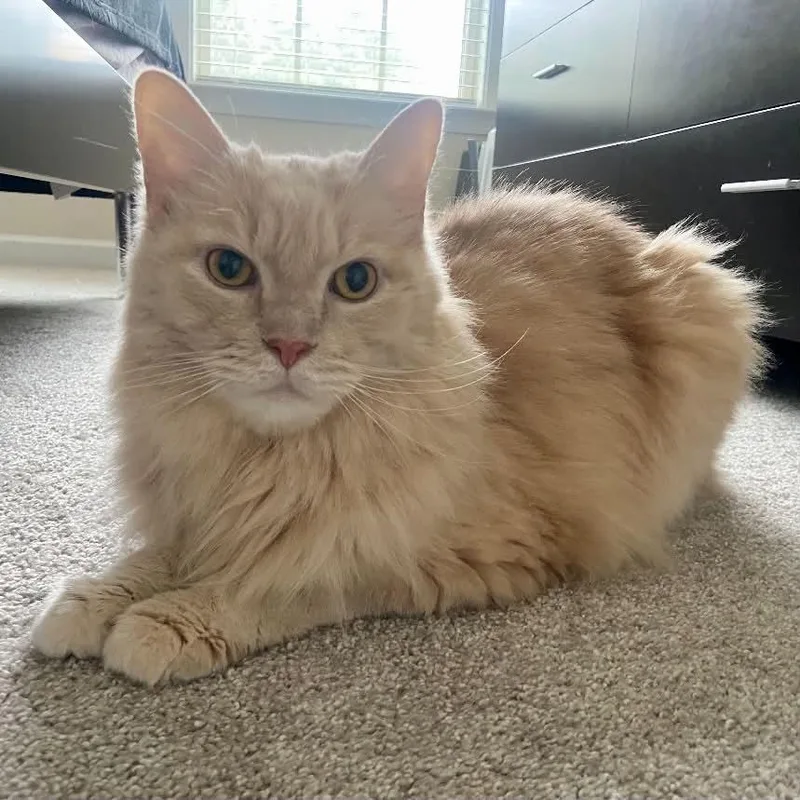
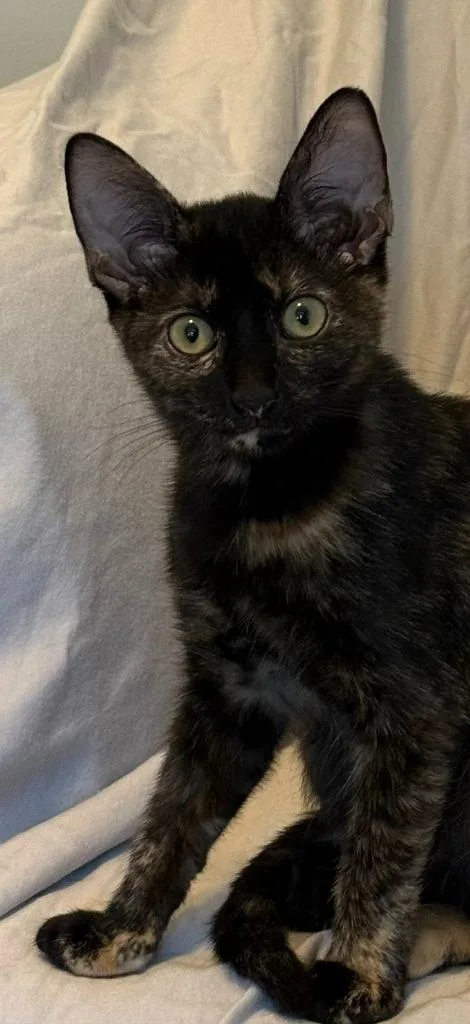
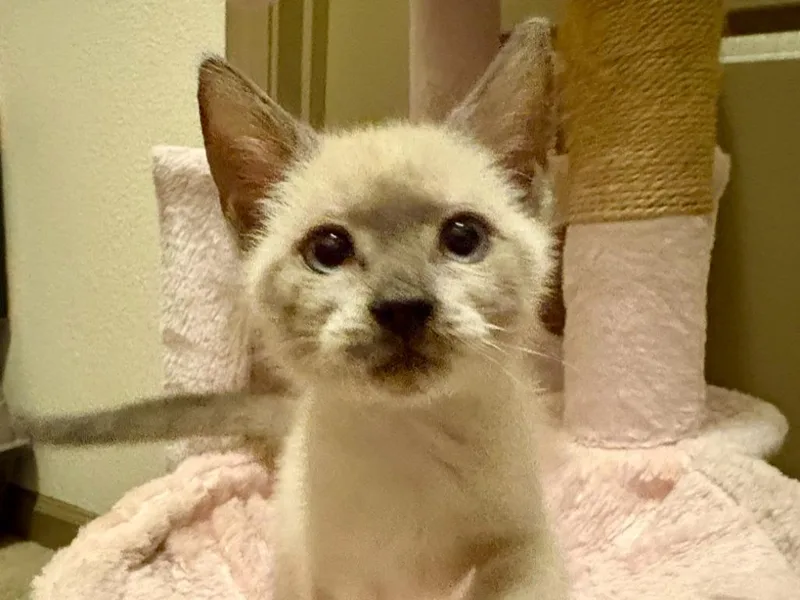
289 Manxes available in Raleigh and nationwide

Find your Manx

While we don't have enough cats near Raleigh, keep in mind that many rescues may offer transport.

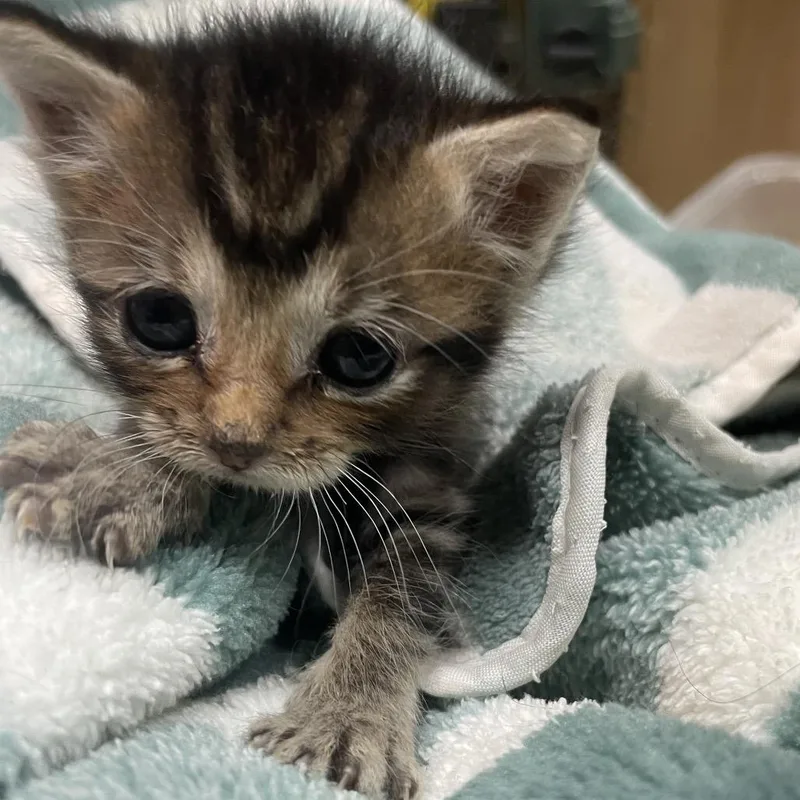
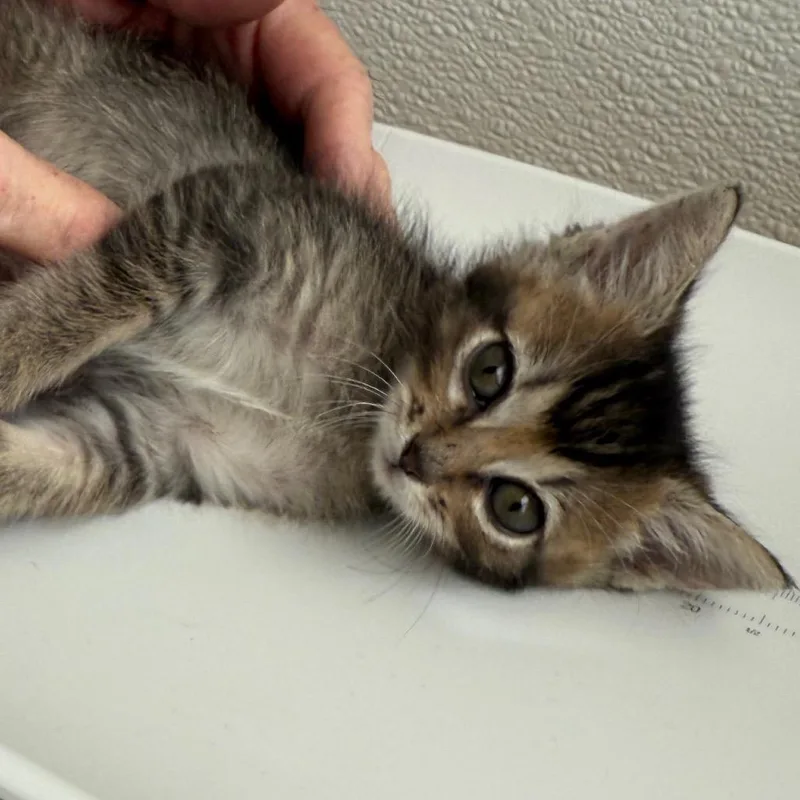
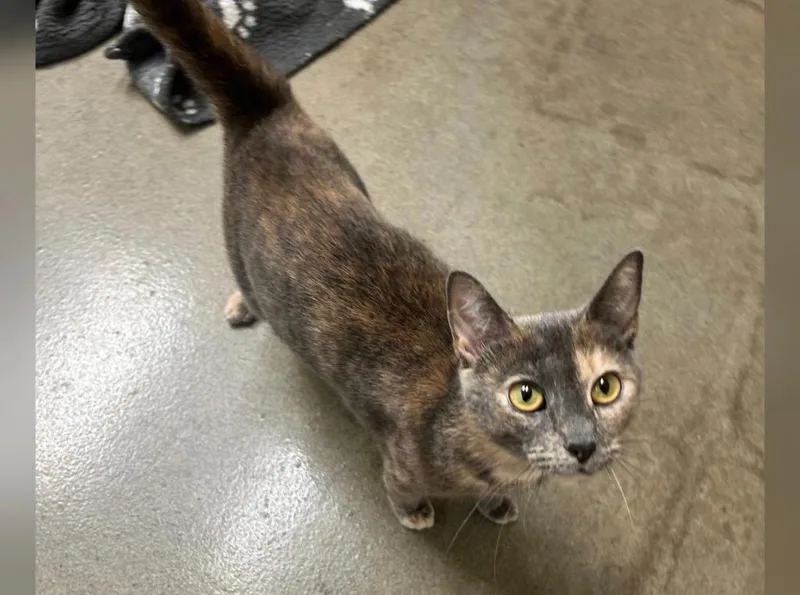
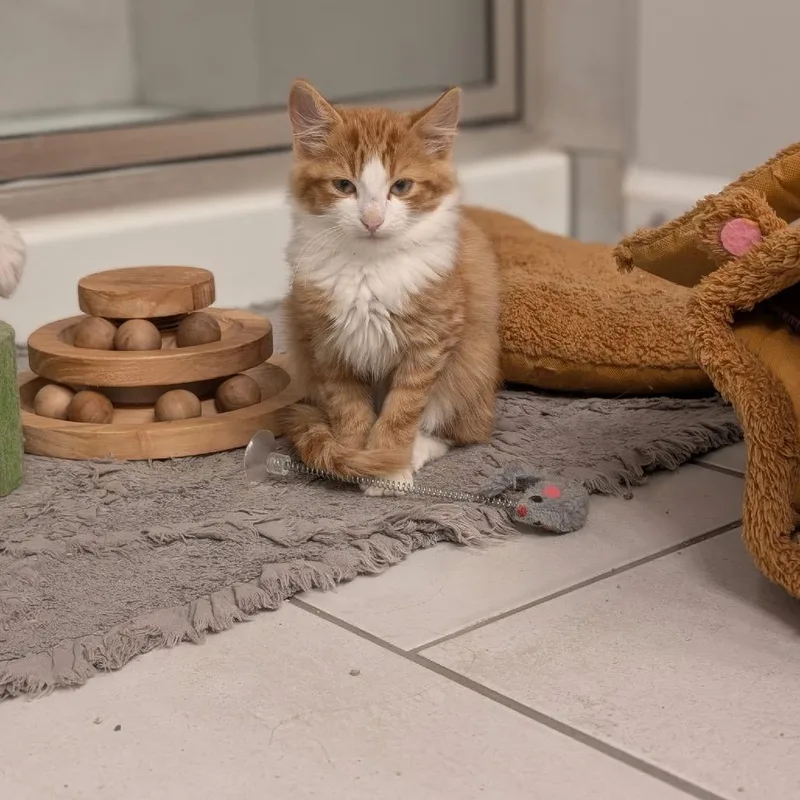
Manxes Available for Adoption Near Raleigh

About the Manx breed

The Manx comes from the Isle of Man, where a natural mutation produced cats with no tail or a short one, and the breed has been recognized for well over a century. Tail length varies widely, from none at all to a full tail, even within one litter. Manx are round and sturdy, with a short back, long hind legs and a dense double coat that sheds moderately.

Many Manx are gentle, devoted and playful in bursts, and they're known for following their people from room to room and fetching toys. They tend to trill softly rather than yowl. The gene that shortens the tail can also cause Manx syndrome, which affects the spine, bladder and bowel, usually by four months old, so a veterinary exam matters whichever cat you meet.

Weight
8–12 lbs
Height
8–10 in
Lifespan
10–14 yrs
Temperament
Playful, Devoted, Gentle
Shedding
Moderate

Owning a Manx in Raleigh

Having a Manx in Raleigh

Raleigh's mix of apartments and older bungalows suits a Manx's indoor, home-loving habits. Health deserves the most attention, especially the spinal and bowel problems tied to the tail gene, along with enough play to keep this solid, round cat at a healthy weight.

Temperament

Manx cats are typically gentle and devoted, often choosing a favorite person to follow around the house. Many are playful in short bursts and enjoy fetch. They can be reserved with visitors at first, which suits quieter Raleigh households, though every cat's comfort level varies, so spend time getting to know the cat you're considering.

Exercise Needs

Expect moderate activity: a couple of short play sessions a day with wand toys, fetch or food puzzles. Strong hind legs make Manx enthusiastic climbers, so a tall cat tree by a window works well in a Raleigh apartment. Play also keeps this heavy-boned breed lean. Some cats take to a harness, but indoor play is plenty.

Health Considerations

Manx syndrome, tied to the tail gene, can affect the spine, hind legs, bladder and bowel, and it usually shows in kittenhood. Constipation, megacolon and arthritis in stumpy tails also occur. Have a veterinarian examine a newly adopted Manx soon after coming home, then keep up yearly checkups and parasite prevention.

Living Space

Raleigh's apartments and older bungalows both work for a Manx, provided there's vertical space and a quiet spot to rest. Keep the cat indoors, since traffic and coyotes are real risks and the city's at-large rule covers cats too. A cat with Manx syndrome may need low-sided litter boxes and ramps.

What it costs to own a Manx in Raleigh

ExpenseTypical costPer year
Food$25 to $50 per month$300 to $600
Pet insurance$30 to $60 per month$360 to $720
Routine vet care$150 to $350 per year$150 to $350
Other*$450 to $1,150 per year$450 to $1,150
Estimated yearly total (after year one)$1,260 to $2,820

Other costs are estimates and vary with size, age and health.

* Litter, parasite prevention, a dental cleaning allowance, toys and scratchers, and basic brushing supplies for the double coat.

Adopt a Manx in Raleigh.

Now that you know more, let’s find you a new best friend. These rescues and shelters below currently have Manxes available.

Frequently Asked Questions

Yes, a Manx usually does well in a Raleigh apartment. They're moderately active, fairly quiet and happy indoors, as long as they have a tall cat tree, a window perch and daily play. Since many Raleigh buildings are rentals, get the pet policy and any nonrefundable pet fee in writing. Cats with mobility problems may need ramps and low-sided litter boxes.

Yes. Raleigh has no known breed-specific rules and no pet license, so a Manx is treated like any other cat. North Carolina requires rabies vaccination for cats over four months, and the city's at-large rule applies to cats, so keep yours indoors or leashed. A microchip isn't required but helps if your cat ever slips out.

Often, yes, especially for people who are home a fair amount. A Manx tends to bond closely, enjoys fetch-style play and stays content indoors, which works in Raleigh's apartments and bungalows. Long, empty days can be harder on such a people-oriented cat. Because Manx syndrome affects some cats, a veterinary exam after adoption is worth scheduling.

Yes, as indoor cats. Raleigh summers reach the upper 80s with warm, humid nights, and about 50 days a year hit 90°F, so a Manx's dense coat calls for air conditioning or fans and plenty of fresh water. Heavy panting, drooling or weakness signals heat stress: move the cat somewhere cooler and call a veterinarian right away.

A Manx needs a brush about once a week, more often in spring when the double coat sheds and for longer coats. Raleigh's humid summers don't call for shaving; brushing out loose undercoat is safer. Professional grooming is rarely necessary, so costs mostly stay within the brushing supplies counted in the Other line of the cost table.

Generally no. GoRaleigh's published rider rules say pets aren't allowed, only service animals, and GoTriangle buses carry only service animals. Raleigh's transit is bus-based, so plan to drive to vet visits with your Manx in a secure hard-sided carrier, and check GoRaleigh's current rules before any ride.

Only outdoors, and only if the restaurant allows it. North Carolina's food code lets restaurants permit physically restrained dogs and cats on outdoor patios, provided they don't pass through indoor areas, but each restaurant sets its own policy and pets aren't allowed inside. Most Manx are happier at home, and a harness and carrier are essential for any outing.

A Manx is a medium-sized cat breed from the Isle of Man, best known for having no tail or a short tail due to a natural genetic mutation. Manx cats are round and sturdy, with longer hind legs, a thick double coat and a gentle, playful personality. Some Manx have full-length tails, since tail length varies even within litters.

We have 1 rescue with Manxes available: Cause For Paws of NC. You can see every rescue with Manxes available in the list above these questions, or scroll to the top to see the Manxes near Raleigh.

Plan on roughly $1,260 to $2,820 a year for a Manx in Raleigh. That covers food at $25 to $50 a month, insurance at $30 to $60 a month, routine vet care at $150 to $350 a year, and $450 to $1,150 a year in other costs such as litter and parasite prevention. Adoption fees appear on the listings.

Find Manxes in Nearby Cities

Expand your search to find Manxes available for adoption near Raleigh.