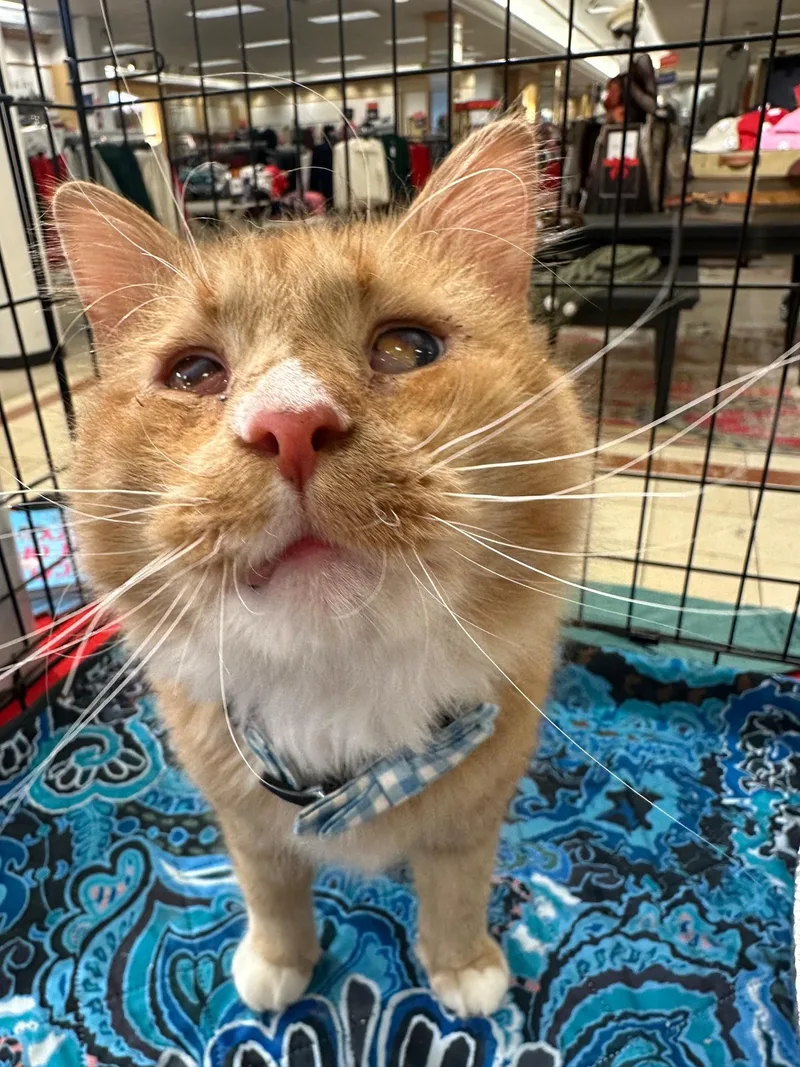
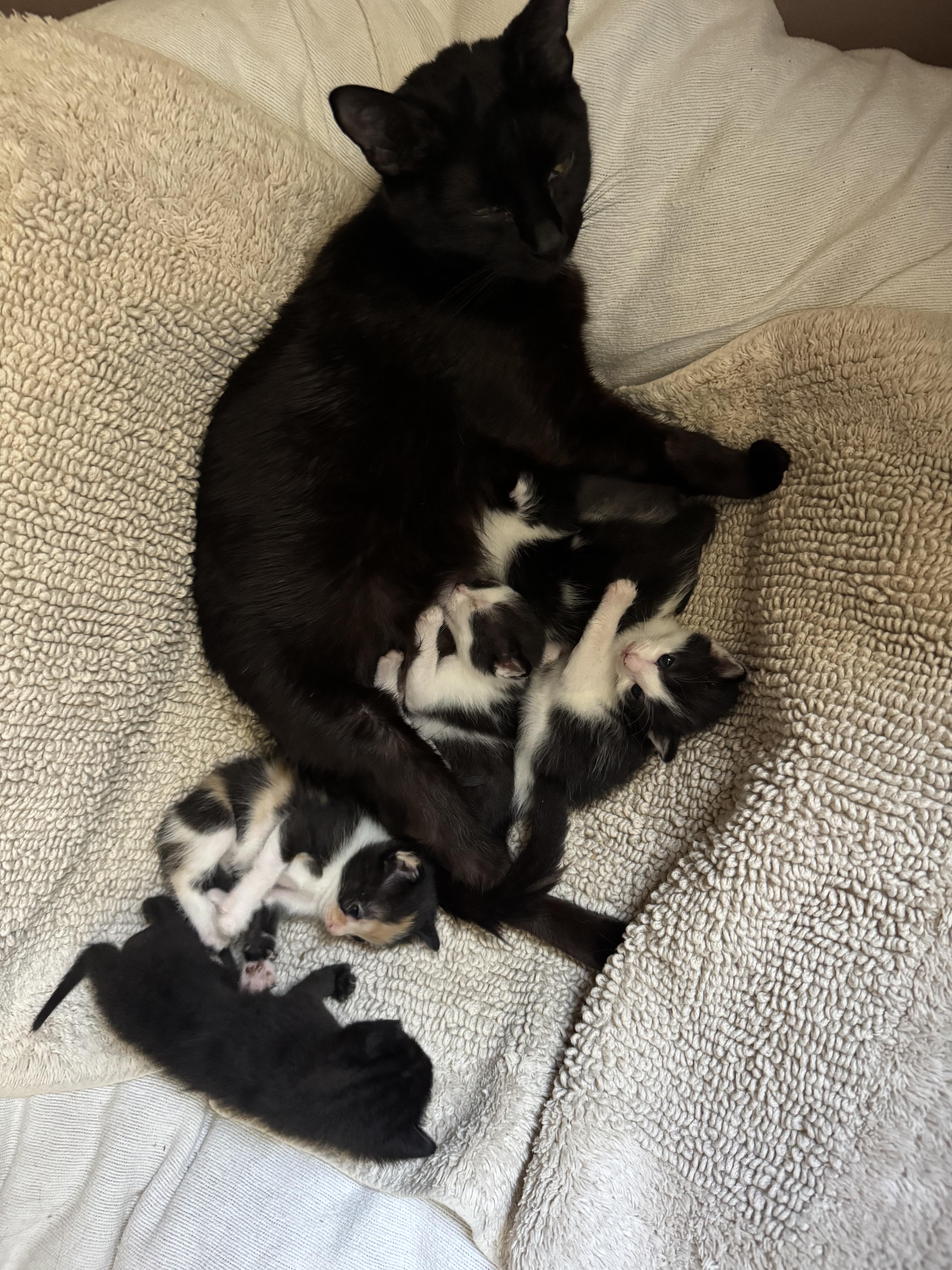
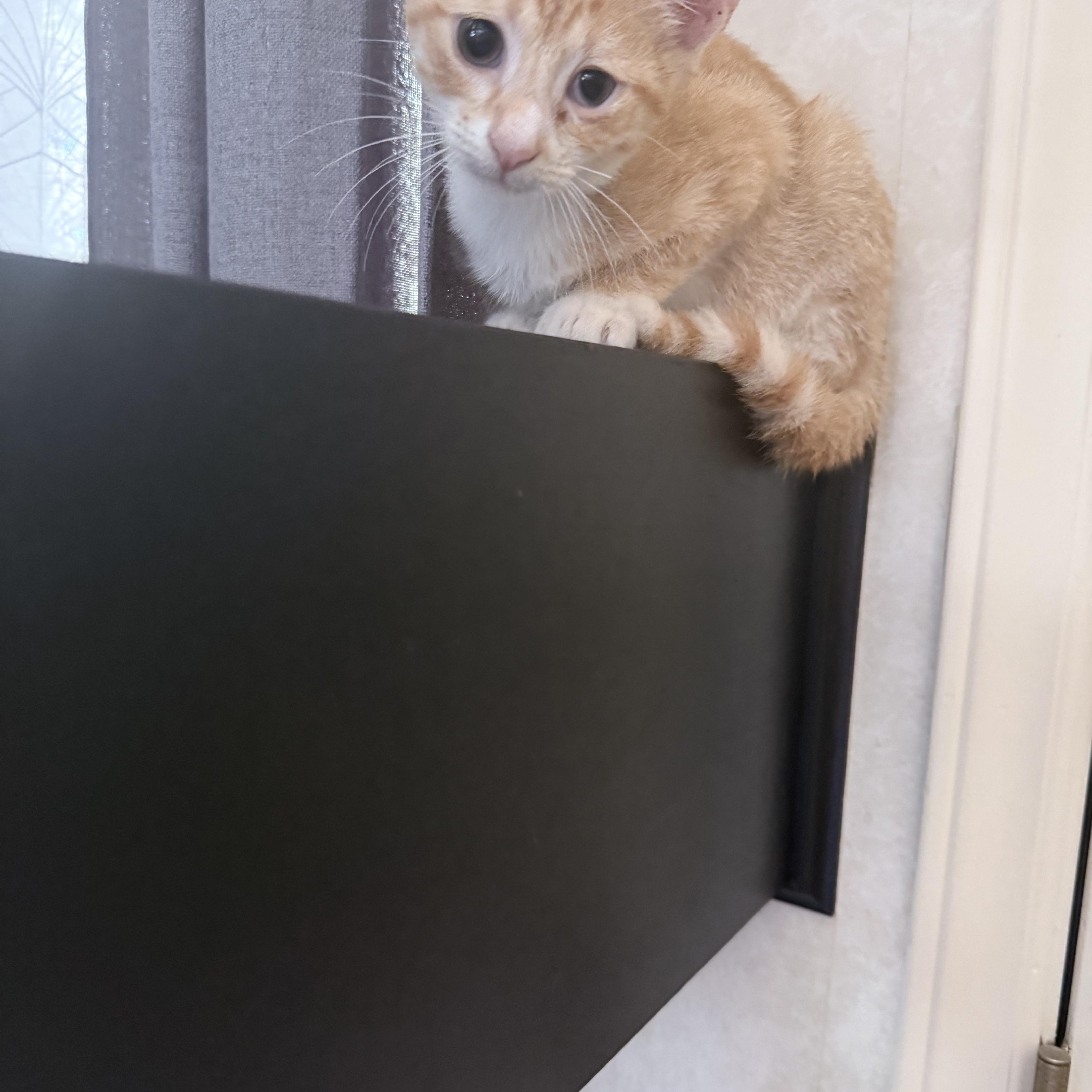
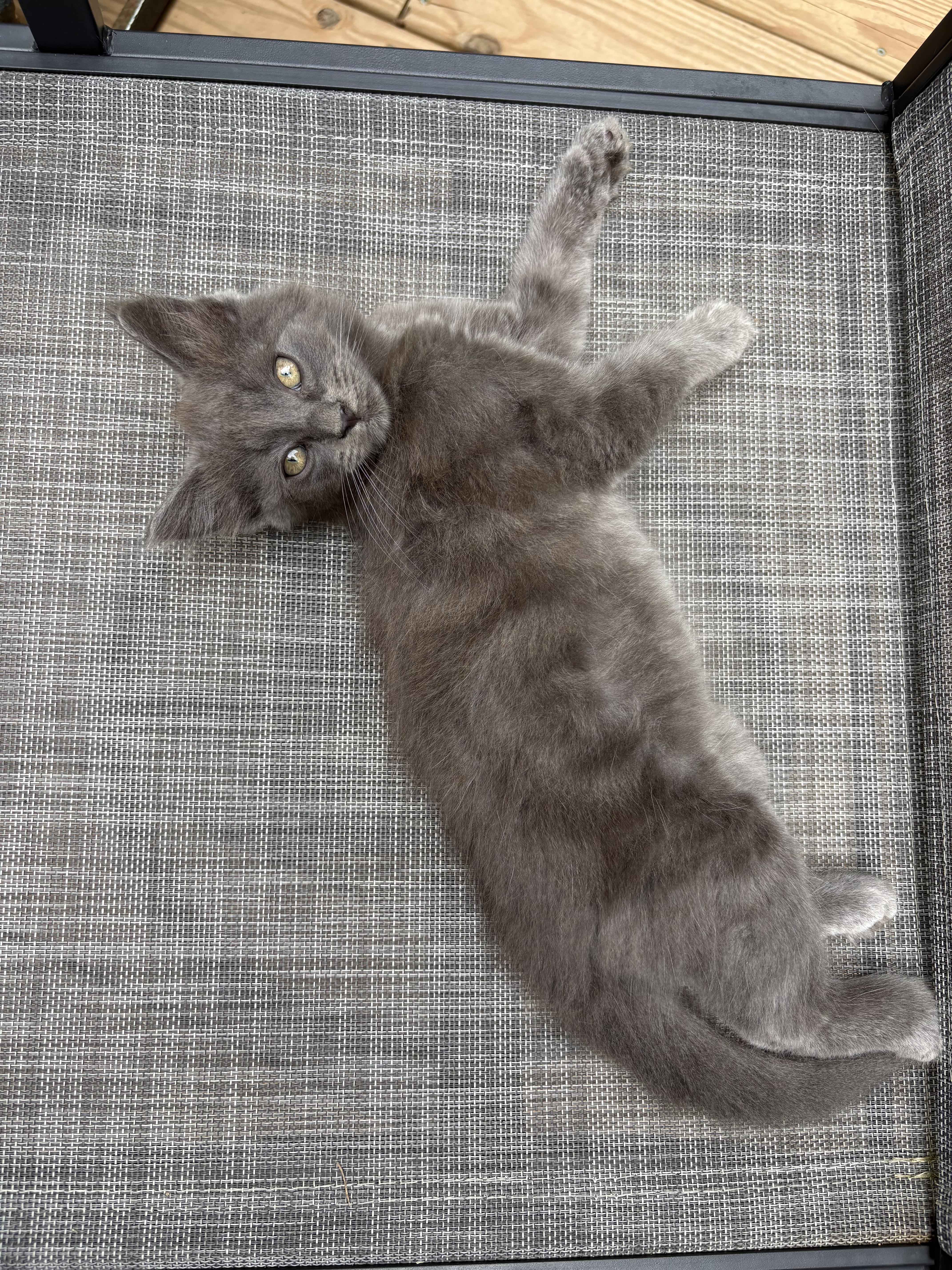
Domestic Short Hair Cats for Adoption in Hickory, NC

Your guide to finding and caring for a Domestic Short Hair in Hickory

Domestic Short Hairs fit Hickory's mix of older bungalows and apartments without much fuss. A cat that's happy with a sunny window and a perch does fine in a Kenworth duplex, a Green Park starter home or a roomy Oakwood house. Coats are short and simple to care for, and personalities range from lap sitters to windowsill watchers. Hickory's long, mild springs and falls make screened windows a daily pleasure.

26 Domestic Short Hairs available for adoption in Hickory

Find your Domestic Short Hair

Domestic Short Hairs Available for Adoption in Hickory

About the Domestic Short Hair breed

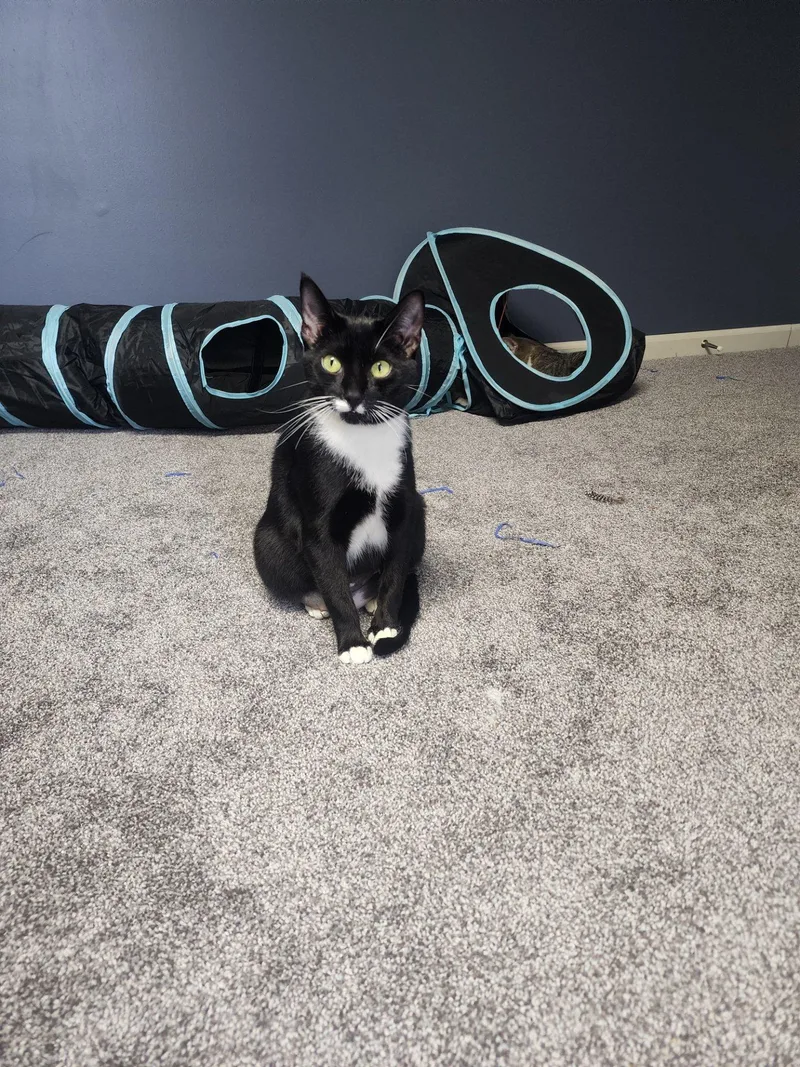
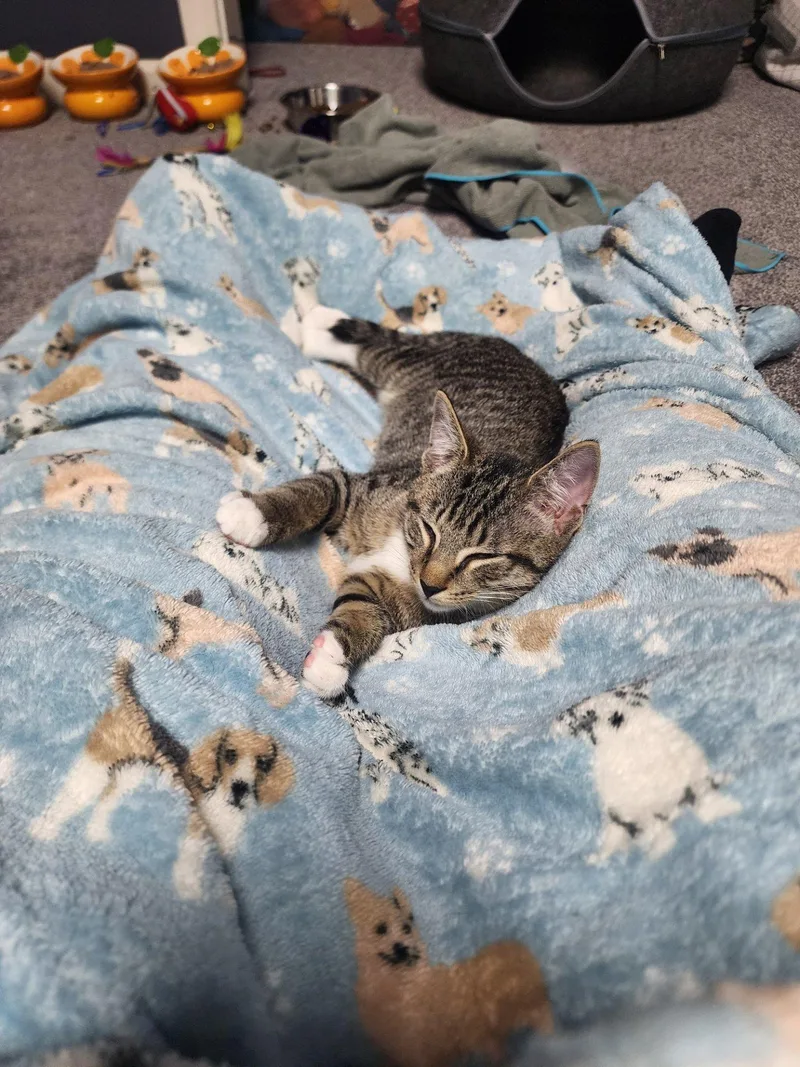
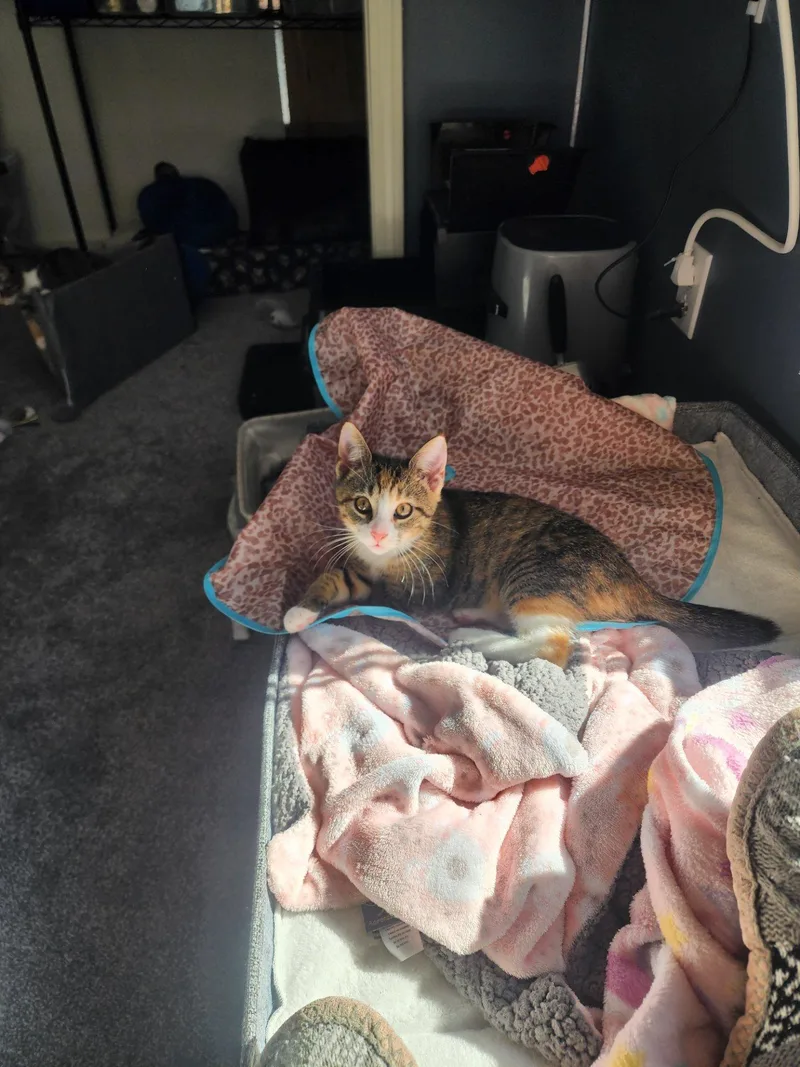
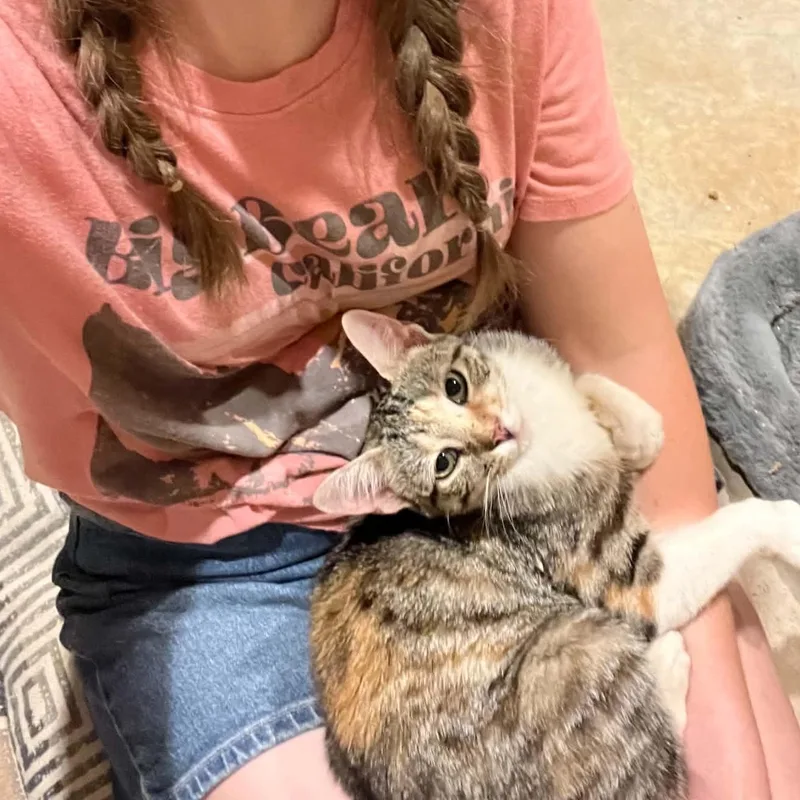
Domestic Short Hair is a type of cat rather than a breed: a short-coated cat of mixed or unknown ancestry, often shortened to DSH on adoption records. It's the most common kind of cat in American homes, and it isn't the same as a pedigreed American Shorthair. Colors and patterns run from tabby and tuxedo to calico and solid black.

Most DSH cats are medium-sized, roughly 6 to 14 pounds, with sturdy, adaptable builds. Personality is wide open, so a cat's age and energy level tell you more than its coat does. In Hickory, where many homes are older houses and duplexes, a cat with a window perch and a scratching post usually settles in well.

Weight
6–14 lbs
Height
8–10 in
Lifespan
12–18 yrs
Temperament
Adaptable, Curious, Affectionate
Shedding
Moderate

Owning a Domestic Short Hair in Hickory

Having a Domestic Short Hair in Hickory

Little is fixed about a Domestic Short Hair beyond the practical coat. Energy, sociability and confidence depend on the cat's age and personality, and Hickory's mix of apartments and houses gives most of them room to settle in.

Temperament

Some DSH cats are outgoing lap sitters, others are shy watchers who warm up slowly. Many adapt well to other cats and calm dogs after gradual introductions. Kittens tend to be bold and playful, while adults show a settled personality. Give a new cat a few days in one quiet room first.

Exercise Needs

Daily interactive play keeps a DSH cat fit, especially indoors. Wand toys, chase games and food puzzles use up energy and satisfy hunting instincts, with several short bursts for young cats and gentler sessions for seniors. A window perch facing a Hickory yard offers bird-watching, and a harness-trained cat can try the Riverwalk on a short leash.

Health Considerations

DSH cats can still get the usual feline problems: obesity, dental disease, urinary issues and, in older cats, kidney disease, hyperthyroidism and diabetes. Yearly exams, weight checks and dental care catch trouble early. North Carolina requires rabies vaccination for cats over four months, and a veterinarian can review a new cat's overall condition.

Living Space

DSH cats adapt to apartments and houses alike when they have vertical space, scratching posts, hiding spots and a clean litter box. In Hickory's older bungalows and duplexes, check that window screens are secure and balconies are enclosed to prevent falls. Keeping cats indoors protects them from traffic, wildlife and storms.

What it costs to own a Domestic Short Hair in Hickory

ExpenseTypical costPer year
Adoption fee$25 to $250, one time$25 to $250 in year one
Food$25 to $50 per month$300 to $600
Pet insurance$20 to $45 per month$240 to $540
Routine vet care$150 to $350 per year$150 to $350
Other*$450 to $1,150 per year$450 to $1,150
Estimated yearly total (after year one)$1,140 to $2,640
First-year total (with adoption fee)$1,165 to $2,890

Adoption fee is the range of fees on Domestic Short Hair listings in Hickory on GetBuddy today. Other costs are estimates and vary with size, age and health.

* Litter, flea and tick prevention, a yearly dental cleaning allowance, toys and scratchers, and minimal home grooming.

Adopt a Domestic Short Hair in Hickory.

Now that you know more, let’s find you a new best friend. These rescues and shelters below currently have Domestic Short Hairs available.

Rescues in Hickory with Domestic Short Hairs Available

Domestic Short Hairs are the most common cats in shelters, and the Hickory-area groups below list their current pets. Here are the rescues & shelters in the Hickory area where you can find Domestic Short Hairs and other cats available for adoption.

Frequently Asked Questions

No, pet cats can't ride Greenway Public Transportation buses in Hickory, which carry service animals only. There's no subway or rail, so car trips are the way to get a Domestic Short Hair to the vet. Use a secure carrier, buckle it in or set it on the floor, and never leave the cat alone in a parked car.

Yes. Hickory's mild springs and falls and cool winters suit indoor Domestic Short Hairs, and short coats cope well with the weather. The main watch-outs are warm, humid afternoons in July and August, so keep the house cool with fresh water, and storm-related power outages from falling trees, so keep a carrier and supplies ready.

The Riverwalk is the best option, since dogs and cats are allowed on a short leash. It's a 2.3-mile path along Lake Hickory with an overwater bridge, reached from Rotary-Geitner Park or Hickory City Park. Most DSH cats prefer home, so try a harness at a quiet time of day first and bag any waste.

Yes, and no known breed rules in Hickory affect cats, least of all a mixed-ancestry Domestic Short Hair. North Carolina requires rabies vaccination for cats over four months, so keep the certificate handy. City zoning also limits households to five small domestic animals per dwelling unit in most residential districts, which covers cats and dogs together.

Yes, Domestic Short Hairs usually do well in apartments when they have a window perch, scratching post, hiding spot and daily play. In Hickory, read the lease for pet fees and pet rent, since North Carolina lets landlords charge a reasonable nonrefundable pet fee. Secure screens on windows and balconies help prevent falls, especially with curious kittens.

Often, yes. Hickory's older bungalows, duplexes and apartments suit a cat that lives mainly indoors, and the mild seasons make screened windows pleasant. Fit depends on the cat's age and personality: kittens need lots of play, while adult cats may be happy with quieter days. Match a cat's energy to your schedule rather than its coat.

Probably not, and most cats are happier at home. North Carolina lets restaurants allow dogs and cats in outdoor dining areas if they're physically restrained and don't pass through indoor areas, but each restaurant decides. Pet cats aren't allowed inside dining rooms, so a carrier on a patio is the most you could expect.

Very little. Brush a Domestic Short Hair once or twice a week, a bit more in spring when coats lighten. Hickory's humid summers don't change the routine much. Trim nails as needed and keep up dental care. Most owners groom at home, so grooming adds little to the yearly Other costs, which mainly cover litter, parasite prevention and supplies.

We have 1 rescue with Domestic Short Hairs available: Fur Babies Rescue. You can see every rescue with Domestic Short Hairs available in the list above these questions, or scroll to the top to see the Domestic Short Hairs in Hickory.

A DSH cat typically costs about $25–$50 a month for food, $20–$45 a month for optional insurance, $150–$350 a year for routine vet care and $450–$1,150 a year for other items such as litter and flea prevention. Together that's roughly $1,140 to $2,640 a year, before any emergencies.