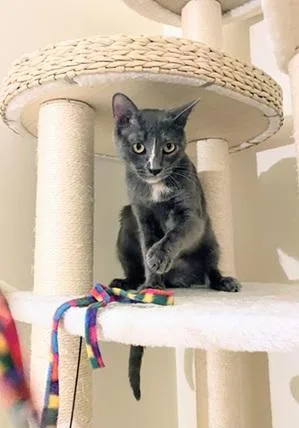
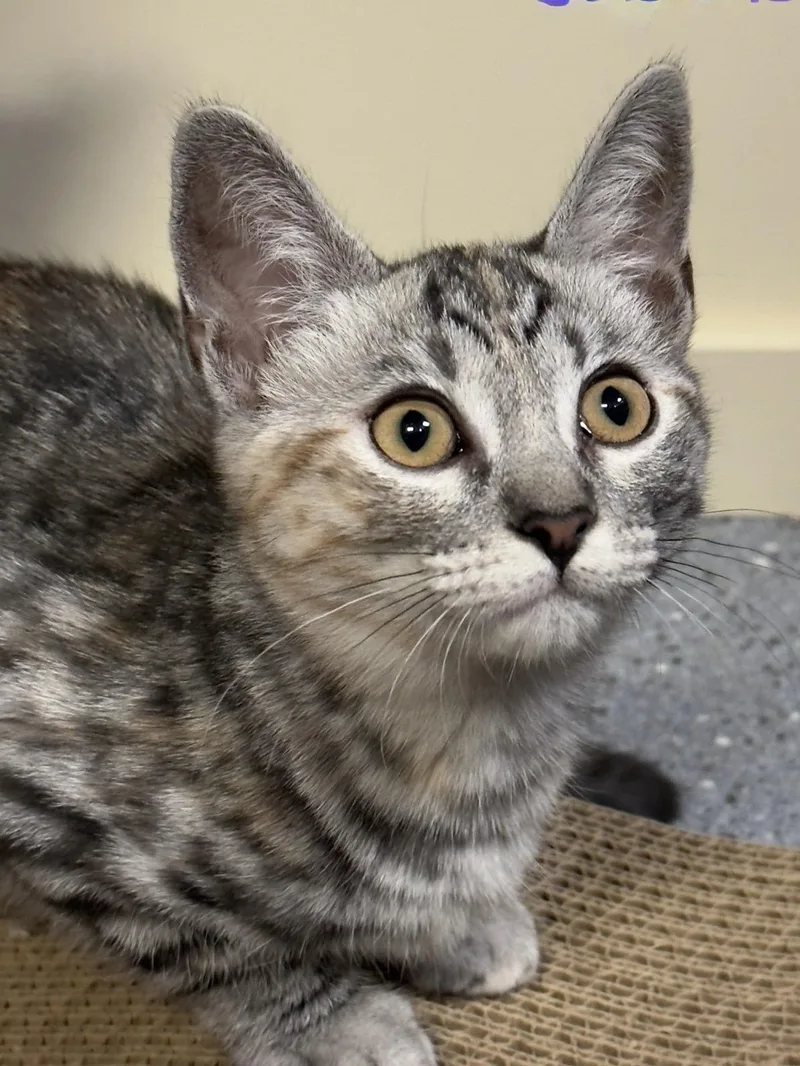
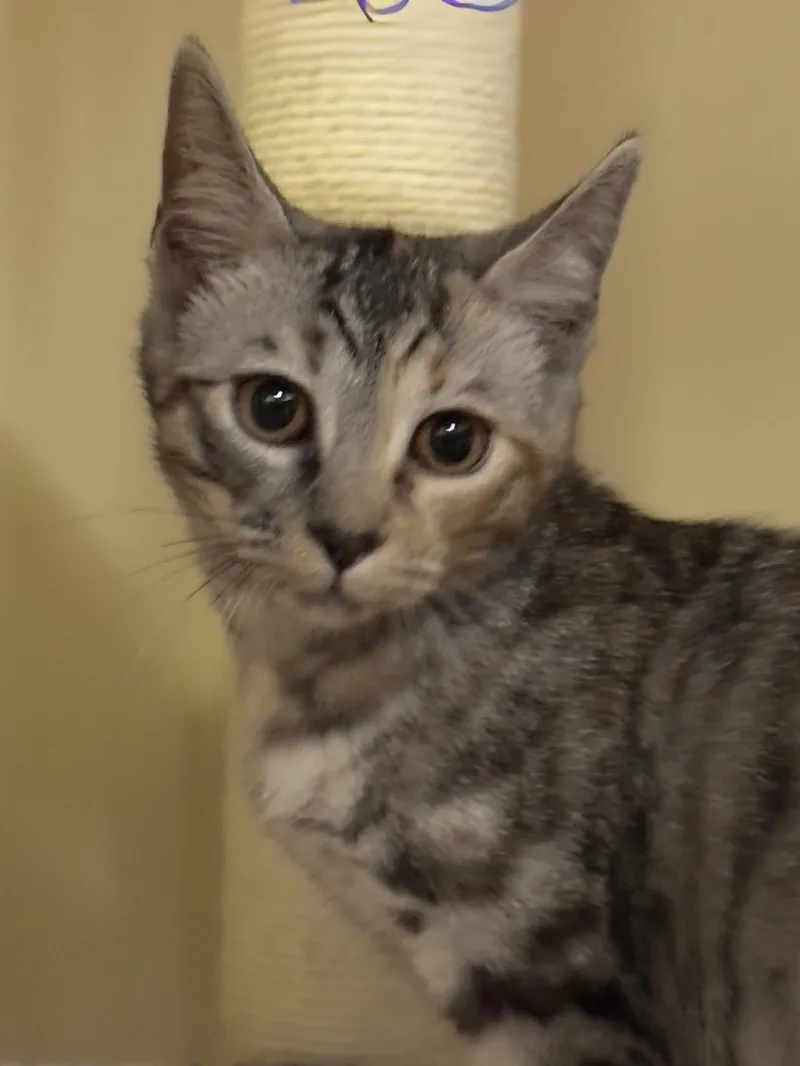
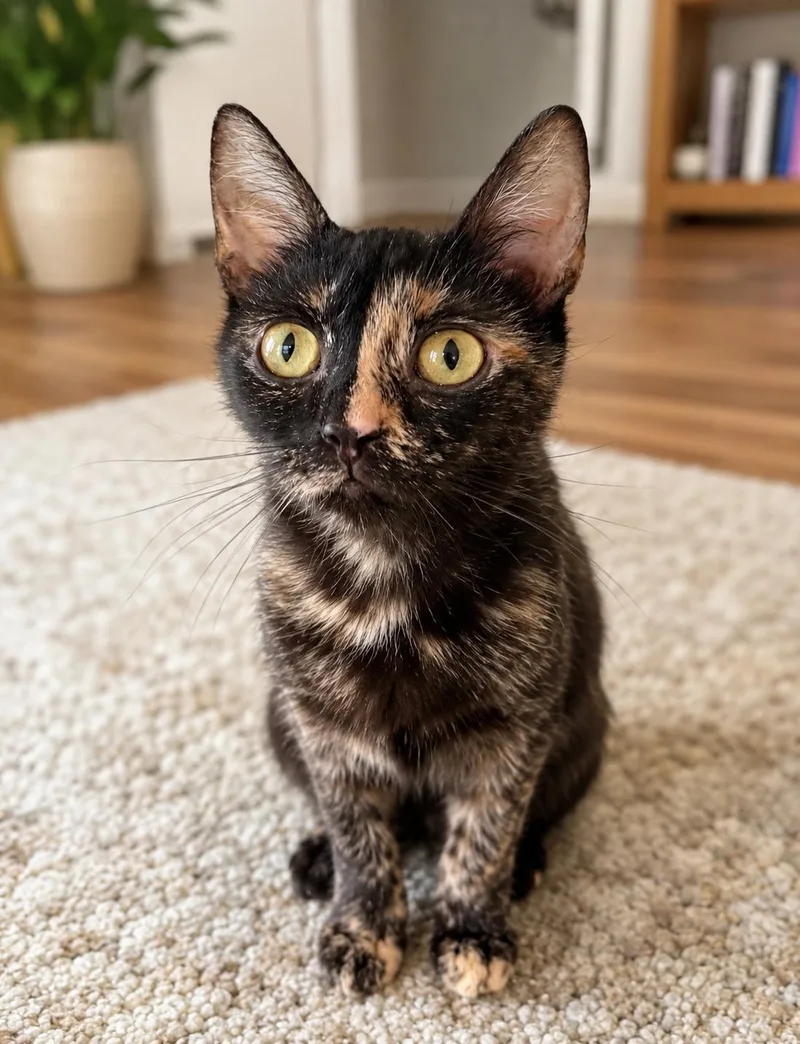
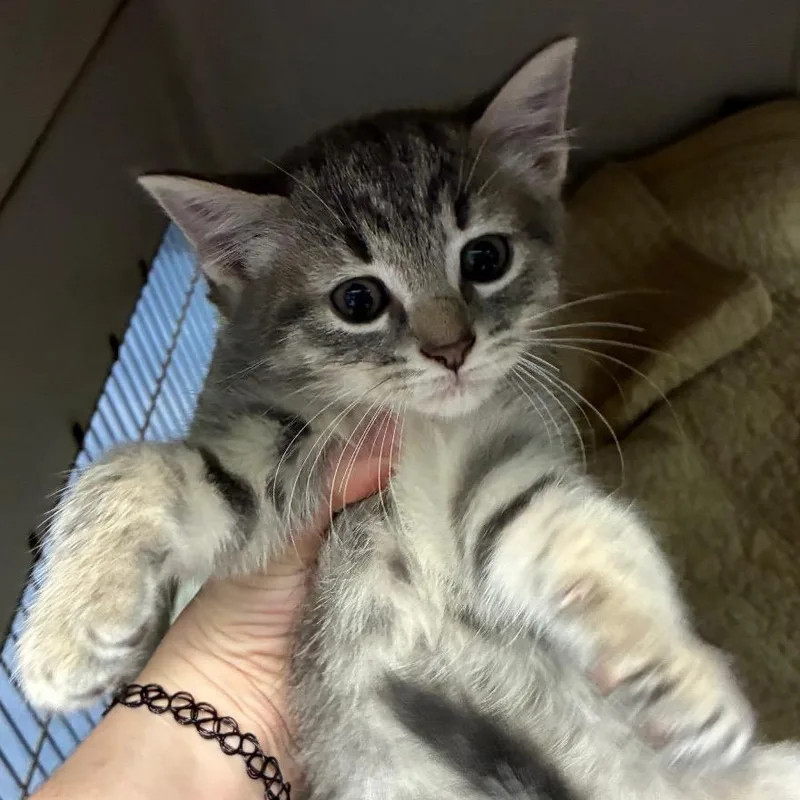
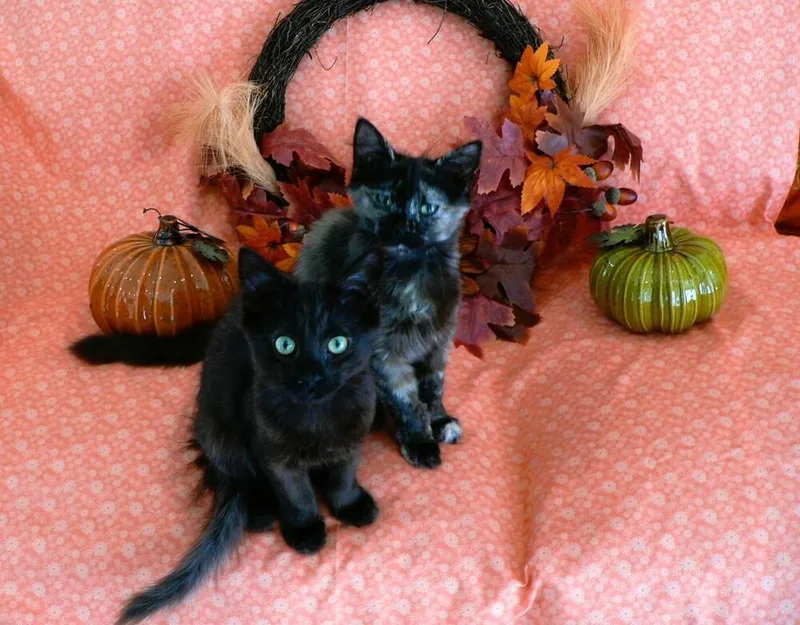
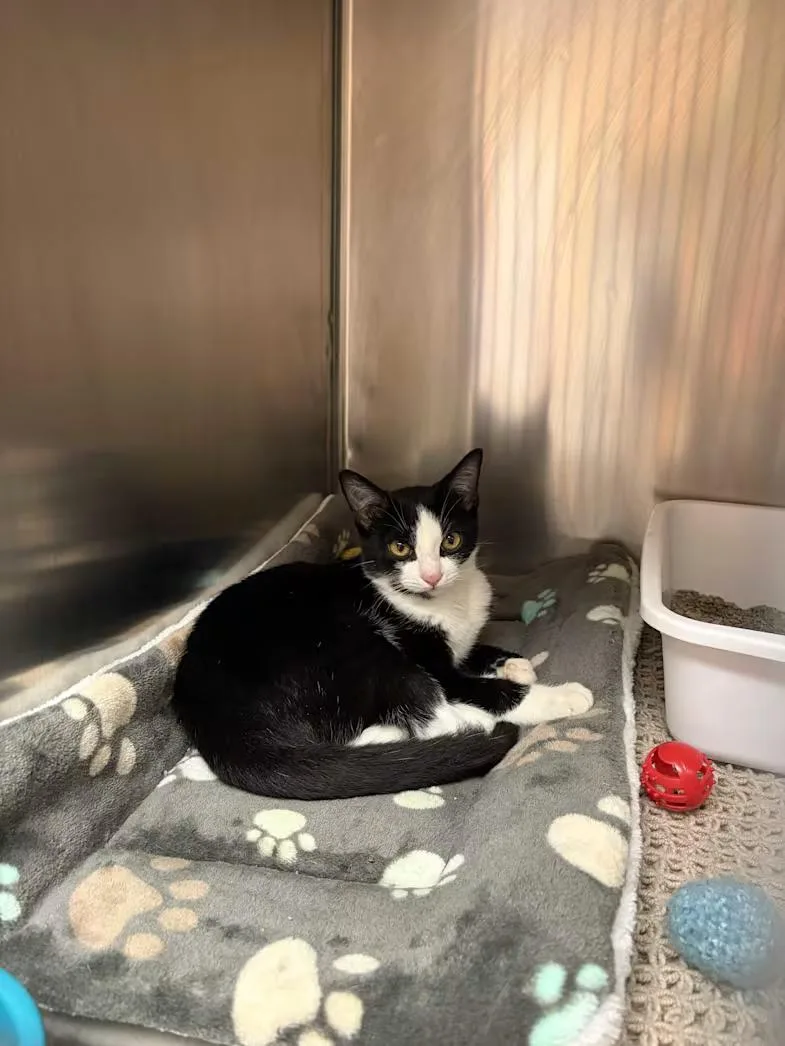
Dilute Tortoiseshell Cats for Adoption in Greensboro, NC

Your guide to finding and caring for a Dilute Tortoiseshell in Greensboro

A dilute tortie suits Greensboro apartments and older bungalows well, since most are happy indoor cats. In neighborhoods like Glenwood and College Hill, where historic houses and student rentals sit side by side, a sunny window perch and a couple of play sessions a day cover most of what she needs. Blue-and-cream coats turn up on all kinds of cats, so personality varies from shy to chatty. Meeting the cat in person tells you more than her color.

263 Dilute Tortoiseshells available in Greensboro and nationwide

Meet your next Dilute Tortie

While we don't have enough cats near Greensboro, keep in mind that many rescues may offer transport.

Dilute Tortoiseshells Available for Adoption Near Greensboro

About the Dilute Tortoiseshell breed

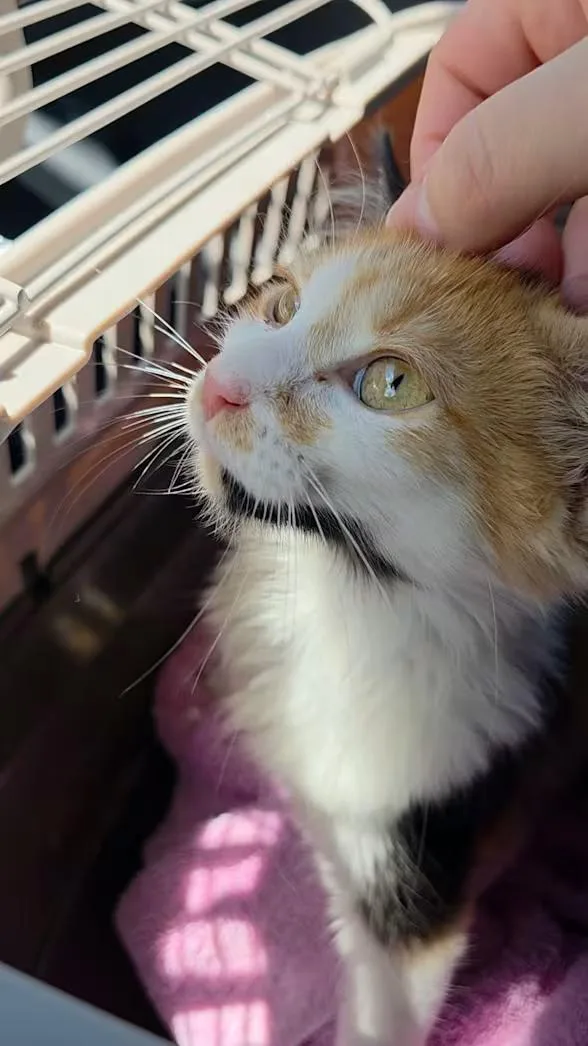
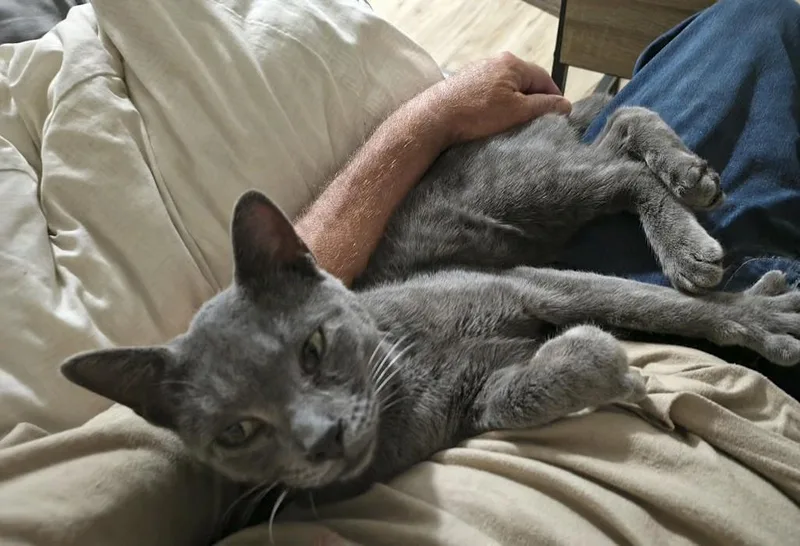
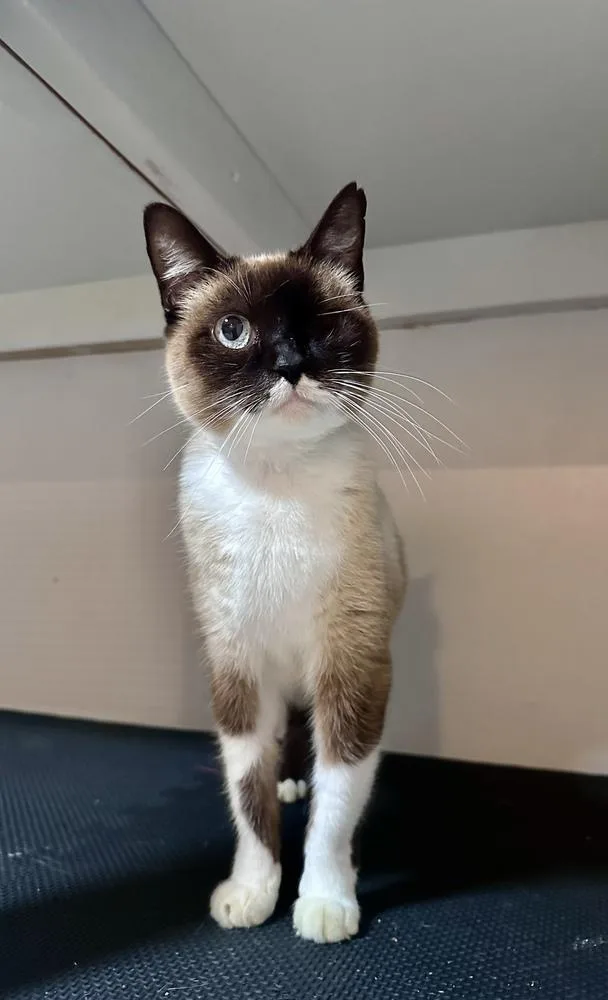
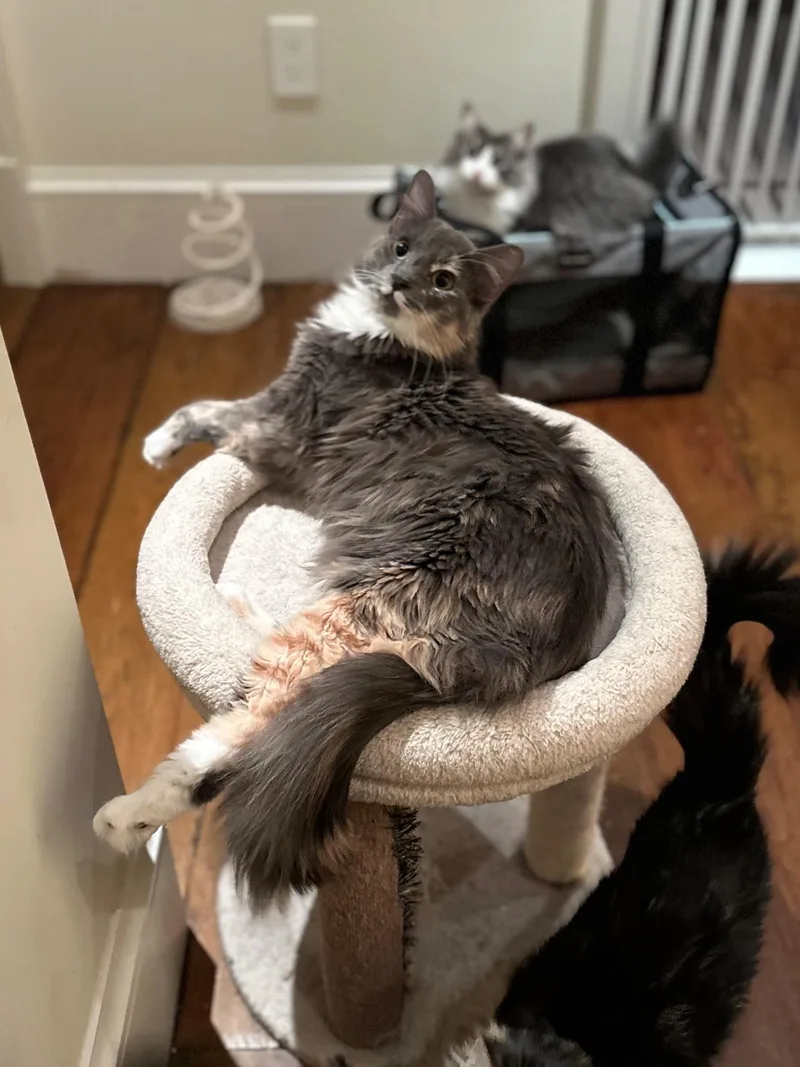
Dilute tortoiseshell is a coat pattern, not a breed. Instead of black and orange, the cat shows blue-gray and cream in patches or a fine blend, a look often called blue-cream. The pastel shades need a dilution gene from both parents, and the patchwork depends on two X chromosomes, which is why nearly all dilute torties are female.

Most are domestic shorthairs or longhairs, though the coloring also appears in Persians, British Shorthairs and Maine Coons. Color doesn't predict personality, so dilute torties can be shy, outgoing, cuddly or aloof. Shorthairs need only a quick weekly brush, while long-haired cats need regular combing, which matters in Greensboro's humid summers when loose fur and tangles build up faster.

Weight
6–14 lbs
Height
8–10 in
Lifespan
12–18 yrs
Temperament
Affectionate, Independent, Curious
Shedding
Moderate

Owning a Dilute Tortoiseshell in Greensboro

Having a Dilute Tortoiseshell in Greensboro

Dilute tortoiseshell describes a coat, so the cat you meet could be a lap cat, an explorer or a quiet watcher. In Greensboro most will live indoors, which makes home setup, age and daily routine matter more than the blue-and-cream pattern.

Temperament

Dilute torties run from timid to outgoing, and the folklore about "tortitude" has little evidence behind it. Watch how the cat handles noise, touch and new rooms during a meeting. Shy cats often settle best in the calmer homes found in Greensboro's older neighborhoods, while social, confident cats enjoy a busier household.

Exercise Needs

Most dilute torties do well with two short play sessions a day using wand toys, balls or puzzle feeders. A window perch overlooking a Greensboro yard or street offers birdwatching, but copperheads and coyotes make unsupervised outdoor time risky. A cat comfortable in a harness can explore a fenced yard or catio instead.

Health Considerations

The coat pattern carries no known health risk in females, so care follows age and breed mix. Plan on yearly exams, dental checks and weight monitoring. North Carolina requires rabies vaccination, and Guilford County has offered $10 one-year rabies shots at its clinics. A veterinarian can check teeth, heart and weight soon after adoption.

Living Space

A dilute tortie fits an apartment, a bungalow or a larger house, as long as there are scratching posts, perches and hiding spots. Greensboro's mix of rentals and older homes works well for indoor cats. A shy cat often prefers a quiet room at first, and a long-haired one needs a brush within easy reach.

What it costs to own a Dilute Tortoiseshell in Greensboro

ExpenseTypical costPer year
Food$25 to $50 per month$300 to $600
Pet insurance$20 to $45 per month$240 to $540
Routine vet care$150 to $350 per year$150 to $350
Other*$450 to $1,150 per year$450 to $1,150
Estimated yearly total (after year one)$1,140 to $2,640

Other costs are estimates and vary with size, age and health.

* Litter, flea and tick prevention, a dental cleaning allowance, toys and supplies, and light home grooming.

Adopt a Dilute Tortoiseshell in Greensboro.

Now that you know more, let’s find you a new best friend. These rescues and shelters below currently have Dilute Tortoiseshells available.

Frequently Asked Questions

Yes, a Dilute Tortoiseshell can live happily in a Greensboro apartment, since most are typical domestic cats that adapt well to indoor life. Give her vertical space with a tall scratching post and a window perch, plus daily play to burn energy. Shy cats often prefer a quiet corner at first, which a smaller home can provide easily.

Yes, you can. Dilute tortoiseshell is a coat color rather than a breed, so breed rules don't come into play. North Carolina law requires rabies vaccination for cats over four months old. Spay or neuter surgery isn't mandated by law, but it's standard and often included in adoption fees, so keep your vaccine records handy.

No, pets are prohibited on all Greensboro Transit Agency fixed-route buses, paratransit vehicles and facilities, and the policy has no carrier exception. Only trained service animals are allowed. If you don't have a car, arrange rides to vet appointments ahead of time and use a sturdy, secure carrier so your cat feels safe in transit.

Yes, Greensboro's climate suits most Dilute Tortoiseshells, which live mainly indoors. Winters are cool rather than harsh, and summers are warm and humid, with about 33 days a year reaching 90°F. Keep the home comfortable, offer fresh water, and prepare a carrier and an interior room for spring storms and the occasional ice storm.

A shorthair dilute tortie needs only a quick weekly brush, while a long-haired one needs brushing several times a week to prevent mats. Humid summers and seasonal shedding mean more loose fur, so brush more often then. Most owners groom at home, which fits the small grooming allowance in the Other cost line.

A tortoiseshell cat is a cat with a coat pattern, not a breed, that mixes black-based and orange-based colors in patches or a mottled blend with little or no white. The dilute version shows blue-gray and cream instead. The pattern appears in domestic shorthairs and many purebreds, and because of its genetics nearly all tortoiseshells are female.

Almost all tortoiseshell cats are female, but not every single one. The orange and black color genes sit on the X chromosome, and a cat needs two X chromosomes to show both colors together. Females have two, so they can be torties. A tortoiseshell male is possible only through rare genetic exceptions, such as carrying an extra X chromosome.

No, tortoiseshell cats are not rare. The pattern is common among domestic cats, and shelters regularly have torties available for adoption. What is rare is a male tortoiseshell, which occurs in only about one in every few thousand. Dilute torties are less common than standard black-and-orange ones because dilution is recessive, but they are far from unusual.

We have 2 rescues with Dilute Tortoiseshells available: SPCA of the Triad, Inc. and Sheets Pet Adoption. You can see every rescue with Dilute Tortoiseshells available in the list above these questions, or scroll to the top to see the Dilute Tortoiseshells near Greensboro.

Plan on roughly $1,140 to $2,640 a year for a dilute tortie in Greensboro. That covers food at $25 to $50 a month, insurance at $20 to $45 a month, routine vet care at $150 to $350 a year, and other costs such as litter and prevention at $450 to $1,150 a year.