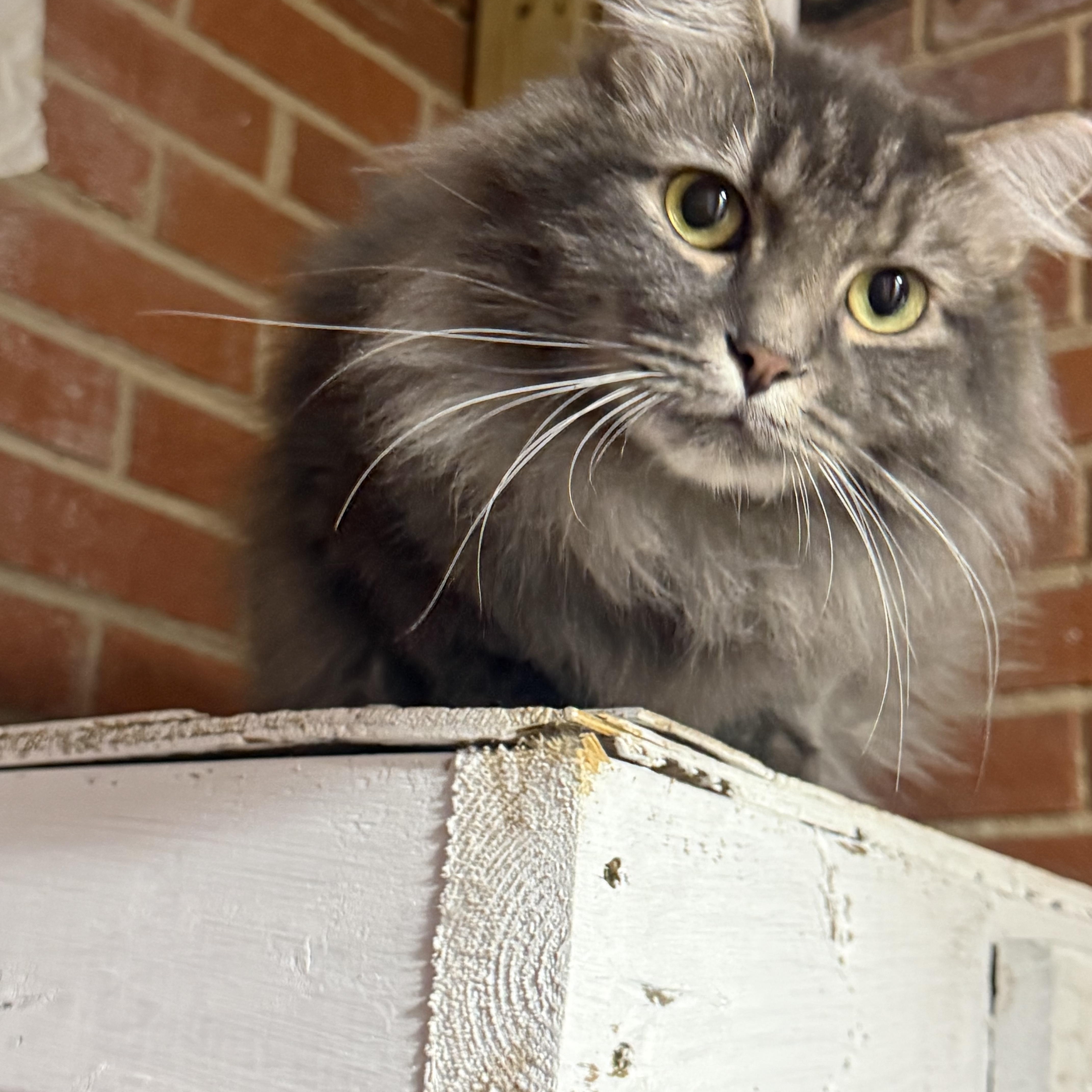
Tortoiseshell Cats for Adoption in Charlotte, NC

Your guide to finding and caring for a Tortoiseshell in Charlotte

Tortoiseshell cats fit Charlotte's apartments and bungalows equally well. A tortie is a coat pattern, not a personality, so one might be happiest in a University City one-bedroom with a sunny window, another in an Elizabeth Craftsman with a porch to watch from. Most are female and many are shorthaired, which keeps grooming simple. Charlotte's humid summers make indoor living the easy choice, so a window perch and a daily game of wand-toy chase matter more than square footage.

969 Tortoiseshells available in Charlotte and nationwide

Your Tortoiseshell is waiting

Tortoiseshells Available for Adoption Near Charlotte

About the Tortoiseshell breed

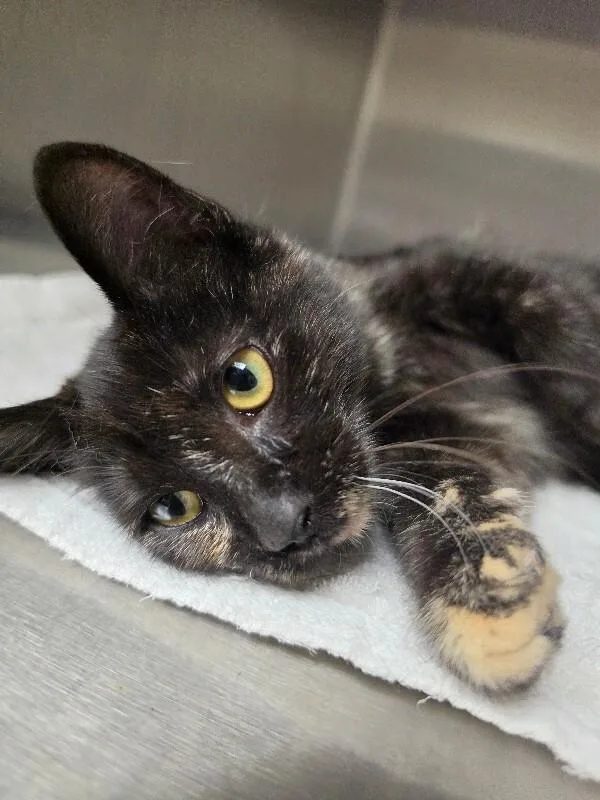
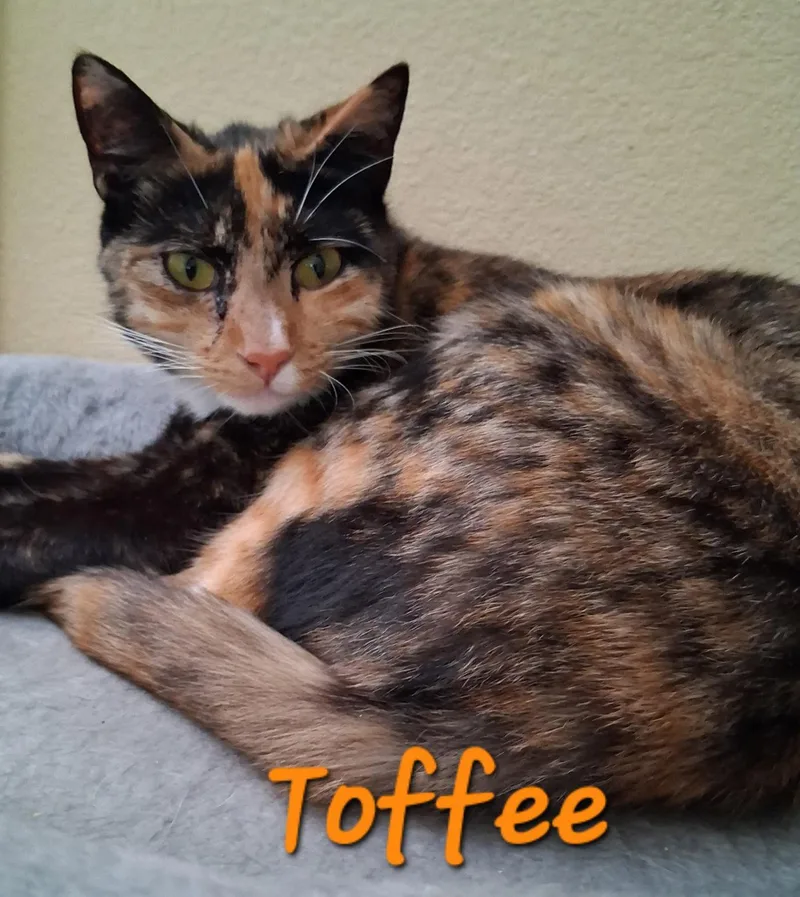
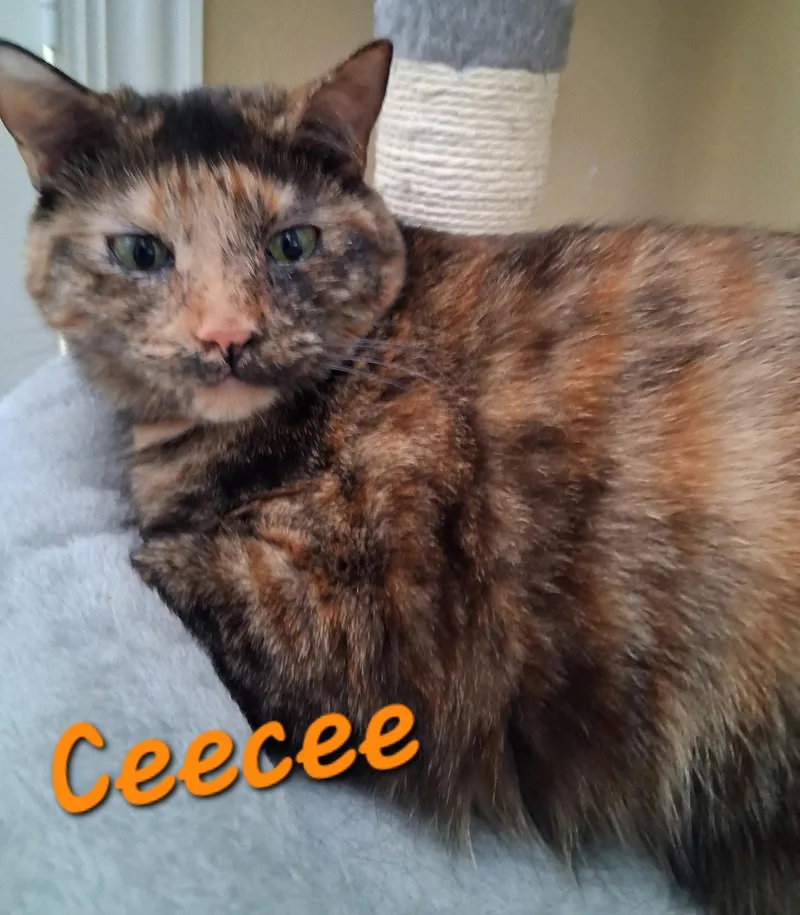
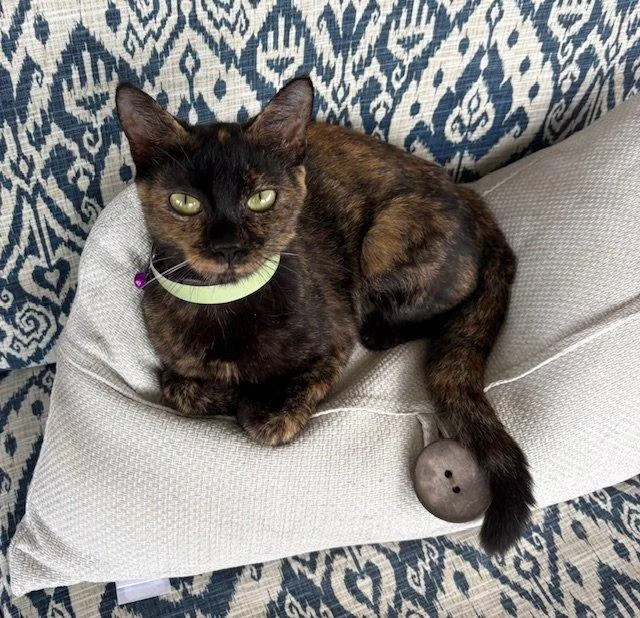
Tortoiseshell describes a coat, not a breed. The pattern mixes black-based and orange-based colors in patches or a fine mottle, usually with little white. Dilute torties show soft gray and cream, and torbies add tabby stripes. Nearly all are female. Most torties in Charlotte homes are domestic shorthairs, though the pattern also appears in longhaired cats and in many breeds.

The famous "tortitude" is folklore more than fact. A cat's age, history and socialization say far more about her personality than her coat. Spend time with a cat before deciding, and watch how she reacts to handling and sudden noise, which matters in Charlotte's thunderstorm season. Shedding is moderate, so a weekly brushing keeps fur under control.

Weight
6–14 lbs
Height
8–10 in
Lifespan
12–18 yrs
Temperament
Independent, Affectionate, Playful
Shedding
Moderate

Owning a Tortoiseshell in Charlotte

Having a Tortoiseshell in Charlotte

A tortie's traits come from her ancestry, age and upbringing rather than her coat, so these cards describe what's typical for tortoiseshell cats in Charlotte homes. Climate, rental rules and local wildlife shape how those traits play out here.

Temperament

Torties have a reputation for "tortitude," but that comes mostly from owner impressions, and the evidence is thin. Expect anything from shy to bold, cuddly to independent. In Charlotte's busy apartment complexes, a cat who tolerates hallway noise and neighbors' footsteps settles faster, so watch how a tortie handles new sounds and handling.

Exercise Needs

Most torties need daily interactive play, such as wand toys, chase games and puzzle feeders, with kittens and young adults wanting more than seniors. In Charlotte, summer heat and the occasional coyote make indoor play the safer routine, so add a cat tree, a window perch and a few short sessions each day.

Health Considerations

The tortoiseshell pattern itself doesn't bring specific health risks. Rare males usually have an extra X chromosome and may need more veterinary attention. For most torties, regular checkups, dental care, a healthy weight, parasite prevention and the rabies vaccination North Carolina requires matter most. Keeping her indoors also avoids Charlotte's coyotes and copperheads.

Living Space

Tortoiseshell cats do well in apartments and houses alike. In Charlotte's many apartment communities, a cat tree, scratching posts and a window perch in a one-bedroom often work as well as a yard. Quiet cats may prefer calmer buildings, while confident, social torties usually handle busy complexes with ease.

What it costs to own a Tortoiseshell in Charlotte

ExpenseTypical costPer year
Adoption fee$100, one time$100 in year one
Food$25 to $50 per month$300 to $600
Pet insurance$20 to $45 per month$240 to $540
Routine vet care$150 to $350 per year$150 to $350
Other*$460 to $1,160 per year$460 to $1,160
Estimated yearly total (after year one)$1,150 to $2,650
First-year total (with adoption fee)$1,250 to $2,750

Adoption fee is the fee on Tortoiseshell listings in Charlotte on GetBuddy today. Other costs are estimates and vary with size, age and health.

* The $10 Charlotte license for a spayed or neutered cat, litter, flea and tick prevention, a dental cleaning allowance, toys and supplies, and home grooming.

Adopt a Tortoiseshell in Charlotte.

Now that you know more, let’s find you a new best friend. These rescues and shelters below currently have Tortoiseshells available.

Frequently Asked Questions

Yes, a Tortoiseshell can live happily in a Charlotte apartment, since cats need enrichment more than square footage. Provide a cat tree, a window perch, scratching posts and daily play. Two pets is a common lease limit, though fees and rules vary by building, so read the lease before signing. Keep balcony doors screened or closed.

Yes, Charlotte has no breed bans or coat-based rules, so you can own a Tortoiseshell. You'll need a city license for any cat four months or older, with proof of rabies vaccination, and the cat should wear its rabies tag. Spayed or neutered cats cost less to license. Microchipping isn't required, but it's a smart safeguard.

No, pet cats can't ride CATS buses or the LYNX light rail. The CATS code of conduct allows only service animals and animals in training, with a $50 civil penalty, and it lists no carrier exception. Plan to bring a Tortoiseshell home by car in a secure carrier, and use the carrier for every trip afterward.

Yes, Charlotte's mild winters and comfortable spring and fall suit Tortoiseshells well, especially as indoor cats. Summer is the season to watch, with July the hottest month, so keep the air conditioning on, water fresh and the cat inside. Storm season also calls for a carrier and a few days of supplies in case of outages.

Often yes, if you can offer an enriched indoor home. Charlotte's mix of apartments, bungalows and suburban houses works for most cats, and each cat's personality matters more than her coat. Tortoiseshells can be spirited, so look for a cat whose energy matches your schedule. Thunderstorms and fireworks are the local stressors, so a quiet interior room helps.

Most Tortoiseshells do best indoors, but a harness-trained cat can try a quiet stretch of the Little Sugar Creek Greenway, where listings say leashed pets are permitted. County dog parks are built for dogs, so skip them. Go early on cool mornings, keep the cat harnessed, and avoid areas where coyotes have been seen.

Most Tortoiseshells need little grooming. A brush once or twice a week handles a shorthair's moderate shedding, and a longhaired coat needs more frequent sessions to prevent mats. Grooming happens at home, so it adds little to the Other line in the cost table. Nail trims and an occasional wipe-down keep a tortie tidy.

A tortoiseshell cat is a cat with a coat pattern of black-based and orange-based colors blended or patched together, usually with little or no white. It is not a breed; the pattern appears in many breeds and most often in domestic shorthairs. Nearly all tortoiseshells are female because the genes for orange and black are carried on the X chromosome.

We have 1 rescue with Tortoiseshells available: Sunkissed Acres Rescue. You can see every rescue with Tortoiseshells available in the list above these questions, or scroll to the top to see the Tortoiseshells near Charlotte.

Expect roughly $1,150 to $2,650 a year for a tortie in Charlotte. Food runs $25 to $50 a month, insurance $20 to $45 a month and routine vet care $150 to $350 a year. Other costs, such as litter, parasite prevention, dental care and the city license, add $460 to $1,160 a year.