Havana Cats for Adoption in Charlotte, NC

Your guide to finding and caring for a Havana in Charlotte

A Havana fits an apartment in Fourth Ward or a bungalow in Elizabeth equally well, since it wants company more than square footage. These cats are curious and softly talkative, and they like to supervise from a window perch while someone cooks or works nearby. They do best when people are home a good part of the day. The breed is rare, so expect more brown shorthairs and Havana mixes than registered Havanas.

2798 cats similar to Havana available in Charlotte and nationwide

Give a Havana Brown a home

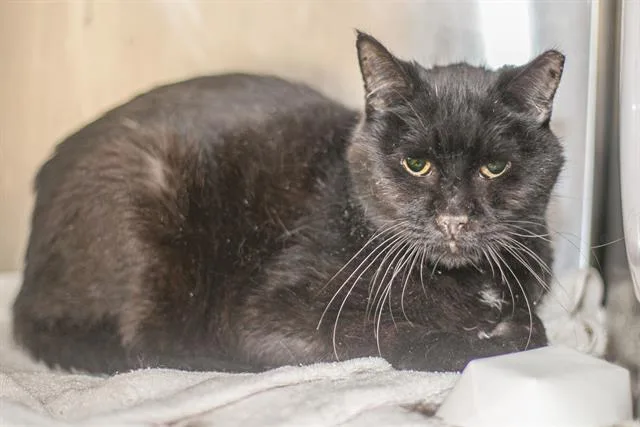
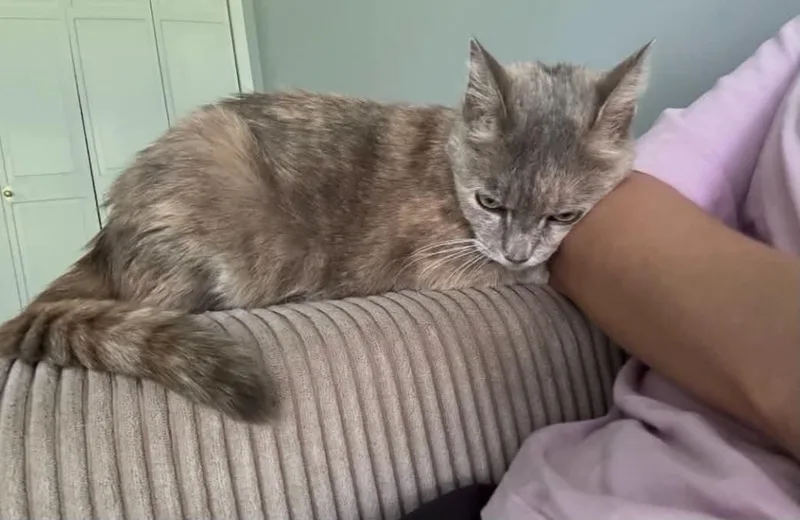
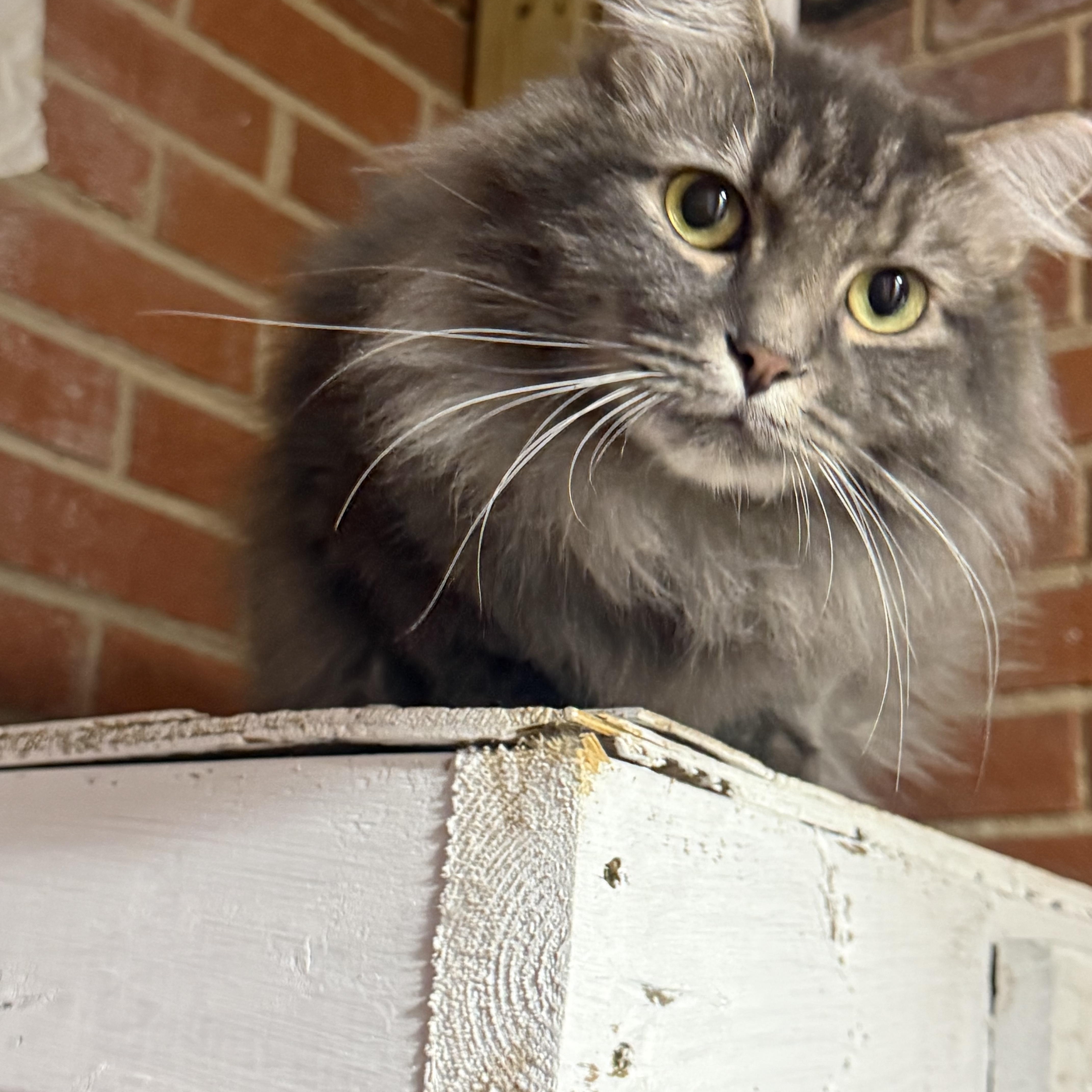
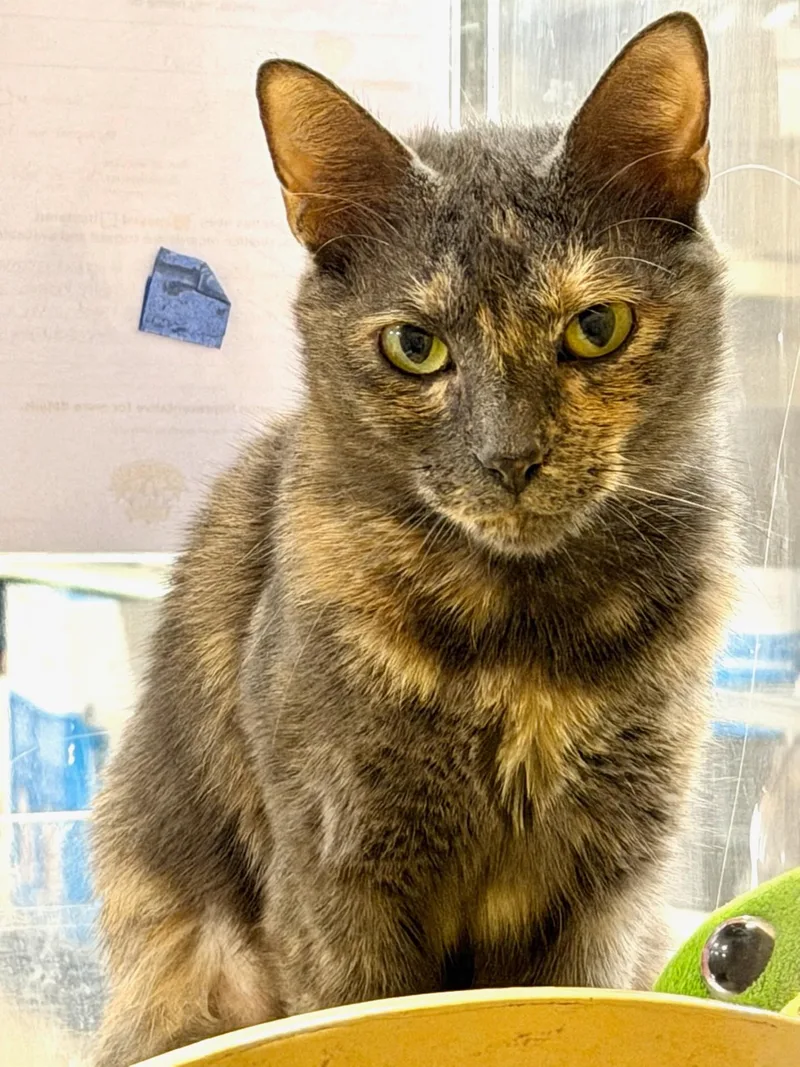
Havanas and Similar Breeds Available for Adoption Near Charlotte

About the Havana breed

The Havana, called the Havana Brown by some registries, was developed in Britain in the 1950s by pairing chocolate-carrying Siamese cats with black domestic shorthairs. The result is a medium, muscular cat of about 6 to 10 pounds with a glossy chocolate coat, brown whiskers, green eyes and large, forward-tilted ears.

Havanas are people-focused and inquisitive, often patting at objects and people to investigate them. Many chat in a voice softer than a Siamese's, and the short coat sheds little. In Charlotte, that makes for a cat that adapts to a condo, a rental or a house, as long as it gets daily play and attention. Because the breed is so scarce, many Havana-like cats are mixes, and each cat's own personality matters more than its coat color.

Weight
6–10 lbs
Height
9–11 in
Lifespan
10–15 yrs
Temperament
Social, Curious, Affectionate, Playful
Shedding
Low

Owning a Havana in Charlotte

Having a Havana in Charlotte

Havanas pair a low-maintenance coat with a strong urge to join in. For a Charlotte household, the real question is how much time someone is home, since sociability and curiosity matter far more than the chocolate color.

Temperament

Havanas are usually affectionate, curious and interactive, following people from room to room and greeting guests with interest. Many get along with considerate children and calm dogs. Because they're so people-oriented, some get lonely during long workdays, so a second friendly cat can help. Every cat differs, so judge each one by how it behaves.

Exercise Needs

Most Havanas are moderately active and enjoy two or three short play sessions a day with wand toys, balls and puzzle feeders. A window overlooking a tree or bird feeder gives their curious minds something to watch. Indoor life is also safest in Charlotte, where coyotes live and can prey on pets.

Health Considerations

Havanas have no well-documented breed-specific genetic disease, though gum inflammation may be somewhat more common. The breed's small gene pool means records are limited, so yearly checkups and regular dental care matter. Charlotte requires rabies vaccination at four months, and a veterinarian can advise on screening for any adopted cat.

Living Space

A Havana can thrive in a Charlotte apartment, townhome or house, because companionship and enrichment matter more than space. Window perches, a cat tree and a few hiding spots go a long way. Many do best with someone home part of the day, or with another friendly pet for company.

What it costs to own a Havana in Charlotte

ExpenseTypical costPer year
Food$25 to $50 per month$300 to $600
Pet insurance$25 to $50 per month$300 to $600
Routine vet care$150 to $350 per year$150 to $350
Other*$460 to $1,160 per year$460 to $1,160
Estimated yearly total (after year one)$1,210 to $2,710

Other costs are estimates and vary with size, age and health.

* The $10 Charlotte cat license for a spayed or neutered cat, litter, flea prevention, a dental cleaning allowance, toys, scratchers and other supplies, and minimal home grooming for the short coat.

Adopt a Havana in Charlotte.

Now that you know more, let’s find you a new best friend. These rescues and shelters below have cats available in and near Charlotte.

Frequently Asked Questions

Yes, a Havana suits Charlotte if someone is home for part of the day and you want an affectionate, curious indoor cat. Flexible housing and air-conditioned homes work well for the breed. The main drawback is loneliness during long workdays, so plan for daily play, window perches and possibly a second friendly cat.

Yes, Charlotte has no breed ban or breed-specific rule for cats, so a Havana is treated like any other cat. Rules can differ in nearby towns, which have their own governments. Because the breed is rare, watch the listings on this page, along with similar breeds and nearby cities, and save a search for new arrivals.

Yes, a Havana does well in a Charlotte apartment because companionship matters more than square footage. Add a tall cat tree, a window perch and daily wand-toy play. Its soft chatter is usually quiet enough for shared walls. Read the lease for pet fees, monthly pet rent and a possible two-pet limit before you sign.

Yes, indoors a Havana's short coat copes well with Charlotte summers, which are hot and humid but rarely extreme. The bigger risk is a power outage during a storm, so know how you'd keep the cat cool, with water, shade and a fan, if the air conditioning goes out. Keep the cat inside.

No, pet cats can't ride CATS buses or LYNX light rail. Charlotte's transit code of conduct allows only animals that assist a person with a disability or are in training, and violations can bring a $50 civil penalty. For vet visits, plan on a car or a ride arranged ahead, with the cat in a secure carrier.

Very little. A Havana's short, glossy coat needs a weekly brush at most, and a soft cloth wipe keeps it shiny. Baths are rarely necessary. Spend the effort on teeth instead, since gum inflammation may be more common in the breed. Home grooming costs little and fits within the Other budget.

A Havana cat, also called the Havana Brown, is a rare shorthaired breed developed in Britain in the 1950s from Siamese and black domestic cats. It is recognized by its rich chocolate-brown coat, brown whiskers, green eyes and distinctive muzzle. Havanas tend to be social, curious and people-focused, and few are available, so brown shorthaired mixes are more common in shelters.

A Havana typically costs about $1,210 to $2,710 a year, or roughly $100 to $225 a month. That covers food ($25–$50 a month), insurance ($25–$50 a month), routine vet care ($150–$350 a year) and other costs ($460–$1,160 a year) such as litter, dental care and parasite prevention. Adoption fees vary by listing.