Dilute Tortoiseshell Cats for Adoption in Charlotte, NC

Your guide to finding and caring for a Dilute Tortoiseshell in Charlotte

Dilute Tortoiseshell cats do well in Charlotte, where plenty of homes suit an indoor cat. Whether it's a NoDa mill cottage, a University City apartment or a Steele Creek subdivision, a blue-cream tortie mostly wants a sunny window, a scratching post and a couple of play sessions a day. The coat is a color pattern, not a breed, so personalities run from shy to bold. Expect some fur on the couch.

278 Dilute Tortoiseshells available in Charlotte and nationwide

Meet your next Dilute Tortie

While we don't have enough cats near Charlotte, keep in mind that many rescues may offer transport.

Dilute Tortoiseshells Available for Adoption Near Charlotte

About the Dilute Tortoiseshell breed

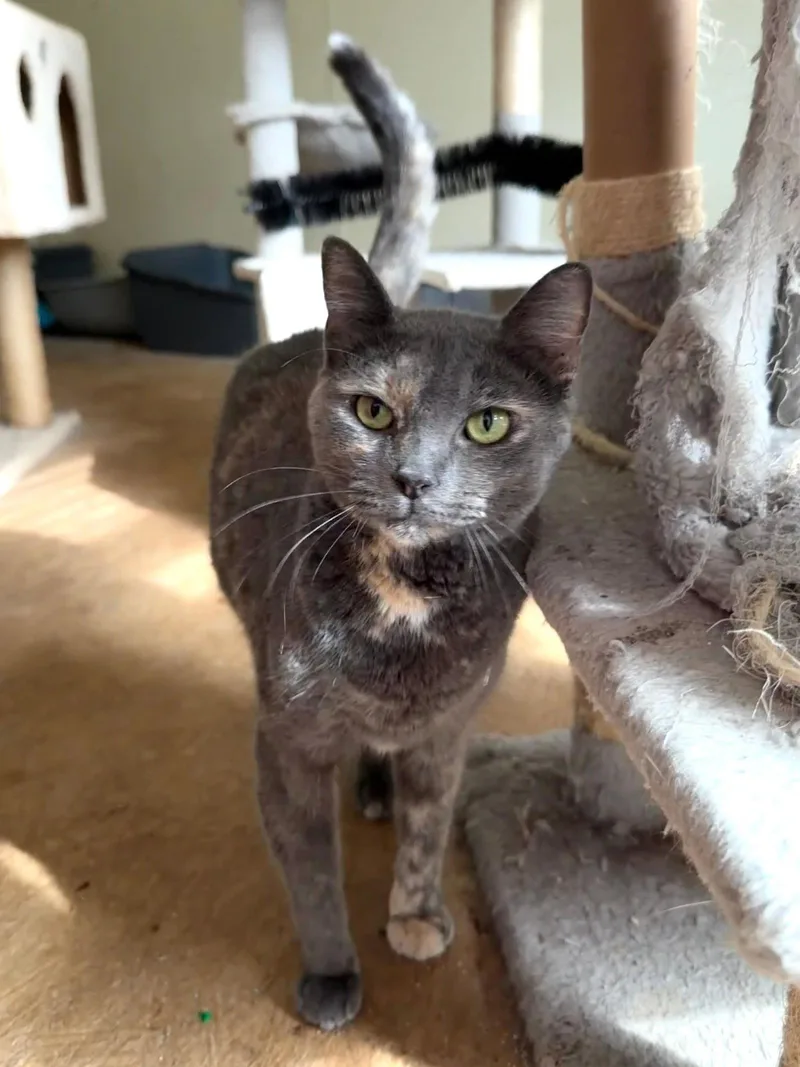
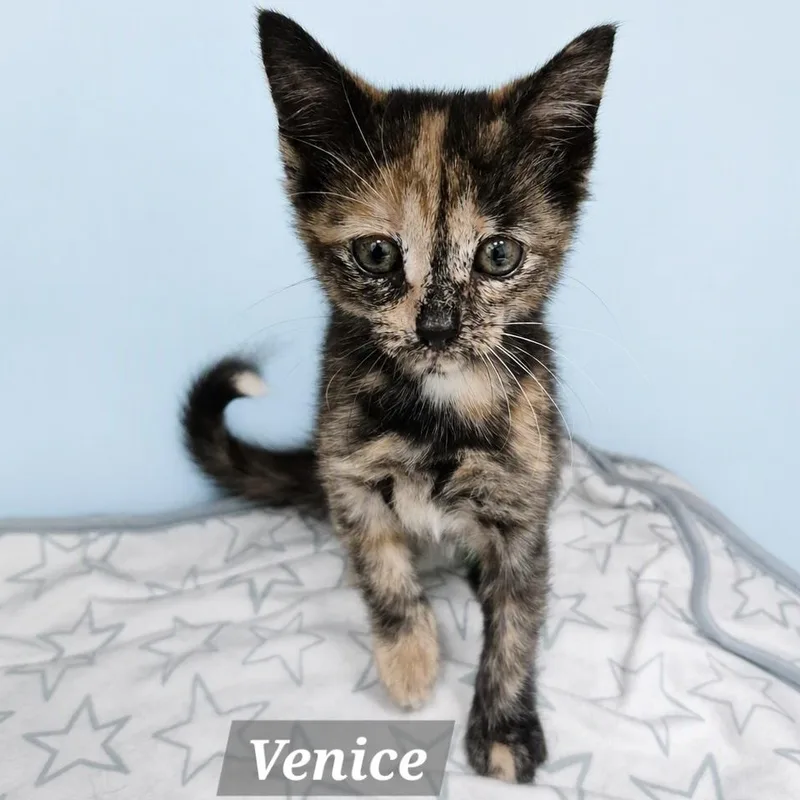
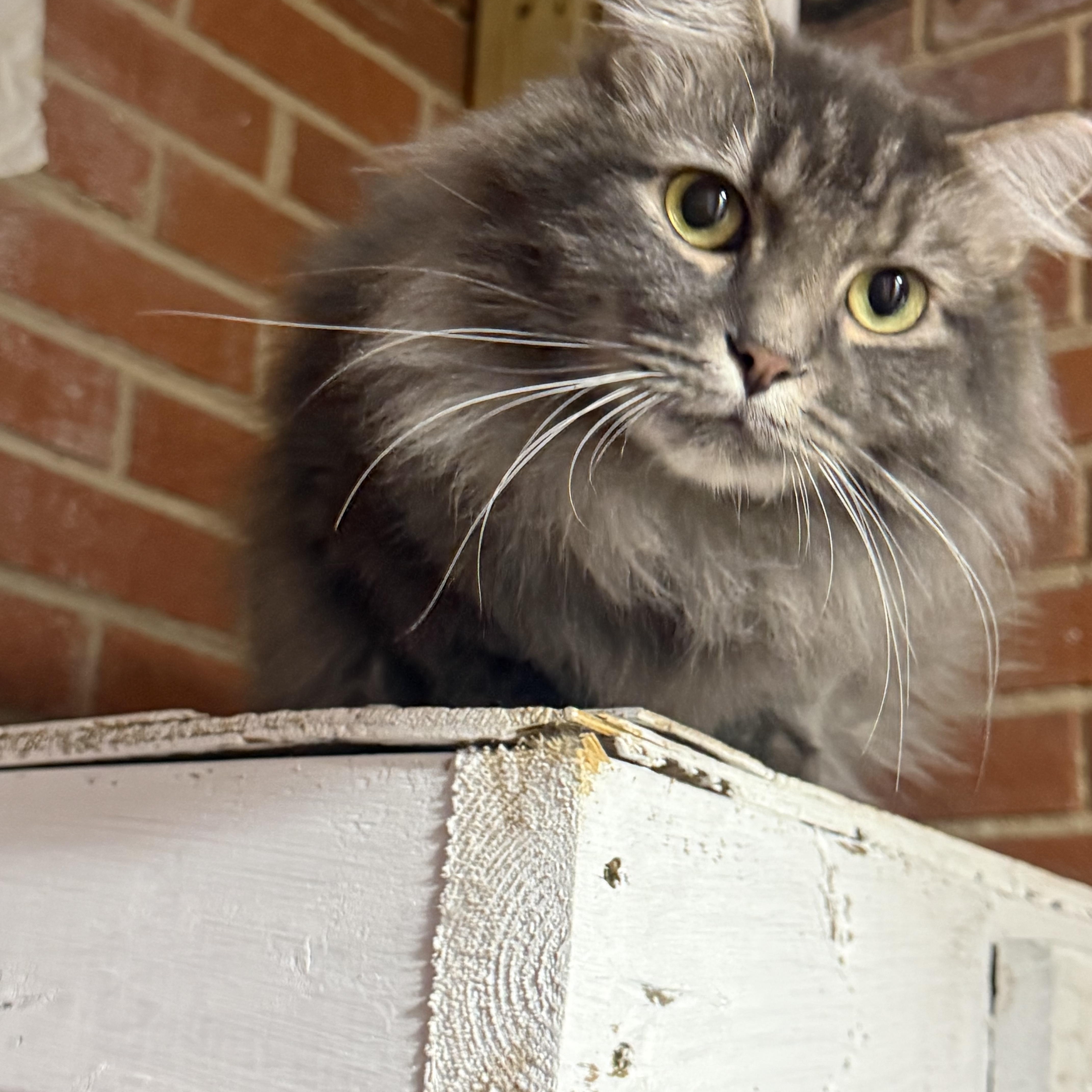
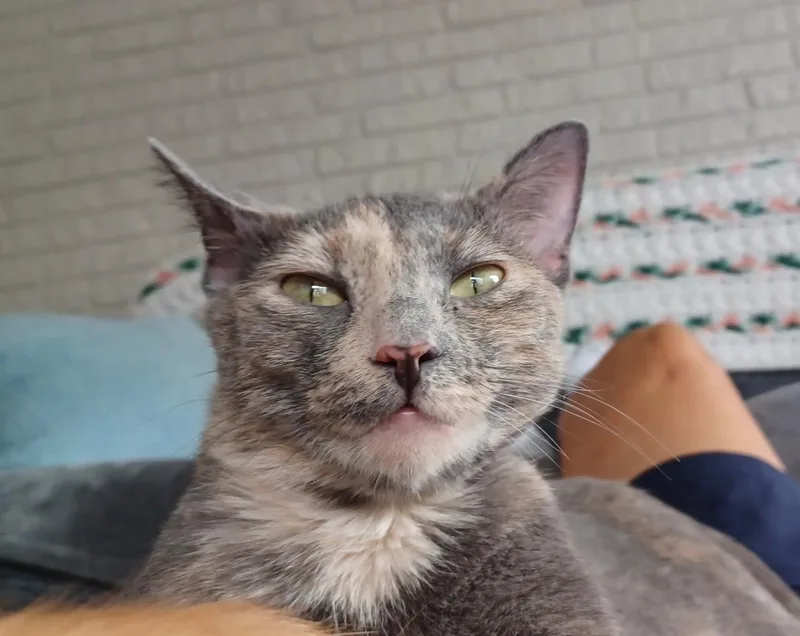
A dilute tortoiseshell isn't a breed but a coat: blue-gray and cream patches or a fine marbled blend, a softer take on the classic black-and-orange tortie. The pastel shades come from a recessive dilution gene a cat inherits from both parents, and the patchwork depends on the X chromosome, which is why nearly all dilute torties are female.

Most dilute torties looking for homes are domestic shorthairs or longhairs, though the coloring also shows up in Persians, British Shorthairs and Maine Coons. Folklore about "tortitude" has little evidence behind it, so a cat's age, history and behavior say far more than color. Shedding is moderate, longer coats need regular brushing, and lifespans of 12 to 18 years make adoption a long commitment.

Weight
6–14 lbs
Height
8–10 in
Lifespan
12–18 yrs
Temperament
Affectionate, Independent, Curious
Shedding
Moderate

Owning a Dilute Tortoiseshell in Charlotte

Having a Dilute Tortoiseshell in Charlotte

Dilute tortoiseshell describes coloring, not ancestry, so a cat's traits depend mostly on breed mix, age and upbringing. The cards below cover what's typical for these cats and what it means for living in Charlotte.

Temperament

Dilute torties range from timid to confident and from lap cats to independent explorers, and the "tortitude" reputation isn't backed by solid evidence. In Charlotte's apartments and busy households, a cat's comfort with noise and visitors matters more than color. Affectionate, independent and curious describes a general tendency, not a promise.

Exercise Needs

Most indoor dilute torties do well with a couple of daily play sessions using wand toys or balls, plus puzzle feeders and climbing spots. Kittens and young adults need the most, while older cats prefer gentler games. A window perch overlooking a Charlotte yard or street gives curious cats free entertainment.

Health Considerations

The coat pattern itself carries no known health risk in females, while the rare males are usually XXY, sterile and may face extra concerns. Routine checkups, dental care and a healthy weight matter most. In Charlotte, keeping cats indoors avoids cars and coyotes, and rabies and flea prevention should stay current.

Living Space

Dilute torties adapt to apartments and houses alike when there are scratching posts, perches and hiding spots. Charlotte has plenty of both, and a cat with a window perch is usually content in either. Quieter cats settle best in calm homes, while confident ones handle busy households. Long-haired cats need a brushing routine.

What it costs to own a Dilute Tortoiseshell in Charlotte

ExpenseTypical costPer year
Food$25 to $50 per month$300 to $600
Pet insurance$20 to $45 per month$240 to $540
Routine vet care$150 to $350 per year$150 to $350
Other*$460 to $1,160 per year$460 to $1,160
Estimated yearly total (after year one)$1,150 to $2,650

Other costs are estimates and vary with size, age and health.

* The $10 Charlotte pet license for a spayed or neutered cat, litter, flea and tick prevention, a dental cleaning allowance, toys and supplies, and light home grooming.

Adopt a Dilute Tortoiseshell in Charlotte.

Now that you know more, let’s find you a new best friend. These rescues and shelters below have cats available in and near Charlotte.

Frequently Asked Questions

Yes, Charlotte has no breed ban or breed-specific rule for cats, and a dilute tortie is a coat pattern anyway. You'll need an annual city license for any cat four months or older, along with proof of a current rabies vaccination. Landlords set their own pet limits, so read your lease before you commit.

Yes, most Dilute Tortoiseshells do fine in a Charlotte apartment, since their needs depend on the cat's age and temperament more than coat color. Give them a window perch, scratching posts and daily play. Building rules matter more than size: pet fees, monthly pet rent and a two-pet limit are common, so confirm the policy in writing.

Often, yes, if you want an indoor companion. Charlotte's mix of apartments, bungalows and suburban homes works for most cats, and the mild climate keeps seasonal care simple. A cat's age, history and personality predict fit better than coat color, so read each cat's listing and watch how the cat responds to your routine.

Yes, with indoor living. Charlotte summers are hot and humid, peaking in July, but a Dilute Tortoiseshell kept inside with air conditioning or fans is comfortable. Offer fresh water, close blinds on sunny windows, and never leave a cat in a parked car, where shade doesn't help. Heavy panting or unsteadiness means a vet visit.

No. CATS bans animals on its vehicles unless they assist a person with a disability or are in training, and violations can bring a $50 civil penalty. The code lists no carrier exception, so pet cats can't ride the buses or LYNX light rail. Plan on a car for vet visits.

Less than many breeds. Most dilute torties are domestic shorthairs that need brushing once or twice a week, while longhaired cats need it several times a week to prevent mats. Charlotte's heat and humidity don't change the routine, though shedding may pick up in spring. Home grooming is the norm, so the grooming allowance in Other costs is small.

A tortoiseshell cat is a cat with a coat pattern, not a breed, that mixes black-based and orange-based colors in patches or a mottled blend with little or no white. The dilute version shows blue-gray and cream instead. The pattern appears in domestic shorthairs and many purebreds, and because of its genetics nearly all tortoiseshells are female.

Almost all tortoiseshell cats are female, but not every single one. The orange and black color genes sit on the X chromosome, and a cat needs two X chromosomes to show both colors together. Females have two, so they can be torties. A tortoiseshell male is possible only through rare genetic exceptions, such as carrying an extra X chromosome.

No, tortoiseshell cats are not rare. The pattern is common among domestic cats, and shelters regularly have torties available for adoption. What is rare is a male tortoiseshell, which occurs in only about one in every few thousand. Dilute torties are less common than standard black-and-orange ones because dilution is recessive, but they are far from unusual.

Plan on roughly $1,150 to $2,650 a year for a Dilute Tortoiseshell in Charlotte. That covers food at $25 to $50 a month, insurance at $20 to $45 a month, routine vet care at $150 to $350 a year, and other costs of $460 to $1,160 a year. The adoption fee varies by listing and isn't included.