Calico Cats for Adoption in Charlotte, NC

Your guide to finding and caring for a Calico in Charlotte

Calicos in Charlotte are mostly domestic shorthairs, so they fit everything from a University City apartment to a Windsor Park brick ranch. Calico is a coat pattern, not a breed, which means her size and energy depend on her mix and her age. Most do well as indoor cats with a window perch, a scratching post and a few play sessions a day. In July, the air conditioning is as much for her as for you.

1331 Calicos available in Charlotte and nationwide

Bring home a Calico

While we don't have enough cats near Charlotte, keep in mind that many rescues may offer transport.

Calicos Available for Adoption Near Charlotte

About the Calico breed

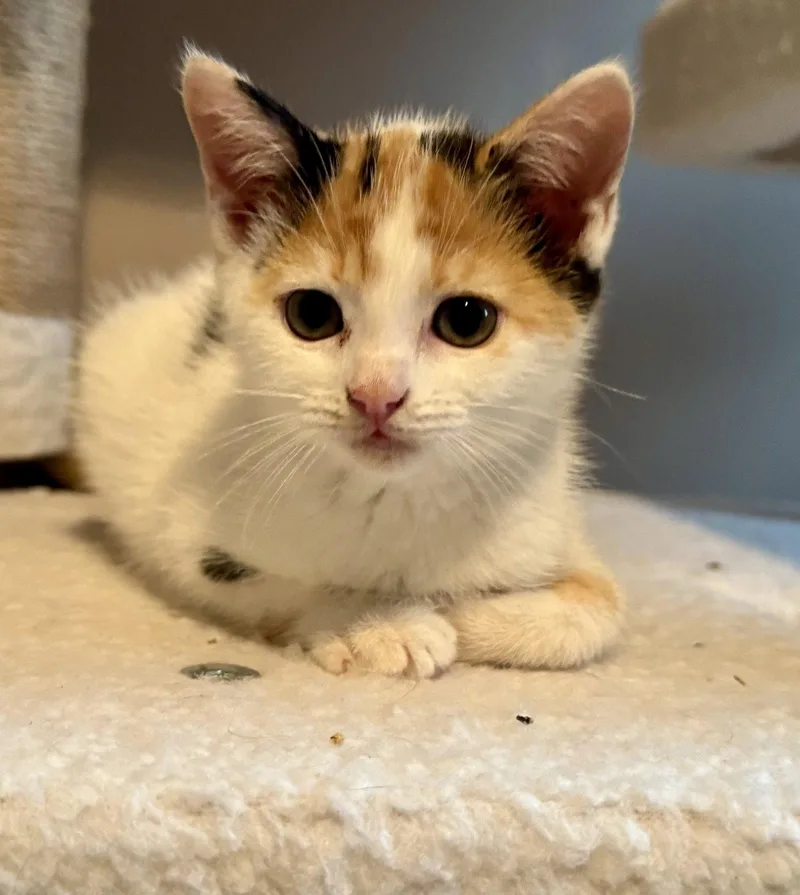
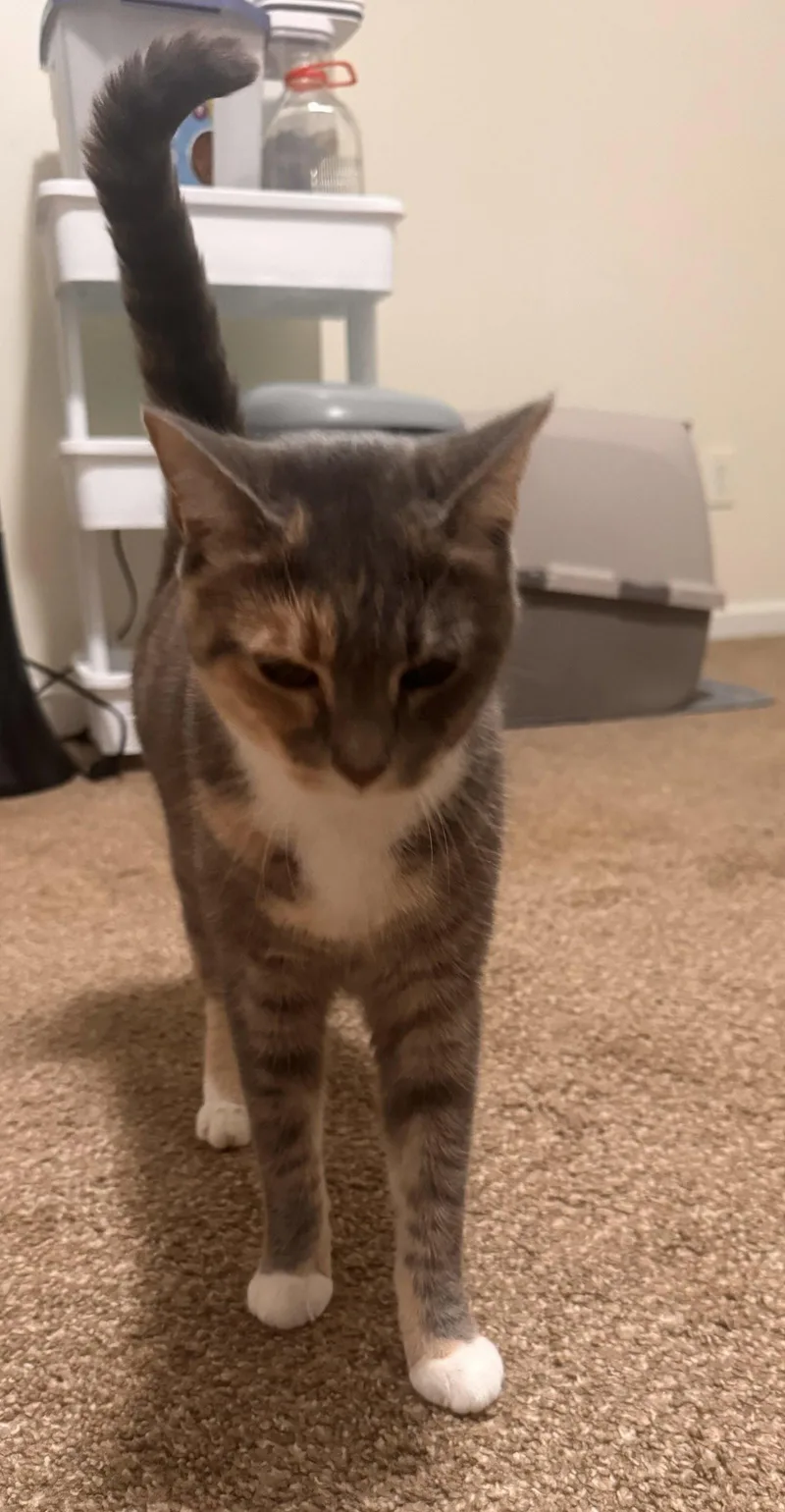
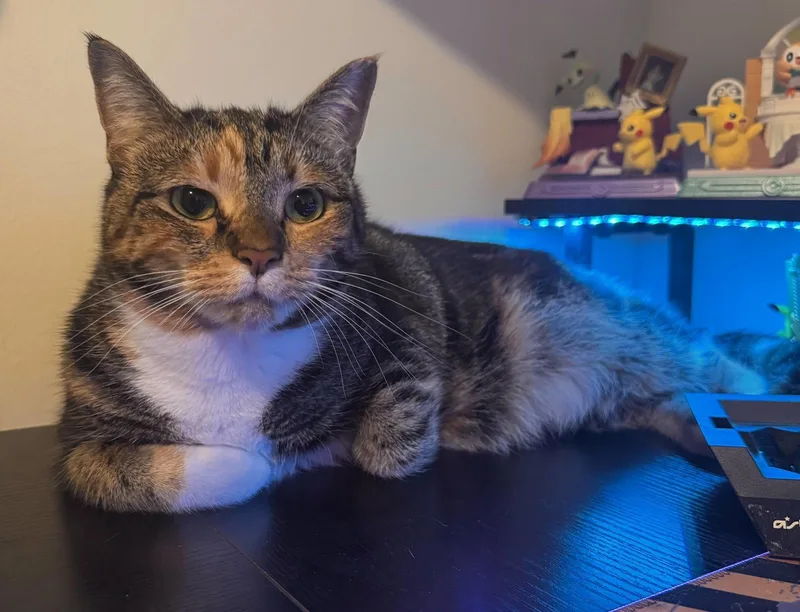
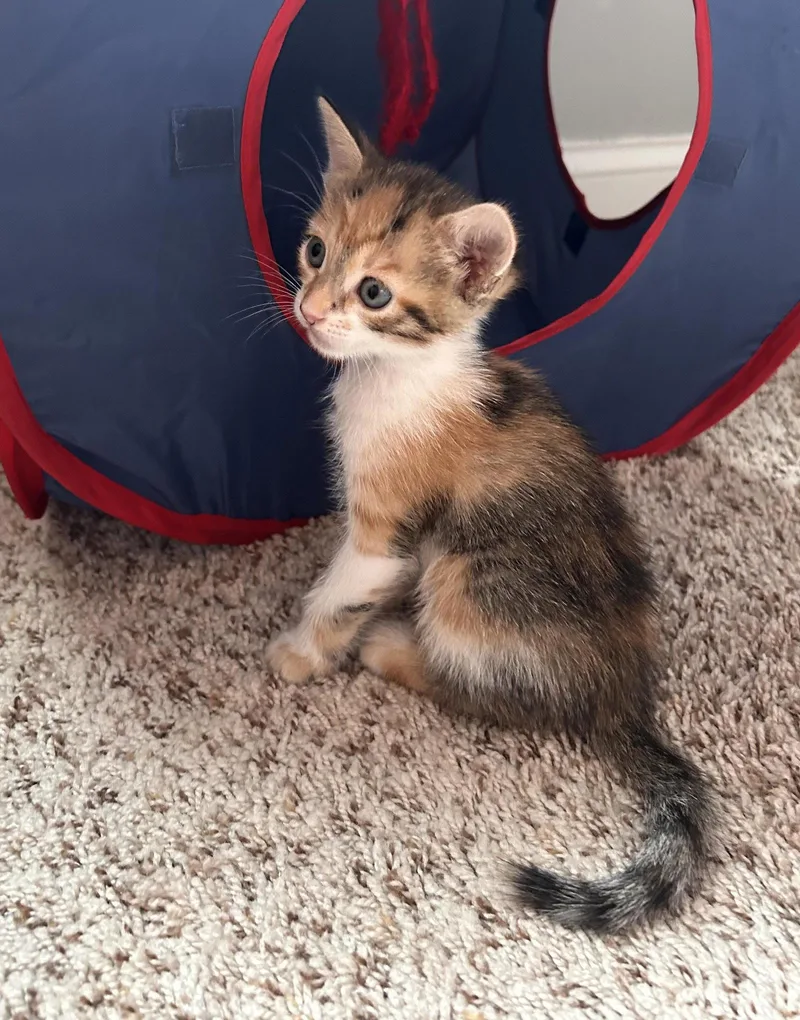
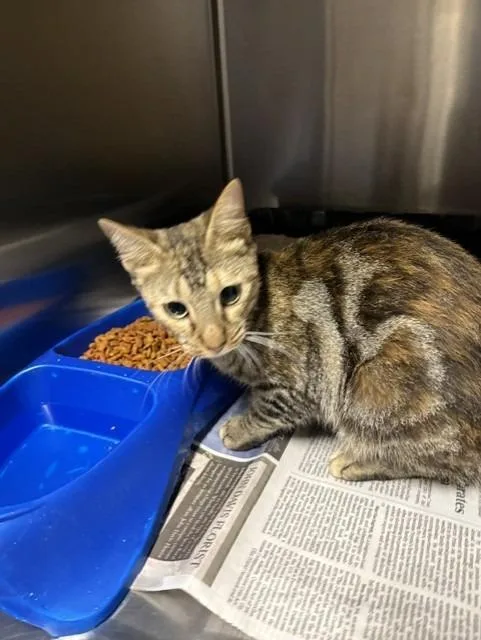
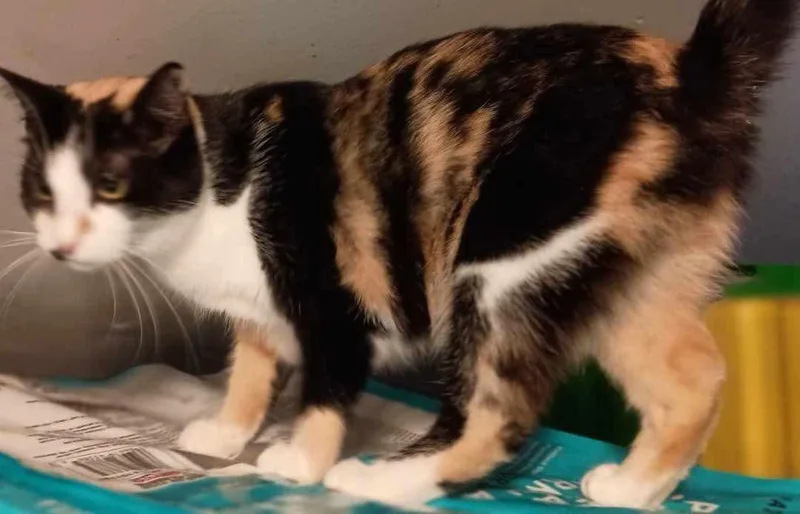
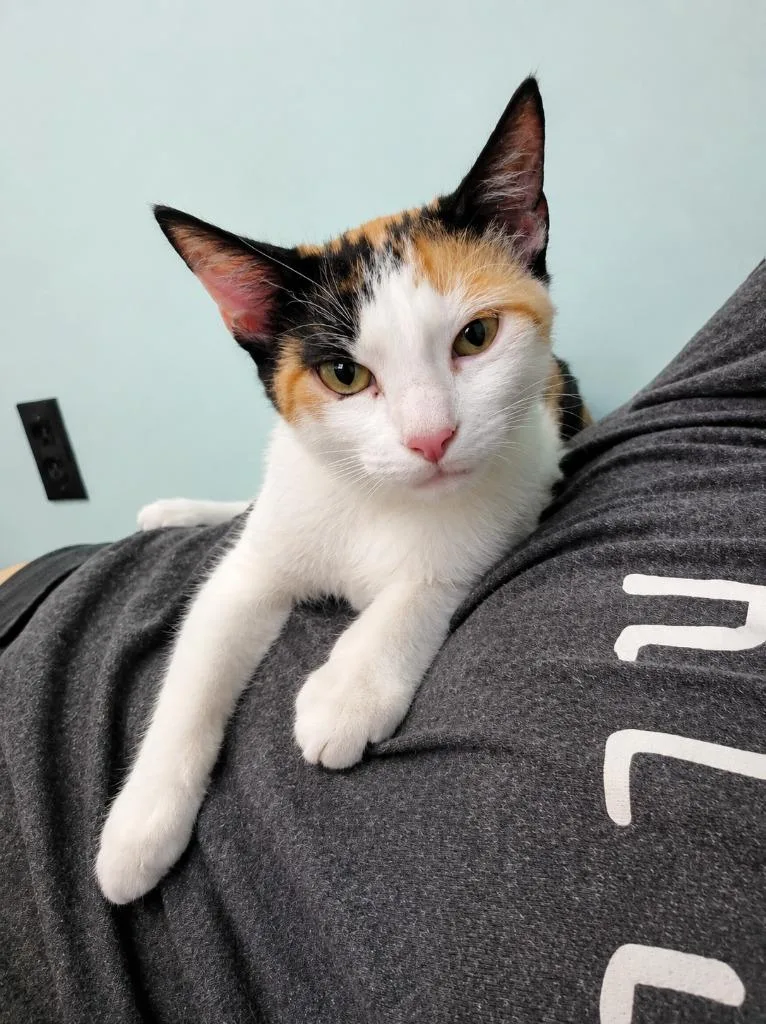
Calico describes a coat of white with patches of black and orange, or gray and cream in the dilute version. It shows up in domestic shorthairs and longhairs as well as some pedigreed breeds, and nearly all calicos are female. Most you'll meet in Charlotte weigh between 6 and 12 pounds and live 12 to 18 years indoors.

Because the pattern says nothing about personality, a calico can be shy, bold, chatty or mellow. Shedding is moderate, and care looks like any house cat's: vaccines, dental care, a healthy weight and regular brushing. In Charlotte, humid summers and the occasional ice storm shape her routine more than her colors do, so a calm indoor home with a plan for power outages suits her well.

Weight
6–12 lbs
Height
8–10 in
Lifespan
12–18 yrs
Temperament
Adaptable, Affectionate, Independent
Shedding
Moderate

Owning a Calico in Charlotte

Having a Calico in Charlotte

A calico's traits come from her ancestry, age and past experiences, not her patches. In Charlotte, what matters most is how she handles indoor living, hot weather and storm-season noise, so look for a cat whose habits match your home.

Temperament

Calicos range from shy and gentle to bold and talkative, since personality follows genes and experience rather than color. In a Charlotte apartment, a cat who tolerates hallway noise and neighbors' footsteps settles easily. Notice how she reacts to new sounds, like summer thunderstorms, and give a shy cat a quiet room at first.

Exercise Needs

Plan on two or three short play sessions a day with wand toys, balls or food puzzles, more for young cats and less for seniors. Climbing shelves and window perches stand in for outdoor roaming. Skip unsupervised outdoor time: coyotes in Charlotte do prey on pets, so a catio or harness keeps her safer.

Health Considerations

Calico coloring doesn't cause health problems, so care means vaccines, dental checks, weight control and regular exams. North Carolina requires rabies vaccination for cats over four months old. In Charlotte's warm, humid climate, a veterinarian can advise on flea prevention and check a newly adopted cat's overall health.

Living Space

Calicos adapt to Charlotte apartments, townhomes and ranch houses alike when they have vertical space, hiding spots and scratching posts. Many buildings cap pets at two, so read your lease. Indoor living keeps her safest from traffic, coyotes and copperheads, and a secure window screen or catio gives her fresh air.

What it costs to own a Calico in Charlotte

ExpenseTypical costPer year
Adoption fee$125 to $225, one time$125 to $225 in year one
Food$25 to $50 per month$300 to $600
Pet insurance$20 to $45 per month$240 to $540
Routine vet care$150 to $350 per year$150 to $350
Other*$460 to $1,160 per year$460 to $1,160
Estimated yearly total (after year one)$1,150 to $2,650
First-year total (with adoption fee)$1,275 to $2,875

Adoption fee is the range of fees on Calico listings in Charlotte on GetBuddy today. Other costs are estimates and vary with size, age and health.

* The $10 Charlotte cat license for a spayed or neutered cat, litter, flea prevention, a dental cleaning allowance, toys and supplies, and home brushing.

Adopt a Calico in Charlotte.

Now that you know more, let’s find you a new best friend. These rescues and shelters below currently have Calicos available.

Frequently Asked Questions

Yes, Charlotte has no breed ban, and a calico is a coat pattern anyway. Any cat four months or older needs an annual license, $10 for a spayed or neutered cat, plus proof of rabies vaccination and a rabies tag. Read your lease for pet limits, then browse the cats listed on this page.

Yes, most calicos do well in apartments when they have a window perch, scratching posts and daily play. Charlotte rental buildings commonly allow two pets and charge pet fees, so confirm your lease before adopting. A cat tree adds vertical space when floor space is tight, and a quiet corner helps a shy cat settle.

Yes, for indoor cats. Summers are hot and humid, with about 49 days a year at 90°F or higher, so keep the air conditioning or fans on. Winters are mild, though ice storms can cut power for days. Spring storms and fall hurricane remnants make a carrier and extra supplies worth having.

No. Charlotte's transit code bars animals from CATS vehicles unless they assist a person with a disability or are in training, and violations can bring a $50 civil penalty. That covers the buses and LYNX light rail. For vet visits, plan on a car and a secure carrier.

Mostly no. North Carolina's food code lets restaurants allow cats and dogs on outdoor patios if they're physically restrained and don't pass through indoor areas, but each restaurant decides. Indoors, only service animals are allowed. Most calicos are happier at home, so patios suit only confident cats in a secure carrier or harness.

A shorthaired calico needs a quick brush about once a week, while longhaired mixes need it several times a week to prevent mats. Shedding is moderate, and Charlotte's humid summers can make a thick coat uncomfortable. Most grooming happens at home, so professional help is a small part of the yearly Other costs of $460 to $1,160.

Often, yes, for people who want an indoor companion. Calicos adapt to apartments and houses, but personality varies from cat to cat, so spend time with her first. Charlotte adopters should plan for summer heat, thunderstorms and keeping her inside because of coyotes. Her age and energy shape how well she suits your routine.

Almost all calico cats are female, but not every single one. The genes for orange and black coat color sit on the X chromosome, so a cat normally needs two X chromosomes to show both colors at once. Roughly 1 in 3,000 calicos is male, usually because of an extra X chromosome, a genetic quirk rather than a separate type.

We have 3 rescues with Calicos available: Sunkissed Acres Rescue, Friends of Feral Felines and Meow to My Heart Cat Rescue. You can see every rescue with Calicos available in the list above these questions, or scroll to the top to see the Calicos near Charlotte.

A calico typically costs about $1,150 to $2,650 a year in Charlotte: food at $25 to $50 a month, insurance at $20 to $45 a month, routine vet care at $150 to $350 a year, and other costs at $460 to $1,160 a year. Emergency care is extra.