British Shorthair Cats for Adoption in Charlotte, NC

Your guide to finding and caring for a British Shorthair in Charlotte

British Shorthairs fit Charlotte apartment life well, since they're calm cats that don't need much room. A one-bedroom in University City or a Ballantyne apartment gives one a sunny window perch and a spot near you, which is most of what it asks for. They're dense and stocky, so a few short play sessions a day matter. And with that thick coat, the air conditioning earns its keep through a humid Charlotte July. Expect a quiet roommate that follows you from room to room.

98 British Shorthairs available in Charlotte and nationwide

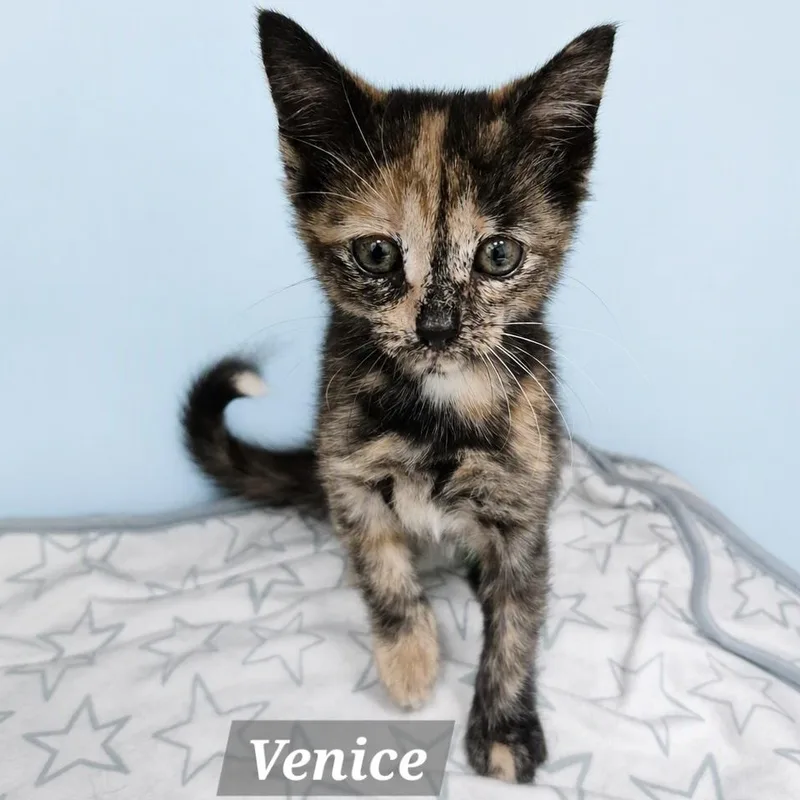
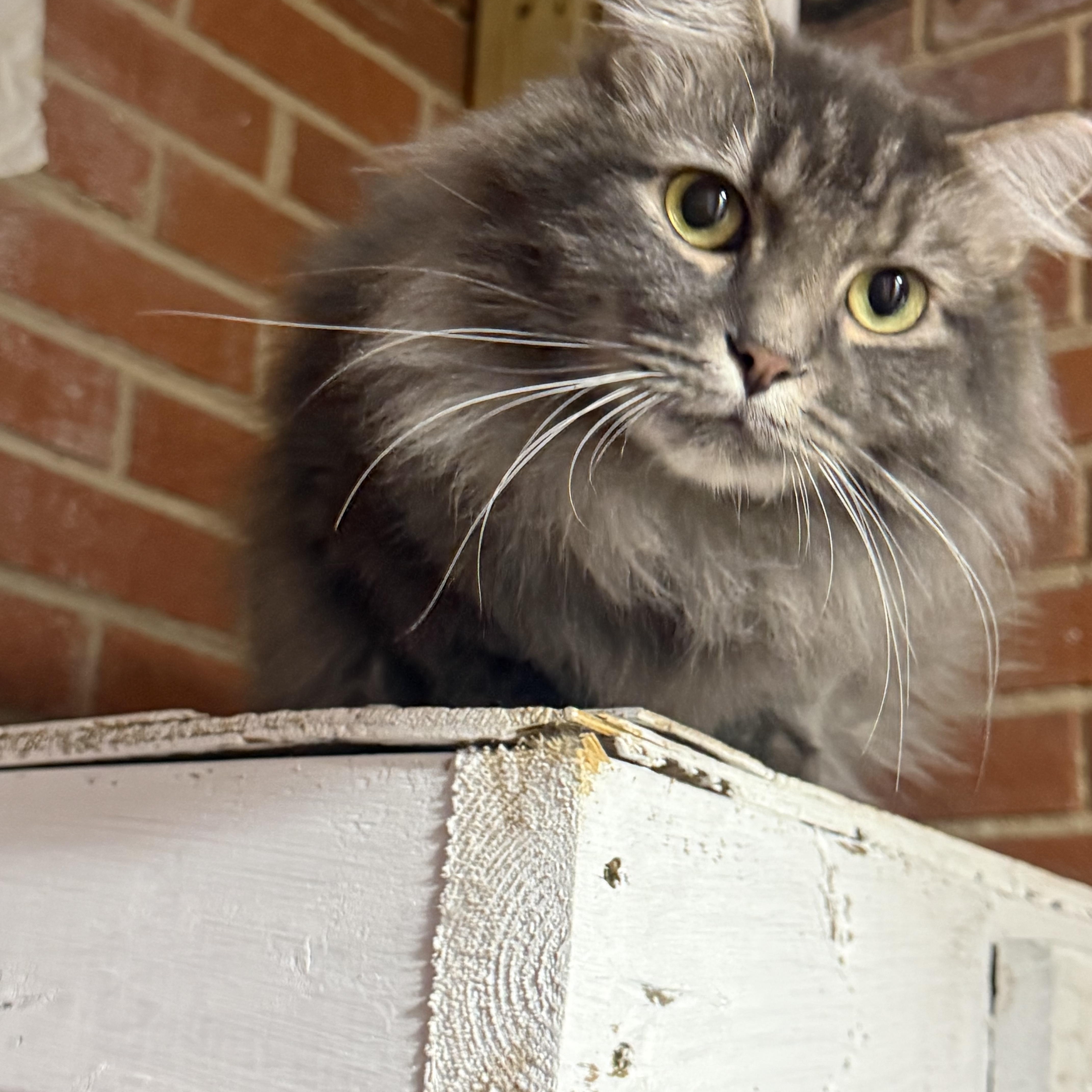
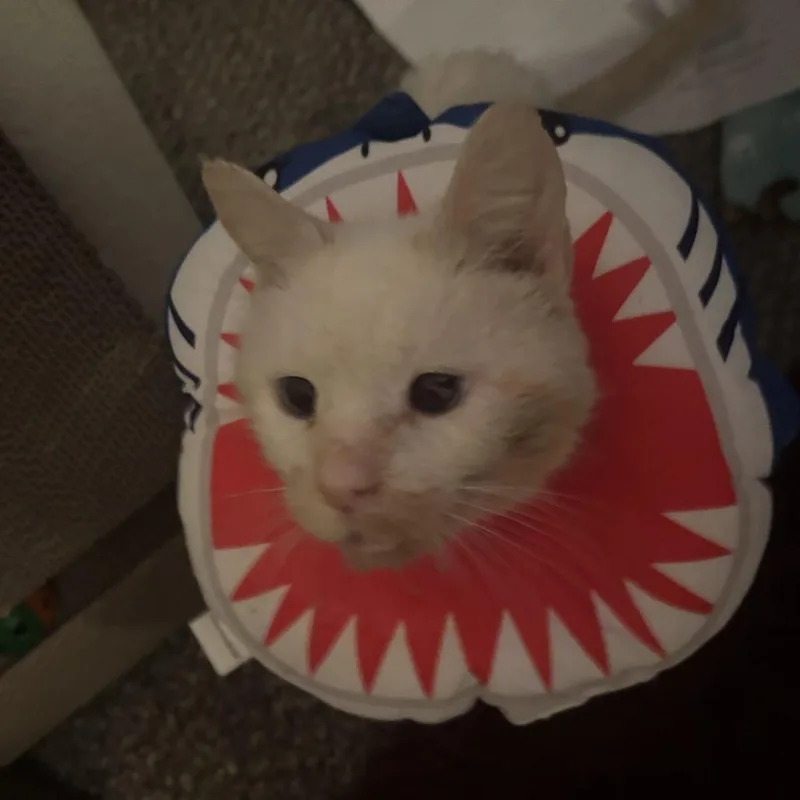
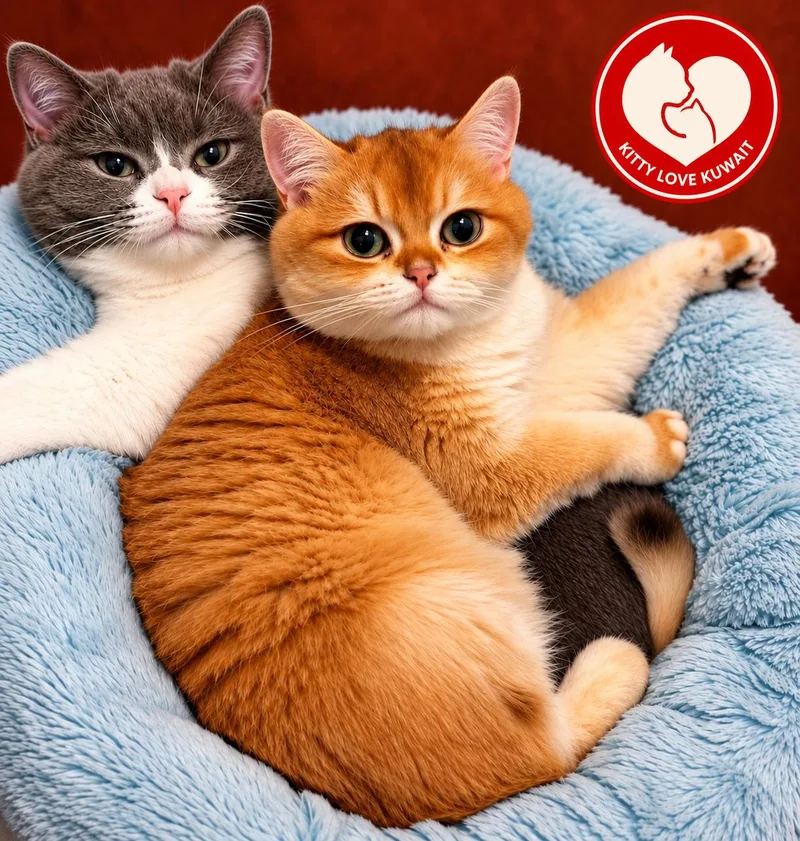
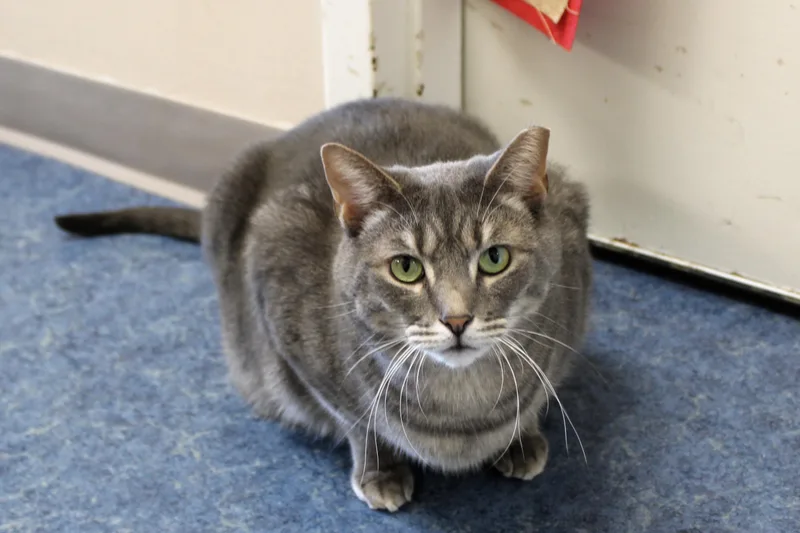
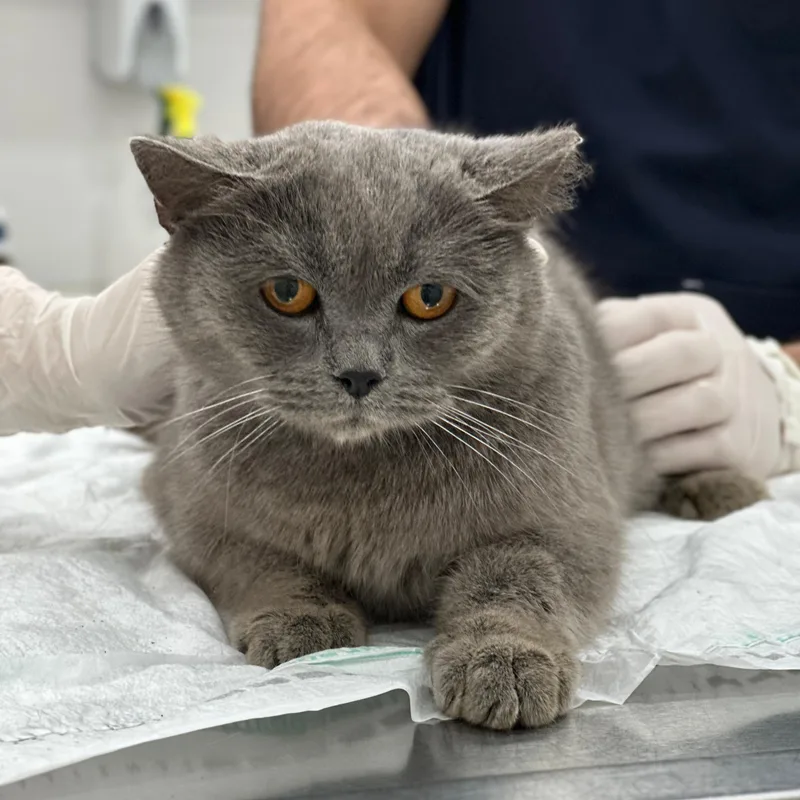
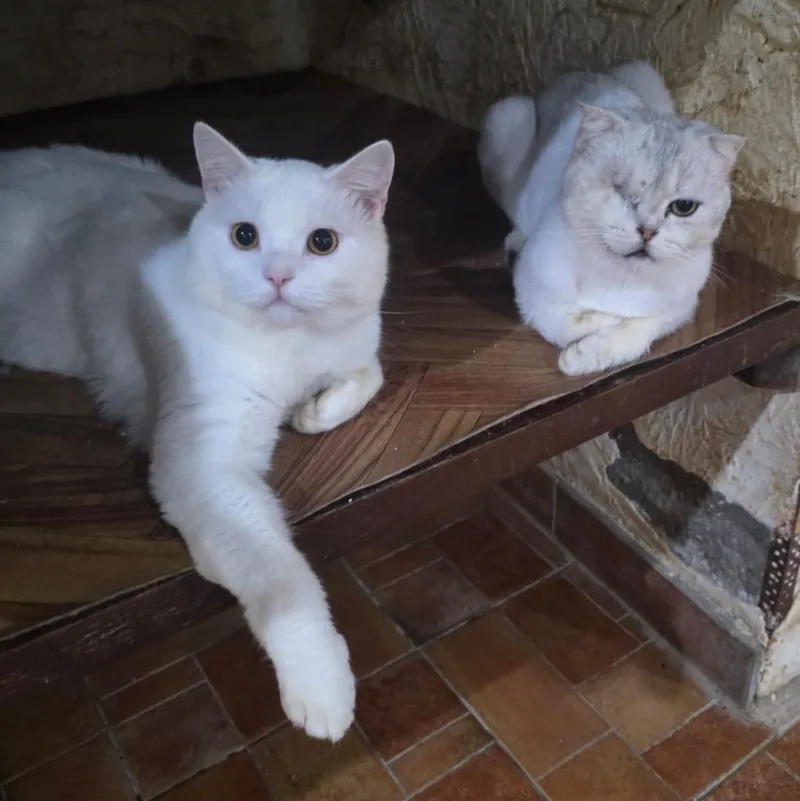
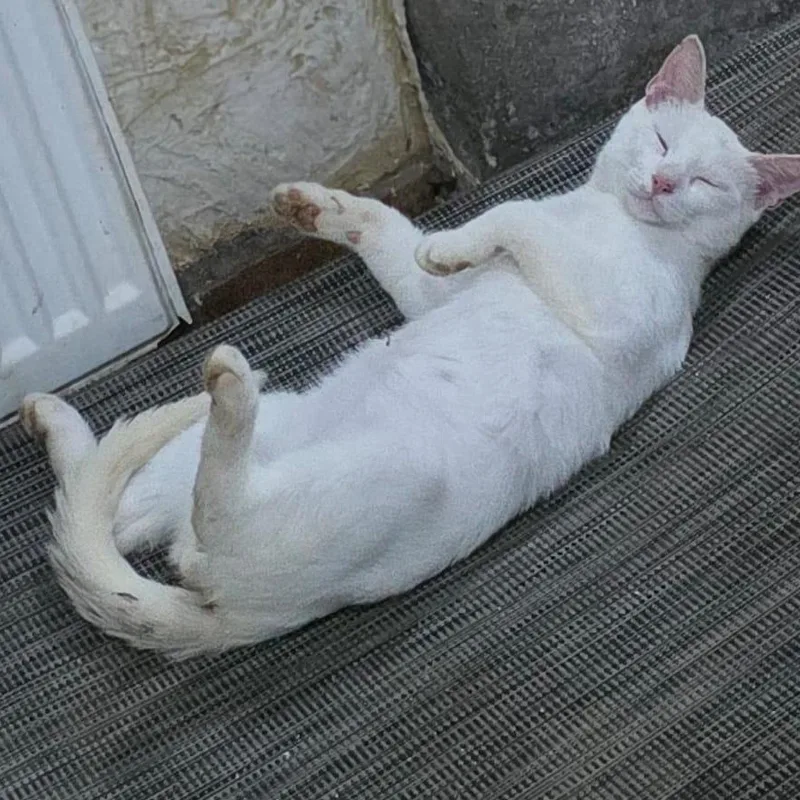
Meet a British Shorthair who needs you

While we don't have enough cats near Charlotte, keep in mind that many rescues may offer transport.

British Shorthairs Available for Adoption Near Charlotte

About the British Shorthair breed

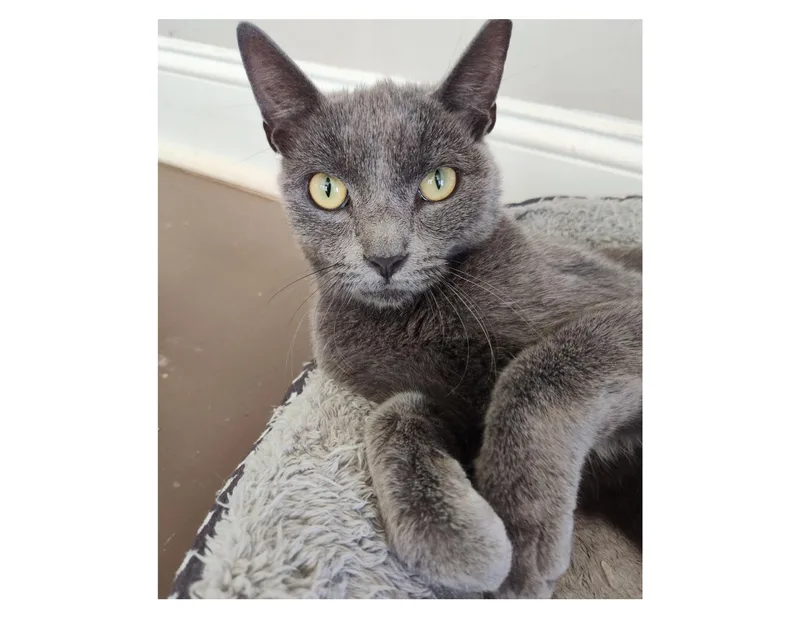
The British Shorthair descends from the working street and farm cats of Britain and appeared at the first organized cat show in London in 1871. The breed nearly vanished during the world wars and was rebuilt with help from outcrosses. The plush blue cat with copper eyes is the classic image, but the coat comes in dozens of colors and patterns, including tabbies, bicolors and tortoiseshells.

Many British Shorthairs are quiet, steady companions that like to stay near their people without demanding a lap. They often dislike being carried and prefer play with four feet on the floor. In Charlotte, that makes them easy to live with in a rental, though they mature slowly, sometimes not filling out until about three years old, and they gain weight easily. Cats vary, so a cat's own personality matters more than the breed label.

Weight
7–17 lbs
Height
12–14 in
Lifespan
12–17 yrs
Temperament
Calm, Easygoing, Affectionate
Shedding
Moderate

Owning a British Shorthair in Charlotte

Having a British Shorthair in Charlotte

Low-key energy, a dense shedding coat, a hearty appetite and inherited heart and kidney risks shape life with this breed. In Charlotte, the biggest local factors are indoor comfort through humid summers and a plan for storms and power outages.

Temperament

British Shorthairs are usually even-tempered and quiet, happy to supervise from a nearby chair rather than demand attention. That suits Charlotte's busy apartment buildings, where a non-talkative cat is welcome. Most tolerate calm children and pets, but many dislike being carried, and some are reserved at first. A cat's own history and personality matter more than breed.
Exercise Needs

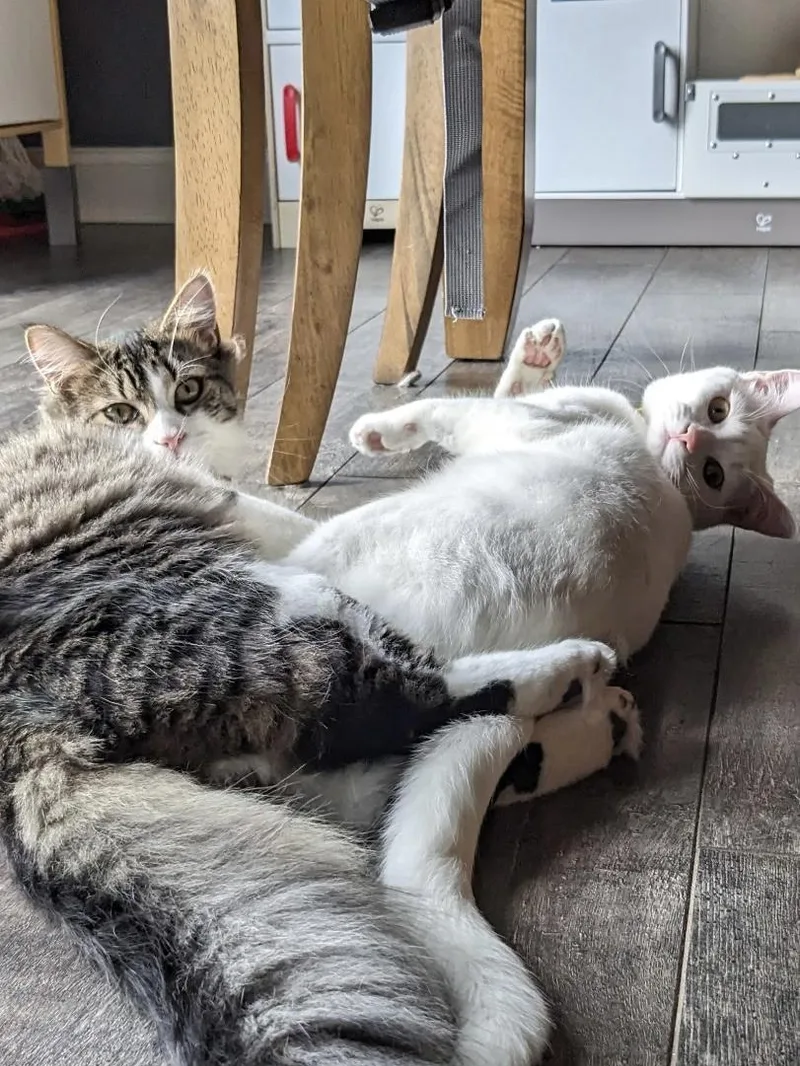
Expect a few short play sessions a day with wand toys, toy mice or puzzle feeders; floor-level games suit this breed. Regular activity matters because British Shorthairs gain weight easily as adults. In a Charlotte apartment, a low cat tree by a window and an evening play session once the day's heat has passed does the job.

Health Considerations

British Shorthairs can develop hypertrophic cardiomyopathy, and some carry polycystic kidney disease, so a veterinarian can check the heart and kidneys at an early visit. Obesity and dental disease are common but preventable. In Charlotte, keep flea prevention going and rabies vaccination current, which state law requires from four months of age.

Living Space

This breed adapts well to Charlotte's apartments, bungalows and townhomes because it's quiet and rarely a climber. A sturdy scratching post, a low cat tree and a sunny window perch cover most needs. Keep a British Shorthair indoors, which also protects it from traffic and the coyotes that live around the city and can prey on pets.

What it costs to own a British Shorthair in Charlotte

ExpenseTypical costPer year
Food$30 to $60 per month$360 to $720
Pet insurance$30 to $65 per month$360 to $780
Routine vet care$150 to $350 per year$150 to $350
Other*$460 to $1,160 per year$460 to $1,160
Estimated yearly total (after year one)$1,330 to $3,010

Other costs are estimates and vary with size, age and health.

* Litter, the $10 Charlotte cat license for a spayed or neutered cat, flea prevention, a dental cleaning allowance, toys, scratchers and other supplies, and brushing supplies for the dense coat.

Adopt a British Shorthair in Charlotte.

Now that you know more, let’s find you a new best friend. These rescues and shelters below have cats available in and near Charlotte.

Frequently Asked Questions

Yes, you can get a British Shorthair in Charlotte, because the city has no breed ban or breed-specific rules. Cats four months and older need a yearly license, which requires proof of rabies vaccination. British Shorthairs are popular but availability changes often, so watch the listings on this page or save a search to hear about new cats.

Yes, a British Shorthair can live happily in a Charlotte apartment, since the breed is quiet and rarely climbs. Most leases cap pets at two and charge a pet fee, so confirm the terms before applying. North Carolina limits security deposits to one and a half months' rent for month-to-month tenancies and two months' for longer leases. Provide a sturdy scratching post to protect carpets.

A British Shorthair needs brushing about once a week, and more often when shedding picks up in Charlotte's long spring and fall. The humid summers don't call for shaving the dense coat; keeping the cat cool indoors matters more. Most owners groom at home, so grooming adds little to the Other line of the cost table.

No. Charlotte's CATS code of conduct bars animals from its vehicles except service animals and animals in training, with a $50 civil penalty, and it lists no exception for carriers. That means a British Shorthair can't ride CATS buses or the LYNX light rail. Plan vet trips by car, with a sturdy carrier, since many of these cats dislike being carried.

Yes, as long as a British Shorthair lives indoors with air conditioning. Charlotte summers are hot and humid but not extreme, and the dense coat holds heat. Offer fresh water and a cool, shaded spot, and never leave a cat in a parked car. Heavy panting, drooling or unsteadiness means cooling the cat gently and calling a veterinarian.

A British Shorthair fits Charlotte well if you want a calm, low-key cat and can keep it indoors. It's content in a small apartment and doesn't need outings. The trade-offs are weekly brushing, careful portions and a plan for storm-related power outages. It suits people who are home some evenings, though many British Shorthairs cope with workdays alone.

British Shorthairs commonly live about 12 to 17 years, and many healthy indoor cats reach their late teens. Swedish insurance data found most lived past ten, though a UK veterinary study reported a lower average because of early deaths. Keeping a British Shorthair lean, brushing its teeth and screening for heart and kidney disease all help support a longer life.

No, British Shorthairs are not hypoallergenic. Their dense coat sheds, and like all cats they produce the Fel d 1 allergen in saliva and skin, which spreads onto fur during grooming. People with mild allergies sometimes cope with frequent brushing, air purifiers and a cat-free bedroom, but spending time with the specific cat before adopting is the safest test.

British Shorthairs can be capable hunters, since the breed grew out of working cats that kept British farms, homes and streets free of rodents. Most pet British Shorthairs today are more relaxed than driven, and many prefer stalking toy mice and wand toys. Their prey drive is still real, so keep small pets like birds and hamsters securely separated.

A British Shorthair typically costs about $1,330–$3,010 a year, or roughly $110–$250 a month. That covers food at $30–$60 a month, insurance at $30–$65 a month, routine vet care at $150–$350 a year, and other costs at $460–$1,160 a year, including litter and the Charlotte cat license.

Find British Shorthairs in Nearby Cities

Expand your search to find British Shorthairs available for adoption near Charlotte.