Calico Cats for Adoption in Kansas City, MO

Your guide to finding and caring for a Calico in Kansas City

Calicos fit Kansas City's older neighborhoods and converted lofts as easily as a house. A window seat in Hyde Park or a sunny sill in a renovated West Bottoms warehouse gives a calico what she mostly wants: a perch to watch from and a play session or two a day. Since calico is a coat pattern rather than a breed, each cat's personality varies. Spring thunderstorms rattle some cats, so a quiet interior room is worth setting up.

1485 Calicos available in Kansas City and nationwide

Bring home a Calico

While we don't have enough cats near Kansas City, keep in mind that many rescues may offer transport.

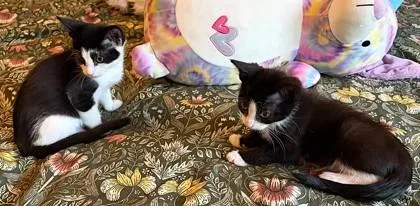
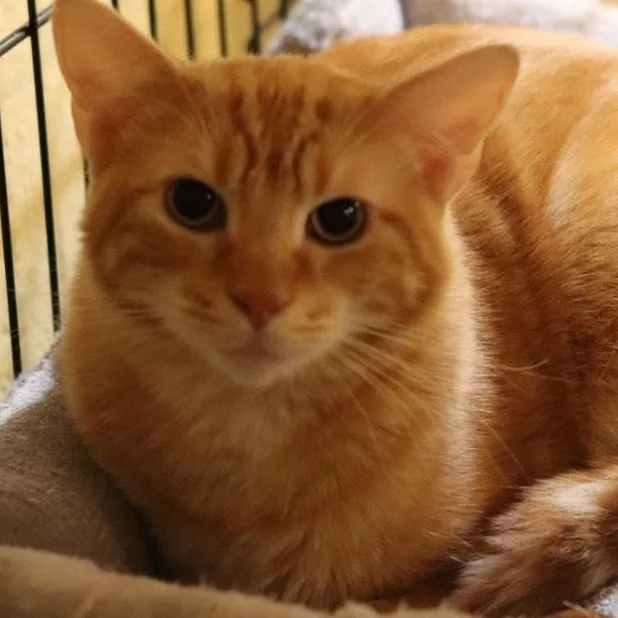
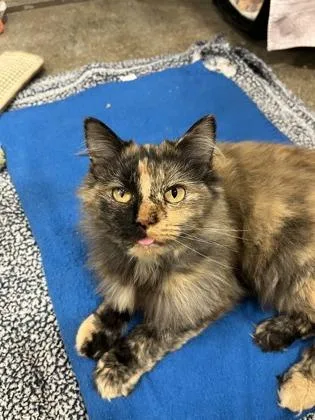
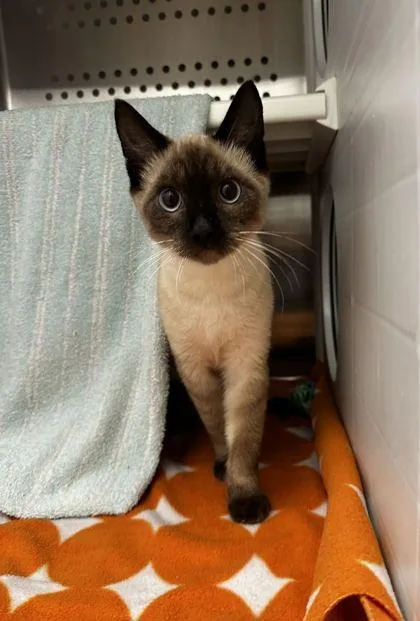
Calicos Available for Adoption Near Kansas City

About the Calico breed

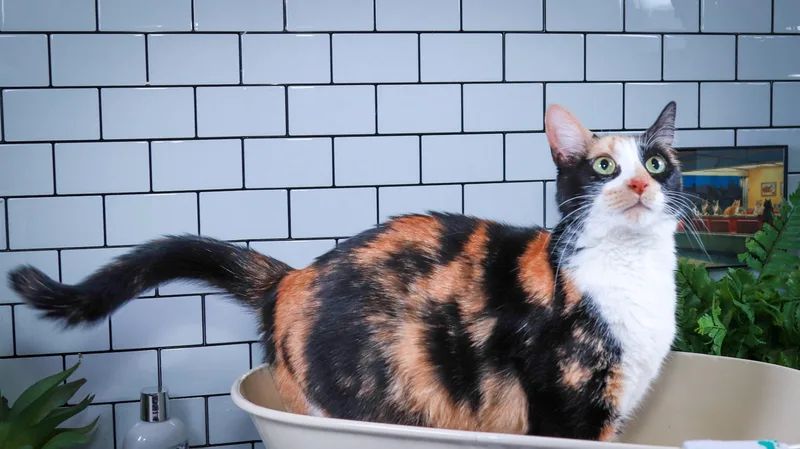
Calico is a coat pattern, not a breed: white with patches of black and orange, or gray and cream in the dilute version. It shows up in domestic shorthairs, longhairs and many pedigreed breeds, so size, coat length and energy vary from cat to cat. Nearly all calicos are female, and most weigh somewhere between 6 and 12 pounds.

Most calicos waiting for adoption are domestic shorthairs, so their care looks like any house cat's: vaccines, dental care, weight control and a few good scratching posts. Folklore credits them with attitude, but coat color doesn't reliably predict personality. In a Kansas City home, how a cat reacts to noise, visitors and other pets matters far more than her patches.

Weight
6–12 lbs
Height
8–10 in
Lifespan
12–18 yrs
Temperament
Adaptable, Affectionate, Independent
Shedding
Moderate

Owning a Calico in Kansas City

Having a Calico in Kansas City

Because calico describes a coat, not a breed, traits follow each cat's ancestry, age and upbringing. Expect a range, from easygoing shorthairs to fluffy longhaired mixes, and judge the cat in front of you rather than the color.

Temperament

Calicos can be shy and gentle or bold and talkative, since personality comes from genes and early experiences rather than color. The "tortitude" reputation is folklore, and studies haven't confirmed a reliable link. In a Kansas City building, notice how a cat handles hallway noise, doorbells and visitors.

Exercise Needs

Most calicos have typical house-cat energy: bursts of chasing and pouncing between long naps. Two or three short sessions a day with wand toys, balls or food puzzles keep her fit indoors, and a window perch offers bird-watching on days when weather keeps everyone inside. Kittens need more play than seniors.

Health Considerations

A calico's care mirrors any domestic cat's: vaccines, dental care, weight control and regular checkups, and a veterinarian can review her health after adoption. Coat color itself doesn't cause problems in females. The rare male calico usually carries an extra X chromosome and may face sterility, urinary or metabolic issues. Pedigreed calicos also carry their breed's own risks.

Living Space

Calicos usually adapt to apartments and houses alike if there are scratching posts, a high perch, hiding spots and daily play. Keeping her indoors is safest, since coyotes live in Missouri city parks and subdivisions and have killed cats. A catio or harness time in your own yard adds fresh air safely.

What it costs to own a Calico in Kansas City

ExpenseTypical costPer year
Food$25 to $50 per month$300 to $600
Pet insurance$20 to $45 per month$240 to $540
Routine vet care$150 to $350 per year$150 to $350
Other*$460 to $1,160 per year$460 to $1,160
Estimated yearly total (after year one)$1,150 to $2,650

Other costs are estimates and vary with size, age and health.

* The $10 Kansas City cat license, litter, flea and tick prevention, a dental cleaning allowance, toys and supplies, and home brushing.

Adopt a Calico in Kansas City.

Now that you know more, let’s find you a new best friend. These rescues and shelters below currently have Calicos available.

Rescues in Kansas City with Calicos Available

KC Pet Project runs the city shelter in Swope Park, and other Kansas City rescues also help cats find homes. Here are the rescues & shelters in the Kansas City area where you can find Calicos and other cats available for adoption.

Frequently Asked Questions

Yes. Calico is a coat pattern, not a breed, and Kansas City has no known rules targeting cats by coat or breed. Watch the listings on this page for calico and calico-mix cats, since availability changes. Once she's home, the city expects a license and rabies vaccination for cats over 120 days old.

Yes, most calicos do well in apartments. Give her a tall cat tree or window perch, scratching posts, daily wand-toy play and a litter box away from her food. Shy cats may like a quiet room at first. Read the lease before adopting for pet limits, deposits and monthly pet rent.

Yes, for indoor cats. Kansas City's humid summers and icy winters mostly call for home adjustments: cool, shaded rooms and plenty of water in July, a warm bed in winter, and supplies on hand for storm outages. Longhaired calico mixes may feel the summer heat more, so brush them regularly to keep their coats light.

Yes, on RideKC buses, but only in a secure carrier. RideKC allows service animals and small pets in cages or carriers. The KC Streetcar doesn't allow pets, only ADA service animals, so plan another route to the vet. Practice with the carrier at home first, and add a towel with a familiar scent.

Most shorthaired calicos need a quick brushing about once a week, while longhaired mixes do better with a few sessions weekly to prevent mats. Shedding is moderate and heaviest in spring and fall as Kansas City's seasons change. Home brushing is cheap and is covered in the yearly Other costs, so professional grooming is rarely necessary.

Almost all calico cats are female, but not every single one. The genes for orange and black coat color sit on the X chromosome, so a cat normally needs two X chromosomes to show both colors at once. Roughly 1 in 3,000 calicos is male, usually because of an extra X chromosome, a genetic quirk rather than a separate type.

A calico cat is any cat with a three-color coat of white plus distinct patches of black and orange, or gray and cream in dilute calicos. Calico is a coat pattern rather than a breed, so it appears in domestic shorthairs, longhairs and many pedigreed breeds. Nearly all calicos are female because of how coat color genes are inherited.

Yes, calico cats can be male, but it is very rare. A male calico usually has XXY chromosomes instead of the typical XY, a condition similar to Klinefelter syndrome in people, or is a chimera formed from two embryos. These males are almost always sterile and may have extra health needs, so regular veterinary care is especially worthwhile.

We have 1 rescue with Calicos available: Another Chance Cat Rescue. You can see every rescue with Calicos available in the list above these questions, or scroll to the top to see the Calicos near Kansas City.

Plan on roughly $1,150 to $2,650 a year for a calico in Kansas City, covering food ($25 to $50 a month), pet insurance ($20 to $45 a month), routine vet care ($150 to $350 a year) and other costs ($460 to $1,160 a year). Emergency care is not included.

Find Calicos in Nearby Cities

Expand your search to find Calicos available for adoption near Kansas City.