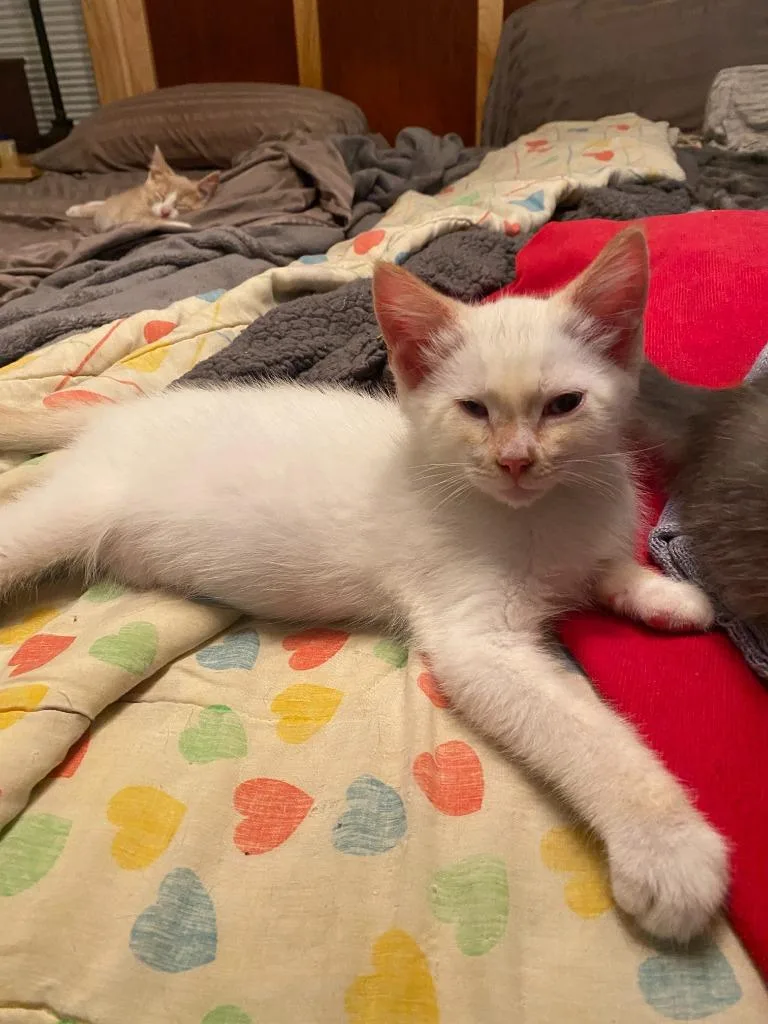
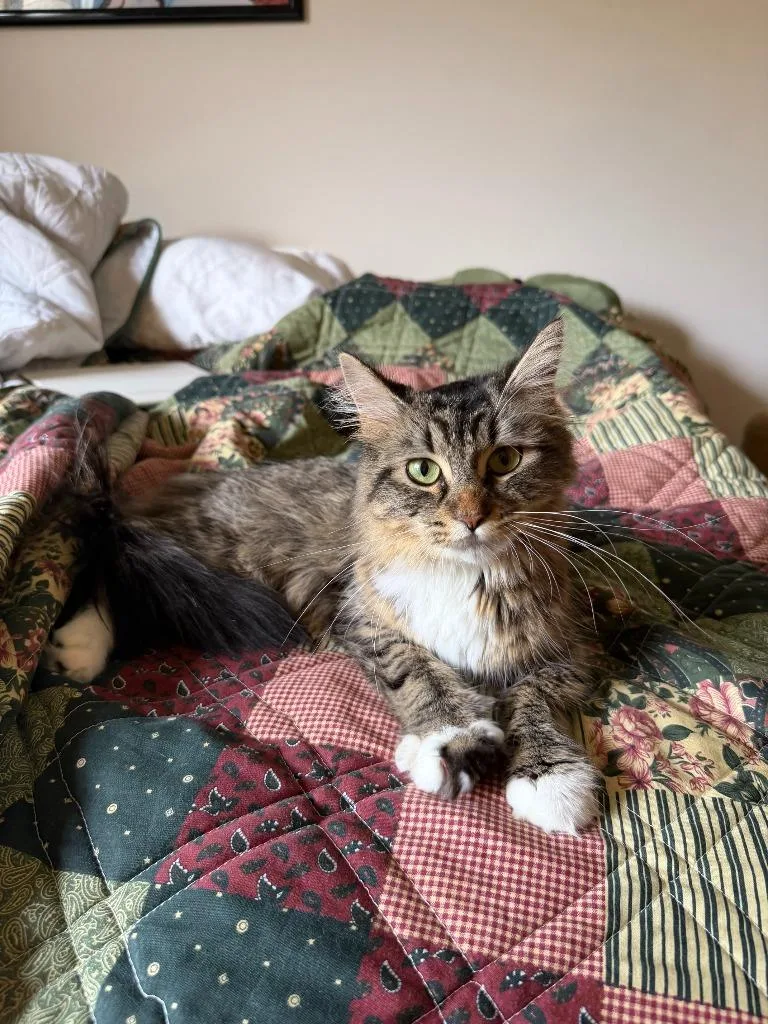
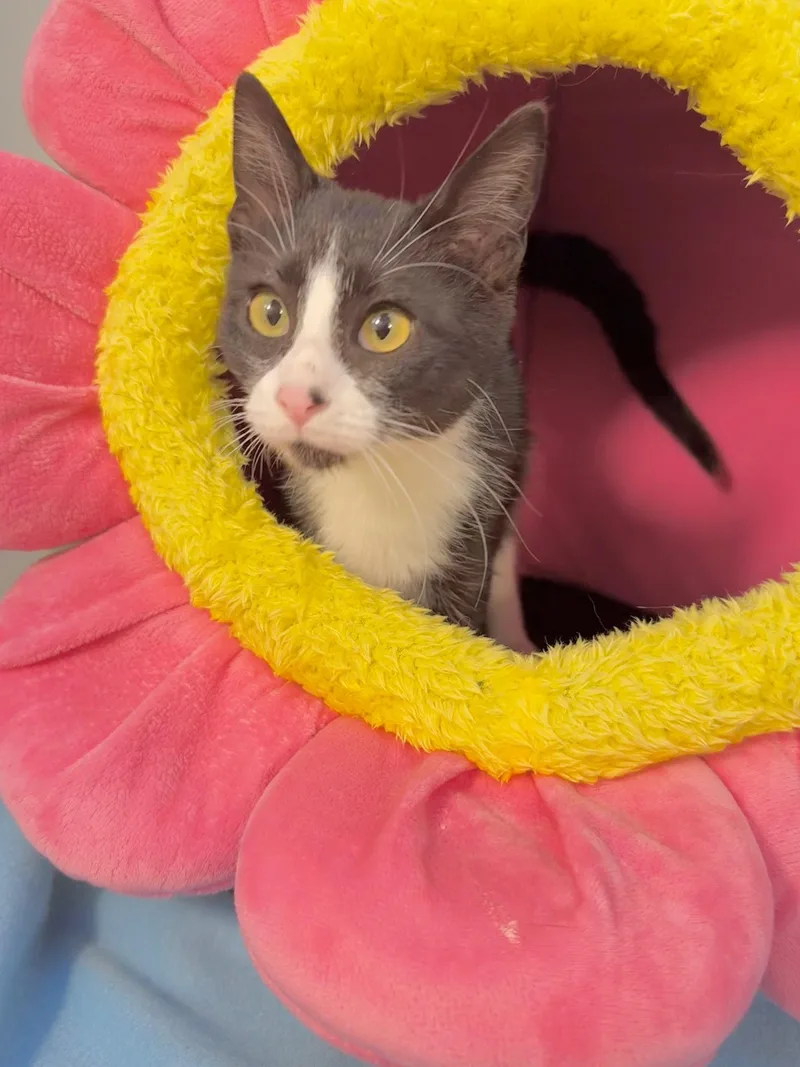
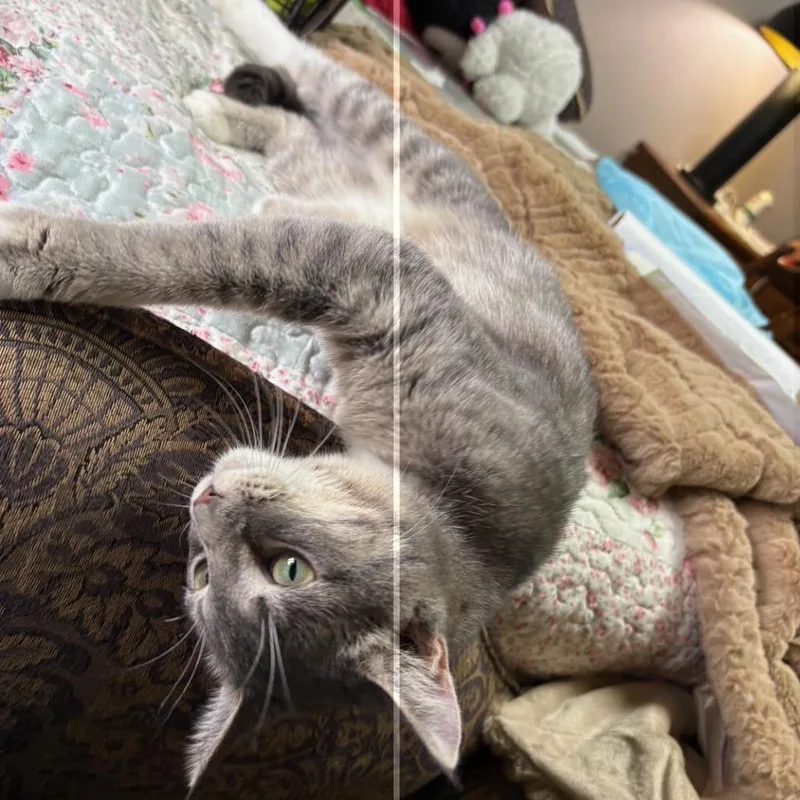
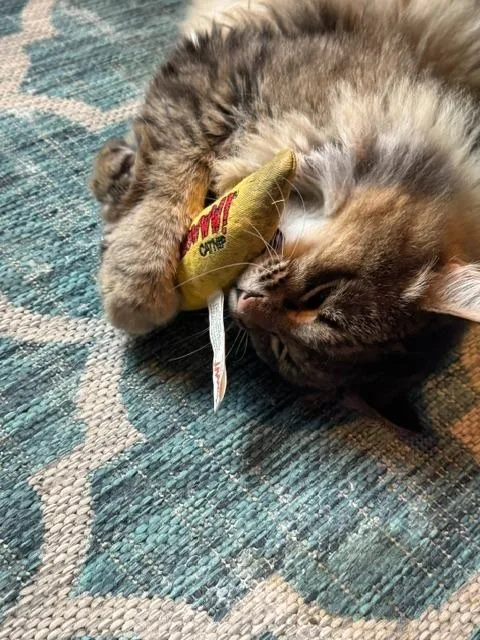
Tortoiseshell Cats for Adoption in Minneapolis, MN

Your guide to finding and caring for a Tortoiseshell in Minneapolis

A tortoiseshell cat fits right into the brick apartments and old bungalows of Minneapolis. In Elliot Park or Powderhorn, a sunny window perch and a tall cat tree go a long way, and the long, snowy winters mean daily play matters more than you'd think. Tortie is a coat pattern rather than a breed, so these cats run from mellow to bold. Pick a warm spot by a south-facing window and she'll probably claim it by February.

1058 Tortoiseshells available in Minneapolis and nationwide

Your Tortoiseshell is waiting

Tortoiseshells Available for Adoption Near Minneapolis

About the Tortoiseshell breed

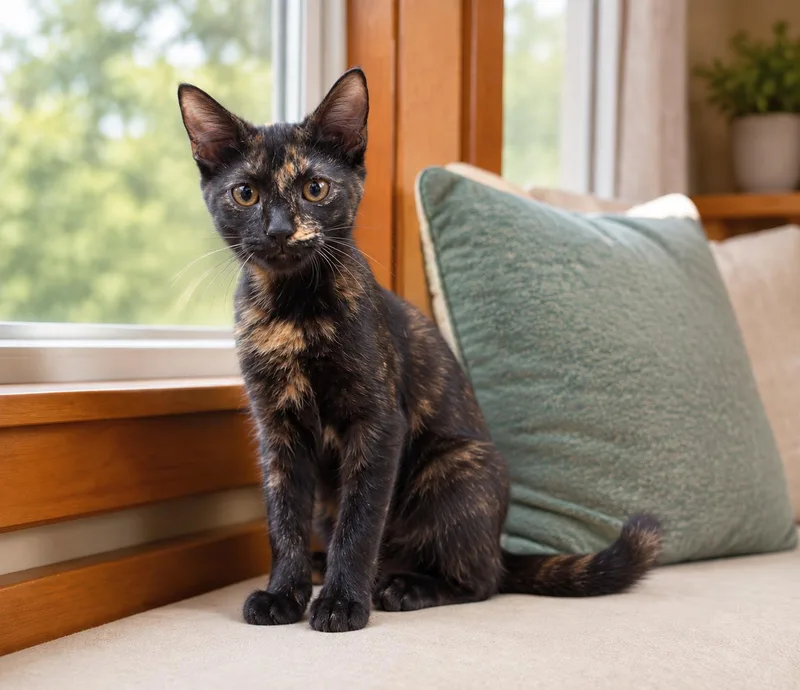
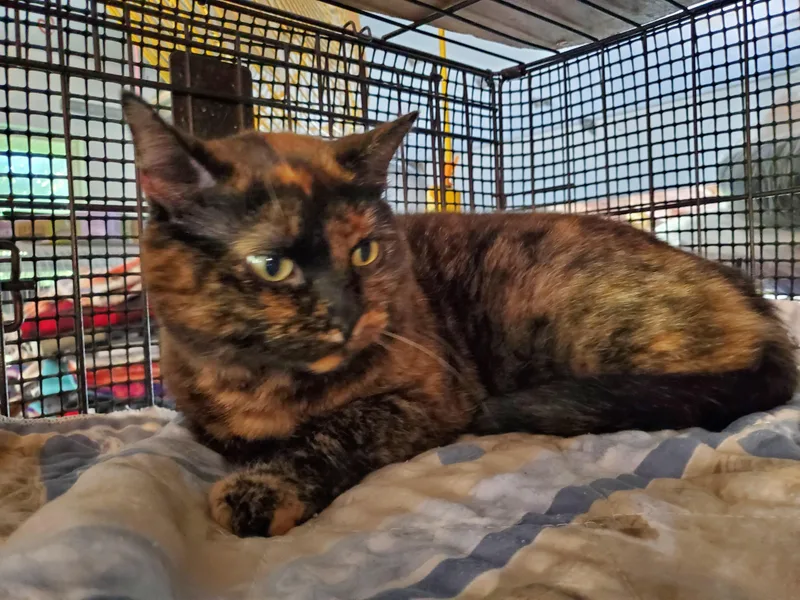
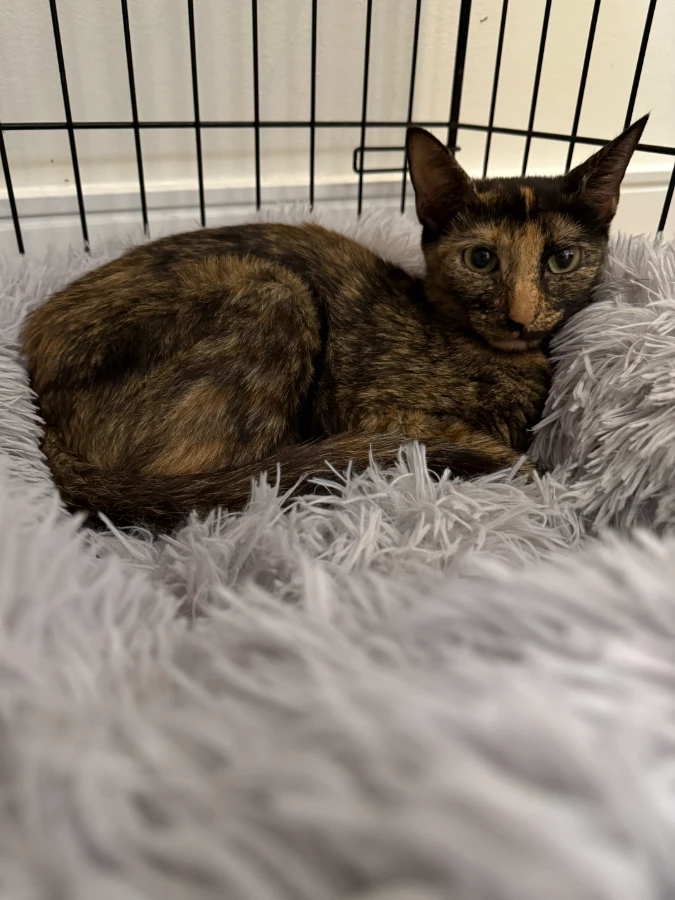
Tortoiseshell describes a coat, not a breed. The patchwork of black and orange, or gray and cream in dilute torties, appears mostly on domestic shorthairs and longhairs, though it can turn up in several recognized breeds. Size, shedding and energy follow the cat's ancestry, so a tortie can be a petite lap cat or a sturdy, active climber.

The reputation for tortitude is mostly folklore, and the little research that exists rests on owner impressions. In a Minneapolis home, what counts is the cat's age, history and comfort level with people. Expect moderate shedding, weekly brushing for longer coats, and a cat that's happiest with daily play, scratching spots and somewhere high to watch the street.

Weight
6–14 lbs
Height
8–10 in
Lifespan
12–18 yrs
Temperament
Independent, Affectionate, Playful
Shedding
Moderate

Owning a Tortoiseshell in Minneapolis

Having a Tortoiseshell in Minneapolis

Because the pattern says little about personality, a tortoiseshell's needs depend on age, background and ancestry. Think of these cards as a starting point for indoor life in a cold-winter city, then look closely at the cat you're considering.

Temperament

Torties have a reputation for sass, but evidence tying coat color to behavior is thin. In a Minneapolis apartment, what matters is whether the cat is relaxed with noise from neighbors and street traffic. Some are shy, some are bold, and many warm up over weeks once they know the household routine.

Exercise Needs

Most tortoiseshells need daily interactive play, such as wand toys, chase games and puzzle feeders, split into a few short sessions. Minneapolis winters keep cats indoors for months, so vertical space helps: a tall cat tree, window perches and shelves burn energy. Kittens and young adults usually need more than seniors do.

Health Considerations

The coat pattern carries no special health risks for females. Health depends on ancestry, age and care, so yearly vet exams, dental care and a healthy weight matter most. In Minnesota, ticks and coyotes are reasons to keep cats indoors, and a vet can advise on parasite prevention and vaccines.

Living Space

Tortoiseshells do well in Minneapolis apartments, bungalows and duplexes alike, because space needs follow the cat's personality. Plan on a scratching post, a cat tree, hiding spots and a window with a view. Cats that prefer calm may suit a quieter building, while confident ones handle busy households.

What it costs to own a Tortoiseshell in Minneapolis

ExpenseTypical costPer year
Adoption fee$300, one time$300 in year one
Food$25 to $50 per month$300 to $600
Pet insurance$20 to $45 per month$240 to $540
Routine vet care$150 to $350 per year$150 to $350
Other*$480 to $1,180 per year$480 to $1,180
Estimated yearly total (after year one)$1,170 to $2,670
First-year total (with adoption fee)$1,470 to $2,970

Adoption fee is the fee on Tortoiseshell listings in Minneapolis on GetBuddy today. Other costs are estimates and vary with size, age and health.

* Litter, the $30 Minneapolis cat license for a spayed or neutered cat, flea and tick prevention, a dental cleaning allowance, toys and supplies, and home grooming.

Adopt a Tortoiseshell in Minneapolis.

Now that you know more, let’s find you a new best friend. These rescues and shelters below currently have Tortoiseshells available.

Rescues in Minneapolis with Tortoiseshells Available

Minneapolis has a city animal shelter and a number of rescue groups, and the ones listing cats appear below. Here are the rescues & shelters in the Minneapolis area where you can find Tortoiseshells and other cats available for adoption.

Frequently Asked Questions

Yes, Minneapolis has no breed or coat-color restrictions, and Minnesota law bars rules based solely on breed. You'll need to license your cat once it's over four months old, which requires a current rabies vaccination. Keeping four or more cats takes a multiple-animal permit, so most households stay under that limit.

Yes, tortoiseshells generally do well in apartments, since their space needs depend on personality rather than coat. With about 54% of Minneapolis households renting, get your landlord's permission in writing first. Add a cat tree, a window perch and daily play to keep an indoor cat busy through the long winters.

Yes, as indoor cats they handle it well. Winter brings about 72 days that never get above freezing and around 22 nights below zero, so keep your tortie inside and offer warm bedding away from drafts. Cats that slip outdoors can get frostbite on ears and paws fast, so keep doors controlled.

Only in a carrier. Metro Transit lets pets on board only when they're in a carrier, and that applies to its buses and light rail. A secure, well-ventilated carrier also makes vet visits easier. Service animals follow separate rules and ride without a carrier if they stay under control.

Often, yes, especially for people who are home enough to play with an indoor cat. Long winters mean a tortie needs climbing spaces, window perches and daily play. Because the pattern doesn't determine personality, consider the cat's age, energy and comfort with noise, and plan for roughly $1,170 to $2,670 a year.

Usually little. Most torties are shorthairs that need a weekly brushing, while longhaired ones may need it several times a week. Dry indoor heat in winter can mean extra shedding. Grooming is mostly done at home, and it's covered in the Other cost line of about $480 to $1,180 a year.

A tortoiseshell cat is a cat with a coat pattern of black-based and orange-based colors blended or patched together, usually with little or no white. It is not a breed; the pattern appears in many breeds and most often in domestic shorthairs. Nearly all tortoiseshells are female because the genes for orange and black are carried on the X chromosome.

Almost all tortoiseshell cats are female, but not all. A female has two X chromosomes and can carry both orange and black color genes, producing the mixed coat. Males normally have only one X. Rare male torties usually have an extra X chromosome or are genetic chimeras, and they are estimated at roughly 1 in 3,000 tortoiseshells.

We have 1 rescue with Tortoiseshells available: The Rescue Pack. You can see every rescue with Tortoiseshells available in the list above these questions, or scroll to the top to see the Tortoiseshells near Minneapolis.

Expect roughly $1,170 to $2,670 a year for a tortoiseshell in Minneapolis. That covers food at $25 to $50 a month, insurance at $20 to $45 a month, routine vet care at $150 to $350 a year, and other costs of $480 to $1,180 a year including litter, prevention, dental care and the city license.