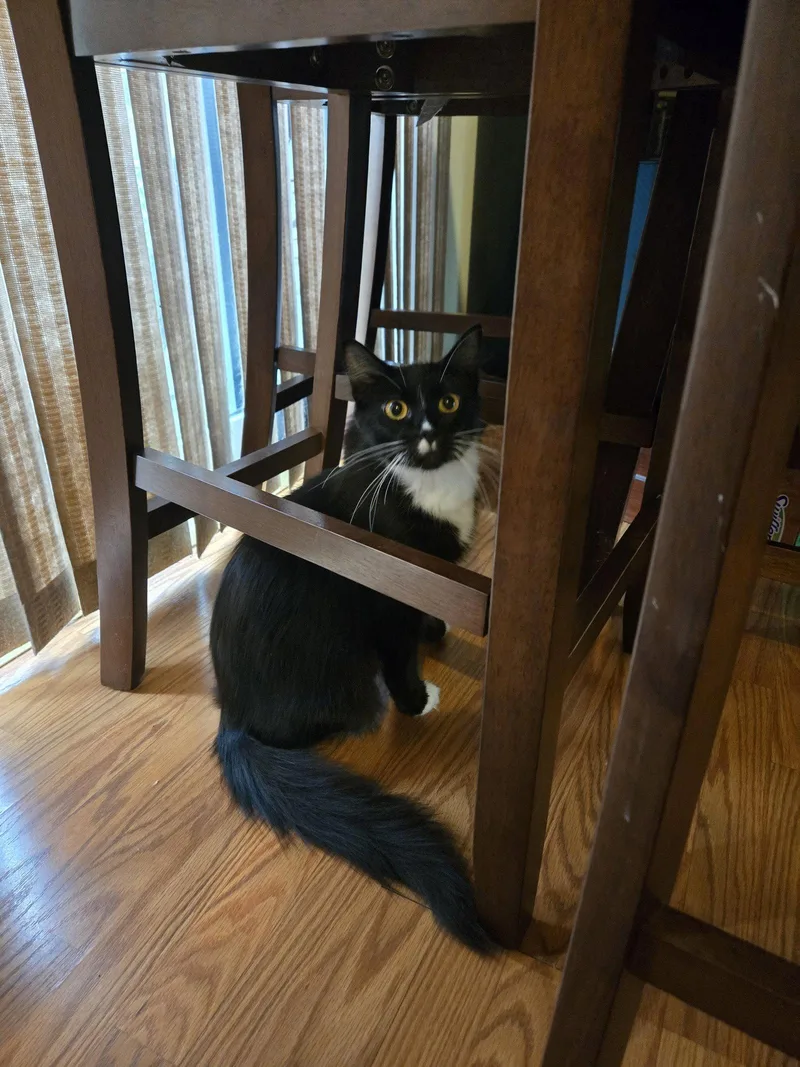
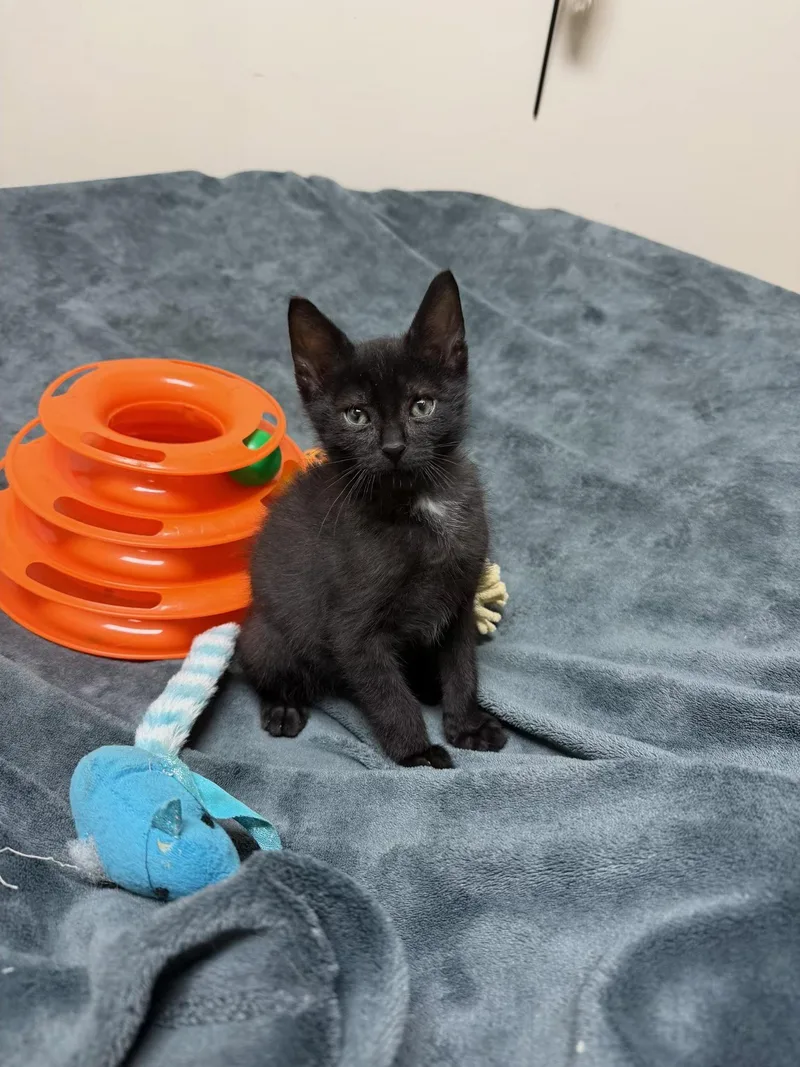
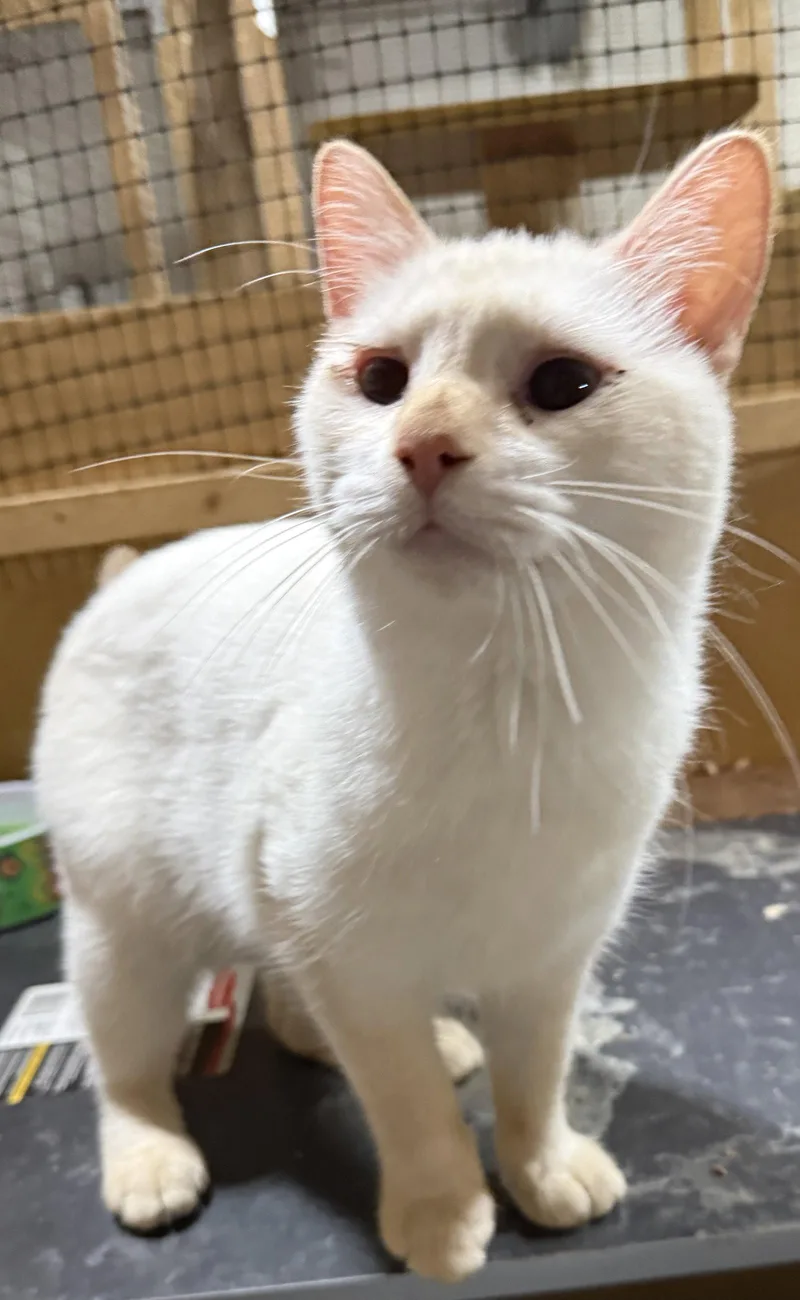
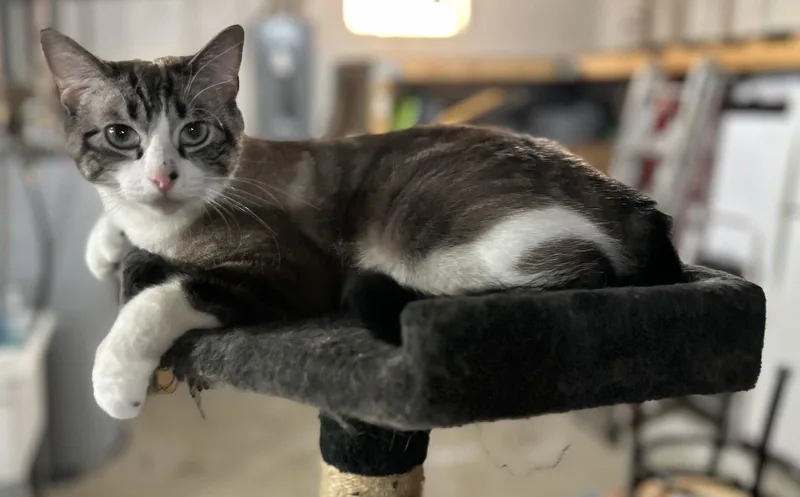
Torbie Cats for Adoption in Walled Lake, MI

Your guide to finding and caring for a Torbie in Walled Lake

284 Torbies available in Walled Lake and nationwide

Fall for a Torbie

While we don't have enough cats near Walled Lake, keep in mind that many rescues may offer transport.

Torbies Available for Adoption Near Walled Lake

About the Torbie breed

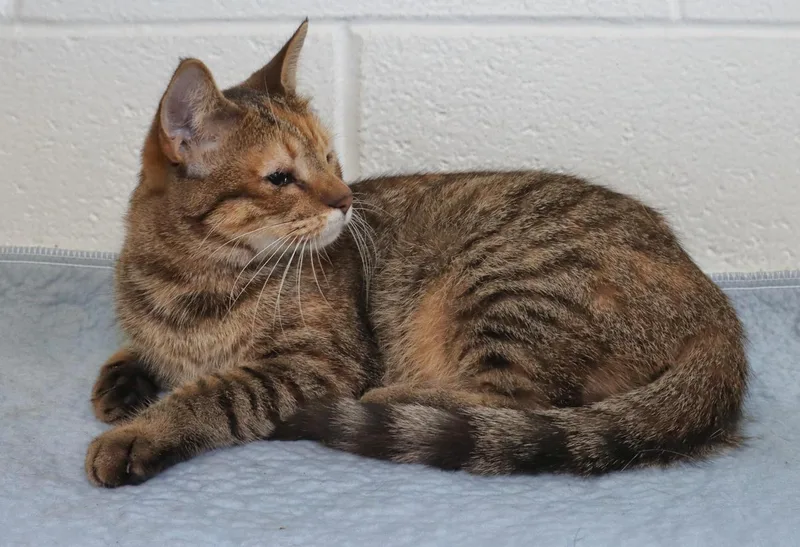
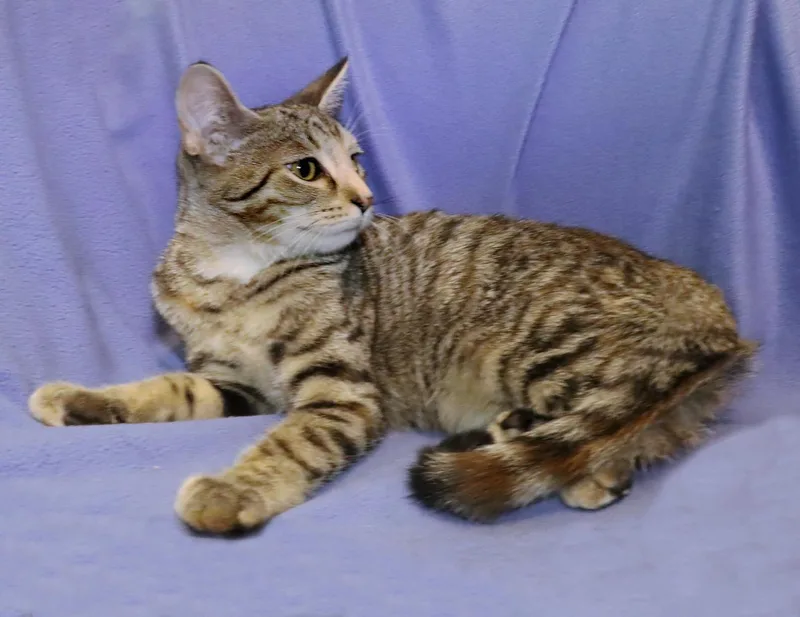
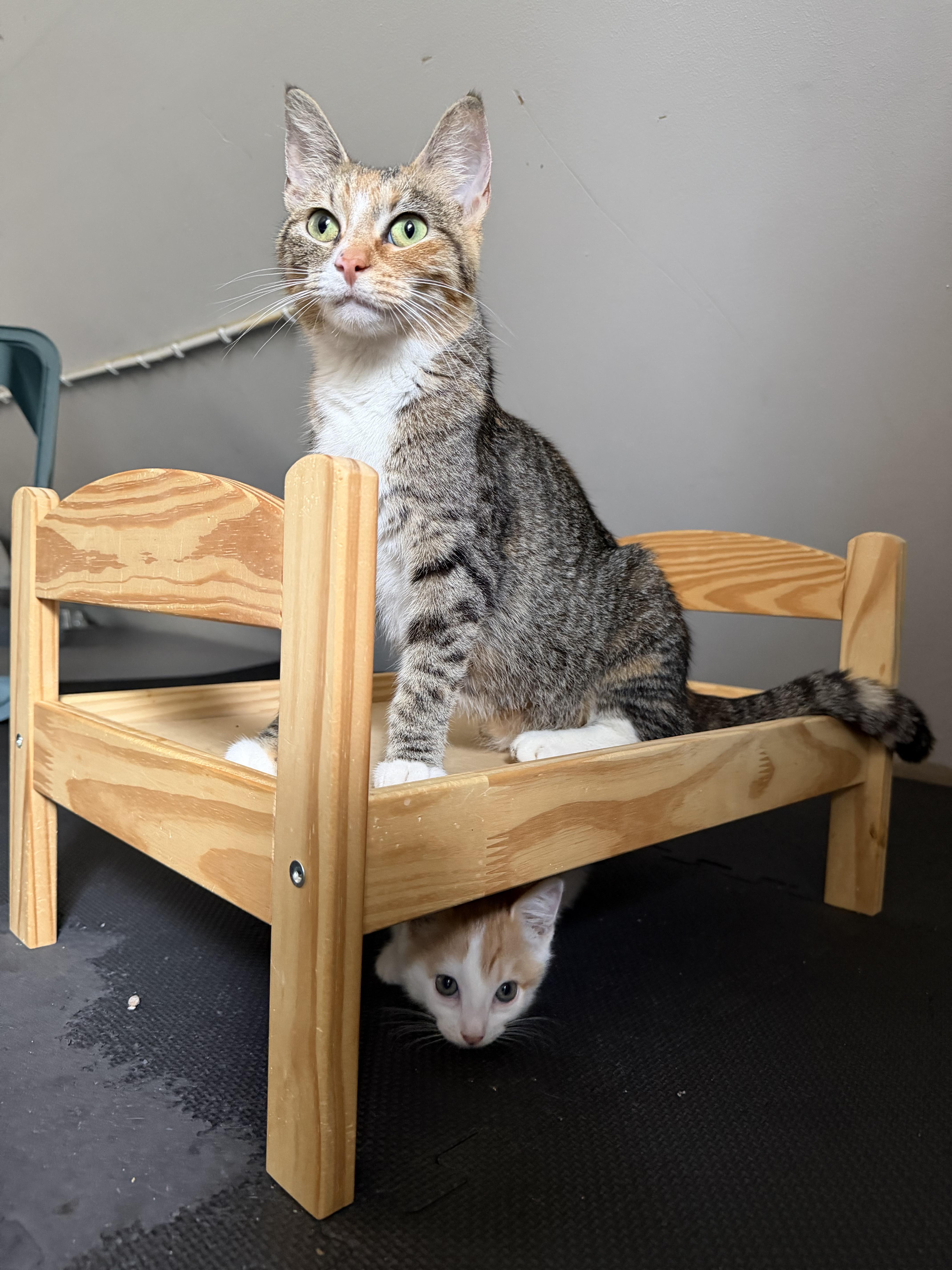
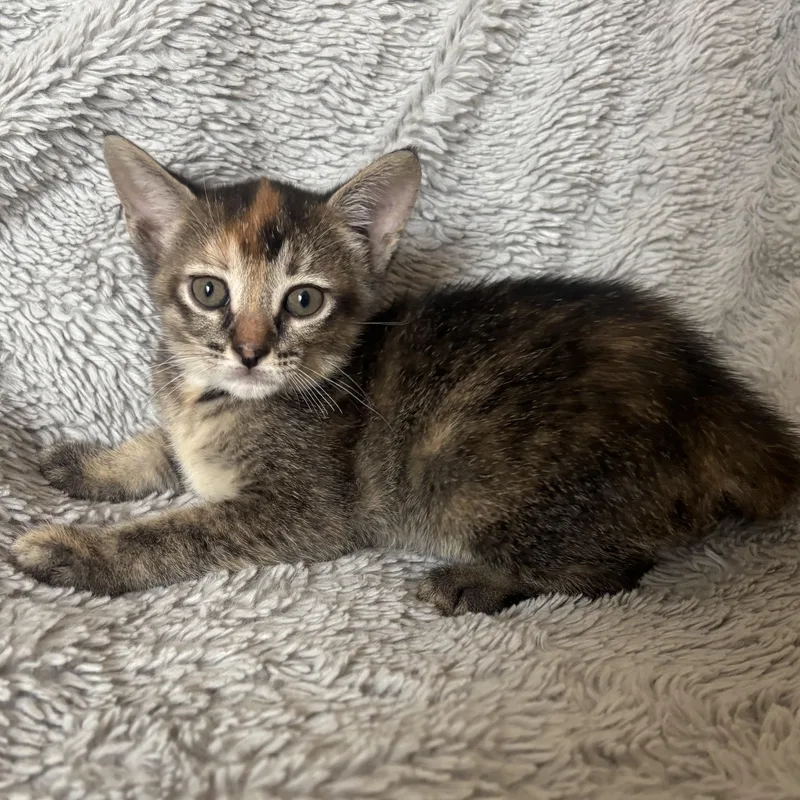
Torbie is a coat pattern, not a breed: the name blends tortoiseshell and tabby, and a torbie shows both at once. The coat combines a tortie's patches of black-based and orange-based color with tabby stripes, swirls or spots running through it, often along with the classic M on the forehead. Variations include brown, dilute blue-and-cream and silver torbies, and a torbie with plenty of white is sometimes called a caliby. Like other tortoiseshells, nearly all torbies are female, because the orange color gene sits on the X chromosome.

Most torbies at shelters are domestic shorthairs or longhairs, though the pattern turns up in many purebreds as well. Torbies are sometimes said to blend tortie spunk with tabby friendliness, but there is no good evidence that coat color shapes personality. Adopters will meet torbies of every temperament, so the individual cat matters most.

Weight
6–14 lbs
Height
8–10 in
Lifespan
12–18 yrs
Temperament
Playful, Affectionate, Curious
Shedding
Moderate

Owning a Torbie in Walled Lake

Having a Torbie in Walled Lake

Because torbie names a coat rather than a breed, these cards describe what is generally true of the domestic cats that wear it. Personality, energy and health come from a torbie's ancestry, age and history, so the individual cat's story matters most.

Temperament

Torbies are often described as spirited, chatty or affectionate, but these impressions come from owners rather than research, and coat color has not been shown to predict behavior. Shelter torbies range from shy and reserved to outgoing and cuddly. Spending time with a cat and reading its foster or shelter notes is the best guide to fit.

Exercise Needs

Torbies need the same activity as other domestic cats, which depends on age and individual energy. Daily interactive play with wand toys, chase games, puzzle feeders and safe climbing spaces keeps most indoor cats fit and content. Young torbies may want several play sessions a day, while older cats usually prefer shorter, gentler ones.

Health Considerations

The torbie pattern carries no known health risks for female cats. Rare male torbies usually have an extra X chromosome and are typically sterile, with possible added health issues. Otherwise, a torbie's health depends on its breed, age and care, so regular veterinary visits, dental care, vaccination and a healthy weight matter most.

Living Space

Torbies adapt to apartments and houses alike, since space needs come from the individual cat rather than its coat. Indoor homes with scratching posts, window perches, cat trees and hiding spots suit most. Shy cats settle best in calmer homes, while confident, social torbies often handle busy households, children and other pets well.

What it costs to own a Torbie

ExpenseTypical costPer year
Food$25 to $50 per month$300 to $600
Pet insurance$20 to $45 per month$240 to $540
Routine vet care$150 to $350 per year$150 to $350
Other*$450 to $1,150 per year$450 to $1,150
Estimated yearly total (after year one)$1,140 to $2,640

Other costs are national averages for Torbies; we don't have costs specific to Walled Lake yet.

* Litter, flea prevention, a dental cleaning allowance, toys and supplies, and home grooming; costs vary with the individual cat's size and coat.

Adopt a Torbie in Walled Lake.

Now that you know more, let’s find you a new best friend. These rescues and shelters below currently have Torbies available.

Rescues in Walled Lake with Torbies Available

Here are the rescues & shelters in the Walled Lake area where you can find Torbies and other cats available for adoption.

Frequently Asked Questions

A torbie cat is a cat whose coat combines tortoiseshell and tabby patterns, with patches of black-based and orange-based color plus tabby stripes, swirls or spots. It is a coat pattern, not a breed, and appears mostly in domestic shorthairs and longhairs. Torbies are also called tortie-tabbies or patched tabbies, and nearly all are female.

No, torbie cats are not especially rare. The pattern appears whenever a tortoiseshell cat also inherits tabby markings, which is common, and shelters regularly have torbies available. Male torbies are a different story: like other male tortoiseshells, they are very rare. Some variations, such as silver or dilute torbies, are seen less often but are still not unusual.

Torbie cats are almost always female, though not quite always. Showing both orange and black-based colors normally requires two X chromosomes, because the orange color gene sits on the X. Females have two X chromosomes, so they can be torbies. Rare male torbies usually have an extra X chromosome, an XXY makeup, and are typically sterile.

No, torbie cats are not hypoallergenic. Coat color and pattern have no effect on the main cat allergen, a protein made in saliva and skin and spread through grooming and dander. A torbie produces allergens like any other cat. If someone in your home has allergies, spend extended time with the specific cat before adopting to see how they react.

A torbie cat combines two color families, black-based shades like black or brown and orange-based shades like red or ginger, layered with tabby striping. Brown torbies are most familiar, but dilute torbies show blue-gray and cream, and silver torbies have a pale, silvery base. Some torbies also have white patches on the chest, paws or face.

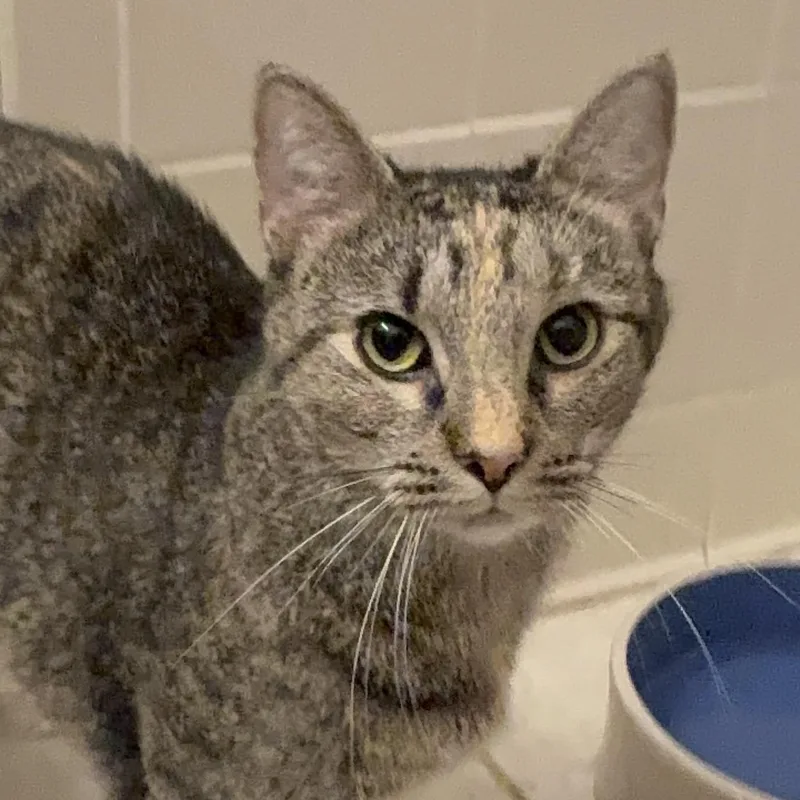
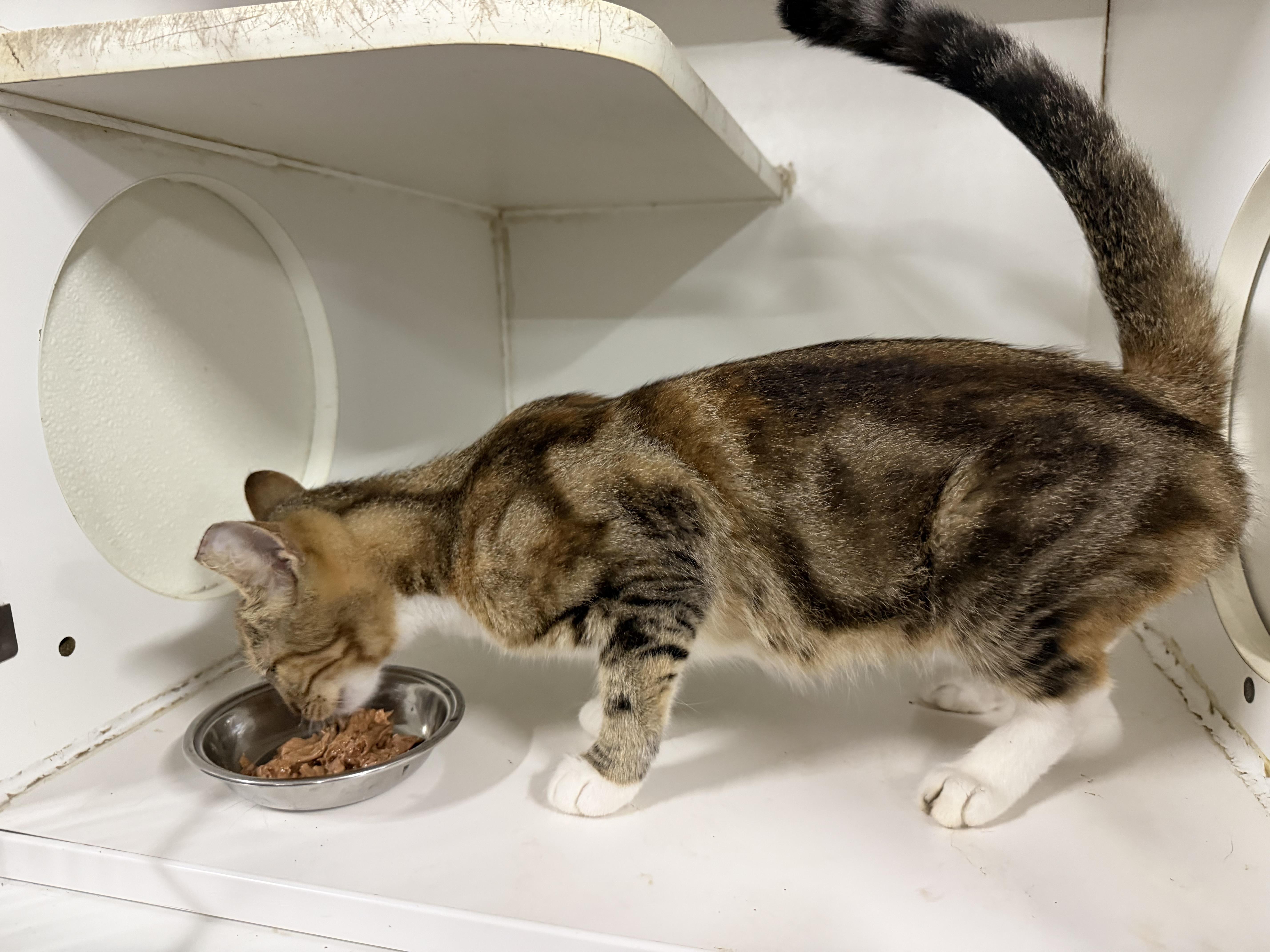
A torbie cat looks like a tortoiseshell with tabby markings. Its coat has patches or a blend of dark and orange colors, and stripes, swirls or spots show through, especially on the legs, tail and face. Many have the tabby M on the forehead. Body shape, fur length and eye color depend on the cat's breed or mix.

Many torbie cats are loyal in the way cats are: they bond with their people, follow them around and seek them out for attention. Research shows many cats form secure attachments to their caregivers, but there is no evidence that coat pattern affects that bond. A torbie's loyalty depends on its personality, socialization and the relationship you build together.

No, there is no evidence that torbies are prone to leg injuries. Coat color and pattern are not linked to bone or joint strength. Any cat can injure a leg from falls, rough play or accidents, and overweight cats face more joint strain. Limping, swelling or reluctance to jump in a torbie deserves a veterinary check, just as in any other cat.

Yes, torbie cats can be male, but it is very rare. Like tortoiseshells, a cat usually needs two X chromosomes to show both orange and black-based colors, and males normally have one. Most male torbies have an extra X chromosome and are typically sterile, and they may face additional health issues. Their care is otherwise the same as any cat.

We have 1 rescue with Torbies available: For The Love of Cats Rescue and Adoption. You can see every rescue with Torbies available in the list above these questions, or scroll to the top to see the Torbies near Walled Lake.

Find Torbies in Nearby Cities

Expand your search to find Torbies available for adoption near Walled Lake.