Domestic Long Hair Cats for Adoption in Baltimore, MD

Your guide to finding and caring for a Domestic Long Hair in Baltimore

Domestic Long Hairs fit Baltimore's rowhouse blocks well, because a cat needs stairs and windows more than square footage. In Hampden or Waverly, a two- or three-story rowhouse gives a cat a staircase to climb and a front sill to watch the street from. The coat is the real commitment: expect to brush a few times a week, and more when the shedding picks up. A cat that gets brushed regularly leaves far less fur on the couch.

6026 Domestic Long Hairs available in Baltimore and nationwide

Your Domestic Long Hair is waiting

Domestic Long Hairs Available for Adoption Near Baltimore

About the Domestic Long Hair breed

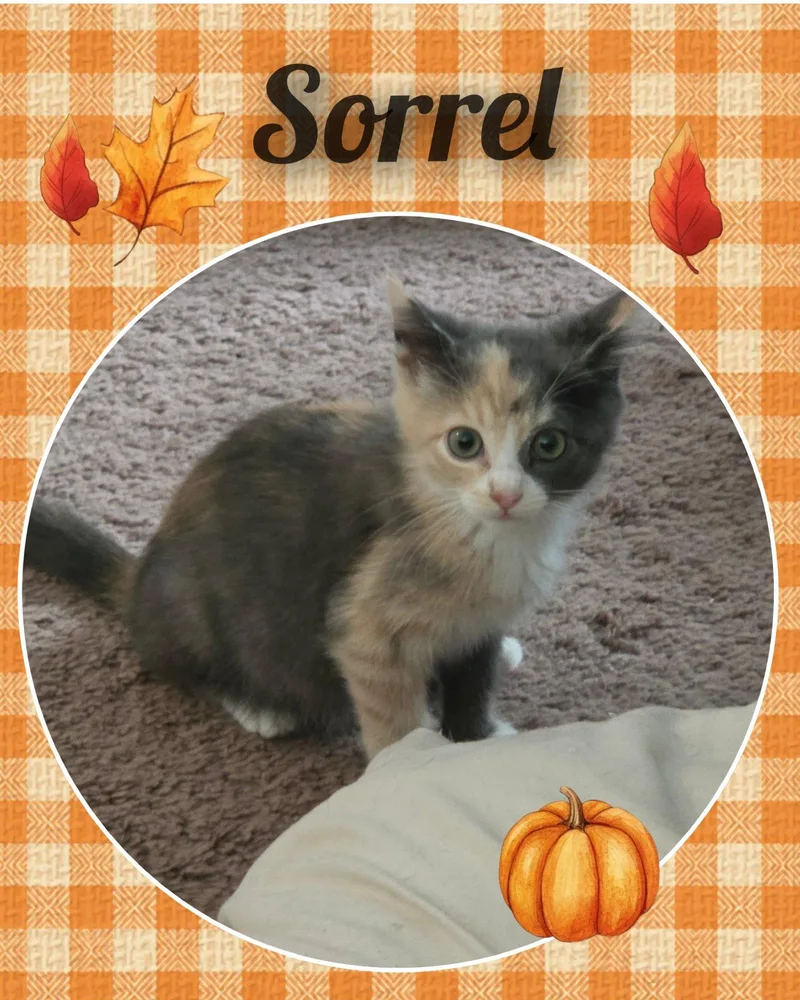
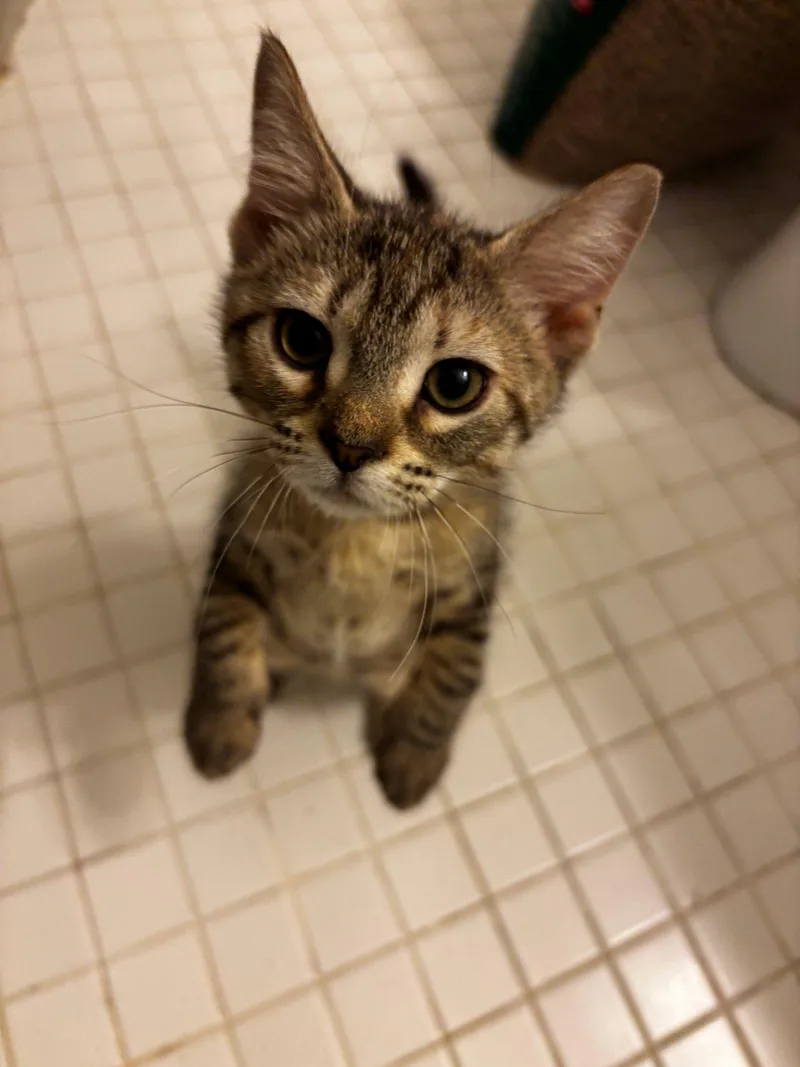
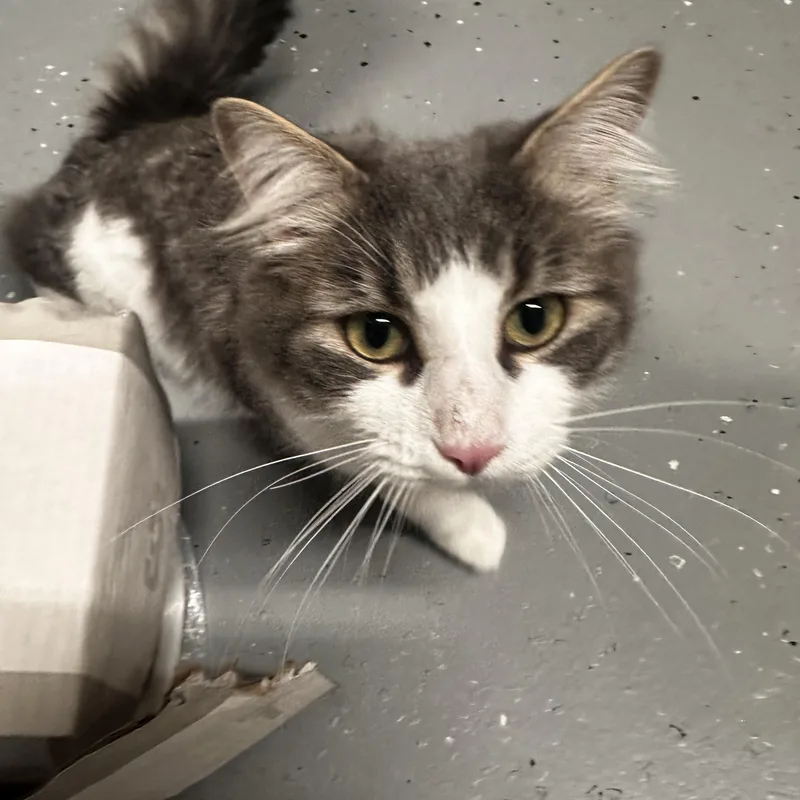
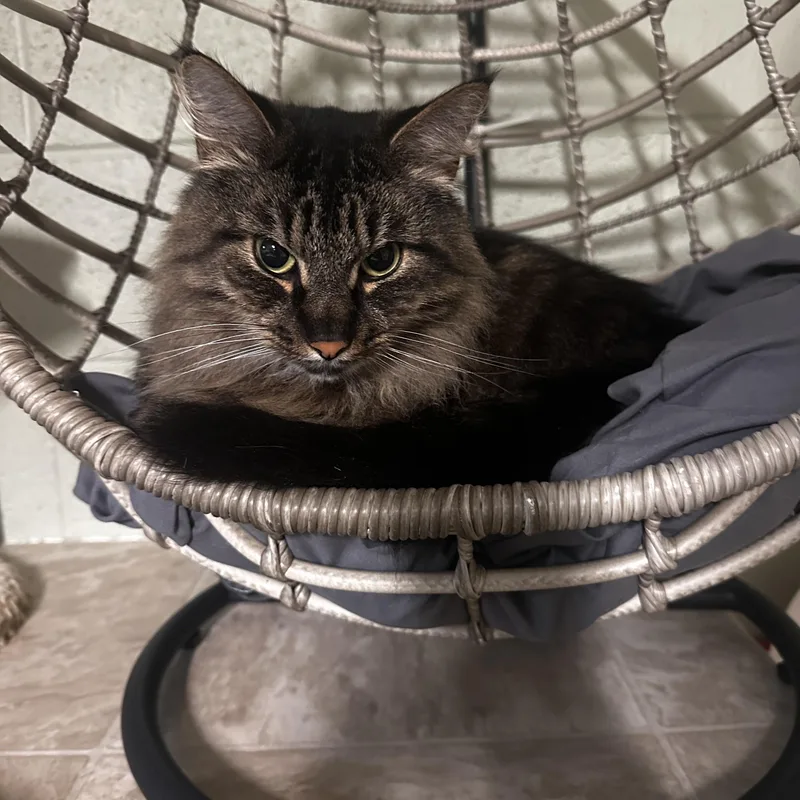
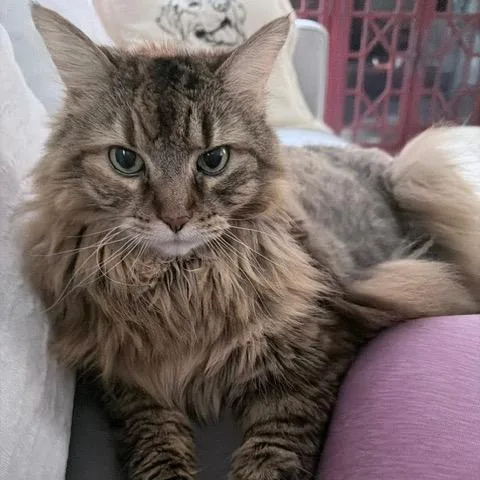
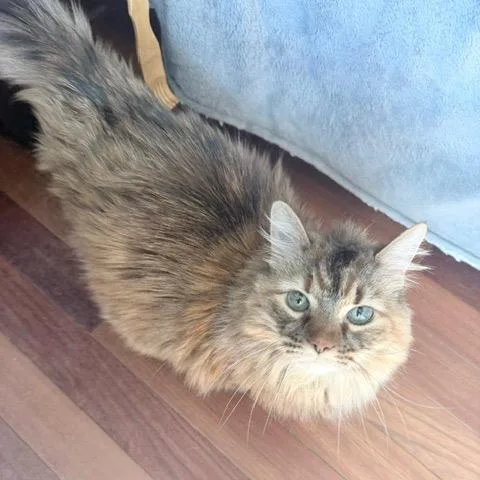
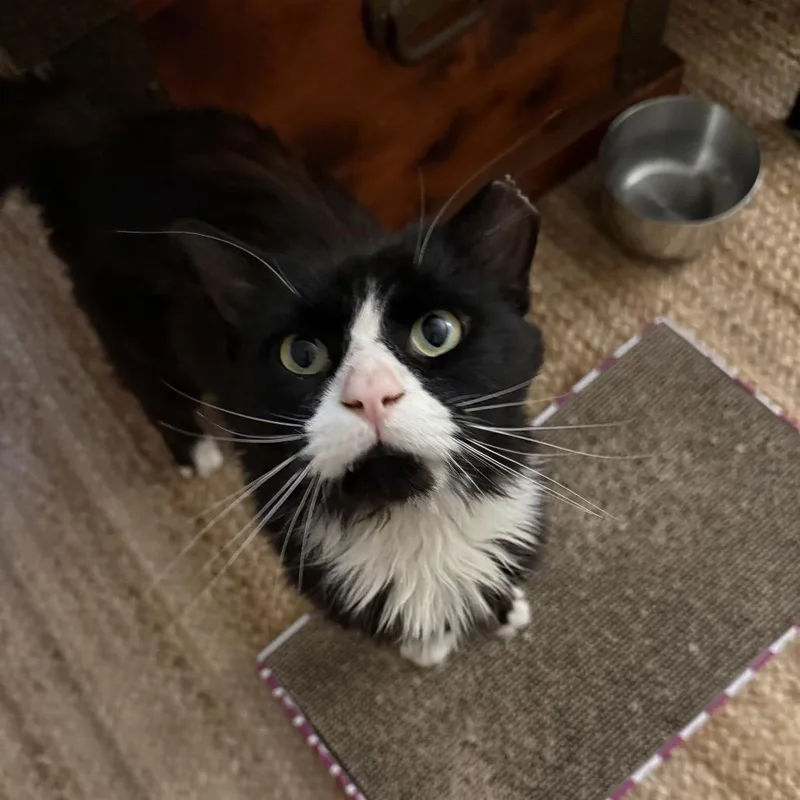
Domestic Long Hair is a coat description, not a pedigreed breed. It covers mixed-ancestry cats with medium to long fur, and they come in every color and pattern, from brown tabby and calico to solid black and smoke. Some have a ruff or ear tufts, and a few resemble a Maine Coon or Persian without sharing that ancestry.

Because there's no breed standard, size and personality vary a lot, though most adults weigh 8 to 15 pounds. What they share is fur that tangles without regular brushing. In Baltimore's four-season climate, expect heavier shedding as the seasons turn, so a brush and a lint roller will get regular use. Meeting the cat tells you more than the label does.

Weight
8–15 lbs
Height
8–11 in
Lifespan
12–18 yrs
Temperament
Adaptable, Affectionate, Gentle
Shedding
Moderate to High

Owning a Domestic Long Hair in Baltimore

Having a Domestic Long Hair in Baltimore

Domestic Long Hairs are defined by their coat, not a pedigree, so traits vary from cat to cat. In a Baltimore home, grooming, indoor enrichment and a steady vet routine matter more than any label.

Temperament

Personality comes from each cat's genes, early socialization and life so far, so shy, bold and mellow cats all turn up. Many are affectionate and adaptable once settled, which suits Baltimore's mix of busy rowhouse households and quieter apartments. Spend time with a cat before deciding, and allow a few weeks for a new arrival to adjust.

Exercise Needs

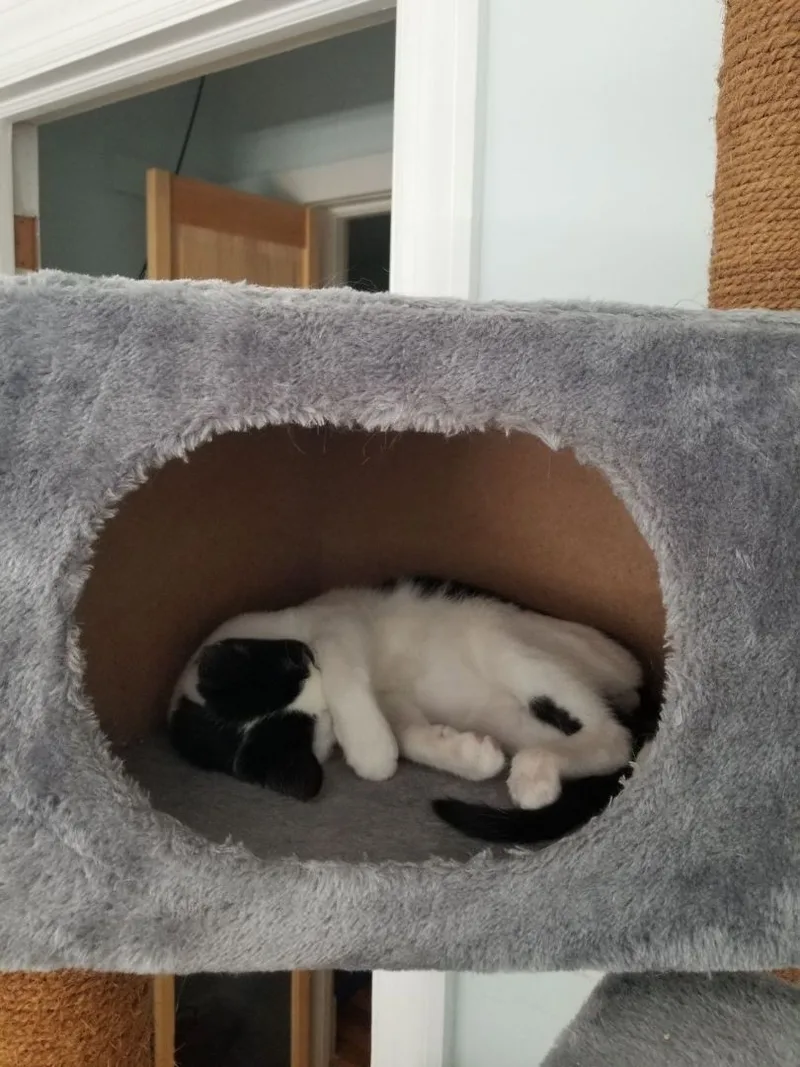
Most Domestic Long Hairs do well with two short play sessions a day using wand toys, balls or puzzle feeders. Indoor play does the work in Baltimore: rowhouse staircases, cat trees and window perches add climbing between sessions. Staying lean also helps, since an overweight longhaired cat can't groom itself well.

Health Considerations

Mixed ancestry brings broad genetic diversity and fewer breed-specific inherited problems. The common issues are coat-related: mats, hairballs and soiled fur, especially in older or overweight cats. Dental and kidney disease also turn up in cats generally. Because Baltimore's wildlife carries rabies, keep the vaccine current even for indoor cats, and ask a veterinarian about parasite prevention.

Living Space

Rowhouses and apartments both work, as long as there are litter boxes, scratching posts, hiding spots and something tall to climb. Baltimore's multi-story rowhouses give a cat plenty of vertical space, and indoor living protects the coat from burrs and the cat from traffic. A grooming routine matters more than square footage.

What it costs to own a Domestic Long Hair in Baltimore

ExpenseTypical costPer year
Adoption fee$145, one time$145 in year one
Food$25 to $50 per month$300 to $600
Pet insurance$20 to $45 per month$240 to $540
Routine vet care$150 to $350 per year$150 to $350
Other*$510 to $1,260 per year$510 to $1,260
Estimated yearly total (after year one)$1,200 to $2,750
First-year total (with adoption fee)$1,345 to $2,895

Adoption fee is the fee on Domestic Long Hair listings in Baltimore on GetBuddy today. Other costs are estimates and vary with size, age and health.

* The $10 Baltimore license for a spayed or neutered cat, litter, flea prevention, a dental cleaning allowance, toys and scratchers, and regular brushing for the long coat.

Adopt a Domestic Long Hair in Baltimore.

Now that you know more, let’s find you a new best friend. These rescues and shelters below currently have Domestic Long Hairs available.

Rescues in Baltimore with Domestic Long Hairs Available

Baltimore has an open-admission city shelter and nonprofit rescues, and long-haired cats of every color pass through them. Here are the rescues & shelters in the Baltimore area where you can find Domestic Long Hairs and other cats available for adoption.

Frequently Asked Questions

Yes. Domestic Long Hair is a coat type, not a regulated breed, and Baltimore's animal code has no breed-specific rules for cats. You'll need to license the cat once it's older than four months and keep its rabies vaccination current. The city sets no fixed limit on how many pets a household can keep, though your lease might.

Yes, Domestic Long Hairs adapt well to apartments and rowhouse flats, since cats need vertical space more than floor space. Make sure your lease allows cats and spells out any pet rent or fees, then set up a scratching post, a window perch and a litter box away from noisy appliances. Regular brushing keeps shed fur from building up.

Yes, for cats that live indoors. Mild spring and fall suit a thick coat, and winters are cold but manageable inside. Humid summer heat is the main concern, so run fans or air conditioning, provide cool resting spots and brush out loose fur. Have a plan for a cooler room in case a storm knocks out power.

Brush most Domestic Long Hairs a few times a week, and daily when the coat sheds heavily in spring and fall. Focus on the armpits, belly and behind the ears, where mats form first. A groomer visit for a stubborn mat fits within the Other line of the cost table, alongside litter and prevention.

Plan on a secure, closed carrier, and check MTA's current rules first. MDOT MTA publishes a pet rule only for Commuter Bus, where small pets must ride in closed containers carried by the owner, not placed on a seat or in the aisle. For Metro SubwayLink, Light RailLink and MARC, confirm the current rules before riding.

Almost certainly not. Maryland lets restaurants choose to allow dogs on outdoor patios, but that rule covers dogs, and pets generally aren't allowed in indoor dining areas. Only service animals have guaranteed access. A cat is far more comfortable at home, especially during Baltimore's hot, humid summers.

You can usually tell a kitten will have long hair by about three to four weeks old, when its fur looks noticeably fluffier than its littermates'. Look for longer tufts on the ears, between the toes and on the tail, plus a softer, fuller coat overall. The full adult coat, ruff and tail plume can take one to two years to develop.

Yes, long hair is a recessive trait in cats. A kitten needs two copies of a long-hair variant, usually in the FGF5 gene, one from each parent, to grow a long coat. Two shorthaired parents can produce longhaired kittens if both carry the variant, while a longhair bred to a cat with two short-hair copies produces only shorthaired kittens.

We have 2 rescues with Domestic Long Hairs available: Animal Allies Rescue Foundation (AARF) and Lucky Cat Rescue. You can see every rescue with Domestic Long Hairs available in the list above these questions, or scroll to the top to see the Domestic Long Hairs near Baltimore.

Plan on roughly $1,200 to $2,750 a year for a Domestic Long Hair in Baltimore. That covers food at $25 to $50 a month, insurance at $20 to $45 a month, routine vet care at $150 to $350 a year, and about $510 to $1,260 for everything else, including litter, prevention, dental care and the city license.

Explore Other Breeds in Baltimore

Looking for a different breed? Browse other cats available for adoption in Baltimore.