Dilute Tortoiseshell Cats for Adoption in Baltimore, MD

Your guide to finding and caring for a Dilute Tortoiseshell in Baltimore

A dilute tortoiseshell does well in a Baltimore rowhouse, where stairs and a front window give a cat plenty to climb and watch. Whether you're in a Hampden two-story or a Bolton Hill apartment, coat color says little about the cat, so go by how a particular cat handles noise, visitors and time alone. Some are chatty window-watchers, others claim the back bedroom. Fireworks around July 4 and New Year's get loud here, so set up a quiet room with a hiding spot.

278 Dilute Tortoiseshells available in Baltimore and nationwide

Meet your next Dilute Tortie

While we don't have enough cats near Baltimore, keep in mind that many rescues may offer transport.

Dilute Tortoiseshells Available for Adoption Near Baltimore

About the Dilute Tortoiseshell breed

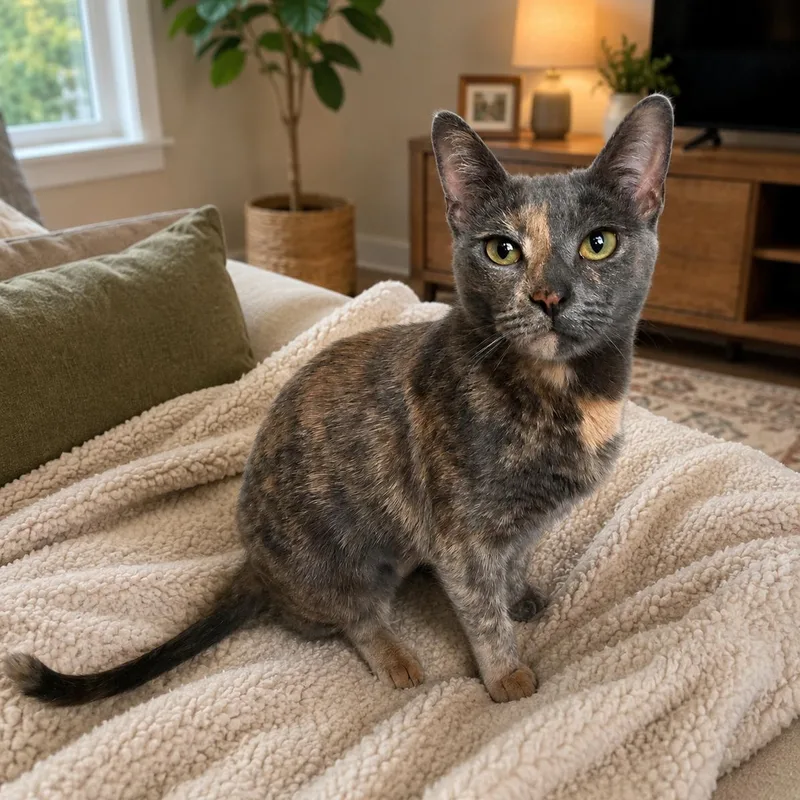
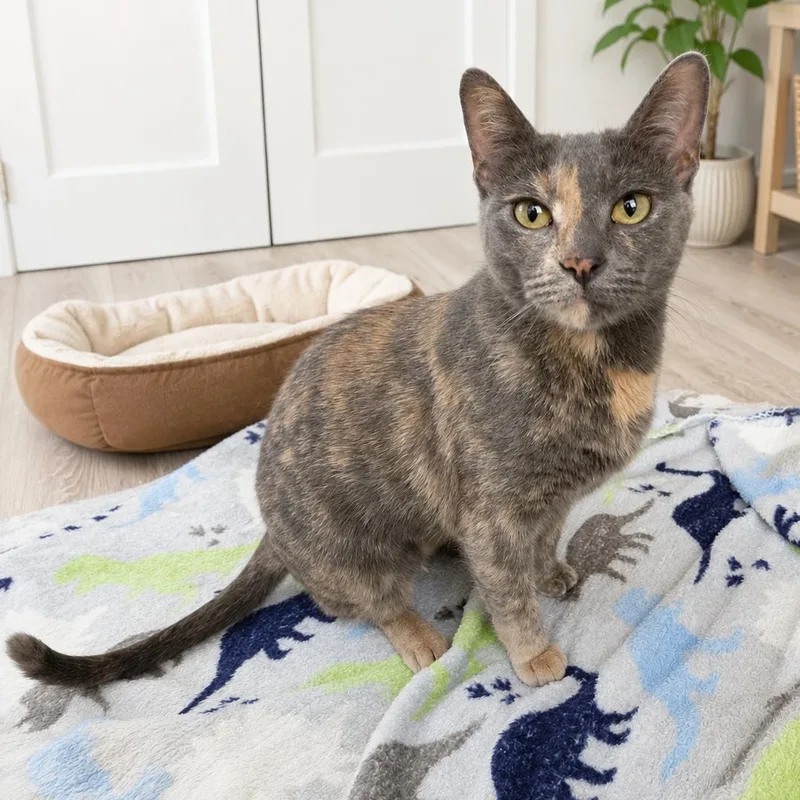
Dilute tortoiseshell is a coat pattern, not a breed. The blue-gray and cream patches, or a soft marbled blend, come from a recessive dilution gene, and the patchwork needs two X chromosomes, which is why nearly all dilute torties are female. Most are domestic shorthairs or longhairs, usually medium cats of 6 to 14 pounds that live 12 to 18 years.

The folklore about "tortitude" has little evidence behind it. Dilute torties run from shy to outgoing and from lap cats to independent explorers, so meeting the cat tells you far more than the color does. Shedding is moderate, and longhaired cats need regular brushing, which keeps fur from piling up in a small rowhouse.

Weight
6–14 lbs
Height
8–10 in
Lifespan
12–18 yrs
Temperament
Affectionate, Independent, Curious
Shedding
Moderate

Owning a Dilute Tortoiseshell in Baltimore

Having a Dilute Tortoiseshell in Baltimore

Because dilute tortoiseshell describes color rather than ancestry, most traits come from a cat's mix, age and history. These cards fit the typical indoor domestic cat in Baltimore, with plenty of variation from one cat to the next.

Temperament

Dilute torties run from timid to bold, and affectionate, independent and curious all show up. In a Baltimore rowhouse or apartment, a shy cat may need a quiet room and time to settle, while a confident one will enjoy window watching and visitors. Notice how a cat reacts to noise and handling when you meet.

Exercise Needs

Most indoor cats do well with two short play sessions a day using wand toys or balls, plus puzzle feeders. Rowhouse stairs, window perches and a cat tree add climbing. Kittens and young adults usually need the most activity, while seniors prefer gentler games. Rotate toys to keep a curious cat interested.

Health Considerations

The coat pattern itself carries no known health risk in female cats, while the rare males are usually XXY and may have added concerns. Checkups, dental care and a healthy weight matter most. Baltimore has had rabid raccoons and foxes in its wooded neighborhoods, so keeping vaccines current matters even for indoor cats.

Living Space

Dilute torties fit apartments and houses alike. Baltimore's narrow, multi-story rowhouses suit a cat that likes to climb, while apartments work well with perches and scratching posts. Quieter cats settle best in calm homes, and confident ones handle busy households. Longhaired cats need a regular brushing routine.

What it costs to own a Dilute Tortoiseshell in Baltimore

ExpenseTypical costPer year
Food$25 to $50 per month$300 to $600
Pet insurance$20 to $45 per month$240 to $540
Routine vet care$150 to $350 per year$150 to $350
Other*$460 to $1,180 per year$460 to $1,180
Estimated yearly total (after year one)$1,150 to $2,670

Other costs are estimates and vary with size, age and health.

* Litter, flea and tick prevention, a dental cleaning allowance, toys and supplies, home grooming, and the $10 to $30 Baltimore cat license.

Adopt a Dilute Tortoiseshell in Baltimore.

Now that you know more, let’s find you a new best friend. These rescues and shelters below have cats available in and near Baltimore.

Rescues and Shelters in or near Baltimore

Baltimore's shelters and rescues, including BARCS and the Maryland SPCA, help cats of every coat and temperament find homes. Here are the rescues & shelters in the Baltimore area with cats available for adoption, worth asking whether a Dilute Tortoiseshell is coming in.

Frequently Asked Questions

Yes. Baltimore has no breed restrictions for cats, and a dilute tortoiseshell is a coat color rather than a regulated breed. Plan to license the cat within 10 days of adopting it, or of the cat turning 4 months old, whichever is later, and bring the rabies vaccination record so the license can be issued.

Yes, most dilute torties adapt well to apartments. Give the cat vertical space, a window perch, scratching posts and daily play. Baltimore's rowhouse apartments often have stairs, which many cats enjoy. Quieter cats may prefer a calm building, so think about neighbors and noise. Confirm the lease allows cats before you commit.

Often, yes, especially for people who want an indoor companion in a rowhouse or apartment. A cat's temperament varies more than its coat, so choose one whose energy matches yours. Baltimore's fireworks nights and storm-related power outages are the main stressors, so a quiet room, a carrier and a few days of supplies help.

Yes, indoors with some planning. Humid heat and warm nights call for fans or air conditioning, shade and fresh water, and the city issues Code Red heat alerts when conditions turn dangerous. Watch for heavy panting. Brush longhaired cats more in summer, and have a cool room ready in case a storm knocks out power.

Probably only a small cat in a closed, secure carrier carried by you. MDOT MTA publishes a pet rule only for its Commuter Bus, which allows small pets in closed containers. For the Metro SubwayLink, light rail or MARC, check MTA's current rules before riding, and never let a cat out of the carrier.

Brush a shorthaired dilute tortie about once a week and a longhaired one three or four times a week to prevent mats. Shedding rises in spring and fall as the weather changes. Brushing at home costs little and is counted in the yearly Other costs. Humid summers can make mats form faster in longer coats.

A tortoiseshell cat is a cat with a coat pattern, not a breed, that mixes black-based and orange-based colors in patches or a mottled blend with little or no white. The dilute version shows blue-gray and cream instead. The pattern appears in domestic shorthairs and many purebreds, and because of its genetics nearly all tortoiseshells are female.

Almost all tortoiseshell cats are female, but not every single one. The orange and black color genes sit on the X chromosome, and a cat needs two X chromosomes to show both colors together. Females have two, so they can be torties. A tortoiseshell male is possible only through rare genetic exceptions, such as carrying an extra X chromosome.

No, tortoiseshell cats are not rare. The pattern is common among domestic cats, and shelters regularly have torties available for adoption. What is rare is a male tortoiseshell, which occurs in only about one in every few thousand. Dilute torties are less common than standard black-and-orange ones because dilution is recessive, but they are far from unusual.

Expect roughly $1,150 to $2,670 a year for a dilute tortie in Baltimore, including insurance. Food runs $25 to $50 a month and insurance $20 to $45. Routine vet care is $150 to $350 a year, and litter, parasite prevention, dental care, supplies and the city license add $460 to $1,180. Illness and emergencies cost extra.