Chinchilla Cats for Adoption in Baltimore, MD

Your guide to finding and caring for a Chinchilla in Baltimore

A Chinchilla cat suits a Baltimore rowhouse well, especially a quiet one. The three-story rowhouses of Bolton Hill and Station North give a calm, flat-faced cat a sunny windowsill and a staircase to nap on, with little need to roam. A Chinchilla asks for a daily comb, a gentle routine and a cool spot when July gets sticky. If you're thinking of adopting one in Baltimore, it fits people who like a peaceful home and enjoy grooming time.

224 cats similar to Chinchilla available in Baltimore and nationwide

Give a Chinchilla cat a home

Chinchillas and Similar Breeds Available for Adoption Near Baltimore

About the Chinchilla breed

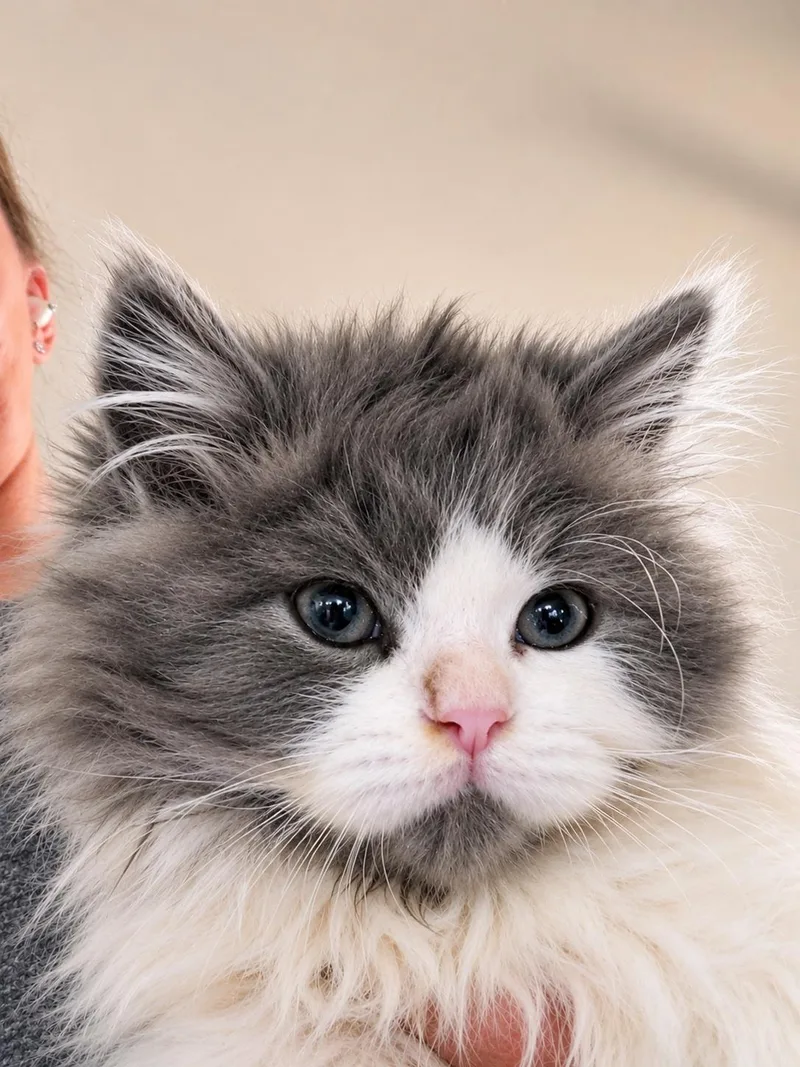
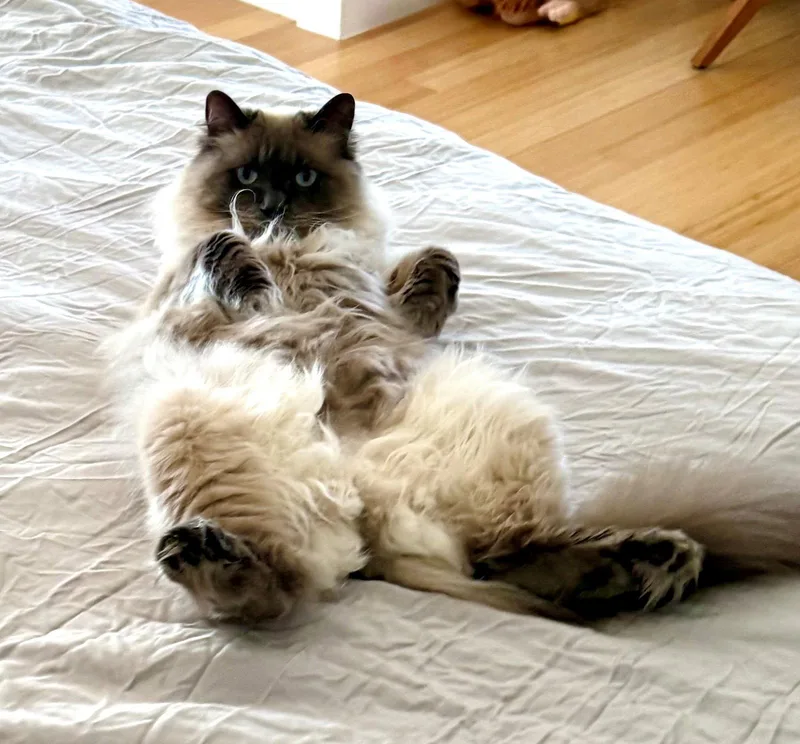
The Chinchilla look comes from Persian ancestry: long white fur tipped with dark pigment, green or blue-green eyes and a soft, rounded face. Kittens often show faint tabby markings that fade as the tipped coat develops, and their eyes start blue before turning green. Most registries treat chinchilla as a Persian color, so many Chinchilla cats in shelters are Persians or Persian mixes.

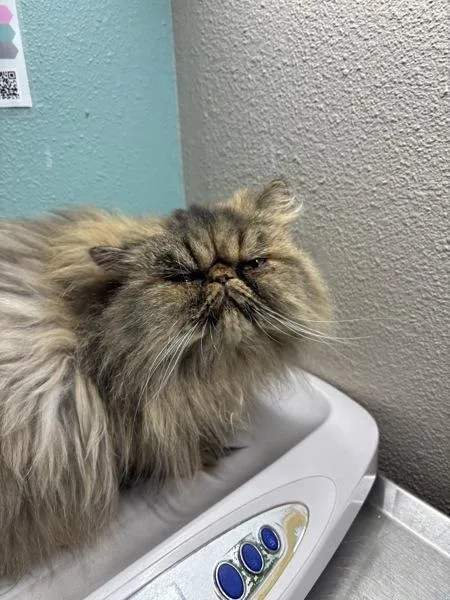
The biggest practical factor is the coat. Expect daily combing, face cleaning and the occasional bath, plus sanitary trims, which keep long fur from matting in humid weather. Chinchillas tend to be placid and quiet, though each cat has its own personality. They usually do best in calm homes where the routine stays predictable.

Weight
7–12 lbs
Height
10–15 in
Lifespan
12–15 yrs
Temperament
Calm, Gentle, Sweet, Quiet
Shedding
High

Owning a Chinchilla in Baltimore

Having a Chinchilla in Baltimore

A Chinchilla's silver coat comes with a relaxed, mostly indoor lifestyle. These cards cover temperament, play, health and home setup, with Baltimore's rowhouses and humid summers in mind. Each cat varies, so treat them as typical patterns, not promises.

Temperament

Chinchillas tend to be placid, sweet and quiet, happy to lounge near their people instead of climbing the curtains. Many like gentle petting and a steady routine, and some hide from loud noise or boisterous visitors. In a Baltimore rowhouse with shared walls, that low-key nature is a plus, though every cat differs.

Exercise Needs

Plan on a few short play sessions a day with wand toys, rolling balls or treat puzzles. Chinchillas aren't big jumpers, so low cat trees and a sunny windowsill perch work well. Keep play gentle in warm rooms, since flat-faced cats overheat easily, and stick to indoor play rather than roaming Baltimore's streets.

Health Considerations

Persian-type cats can inherit polycystic kidney disease, and flatter faces bring risks of breathing trouble, tear staining, eye problems and dental crowding. Heart disease also turns up. Wipe the eyes daily and have a veterinarian check the kidneys, heart and teeth. Keep the rabies vaccine current, since rabid raccoons and foxes have turned up in Baltimore.

Living Space

A Chinchilla suits apartments and Baltimore's multi-story rowhouses, needing a comfortable resting spot, an easy-to-reach litter box and grooming space more than room to roam. Put a litter box on each level so stairs never become a barrier, and keep the home cool. Busy, noisy households may stress more sensitive cats.

What it costs to own a Chinchilla in Baltimore

ExpenseTypical costPer year
Food$25 to $50 per month$300 to $600
Pet insurance$30 to $60 per month$360 to $720
Routine vet care$150 to $350 per year$150 to $350
Other*$810 to $2,030 per year$810 to $2,030
Estimated yearly total (after year one)$1,620 to $3,700

Other costs are estimates and vary with size, age and health.

* The $10 to $30 Baltimore cat license, litter, professional grooming or sanitary clips, flea prevention, a dental cleaning allowance, daily eye and face care supplies, and toys.

Adopt a Chinchilla in Baltimore.

Now that you know more, let’s find you a new best friend. These rescues and shelters below have cats available in and near Baltimore.

Rescues and Shelters in or near Baltimore

Baltimore's rescue community includes the city's open-admission shelter and private nonprofits, all working to place cats in loving homes. Here are the rescues & shelters in the Baltimore area with cats available for adoption, worth asking whether a Chinchilla is coming in.

Frequently Asked Questions

Yes, Baltimore has no breed-specific rules for cats, and the city sets no fixed limit on how many pets a household can have. You'll need a city license once the cat is 4 months old, plus a current rabies vaccination. Leases are the more common limit, so confirm the pet policy before you adopt a Chinchilla.

Yes, a Chinchilla's calm, quiet nature suits apartments, from older Mount Vernon buildings to rowhouses split into units. It needs a resting spot, an easy-to-reach litter box and room to be combed, and daily play with wand toys covers exercise. Choose a unit with reliable air conditioning, since flat-faced cats struggle in heat.

It can be, especially for people who want a quiet companion and enjoy daily grooming. Baltimore's rowhouses and apartments suit an indoor cat, and summers just call for steady air conditioning. Loud neighborhood fireworks around July 4 can unsettle sensitive cats, so set aside a calm room with a hiding spot.

Yes, indoors with cooling. Baltimore summers are humid, with highs in the upper 80s and some days at 90°F or more, which is hard on flat-faced cats. Keep rooms cool, offer fresh water and skip outdoor time. Open-mouth breathing, drooling or weakness means a veterinarian right away.

Plan on daily combing, regular baths and daily eye and face wiping. Baltimore's humid summers and dry heated winters can both encourage tangles, so don't skip days. Many owners add professional grooming or sanitary clips, which falls under the yearly Other costs shown on this page and usually runs a few hundred dollars.

A Chinchilla should travel in a closed carrier. MDOT MTA publishes a rule for Commuter Bus: small pets in closed containers, carried by the owner and not placed on a seat or in the aisle. For the subway, light rail, local buses and MARC, check MTA's current rules before riding.

A Chinchilla cat is typically a Persian, or Persian-type longhair, with a silver-tipped coat: white hair with black only at the very tips, which gives a sparkling silver effect. Most registries consider it a Persian color variety rather than a separate breed. Chinchillas usually have green or blue-green eyes outlined in dark pigment and the Persian's calm, gentle personality.

Chinchilla cats typically live about 12 to 15 years, similar to other Persians, and some reach their late teens with good care. Insurance data suggests Persians as a group have a median lifespan somewhat over 12 years. Kidney disease is a major factor, so screening, a healthy weight and regular veterinary checkups help a Chinchilla live as long as possible.

Yes, Chinchilla cats often make lovely pets for calm households. Many are affectionate, quiet and gentle, happy to lounge near their people and undemanding about activity. The trade-offs are significant grooming, a tendency toward eye and breathing issues linked to their flatter faces, and possible kidney disease. They suit adopters who enjoy daily grooming routines and a peaceful home.

Expect roughly $1,600 to $3,700 a year for a Chinchilla in Baltimore, counting food, insurance, routine vet care and other costs. Grooming is the biggest swing item, followed by litter, flea prevention and dental care. The total shifts with how much professional grooming the coat needs and whether you insure.