Chartreux Cats for Adoption in Baltimore, MD

Your guide to finding and caring for a Chartreux in Baltimore

A Chartreux fits a Baltimore rowhouse well, especially one with a deep front window. In Bolton Hill or Charles Village, a quiet cat that follows you from room to room doesn't need much square footage, just a cat tree and a perch for watching the street. Chartreux play in short bursts and gain weight easily, so a few minutes with a wand toy each evening matters more than a big floor plan.

16 Chartreuxes available in Baltimore and nationwide

Say hello to your Chartreux

While we don't have enough cats near Baltimore, keep in mind that many rescues may offer transport.

Chartreuxes Available for Adoption Near Baltimore

About the Chartreux breed

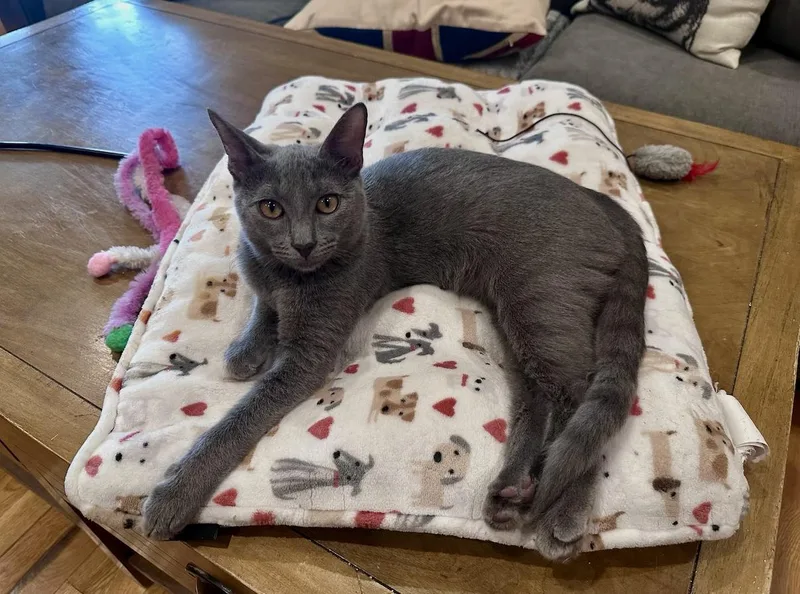
The Chartreux is a French breed whose blue-gray ancestors show up in sixteenth-century writing. It nearly disappeared after World War I and was rebuilt in the 1920s from natural colonies of blue cats on Belle-Île-en-Mer. The coat is always blue, dense, woolly and water-resistant, paired with gold to copper eyes and a sturdy body on fairly short legs.

Most Chartreux are calm and quietly devoted, and some are nearly silent, speaking mostly in soft chirps. Maturity is slow, often three to five years, and the thick coat sheds more in spring and fall. That low-key personality tends to suit Baltimore's rowhouses and apartments, though each cat's comfort level and history say more than breed averages.

Weight
7–14 lbs
Height
9–11 in
Lifespan
12–15 yrs
Temperament
Quiet, Loyal, Calm, Gentle
Shedding
Moderate

Owning a Chartreux in Baltimore

Having a Chartreux in Baltimore

Chartreux are sturdy, plush-coated cats with a hushed voice and a watchful, steady nature. Short play bursts, seasonal shedding and a tendency to gain weight shape what daily life looks like, including in a compact Baltimore home.

Temperament

Many Chartreux are calm and gentle, often attaching to one favorite person and following them around the house. That works well in a quiet Baltimore apartment or rowhouse. They often watch newcomers before warming up, so introduce visitors and other pets gradually. Each cat differs, so spend time getting to know the cat's own personality.
Exercise Needs

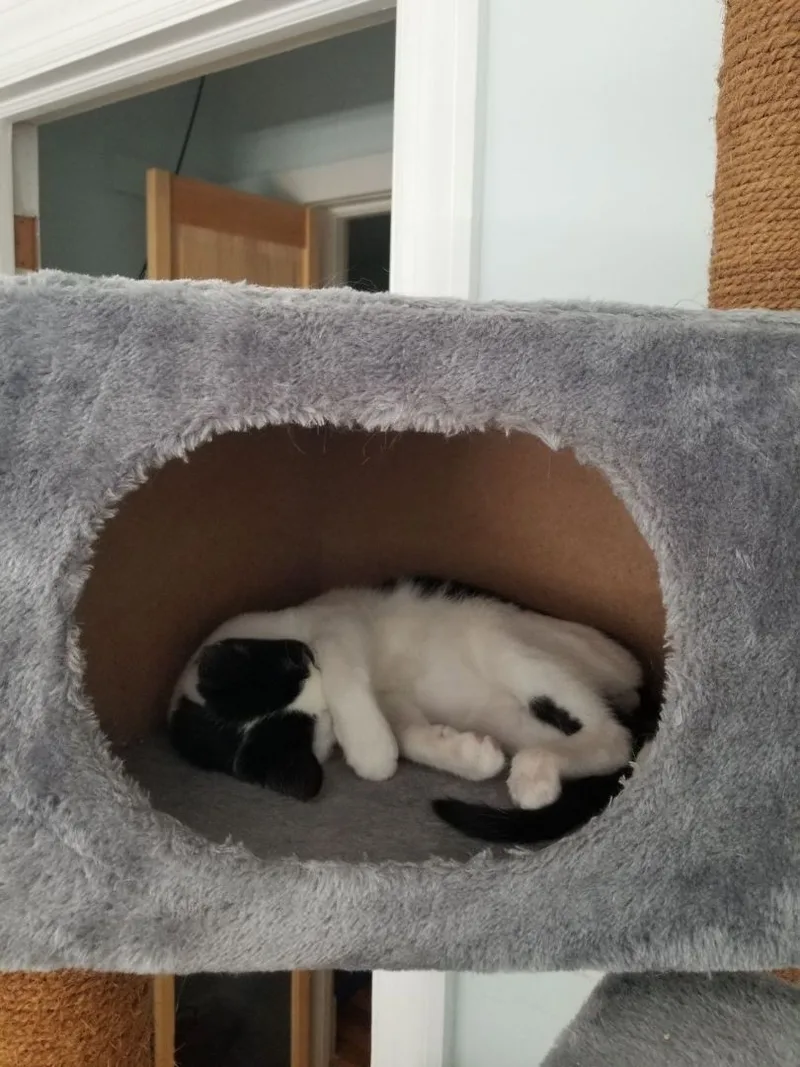
Expect short, intense play sessions rather than constant activity. Wand toys, feathers and toy mice suit their hunting instinct, and food puzzles add mental work. In a rowhouse, a tall cat tree and a window perch over the street give them somewhere to climb and watch. Daily play helps prevent the weight gain this sturdy breed is prone to.

Health Considerations

Chartreux are generally hardy, but patellar luxation, a kneecap that slips out of place, is documented in the breed, and dental disease and weight gain are common concerns. Measured meals and play help. Baltimore requires a rabies vaccine by 4 months, and a veterinarian can check the knees and teeth at the first visit.

Living Space

A Chartreux usually does well in a rowhouse, a downtown apartment or a house, as long as there's a cat tree and a window perch. Stairs in a Baltimore rowhouse add vertical room to explore. Indoor living also keeps the cat away from traffic and from raccoons and foxes in wooded neighborhoods. Steady routines help when you're out.

What it costs to own a Chartreux in Baltimore

ExpenseTypical costPer year
Food$25 to $50 per month$300 to $600
Pet insurance$25 to $50 per month$300 to $600
Routine vet care$150 to $350 per year$150 to $350
Other*$460 to $1,180 per year$460 to $1,180
Estimated yearly total (after year one)$1,210 to $2,730

Other costs are estimates and vary with size, age and health.

* Litter, parasite prevention, a dental cleaning allowance, toys and scratchers, brushing supplies for seasonal shedding, and the $10 to $30 Baltimore cat license.

Adopt a Chartreux in Baltimore.

Now that you know more, let’s find you a new best friend. These rescues and shelters below have cats available in and near Baltimore.

Rescues and Shelters in or near Baltimore

Baltimore's open-admission city shelter and private nonprofit rescues list cats of every age and type for adoption. Here are the rescues & shelters in the Baltimore area with cats available for adoption, worth asking whether a Chartreux is coming in.

Frequently Asked Questions

Yes, you can get a Chartreux in Baltimore, and the city has no breed restrictions. Every cat over 4 months needs a city license ($10 a year if spayed or neutered) and a current rabies vaccination. Chartreux are uncommon, so watch the listings on this page and save a search to hear when one appears.

Yes, Baltimore's climate suits a Chartreux well, mainly because the cat lives indoors. The dense coat handles cold winters easily. Summers are humid, with about 43 days a year at 90°F or higher at the harbor, so keep the home cool, offer fresh water and plan a cool room for storm-related power outages.

Yes, a Chartreux usually does well in a Baltimore apartment. The breed is quiet, moderately active and content with a cat tree and a window perch. Because so many Baltimore homes are rentals, read the lease for pet fees and limits before you adopt, and confirm what the building allows.

A Chartreux can fit Baltimore well if you're home a fair amount. The cat is calm and quiet, tolerates some time alone, and bonds closely with its household. It does need daily play to stay lean and a cool home in July and August. Rowhouse stairs and window ledges give plenty of places to climb and watch.

Brush a Chartreux once or twice a week, and daily during the spring and fall sheds when the dense, woolly coat loosens. Baltimore's humid summers don't call for trimming, and professional grooming usually isn't needed, so costs stay in brushing supplies, counted within the $460 to $1,180 yearly Other line.

Baltimore's Metro SubwayLink is a true subway, but MTA's published pet rule covers only Commuter Bus, where small pets must ride in a closed container held by the owner. For the subway, check MTA's current rules before riding, and plan on a secure carrier on your lap, since a loose cat isn't safe.

Yes, Chartreux cats are rare, especially outside France. Relatively few are registered each year in the United States, and they seldom appear in shelters. Many blue-gray shelter cats are domestic shorthairs or mixes rather than Chartreux. Breed rescues and cat rescues occasionally have adult Chartreux available, so watching listings regularly helps.

Chartreux is pronounced shar-TROO in French, and many English speakers say shar-TREW. The name may come from the Carthusian monks of the Grande Chartreuse monastery, though some historians link it to a Spanish wool. Whichever origin is true, the breed's name is tied to its French homeland.

You can identify a Chartreux by its solid blue-gray woolly coat, gold to copper eyes, sturdy muscular body on fairly short legs and a rounded head with a tapered muzzle that looks like a smile. Look-alikes include Russian Blues, which have green eyes and a sleeker coat, and British Shorthairs, which are rounder. Pedigree papers confirm a purebred.

Expect roughly $1,210 to $2,730 a year for a Chartreux in Baltimore: food about $300 to $600, insurance $300 to $600, routine vet care $150 to $350, and $460 to $1,180 for litter, parasite prevention, dental care, supplies and the city license. Illness and emergencies cost extra.