British Shorthair Cats for Adoption in Baltimore, MD

Your guide to finding and caring for a British Shorthair in Baltimore

British Shorthairs fit Baltimore rowhouse life well, even in a narrow Bolton Hill or Waverly block. They're calm enough to be happy with a front-window perch and a low cat tree, and they'll follow you from room to room without asking for a lap. What they do need is short daily play and measured meals, because the breed gains weight easily once it's grown. Summer humidity is the one thing to plan around, since that dense coat holds heat.

98 British Shorthairs available in Baltimore and nationwide

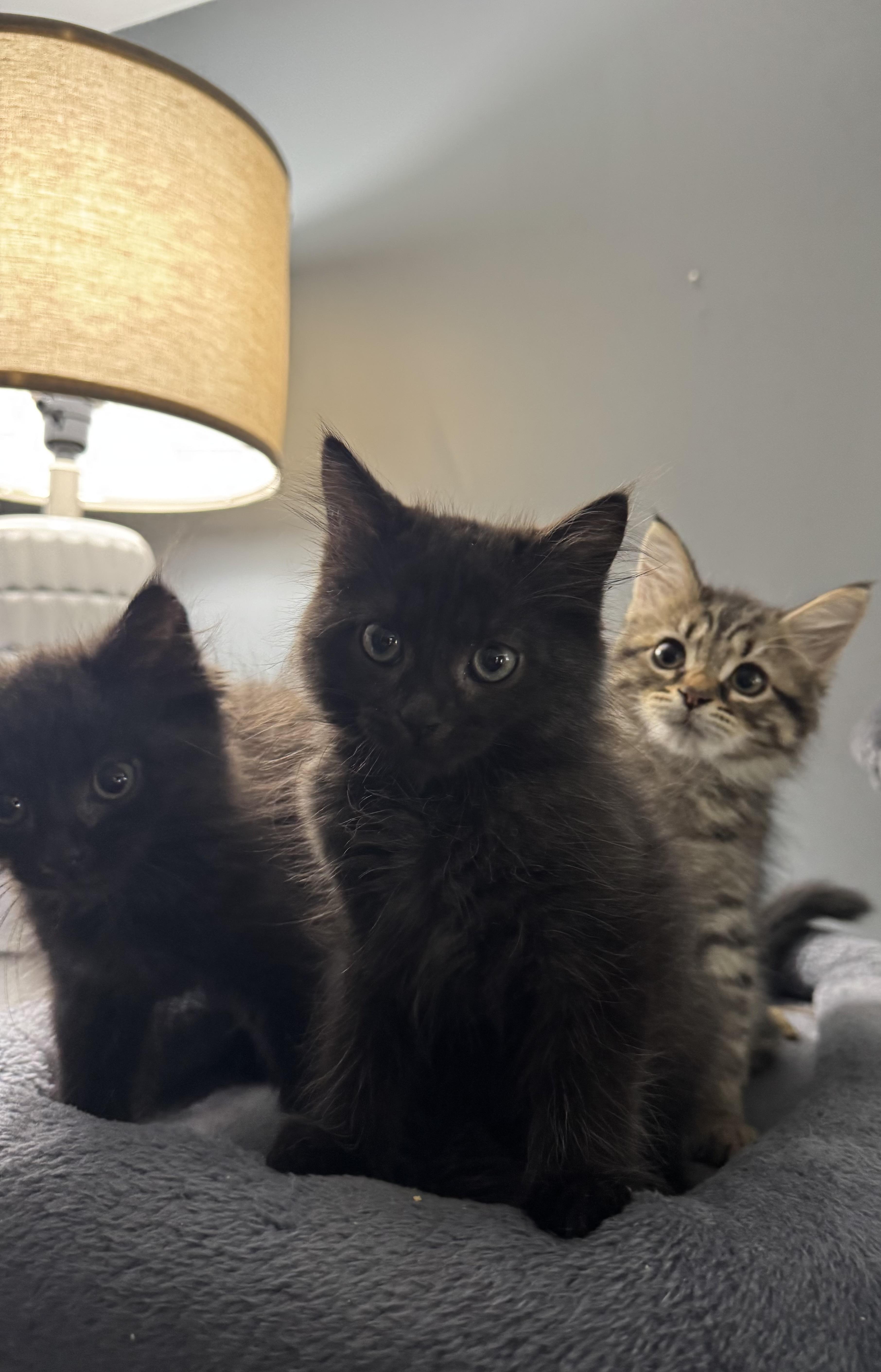
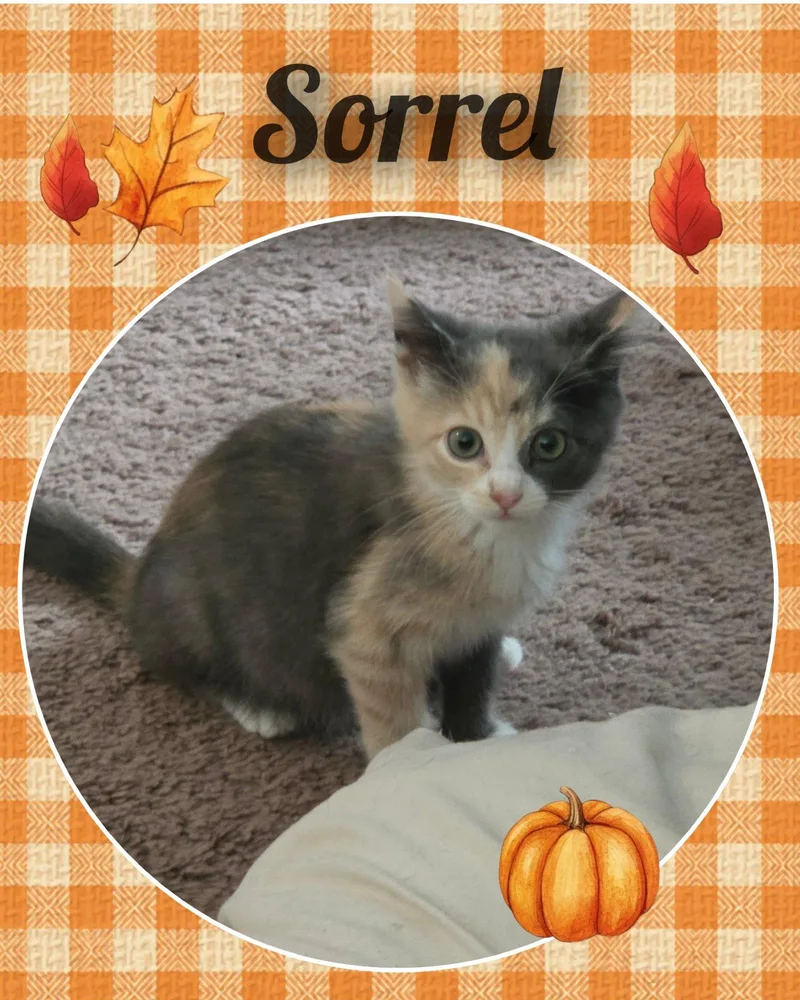
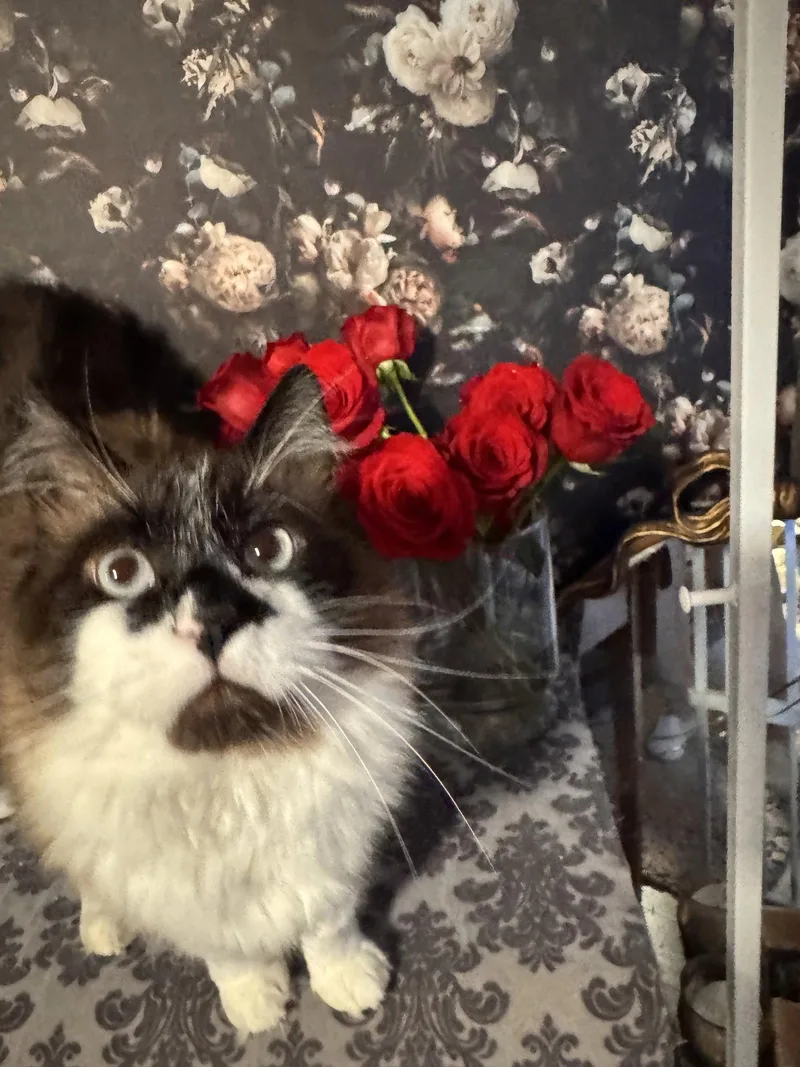
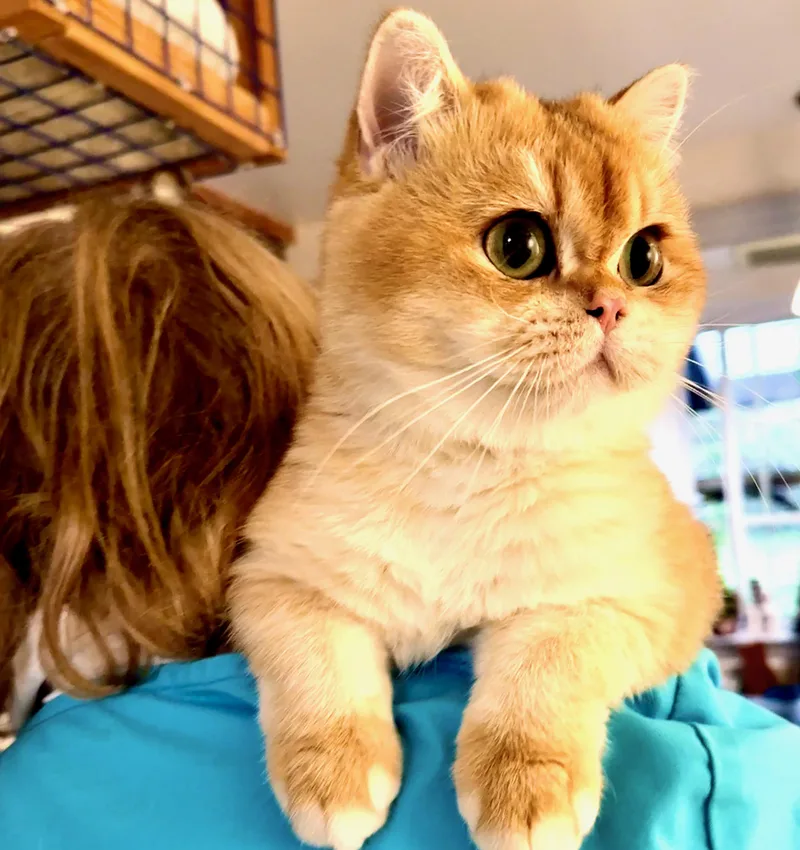
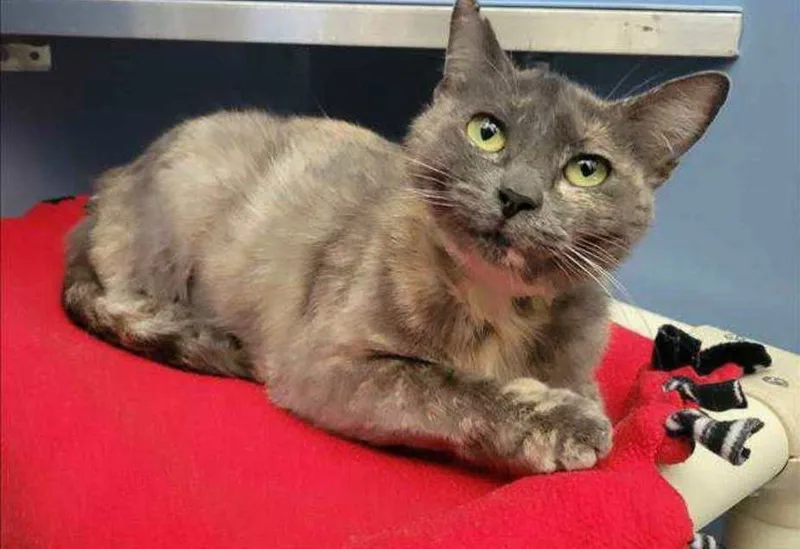
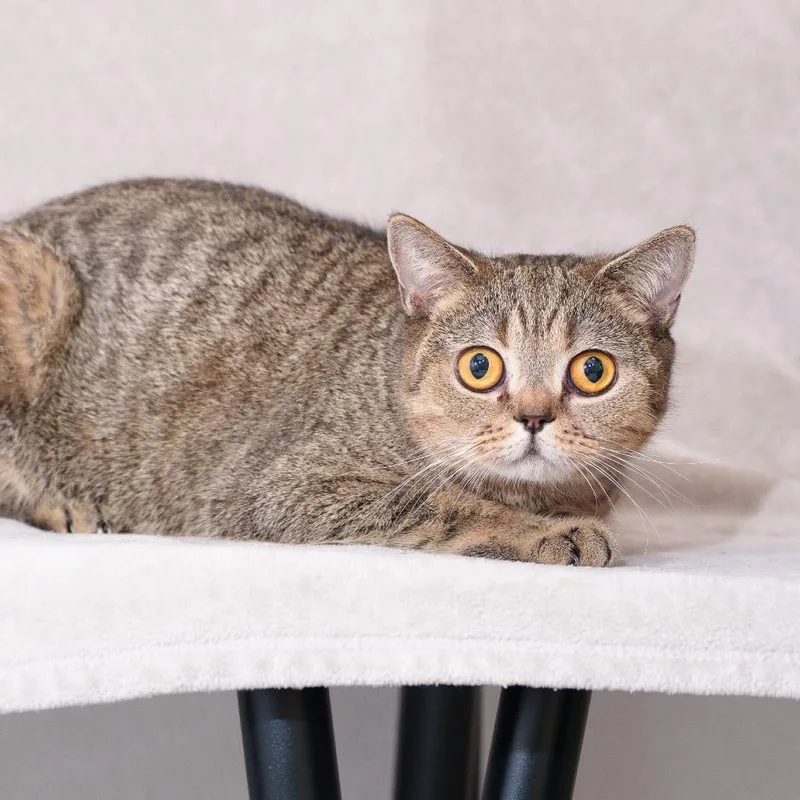
Meet a British Shorthair who needs you

While we don't have enough cats near Baltimore, keep in mind that many rescues may offer transport.

British Shorthairs Available for Adoption Near Baltimore

About the British Shorthair breed

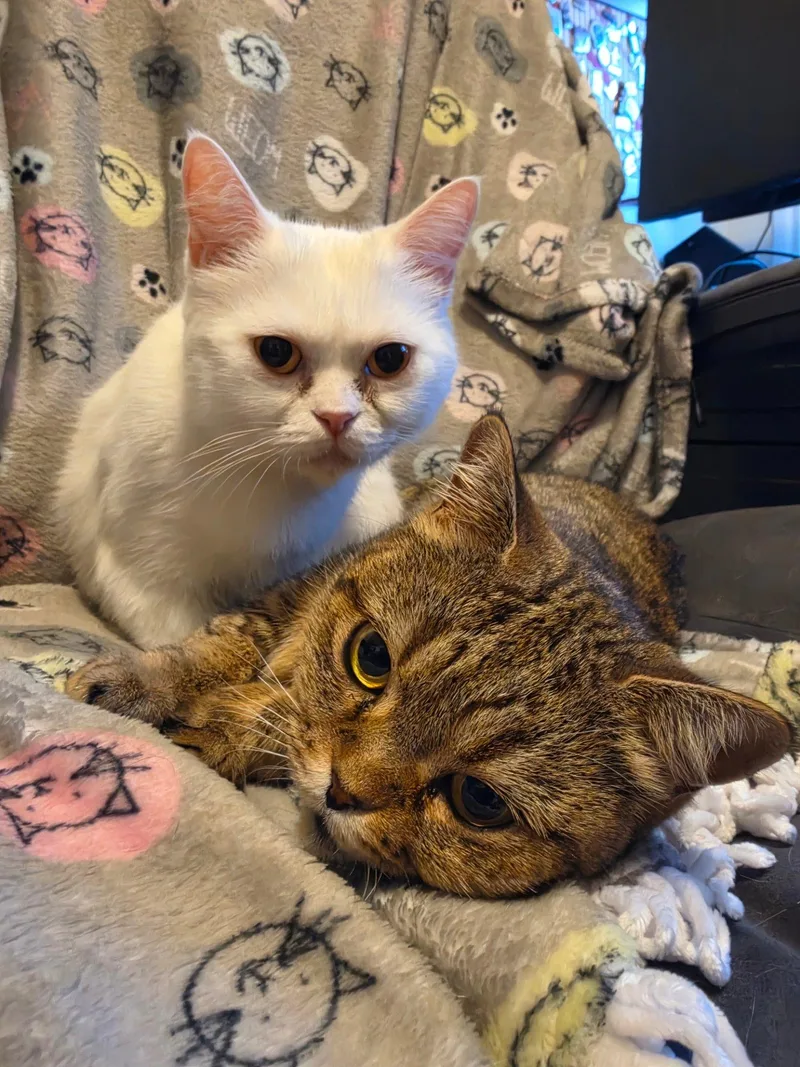
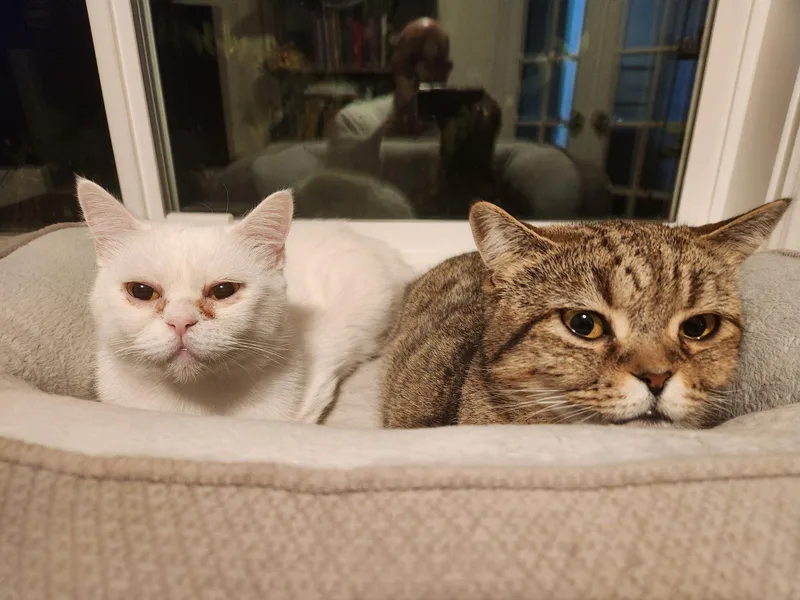
The British Shorthair is a round-faced, thick-bodied cat with one of the densest coats in the cat world. It grew from the working street and farm cats of Britain and appeared at the first organized cat show in London in 1871. Blue with copper eyes is the classic look, but the breed comes in dozens of colors and patterns, and adults range from about 7 to 17 pounds, with males usually the heaviest.

Many are quiet, steady companions that stay near their people without demanding attention. Most dislike being carried and prefer play that keeps four feet on the floor. They mature slowly, often not filling out until about age three, so a young cat may look less plush than the breed's reputation. Plan for weekly brushing, careful portions and regular veterinary attention to heart and kidney health.

Weight
7–17 lbs
Height
12–14 in
Lifespan
12–17 yrs
Temperament
Calm, Easygoing, Affectionate
Shedding
Moderate

Owning a British Shorthair in Baltimore

Having a British Shorthair in Baltimore

Steady and unhurried, with a sturdy build, a dense shedding coat and a hearty appetite, the British Shorthair adapts easily to indoor city life. Heart and kidney risks are worth planning for, so build in weight control and regular checkups from the start.

Temperament

Many British Shorthairs are even-tempered and quiet, happy to supervise from a nearby chair rather than claim a lap. In a busy rowhouse with visitors and street noise, they often stay unfazed, though some are reserved with strangers at first. Most dislike being carried. Each cat is different, and a rescued cat's past shapes its comfort more than the breed does.
Exercise Needs

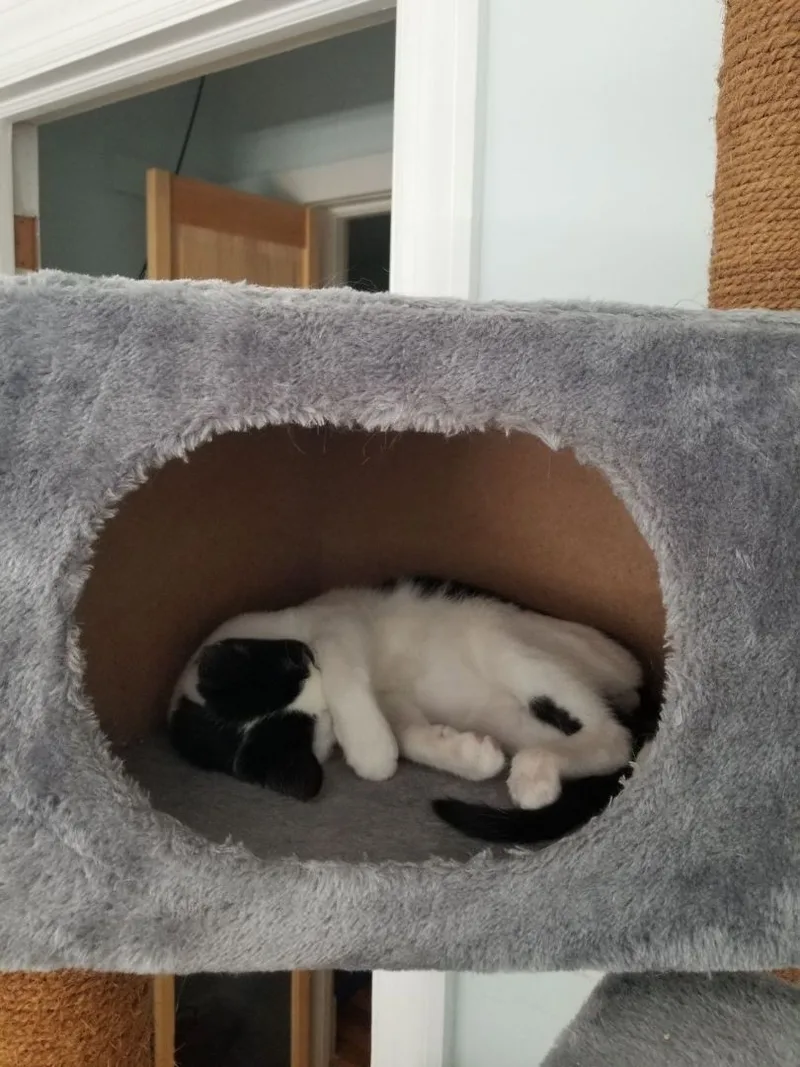
Two or three short play sessions a day usually do it: wand toys, toy mice and puzzle feeders at floor level. In a Baltimore rowhouse, a hallway or stairway chase can stand in for a yard. Keep it regular, because British Shorthairs gain weight easily as adults, and steady activity matters more than intensity.

Health Considerations

Hypertrophic cardiomyopathy, a thickening of the heart muscle that is more common in males, and polycystic kidney disease are documented in the breed, along with obesity and dental disease. Many British Shorthairs have blood type B, which matters for transfusions. Heart and kidney problems can be silent, so have a veterinarian discuss screening after adoption.

Living Space

A British Shorthair does well in a rowhouse, a downtown condo or an apartment in an older converted building. It isn't a climber, so a low cat tree, a sturdy scratching post and a window perch cover its needs. Keep it indoors; this placid, slow-to-flee cat is safest away from traffic and wildlife.

What it costs to own a British Shorthair in Baltimore

ExpenseTypical costPer year
Food$30 to $60 per month$360 to $720
Pet insurance$30 to $65 per month$360 to $780
Routine vet care$150 to $350 per year$150 to $350
Other*$460 to $1,160 per year$460 to $1,160
Estimated yearly total (after year one)$1,330 to $3,010

Other costs are estimates and vary with size, age and health.

* Litter, flea prevention, a dental cleaning allowance, toys, scratchers and other supplies, weekly home brushing, and the $10 Baltimore license for a spayed or neutered cat.

Adopt a British Shorthair in Baltimore.

Now that you know more, let’s find you a new best friend. These rescues and shelters below have cats available in and near Baltimore.

Rescues and Shelters in or near Baltimore

BARCS, the city's open-admission shelter, and private nonprofits like the Maryland SPCA help Baltimore cats find homes. Here are the rescues & shelters in the Baltimore area with cats available for adoption, worth asking whether a British Shorthair is coming in.

Frequently Asked Questions

Yes, you can own a British Shorthair in Baltimore, and the city has no breed restrictions for cats. Every cat over 4 months old needs a city license and a current rabies vaccination, even if it stays indoors. Check your lease before adopting, since landlords set their own pet rules and may add fees.

Yes, a British Shorthair usually does well in a Baltimore apartment. It's quiet, moderately active and not a climber, so a window perch, a low cat tree and daily play are enough. In older buildings and converted rowhouses, expect stairs and thin floors, which rarely bother a calm cat. Confirm the building allows cats before you adopt.

A British Shorthair can handle Baltimore summers indoors, but its dense coat holds heat. Keep air conditioning or fans running, offer fresh water in several spots and brush weekly to remove loose fur. Watch for open-mouth breathing, drooling or lethargy, and see a veterinarian right away if they appear. Keep the cat inside during Code Red heat alerts.

Possibly, in a closed carrier, but check MTA's current pet rules before boarding the Metro SubwayLink. The published rule covers Commuter Bus: small pets in closed containers carried by the owner. Plan on a sturdy carrier, since adults can reach 17 pounds, and never assume a cat can ride loose or on a leash.

A British Shorthair needs about one brushing a week to control its dense, plush coat, and a few times a week during the spring and fall sheds. Baltimore's dry winter air can add flaking, so keep brushing then too. Professional grooming is rarely needed, which keeps grooming costs low.

British Shorthairs commonly live about 12 to 17 years, and many healthy indoor cats reach their late teens. Swedish insurance data found most lived past ten, though a UK veterinary study reported a lower average because of early deaths. Keeping a British Shorthair lean, brushing its teeth and screening for heart and kidney disease all help support a longer life.

No, British Shorthairs are not hypoallergenic. Their dense coat sheds, and like all cats they produce the Fel d 1 allergen in saliva and skin, which spreads onto fur during grooming. People with mild allergies sometimes cope with frequent brushing, air purifiers and a cat-free bedroom, but spending time with the specific cat before adopting is the safest test.

British Shorthairs can be capable hunters, since the breed grew out of working cats that kept British farms, homes and streets free of rodents. Most pet British Shorthairs today are more relaxed than driven, and many prefer stalking toy mice and wand toys. Their prey drive is still real, so keep small pets like birds and hamsters securely separated.

You can adopt a British Shorthair through animal shelters, general cat rescues and breed-specific rescues that place pedigreed and shorthaired cats. Saving searches on adoption sites helps, because purebreds appear less often than domestic cats. Adoption fees commonly run about $50 to $200 and usually include spaying or neutering, vaccines and a microchip. Cats that look British but lack papers make equally good companions.

Plan on roughly $1,330 to $3,010 a year for a British Shorthair in Baltimore. That covers food at $30 to $60 a month, insurance at $30 to $65 a month, routine vet care of $150 to $350, and $460 to $1,160 in other costs such as litter, flea prevention and dental care. Adoption fees are separate.

Find British Shorthairs in Nearby Cities

Expand your search to find British Shorthairs available for adoption near Baltimore.