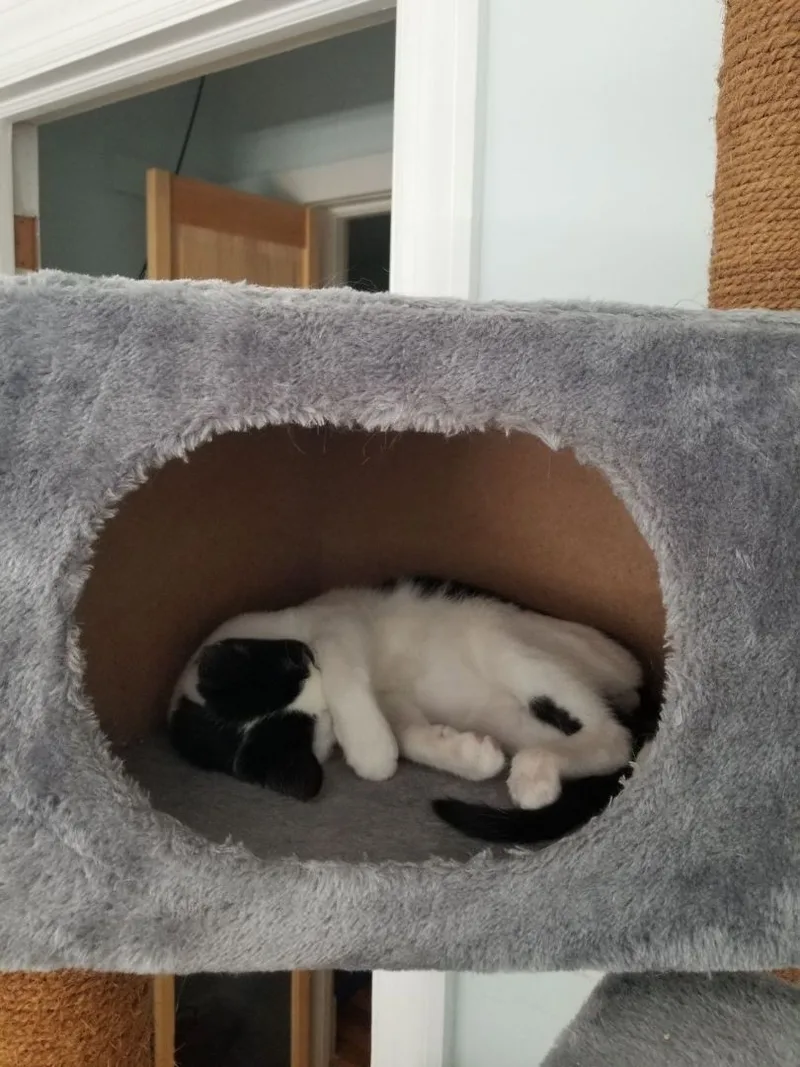
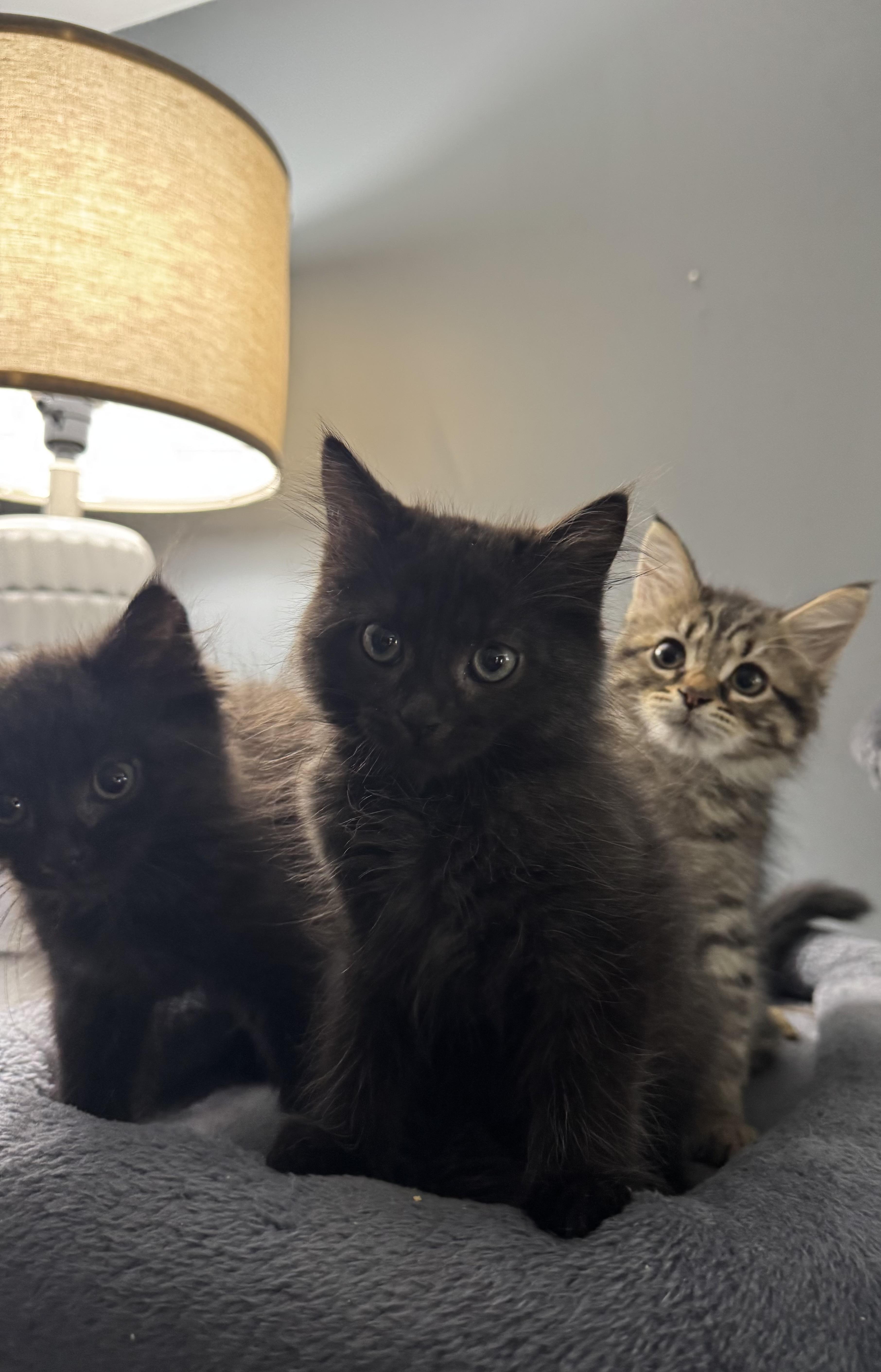
Birman Cats for Adoption in Baltimore, MD

Your guide to finding and caring for a Birman in Baltimore

A Birman suits a Baltimore rowhouse well, because it's happiest on a window perch with its people nearby. In Bolton Hill or Woodberry, where two- and three-story rowhouses come with stairs to climb and windows to watch from, a Birman can survey the street and still end up beside you on the couch. They're soft-spoken and easygoing, though most don't love long days alone. In July, a cool room and a working fan matter most.

2287 cats similar to Birman available in Baltimore and nationwide

Find your forever Birman

Birmen and Similar Breeds Available for Adoption Near Baltimore

About the Birman breed

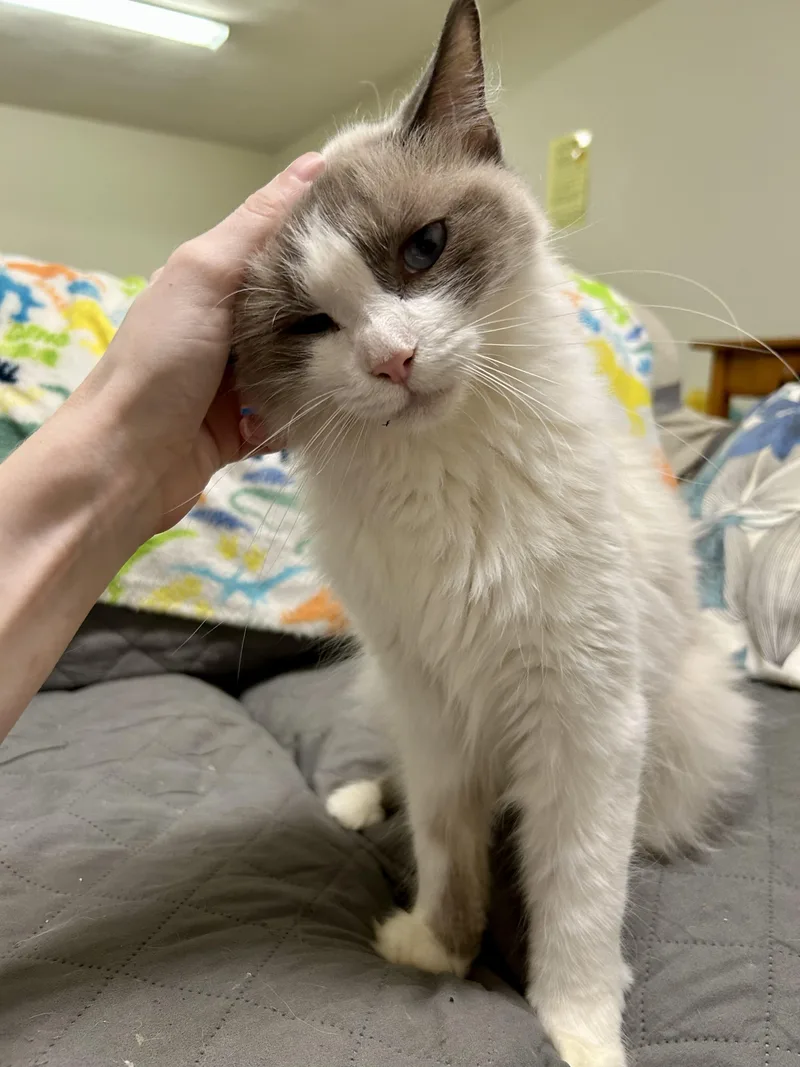
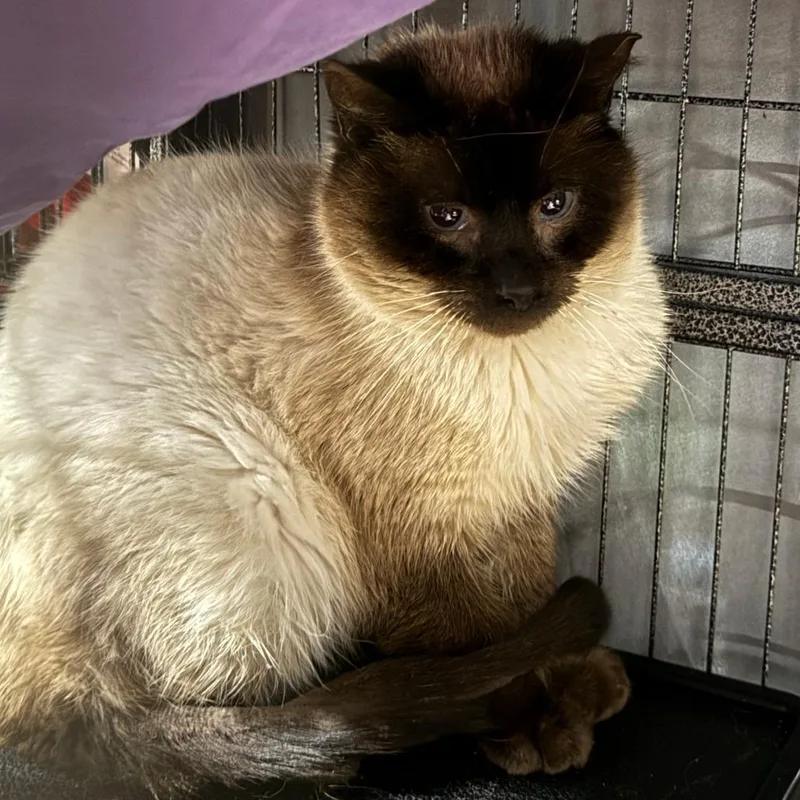
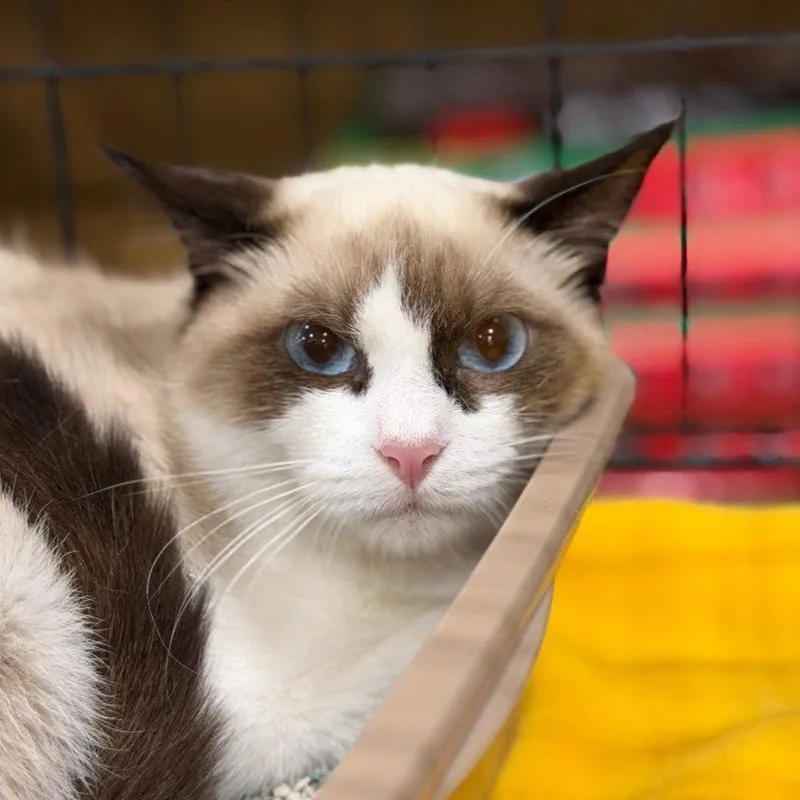
Birmans are semi-longhaired colorpoint cats with deep blue eyes and pure white paws: "gloves" on the front feet and "laces" where the white runs up the back of the hind legs. The modern breed was developed in France after cats arrived from Burma around 1919, and the story of sacred temple cats is legend rather than documented history. Points come in seal, blue, chocolate, lilac and several other colors.

Many Birmans are gentle, sociable cats with quiet voices who like to stay close to their people without being demanding. The silky coat has little undercoat, so it mats less than many longhaired coats, though weekly combing still helps. Birmans take about three years to mature fully, so a young cat's grown-up personality can take time to show. That affectionate, low-key nature fits Baltimore's indoor rowhouse and apartment lifestyle.

Weight
7–14 lbs
Height
8–10 in
Lifespan
12–16 yrs
Temperament
Gentle, Affectionate, Social
Shedding
Moderate

Owning a Birman in Baltimore

Having a Birman in Baltimore

Birmans are easygoing, company-loving cats with moderate energy and a coat that needs weekly care. In Baltimore, the things to weigh are how much time you're home, heart health, and keeping an indoor cat cool and active through humid summers.

Temperament

Birmans tend to be gentle and people-oriented, following family members around and asking for calm attention rather than demanding it. Many get along with respectful children and friendly pets after slow introductions. Some are shy at first, and every cat's personality varies, so spend time with a cat before deciding. Soft voices suit shared rowhouse and apartment walls.

Exercise Needs

Expect a couple of interactive play sessions a day with wand toys, balls or puzzle feeders. Birmans gain weight easily, so steady play matters, especially in winter and during hot spells when everyone stays inside. Tall cat trees and window perches in a Baltimore rowhouse give plenty of climbing room.

Health Considerations

Hypertrophic cardiomyopathy shows up in a notable share of screened Birmans, and polycystic kidney disease occasionally appears, so a veterinarian can advise on heart screening. Weight gain is common in indoor cats. Baltimore requires rabies vaccination by 4 months, and rabid foxes and raccoons have turned up in the city, which is one more reason to keep a Birman indoors.

Living Space

Birmans fit apartments and rowhouses well, valuing company and quiet perches over square footage. Window seats, cat trees and scratching posts keep one busy. Many dislike long days alone, so a household with someone home often suits them. Read the lease's pet policy first, since each landlord sets their own rules.

What it costs to own a Birman in Baltimore

ExpenseTypical costPer year
Food$25 to $50 per month$300 to $600
Pet insurance$25 to $50 per month$300 to $600
Routine vet care$150 to $350 per year$150 to $350
Other*$510 to $1,280 per year$510 to $1,280
Estimated yearly total (after year one)$1,260 to $2,830

Other costs are estimates and vary with size, age and health.

* Litter, flea and parasite prevention, a dental cleaning allowance, toys and supplies, coat-combing tools, and the Baltimore cat license ($10 a year if spayed or neutered, $30 if not).

Adopt a Birman in Baltimore.

Now that you know more, let’s find you a new best friend. These rescues and shelters below have cats available in and near Baltimore.

Rescues and Shelters in or near Baltimore

Baltimore has a busy network of shelters and rescues that care for cats of every age, color and coat length. Here are the rescues & shelters in the Baltimore area with cats available for adoption, worth asking whether a Birman is coming in.

Frequently Asked Questions

Yes, a Birman usually does well in a Baltimore apartment or rowhouse unit. These cats value company and a quiet perch more than space, and their soft voices won't carry through shared walls. Give the cat a tall tree or window seat for climbing, and plan for company, since many Birmans dislike long days alone.

Yes, you can own a Birman in Baltimore, and the city has no breed-specific rules for cats. Every cat over 4 months needs a city license and a current rabies vaccination. The city sets no fixed limit on how many pets a household can keep, though leases often do. Keeping your Birman indoors also protects it from local wildlife.

A Birman fits Baltimore life well if you're home a fair amount and keep it indoors. Rowhouse stairs and tall windows give it room to climb and watch the street, and its soft-spoken nature suits shared walls. The main adjustments are cooling the home in humid summers and having a plan for multi-day power outages after major storms.

Yes, Baltimore's climate works for an indoor Birman. Summers are hot and humid, so run air conditioning or fans and keep fresh water out. Winters are cold but moderate, with a few snow days, and an indoor cat stays comfortable in a heated home. Spring and fall are mild and easy on the long coat.

Baltimore has a Metro SubwayLink, but MTA publishes a pet rule only for Commuter Bus: small pets in a closed container carried by the owner. A 7 to 14 pound Birman should travel in a sturdy, fully enclosed carrier, never loose. Check MTA's current rules before riding the subway, light rail or MARC with a cat.

Plan on combing a Birman about once a week, and a bit more often in spring when the coat sheds. The silky coat has little undercoat, so it mats less than many longhaired coats. Keeping up regular combing also limits loose hair around a small rowhouse or apartment. Combing tools count toward the yearly Other costs of roughly $510 to $1,280.

A Birman is a medium-sized, semi-longhaired cat with a colorpoint pattern, deep blue eyes and distinctive white paws. The breed was developed in France from cats said to come from Burma, which is why it is sometimes called the Sacred Cat of Burma. Many Birmans are gentle, sociable and soft-spoken companions who enjoy being near their people.

No, Birman cats are not hypoallergenic. Like all cats, they produce the Fel d 1 allergen in saliva and skin, and grooming spreads it onto their fur and around the home. Their coat sheds less heavily than some longhaired breeds, but that does not remove allergens. Anyone with allergies should spend time with the specific cat before adopting.

Yes, Birman cats shed, usually at a moderate level. Their silky coat has little undercoat, so they drop less hair and form fewer mats than breeds like Persians or Maine Coons, but loose fur still appears on furniture and clothing. Combing once or twice a week, and more during spring and fall, keeps shedding manageable and the coat tangle-free.

Expect roughly $1,260 to $2,830 a year for a Birman in Baltimore. Food runs $25 to $50 a month, insurance $25 to $50 a month, and routine vet care $150 to $350 a year. Other costs, including litter, grooming supplies, dental care, parasite prevention and the city license, add $510 to $1,280 a year.