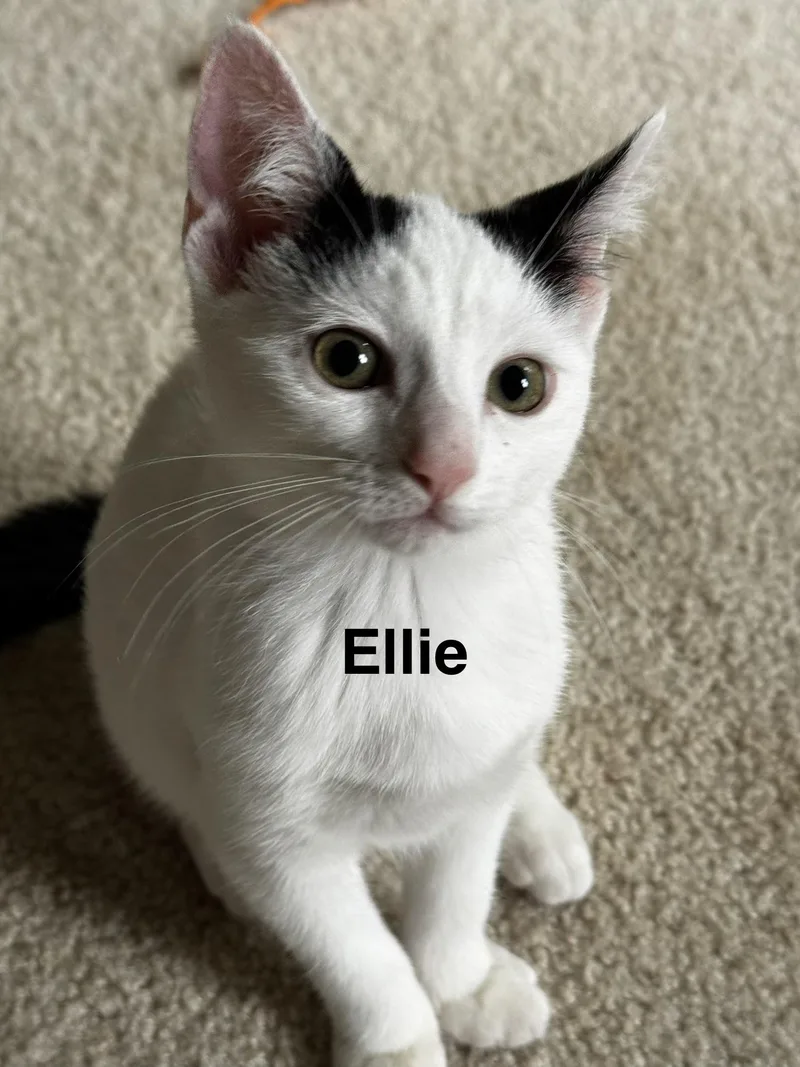
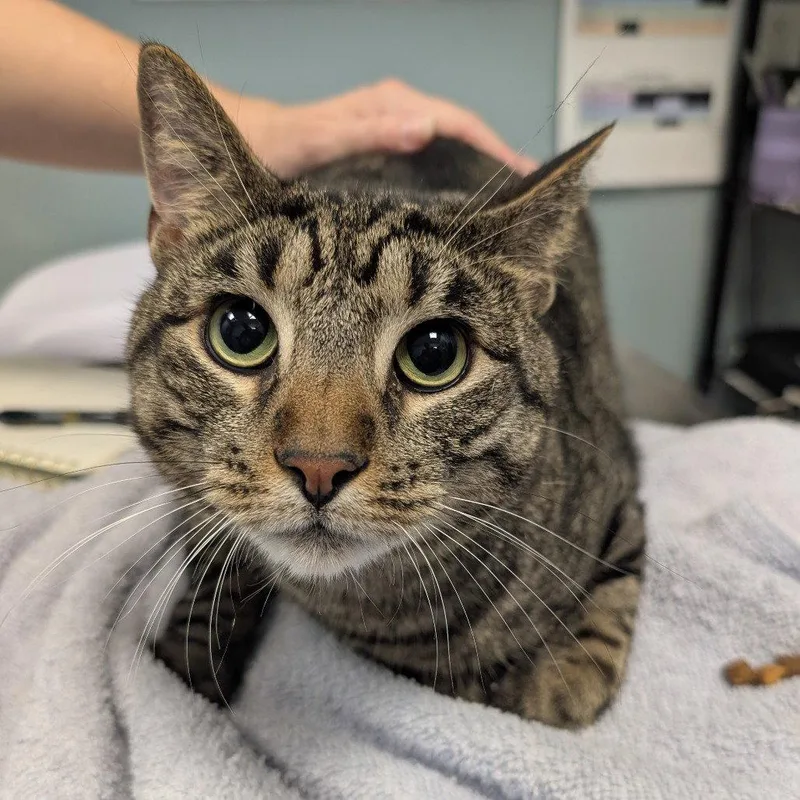
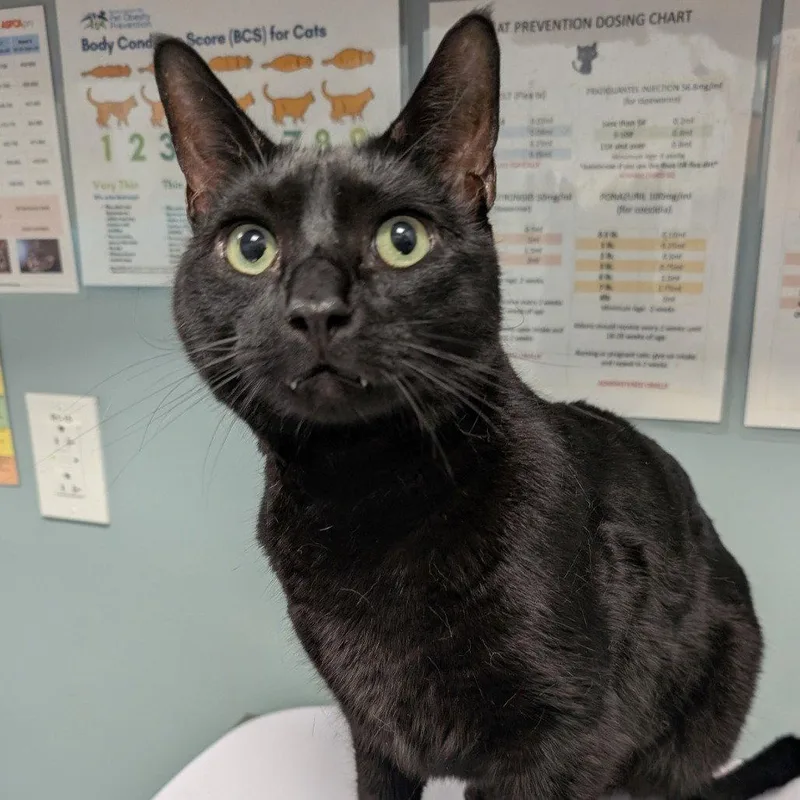
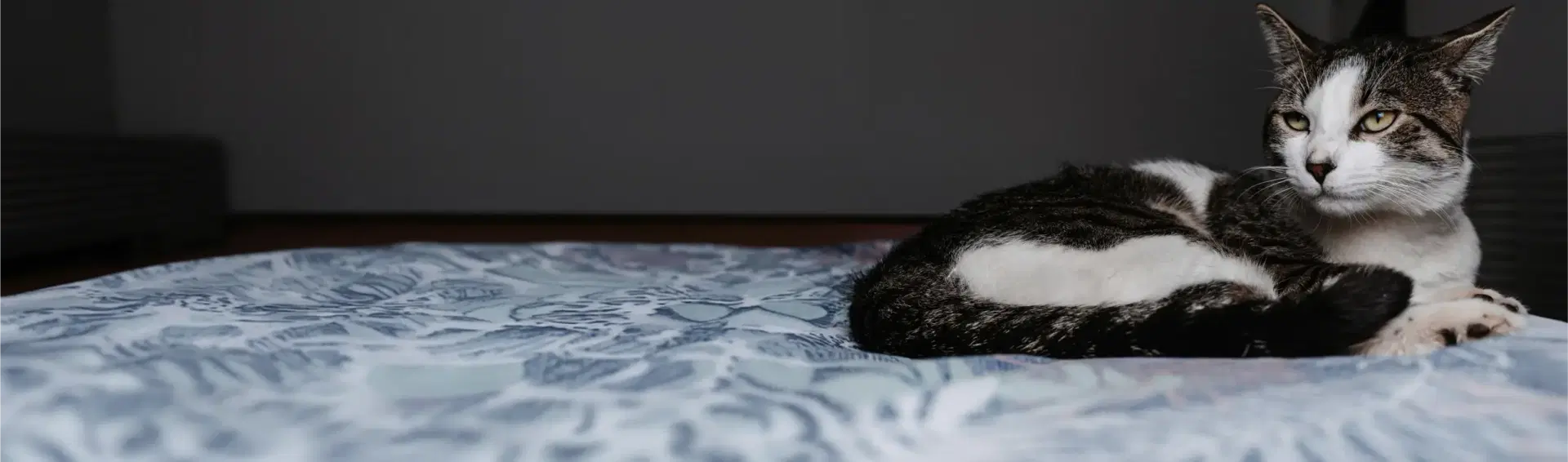
American Shorthair cat

American Shorthair Cats for Adoption in Baltimore, MD

Your guide to finding and caring for an American Shorthair in Baltimore

American Shorthairs suit Baltimore's rowhouses, where a sunny front window and a flight of stairs are enough to keep them busy. In Hampden or Pigtown, a medium-sized, easygoing cat can watch the block from a perch and won't mind city noise or visitors. What they do need is daily play, since a Shorthair with a full bowl and a quiet afternoon will gain weight. A cat tree by the front window is the first thing worth buying.

3756 American Shorthairs available in Baltimore and nationwide

Adopt an American Shorthair today

American Shorthairs Available for Adoption Near Baltimore

About the American Shorthair breed

The American Shorthair descends from working cats that traveled with early settlers to keep rodents off ships and out of barns. It became a pedigreed breed in the early 1900s and was renamed in the 1960s. The result is a sturdy, muscular cat with a broad face, full cheeks and a thick, hard coat that comes in dozens of colors, with the silver tabby as the classic look.

That working heritage shows in daily life: these cats love hunting-style play, usually get along with children and other pets, and stay quiet about it. In Baltimore, many shorthaired cats waiting for homes are random-bred domestic shorthairs with the same look and easy nature, so adopters may meet similar cats under either name. Shedding is moderate, with a heavier shed in spring.

Weight
6–15 lbs
Height
8–10 in
Lifespan
12–17 yrs
Temperament
Easygoing, Adaptable, Quiet
Shedding
Moderate

Owning an American Shorthair in Baltimore

Having an American Shorthair in Baltimore

Steady and low-drama, the American Shorthair pairs a calm presence at home with strong hunting instincts and a healthy appetite. In Baltimore's rowhouses and apartments, play, portion control and secure windows matter more than square footage.

Temperament

Most American Shorthairs are even-tempered and friendly without being clingy, happy to sit nearby while you work or watch the street. Many accept children and calm dogs after gradual introductions, and they're typically quiet. Each cat's history and socialization shape personality as much as breed, so spend time with a cat before deciding.

Exercise Needs

Aim for a couple of short play sessions a day with wand toys, chase games and food puzzles. A cat tree by a window, or the stairs in a Baltimore rowhouse, gives built-in climbing. Exercise matters because many Shorthairs are food-motivated and relaxed enough to gain weight, especially as indoor adults.

Health Considerations

American Shorthairs are generally sturdy. Obesity is the main preventable concern, and hypertrophic cardiomyopathy and polycystic kidney disease have been reported in the breed. Measured meals, yearly exams and dental care help, and a veterinarian can check a newly adopted cat. Baltimore requires rabies vaccination, which also protects against local wildlife exposure.

Living Space

A Shorthair does well in a rowhouse, apartment or larger home as long as it has perches, scratching posts and hiding spots. Stairs add free exercise. Indoor living, or a secure enclosure, protects it from traffic and from the raccoons and foxes in Baltimore's wooded parks. Keep window screens secure.

What it costs to own an American Shorthair in Baltimore

ExpenseTypical costPer year
Food$25 to $50 per month$300 to $600
Pet insurance$25 to $50 per month$300 to $600
Routine vet care$150 to $350 per year$150 to $350
Other*$460 to $1,180 per year$460 to $1,180
Estimated yearly total (after year one)$1,210 to $2,730

Other costs are estimates and vary with size, age and health.

* The Baltimore cat license ($10 altered, $30 unaltered), cat litter, flea and tick prevention, a dental cleaning allowance, toys, scratching posts and other supplies, and simple brushing at home.

American Shorthair cat

Adopt an American Shorthair in Baltimore.

Now that you know more, let’s find you a new best friend. These rescues and shelters below have cats available in and near Baltimore.

Rescues and Shelters in or near Baltimore

Baltimore has an open-admission city shelter and nonprofit rescues, and the listings below show which cats are listed today. Here are the rescues & shelters in the Baltimore area with cats available for adoption, worth asking whether an American Shorthair is coming in.

Frequently Asked Questions

Yes, you can own an American Shorthair in Baltimore, since the city has no breed-specific cat rules. You'll need a city license for any cat over 4 months old and a current rabies vaccination, both required. Baltimore sets no fixed limit on how many pets you can keep, though your lease may.

Yes, an American Shorthair adapts well to apartments, and Baltimore has plenty of rowhouse conversions and apartment buildings where it fits. Look for window perches, a cat tree and shelves or stairs for climbing, and schedule daily play to prevent weight gain. Before you sign, make sure the lease allows cats and spells out any pet fees.

For most households, yes. An American Shorthair's calm, adaptable nature suits Baltimore rowhouses and busy workweeks, and it usually handles visitors and street noise. Plan for the downsides: illegal fireworks around July 4 and New Year's can frighten cats, so offer a quiet interior room, and keep the cat indoors because rabies cases turn up in city wildlife.

Yes, as indoor cats. Baltimore summers are humid, with about 43 days a year at 90°F or above at the harbor. Keep a cool room and fresh water available, and never leave a cat in a parked car, which is illegal in Maryland. On Code Red extreme-heat days, limit sun exposure at windows and watch for heavy panting.

Possibly, if your cat stays in a closed carrier. MTA publishes a pet rule for Commuter Bus: small pets in a closed container held by the owner, not on a seat or in the aisle. For the Metro SubwayLink, light rail or MARC, check MTA's current rules before riding, and plan on a secure carrier.

Very little. Brush an American Shorthair's short, dense coat about once a week, and a few times a week during the spring undercoat shed. Fall brings a lighter shed of guard hairs. Baltimore's humid summers don't change the routine. Home brushing fits within the Other costs listed on this page, so a professional groomer is rarely needed.

An American Shorthair is a pedigreed North American cat breed descended from the working cats that came over with European settlers to control rodents. It is a sturdy, muscular, medium-to-large cat with a round face, full cheeks and a thick short coat in many colors, most famously silver tabby. Many are calm, adaptable and quietly affectionate.

American Shorthairs shed a moderate amount. Their dense coat drops hair year-round, with a heavier shed in spring when the undercoat thins and a lighter one in fall. Brushing a few times a week with a slicker brush or grooming mitt keeps loose hair under control and reduces hairballs. Sudden bald patches or excessive shedding deserve a veterinary visit.

Yes, American Shorthairs are usually friendly, easygoing cats. Many greet family members, get along with visitors once settled and tolerate children and other pets well after gradual introductions. They tend to be sociable without being demanding. Personality still varies, so an adopted cat's history and behavior in its foster or shelter home are the best guide.

Expect roughly $1,200 to $2,700 a year for an adult American Shorthair in Baltimore. Food runs $25 to $50 a month and insurance $25 to $50 a month. Routine vet care is $150 to $350 a year, and other costs such as litter, prevention, dental care and the city license add $460 to $1,180. Emergencies and illness are extra.