Tabby Cats for Adoption in New Bedford, MA

Your guide to finding and caring for a Tabby in New Bedford

A Tabby cat suits the two- and three-family houses that fill New Bedford's North End and Acushnet Heights. Tabby is a coat pattern, so these cats vary, but most are medium-sized shorthairs that do fine in an upstairs flat with a sunny window. Add a few minutes of wand-toy play after work and a good scratching post, and they'll settle in quickly. A perch by a front window gives a curious cat plenty to watch on a busy street.

7639 Tabbies available in New Bedford and nationwide

Find your Tabby

Tabbies Available for Adoption Near New Bedford

About the Tabby breed

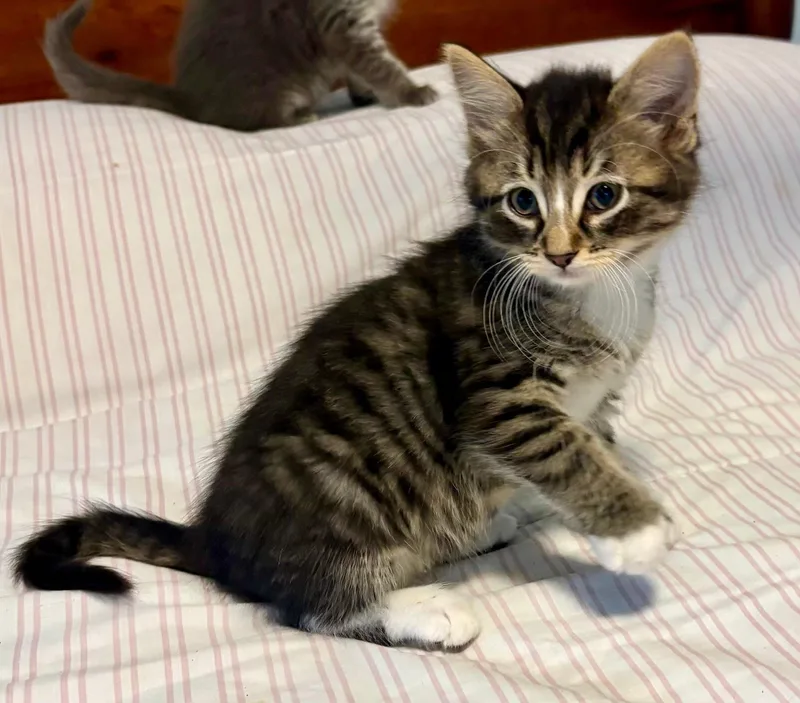
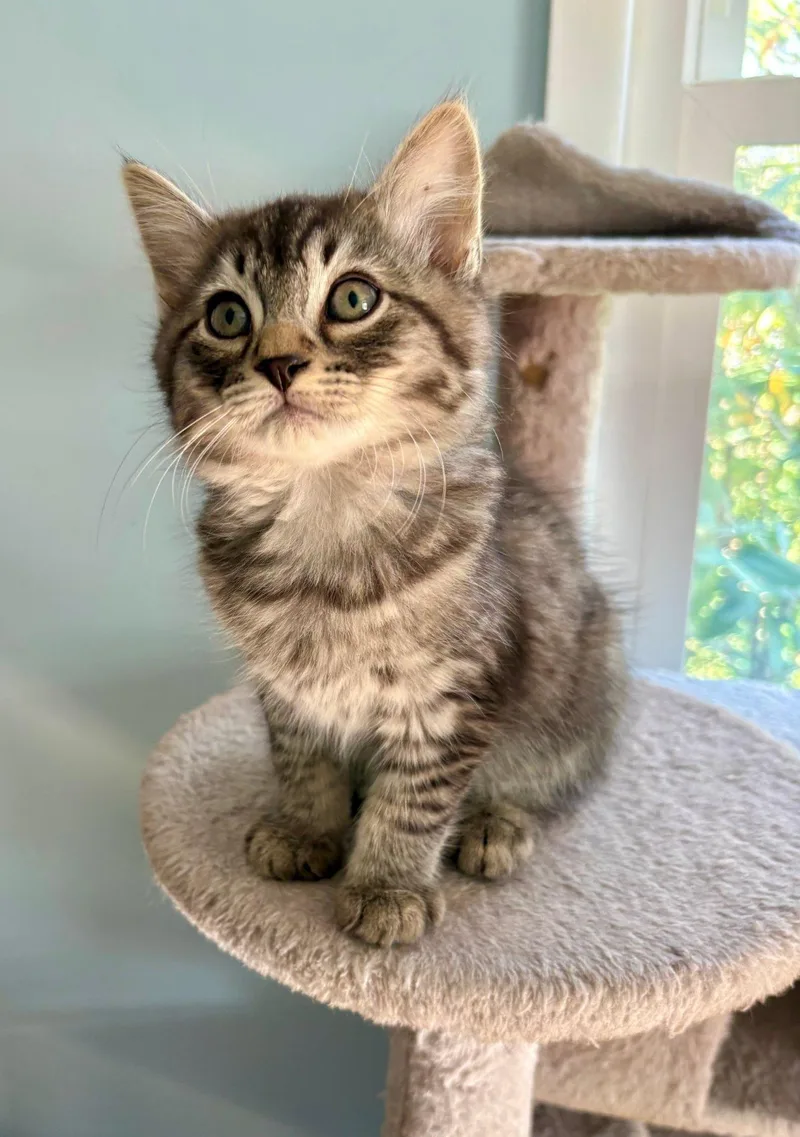
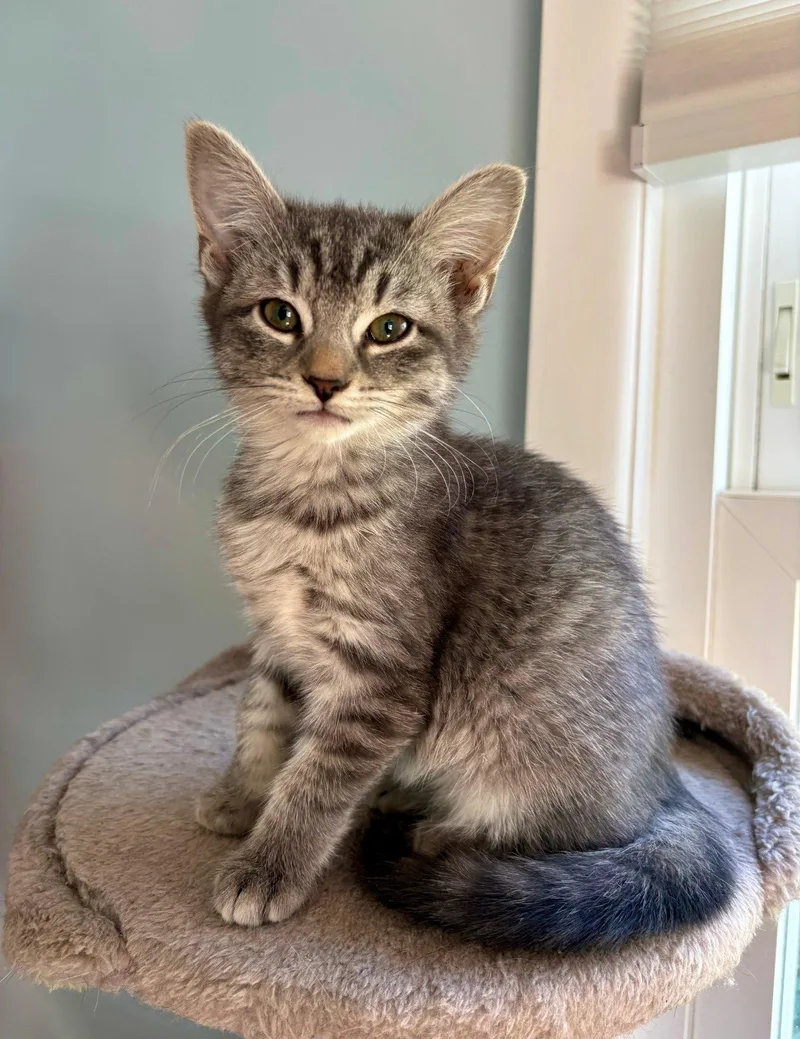
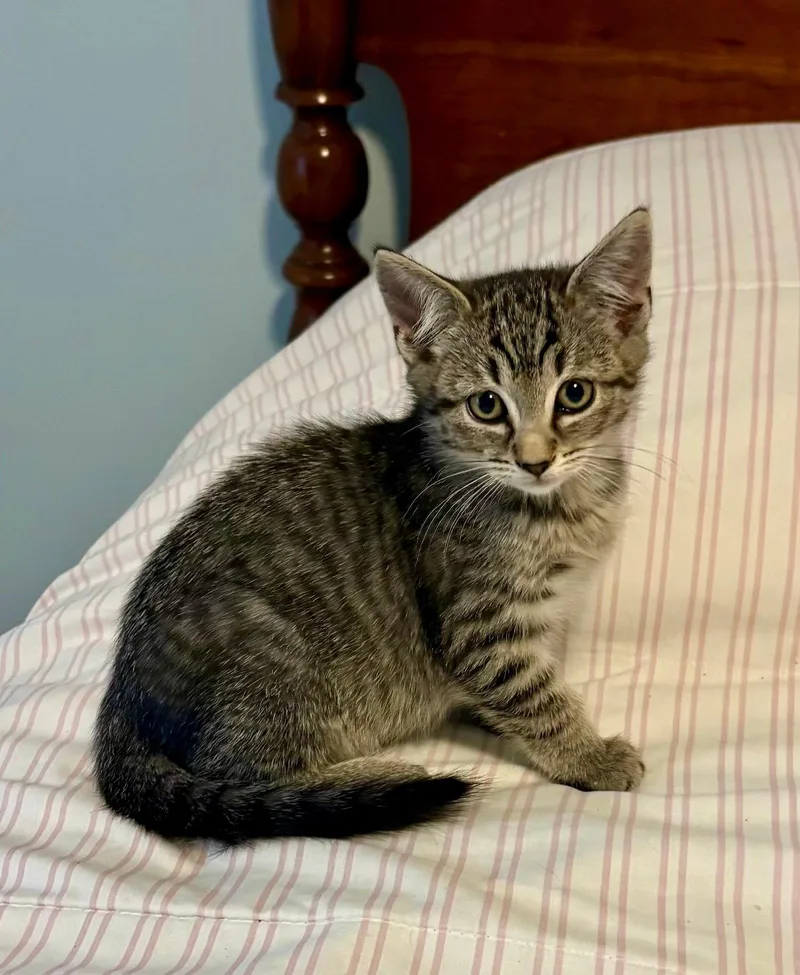
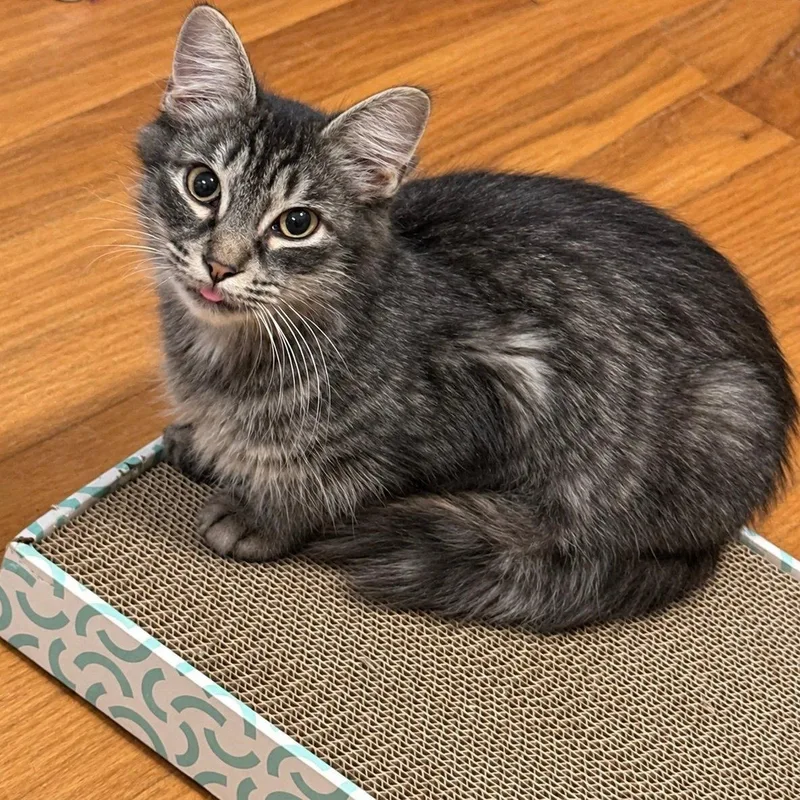
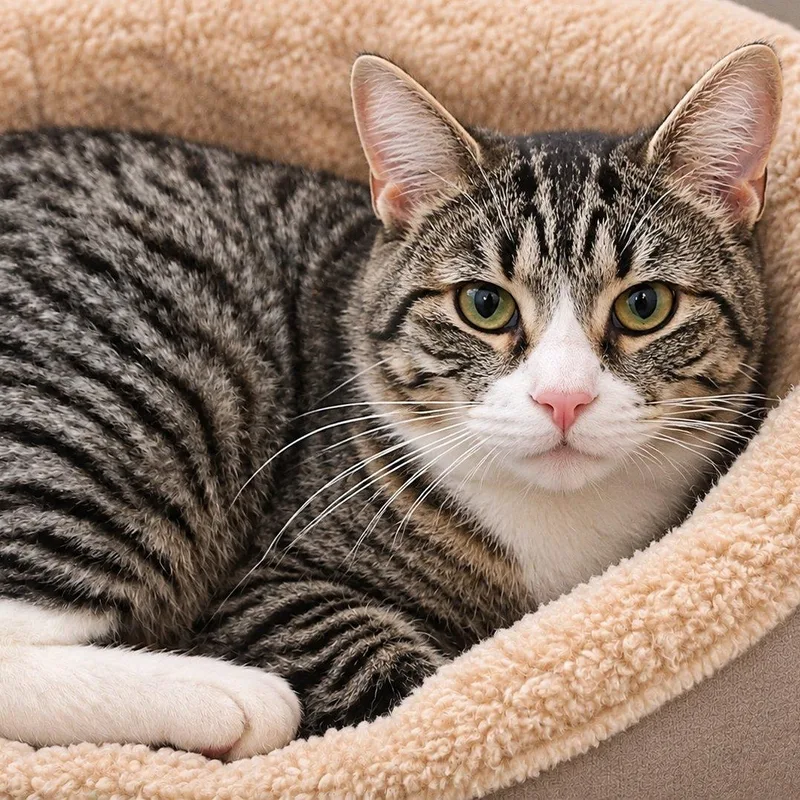
Tabby isn't a breed. It's a coat pattern with stripes, swirls, spots or ticked hairs, plus an M-shaped mark on the forehead, and it appears on domestic shorthairs, Maine Coons, American Shorthairs and many other cats. In New Bedford, most tabbies you'll meet are medium-sized domestic shorthairs, usually 6 to 14 pounds, with a moderate shed that peaks in spring and fall.

Because the pattern says little about personality, each cat has its own temperament: some seek laps, others are shy or independent. Spend time with a cat before deciding, and think about what your home offers, such as stairs to climb, a quiet room and a window to watch from. Most tabbies live 12 to 18 years, so adopting one is a long commitment worth planning for.

Weight
6–14 lbs
Height
8–10 in
Lifespan
12–18 yrs
Temperament
Curious, Adaptable, Affectionate
Shedding
Moderate

Owning a Tabby in New Bedford

Having a Tabby in New Bedford

A tabby's traits follow the cat's breed or mix, age and history, not the stripes. In New Bedford, the practical questions are how much play and climbing space your home offers, how the cat handles long winters indoors, and how much coat care it needs.

Temperament

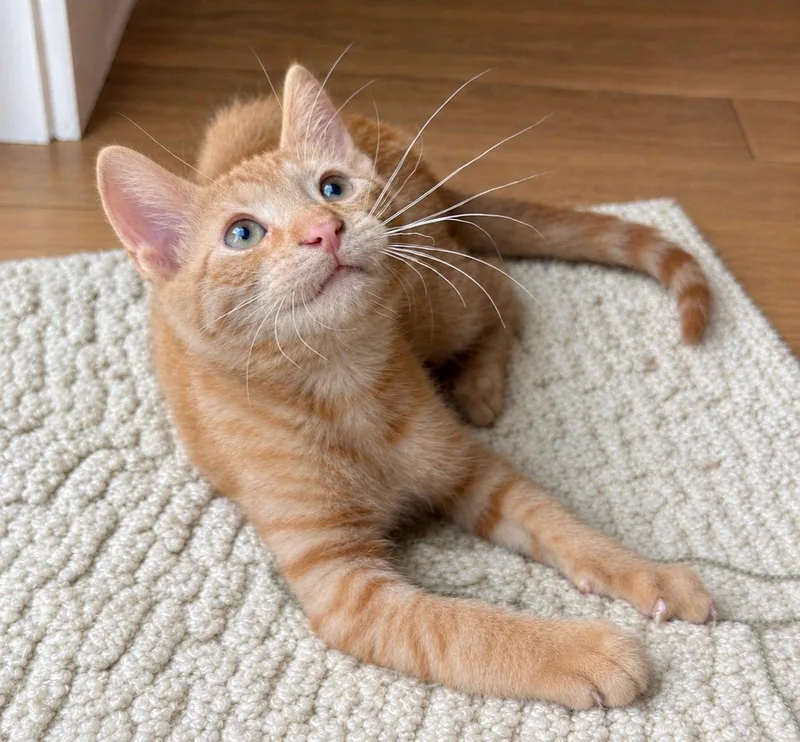
Tabbies run the full range, from outgoing lap cats to shy or independent ones, because the pattern doesn't set personality. Orange tabbies are often called extra friendly, but that partly reflects how many orange cats are male. In a busy New Bedford two-family house, a cat that stays calm around stairs, neighbors and street noise tends to settle best.

Exercise Needs

Most tabbies need several short play sessions a day with wand toys, chasing and pouncing, plus climbing and window perches. New Bedford winters keep cats inside for months, so build in indoor play: a cat tree, puzzle feeders and a few minutes of play before meals help burn energy on snowy days.

Health Considerations

Coat pattern doesn't affect health; a tabby's risks follow its mix, age and lifestyle. Common issues include obesity, dental disease and urinary problems, with kidney disease, hyperthyroidism and diabetes more likely in seniors. Indoor winters can mean less activity, so watch portions and weight. A veterinarian can check dental health, weight and parasite protection at each wellness exam.

Living Space

Tabbies generally adapt well to apartments and houses, including upstairs flats in New Bedford's two- and three-deckers, if they have places to climb, scratch, hide and look outside. Offer a sturdy window perch, a litter box away from food, and a quiet retreat. Keep upper-floor windows screened so a curious cat can't slip out.

What it costs to own a Tabby in New Bedford

ExpenseTypical costPer year
Food$25 to $50 per month$300 to $600
Pet insurance$20 to $45 per month$240 to $540
Routine vet care$150 to $350 per year$150 to $350
Other*$450 to $1,150 per year$450 to $1,150
Estimated yearly total (after year one)$1,140 to $2,640

Other costs are estimates and vary with size, age and health.

* Litter, flea and tick prevention, a dental cleaning allowance, toys, scratchers and bedding, and occasional grooming.

Adopt a Tabby in New Bedford.

Now that you know more, let’s find you a new best friend. These rescues and shelters below currently have Tabbies available.

Rescues in New Bedford with Tabbies Available

Shelters and rescues around New Bedford and the SouthCoast list their adoptable cats here, and the lineup changes often. Here are the rescues & shelters in the New Bedford area where you can find Tabbies and other cats available for adoption.

Frequently Asked Questions

Yes, most Tabbies do well in New Bedford apartments, including upstairs flats in two- and three-family houses. Give the cat a window perch, a cat tree, a scratching post and a litter box away from its food. Shared stairs and porches mean screens and closed doors matter, so keep windows secure and watch for a bolting cat at entryways.

Yes, indoor Tabbies handle New Bedford winters well when the home is heated and drafts are managed. Freezing nights run roughly November through April and snow can be heavy, so cats should stay inside. Provide a warm bed, sunny perches and extra play, and keep a storm kit with food, water, litter and medications ready.

Yes. Massachusetts requires rabies vaccination for cats by 6 months of age, and New Bedford has no known cat license. Landlords set their own pet policies, so read your lease before you commit. Browse the cats listed on this page, and save a search to hear about new Tabbies as they arrive.

Sometimes. MBTA rider rules allow small domestic animals at all times in a secure carrier, and MBTA Commuter Rail serves two New Bedford stations. Keep a Tabby zipped into a carrier on your lap, never loose on a seat. SRTA buses have no published pet rule, so confirm current SRTA rules before riding with a cat.

Most Tabbies are shorthairs and need a weekly brushing, more often in spring and fall when shedding peaks. Long-haired Tabbies need brushing several times a week to prevent mats, and nails need a trim every few weeks. Professional grooming is occasional and falls under the Other costs of $450 to $1,150 a year.

Often, yes, if you can offer daily play, a window to watch from and a warm home through winter. A Tabby's fit depends on the cat's age and temperament far more than its stripes. Cats suit small flats and quiet routines, while busier households may prefer a sociable, easygoing adult.

A tabby cat is any cat with a tabby coat pattern, meaning stripes, swirls, spots or ticked hairs plus a distinctive M-shaped marking on the forehead. Tabby is not a breed. The pattern appears in domestic shorthairs and longhairs as well as many pedigreed breeds, such as the American Shorthair, Maine Coon and Abyssinian, and it is one of the most common cat patterns.

A tabby cat isn't any one breed, because tabby is a coat pattern. Cats with the pattern include shelter domestic shorthairs and longhairs as well as breeds such as the American Shorthair, Maine Coon, Bengal and Abyssinian. Most tabbies available for adoption are mixed-breed domestic cats, so browse the cats listed here and look at each one's age and personality.

We have 1 rescue with Tabbies available: Lighthouse Animal Shelter. You can see every rescue with Tabbies available in the list above these questions, or scroll to the top to see the Tabbies near New Bedford.

Plan on about $25 to $50 a month for food, $20 to $45 for optional insurance, $150 to $350 a year for routine vet care, and $450 to $1,150 a year for other costs such as litter and flea prevention. That comes to roughly $1,140 to $2,640 a year, before one-time supplies.

Explore Other Breeds in New Bedford

Looking for a different breed? Browse other cats available for adoption in New Bedford.