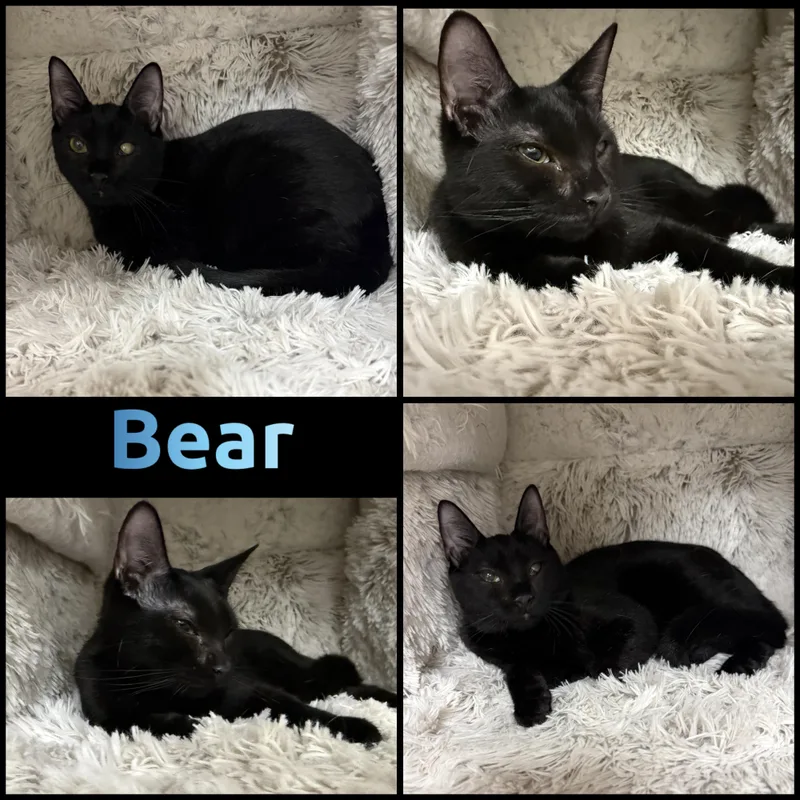
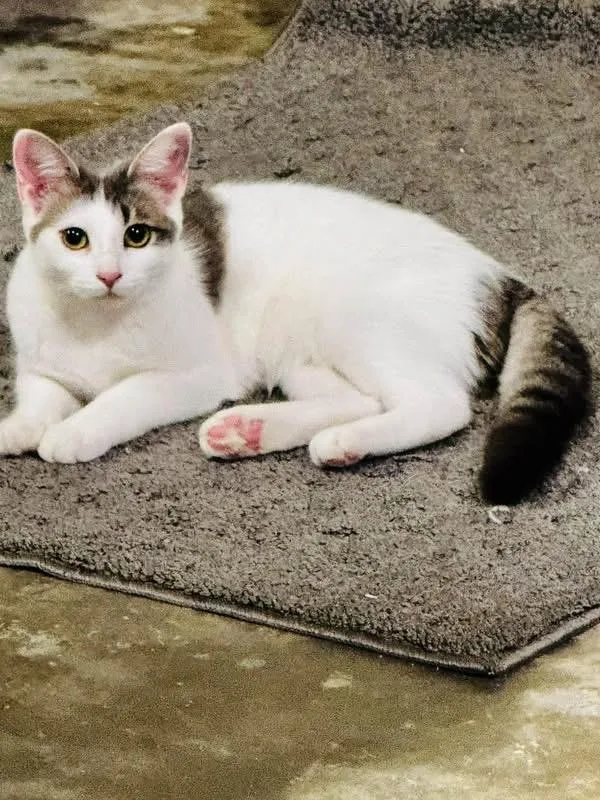
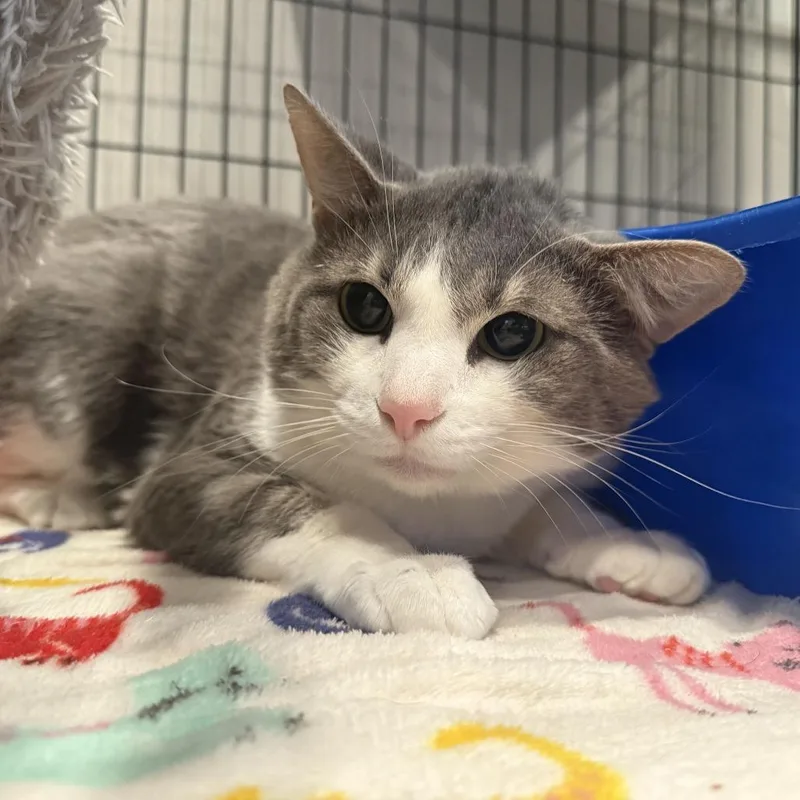
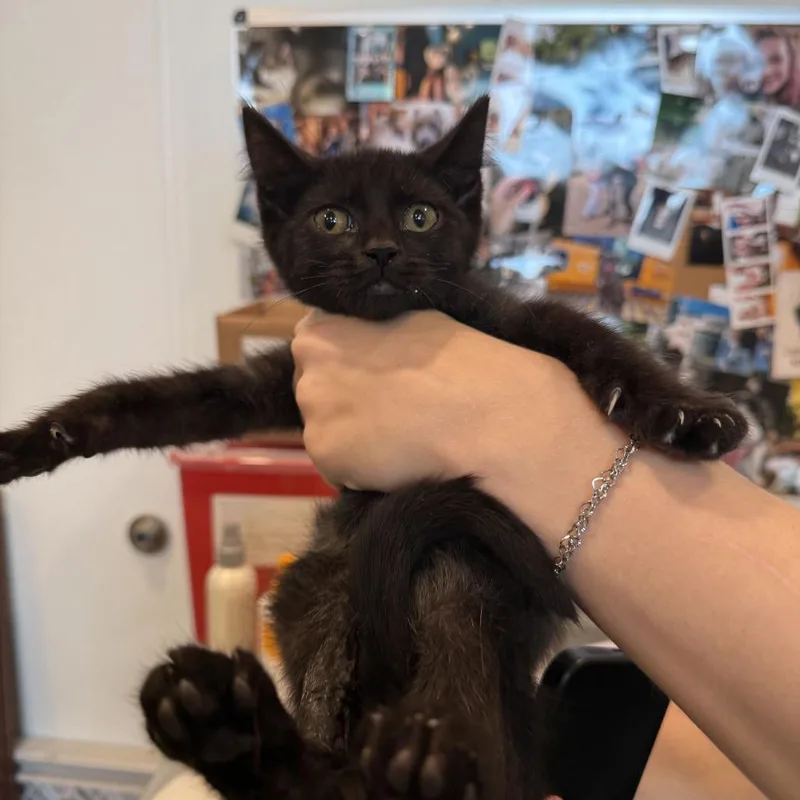
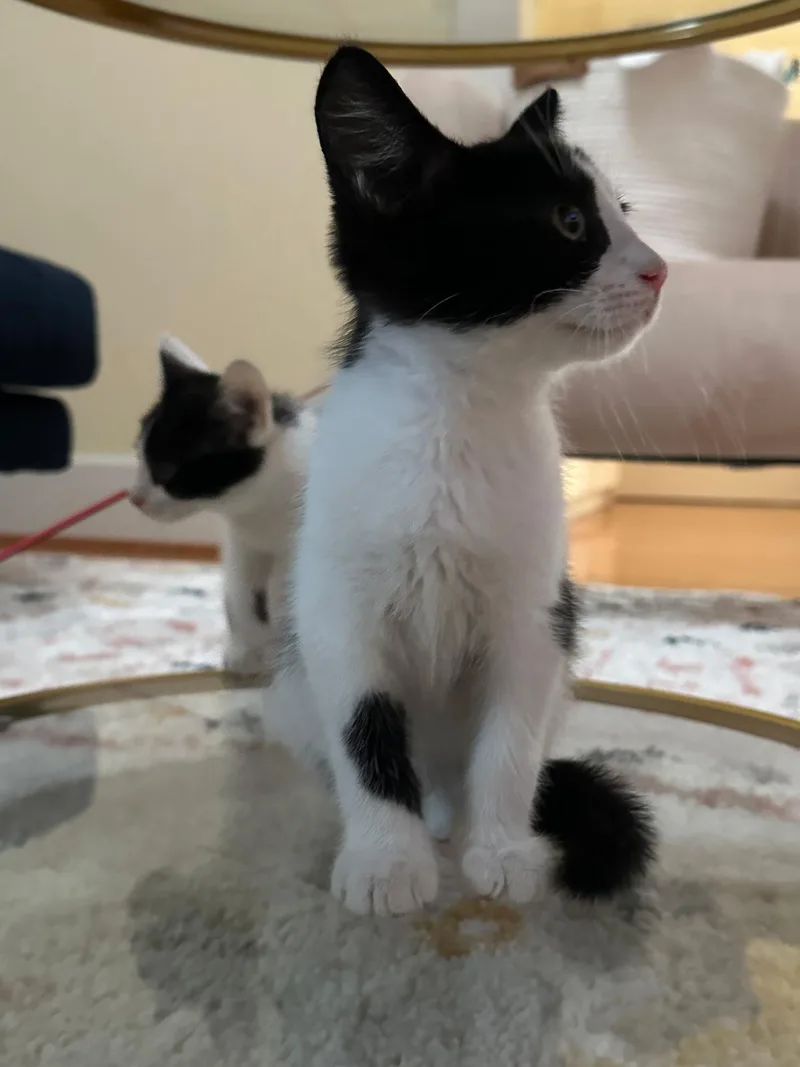
Domestic Short Hair Cats for Adoption in Louisville, KY

Your guide to finding and caring for a Domestic Short Hair in Louisville

A Domestic Short Hair fits Louisville's old shotgun houses and converted Victorian apartments easily. In Germantown and Schnitzelburg, where 1890s shotgun houses line the blocks, a cat can claim a front window and watch the street all afternoon. Domestic Short Hairs are a type rather than a breed, so personalities run from lap cat to shy observer. Most share an easy-care short coat and adaptable habits. Plan on daily play and a sunny perch.

151 Domestic Short Hairs available for adoption in Louisville

Find your Domestic Short Hair

Domestic Short Hairs Available for Adoption in Louisville

About the Domestic Short Hair breed

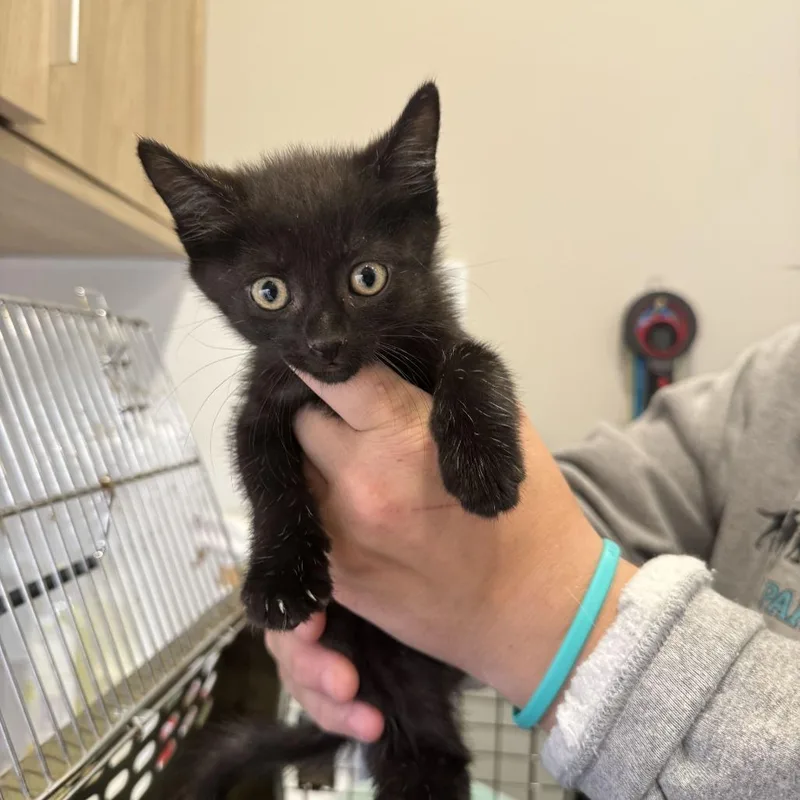
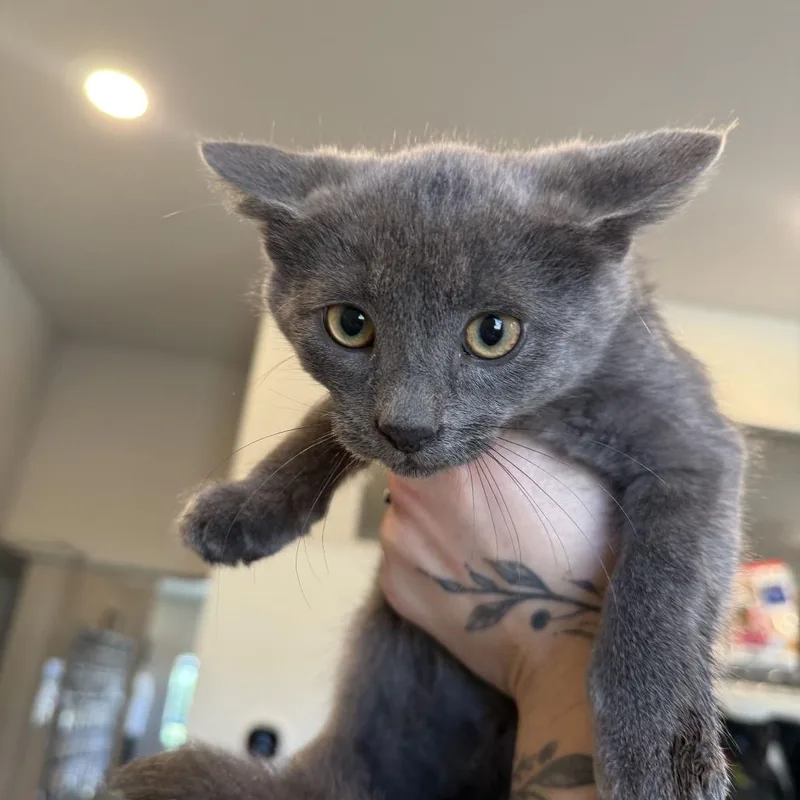
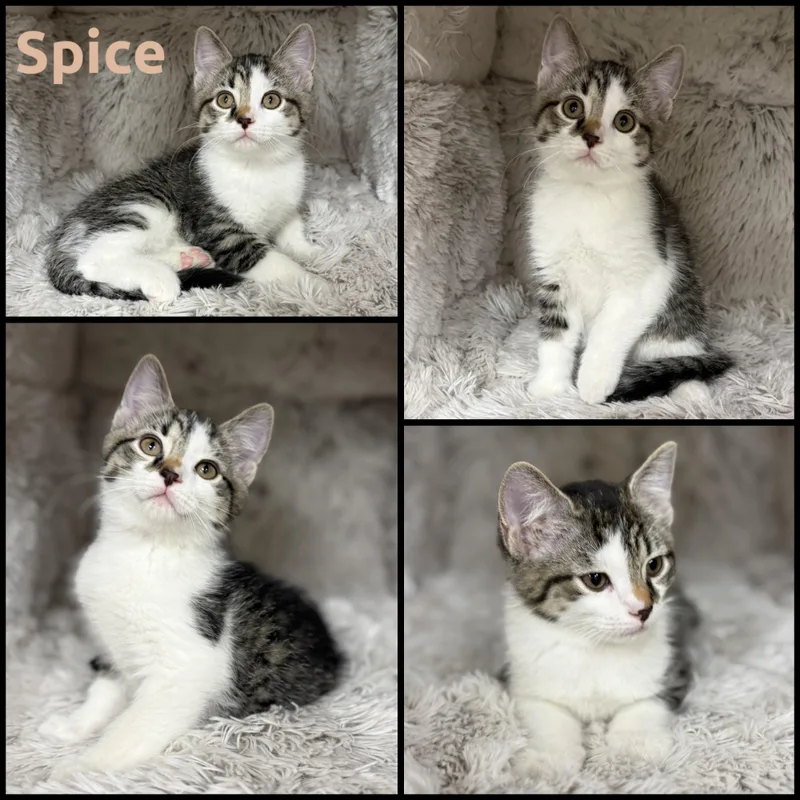
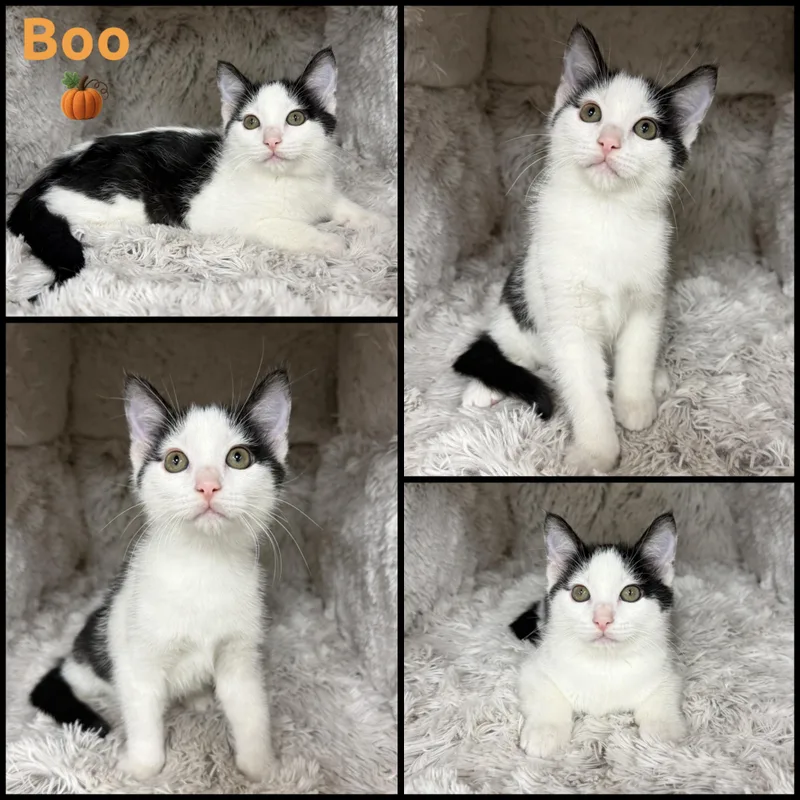
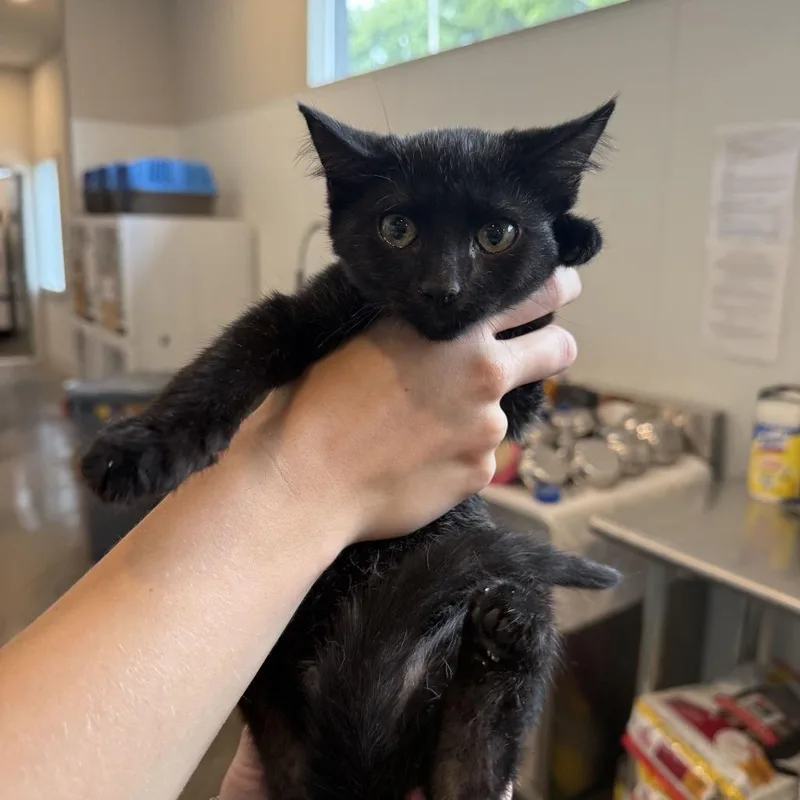
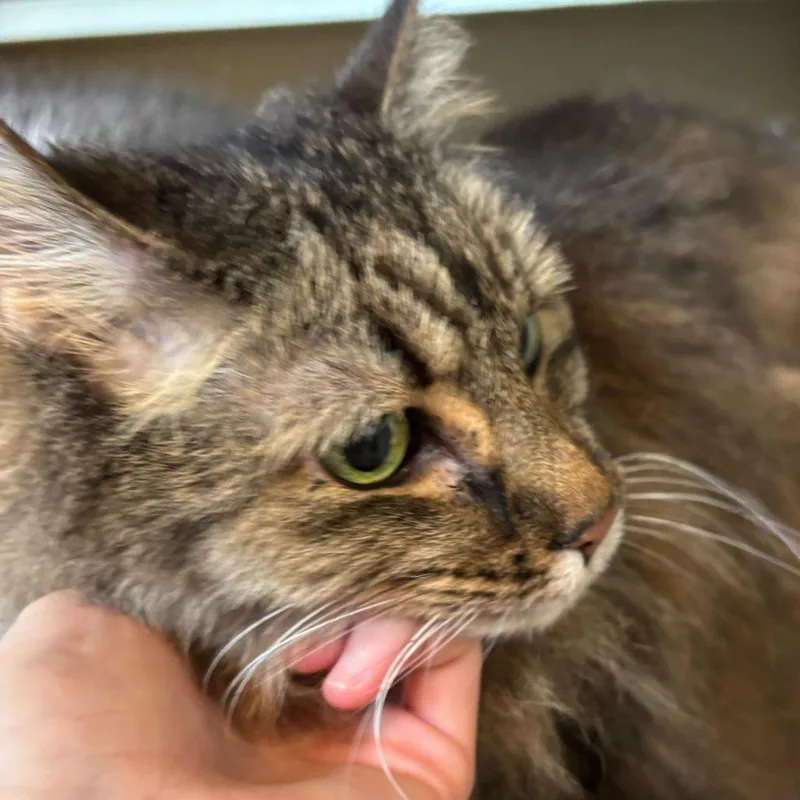
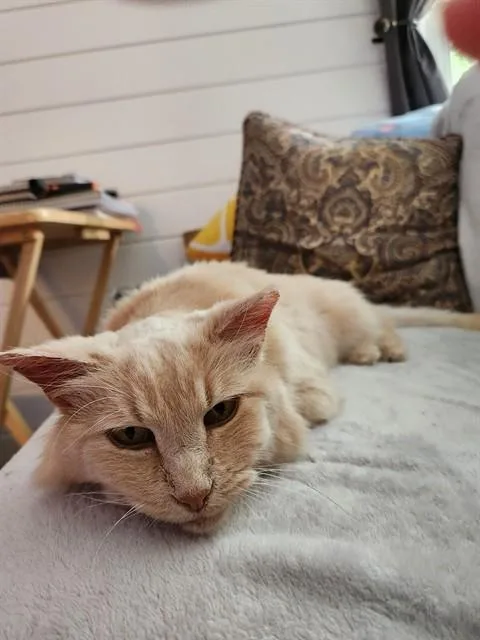
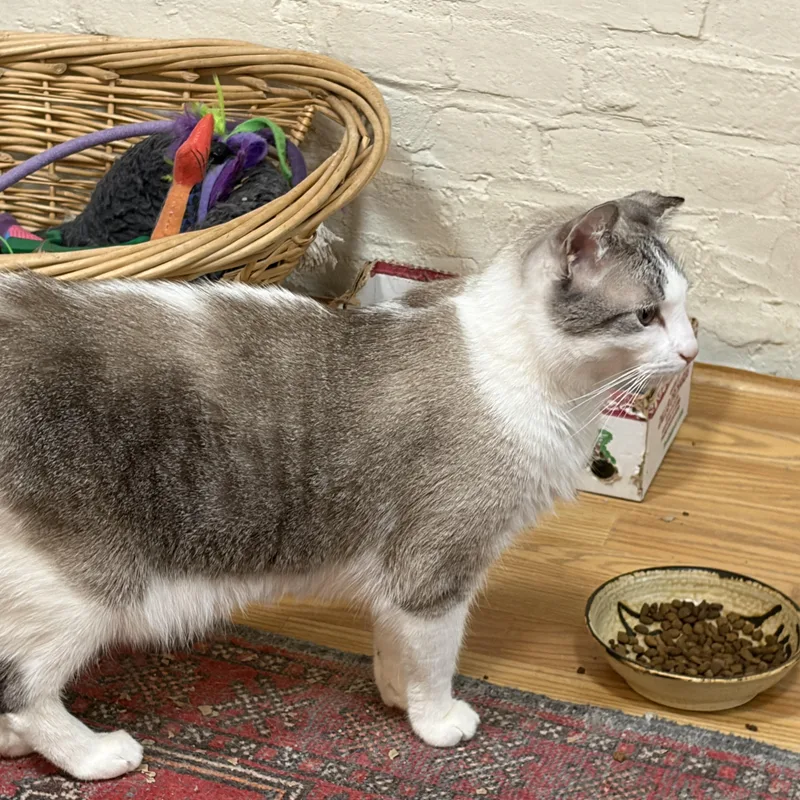
Domestic Short Hair describes a cat rather than a breed: a short-coated cat of mixed or unknown ancestry, often written as DSH on adoption records. It's the most common kind of cat in American homes, and the coats come in tabby, tuxedo, calico, solid black and everything in between. Don't confuse it with the American Shorthair, which is a pedigreed breed.

Most are medium-sized, around 6 to 14 pounds, and sturdy. Because their ancestry is so varied, no two cats are quite alike: some are lap cats, some are chatty, and others are happy watching from a windowsill. In Louisville, where summers run humid and winters turn icy, an indoor DSH with climbing space and daily play does well. Age, energy and the cat's own habits tell you more than any label.

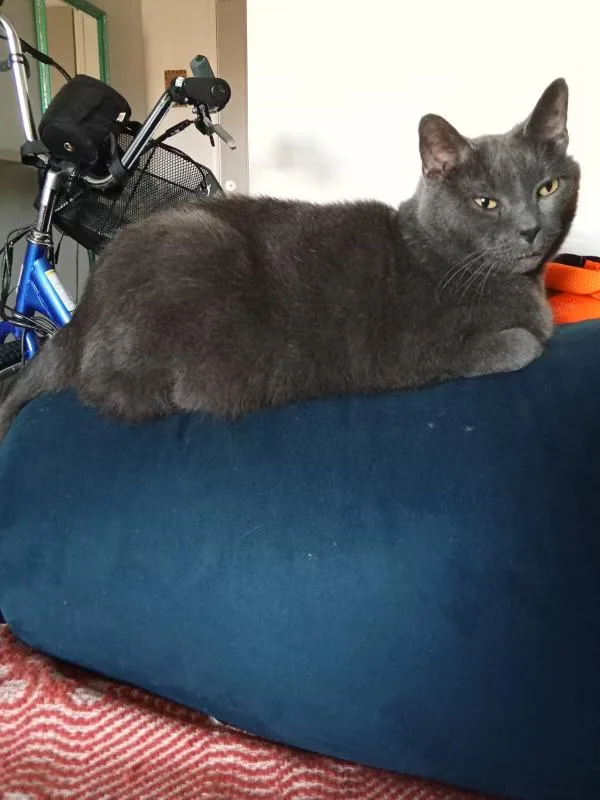
Weight
6–14 lbs
Height
8–10 in
Lifespan
12–18 yrs
Temperament
Adaptable, Curious, Affectionate
Shedding
Moderate

Owning a Domestic Short Hair in Louisville

Having a Domestic Short Hair in Louisville

Domestic Short Hairs share an easy-care coat and a mixed gene pool, but little else is fixed. Energy, sociability and play style vary from cat to cat, so age and behavior are the best guide to a good match in a Louisville home.

Temperament

Personalities range from outgoing lap cats to quiet, independent watchers. Many adapt well to new homes, other cats and calm dogs after gradual introductions. Kittens tend to be bold and playful, while adults show settled personalities. Louisville's spring thunderstorms and fireworks seasons can unsettle sensitive cats, so a quiet room to retreat to helps.

Exercise Needs

Daily interactive play keeps indoor cats fit: wand toys, chase games and food puzzles use up energy and satisfy hunting instincts. Kittens may want several short bursts a day, seniors gentler sessions. Window perches and shelves help on icy winter days and humid summer afternoons. A cat that takes to a harness can enjoy supervised outings on a leash.

Health Considerations

Domestic Short Hairs commonly face obesity, dental disease and urinary problems, and older cats may develop kidney disease, hyperthyroidism or diabetes. Mixed ancestry can lower some inherited risks but not these. Plan on yearly exams, weight checks and dental care, and have a veterinarian look over a newly adopted cat soon after it comes home. Keep flea prevention current in warm months.

Living Space

Cats of this type adapt to apartments, shotgun houses and larger homes alike. Climbing shelves, scratching posts, hiding spots and a clean litter box matter more than square footage. Keep cats indoors or in a secure enclosure, and make sure window screens are firm, especially on upper floors, to prevent falls.

What it costs to own a Domestic Short Hair in Louisville

ExpenseTypical costPer year
Adoption fee$38 to $133, one time$38 to $133 in year one
Food$25 to $50 per month$300 to $600
Pet insurance$20 to $45 per month$240 to $540
Routine vet care$150 to $350 per year$150 to $350
Other*$460 to $1,160 per year$460 to $1,160
Estimated yearly total (after year one)$1,150 to $2,650
First-year total (with adoption fee)$1,188 to $2,783

Adoption fee is the range of fees on Domestic Short Hair listings in Louisville on GetBuddy today. Other costs are estimates and vary with size, age and health.

* Litter, flea prevention, a dental cleaning allowance, toys, scratchers and other supplies, minimal home grooming, and the $10 Louisville license for a spayed or neutered cat.

Adopt a Domestic Short Hair in Louisville.

Now that you know more, let’s find you a new best friend. These rescues and shelters below currently have Domestic Short Hairs available.

Frequently Asked Questions

Usually yes, especially for people who can offer daily play and an indoor home. Shotgun houses, Victorian apartments and suburban homes all suit a cat, and Louisville's humid summers and icy winters are easy to manage indoors. Fit depends more on a cat's age and energy than on the label, so match those to your routine.

Yes. Louisville's animal code has no known breed restrictions, and Domestic Short Hairs aren't a breed anyway. You'll need a Metro license for cats four months or older, a rabies vaccination and a registered microchip. A spayed or neutered cat's license costs $10 a year, versus $120 a year for an unaltered cat.

Yes, for indoor cats. Summers are hot and humid, with about 40 days at 90°F or higher, and winters bring freezing nights and the occasional ice storm. Air conditioning, fresh water and a warm bed cover most needs. Keep a carrier ready for spring storms and power outages, and never leave a cat in a parked car.

Yes. Cats need vertical space, a scratching post and a clean litter box far more than square footage. With roughly 39% of Louisville households renting, read the lease for pet fees, deposits and limits before applying. In older Victorian conversions, make sure window screens are secure so a curious cat can't slip out or fall.

Very little. A weekly brushing handles most shedding, and you may brush more often in spring and fall when coats change. Short coats rarely mat, so professional grooming is seldom needed, and any occasional grooming fits within the Other line of the cost table. Humid summers don't change the routine; trim nails every few weeks.

Louisville's TARC runs buses only, with no subway or rail, and service animals are allowed aboard. For pet cats, check TARC's current rules before riding. A secure, well-ventilated carrier is essential either way, and a car or ride is usually the lower-stress choice for vet visits.

Domestic shorthair cats typically live about 12 to 18 years, and many indoor cats reach their late teens or early twenties. Large UK veterinary studies have found mixed-breed cats tend to live slightly longer than pedigreed cats on average. Spaying or neutering, indoor living, a healthy weight, dental care and regular checkups all help a cat enjoy a longer life.

No, domestic shorthair cats are not hypoallergenic. The main cat allergen, a protein called Fel d 1, comes from saliva and skin glands, so short fur does not prevent reactions. Allergen levels vary between individual cats, and some people react less to certain cats. Spending time with a specific cat before adopting is the best way to test your response.

We have 7 rescues with Domestic Short Hairs available, including Animal Care Society Inc, Louisville Metro Animal Services and Kentucky Pets Alive. You can see every rescue with Domestic Short Hairs available in the list above these questions, or scroll to the top to see the Domestic Short Hairs in Louisville.

A Domestic Short Hair in Louisville typically costs about $1,150 to $2,650 a year. That covers food at $25 to $50 a month, insurance at $20 to $45 a month, routine vet care at $150 to $350 a year, and other costs such as litter, flea prevention, dental care and the license at $460 to $1,160 a year. Emergencies come on top.