Calico Cats for Adoption in Louisville, KY

Your guide to finding and caring for a Calico in Louisville

Calicos fit Louisville's older housing well, from Germantown's 1890s shotgun houses to Old Louisville's converted Victorians. Calico is a coat pattern rather than a breed, so each cat's personality is her own. What these homes share is tall windows and narrow rooms, which suit a cat who likes to perch and watch the street. Most calicos are domestic shorthairs with moderate energy, so a sunny sill, a scratching post and a few wand toys cover the basics.

1492 Calicos available in Louisville and nationwide

Bring home a Calico

Calicos Available for Adoption Near Louisville

About the Calico breed

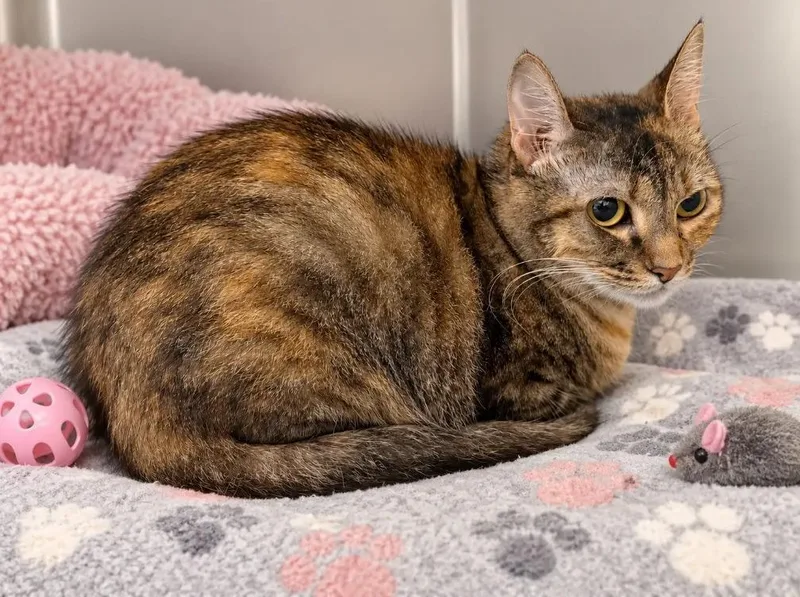
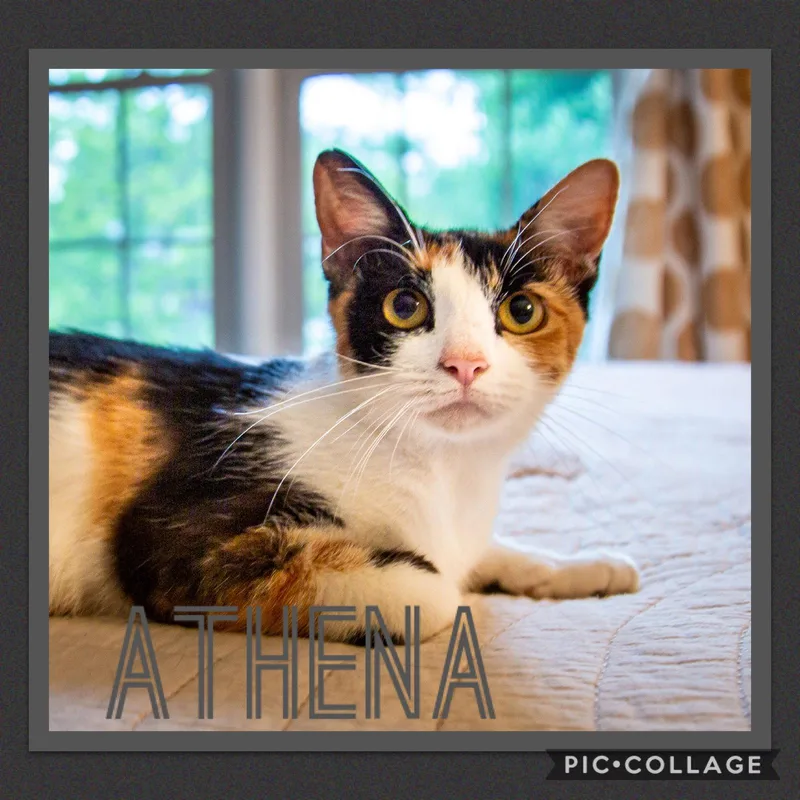
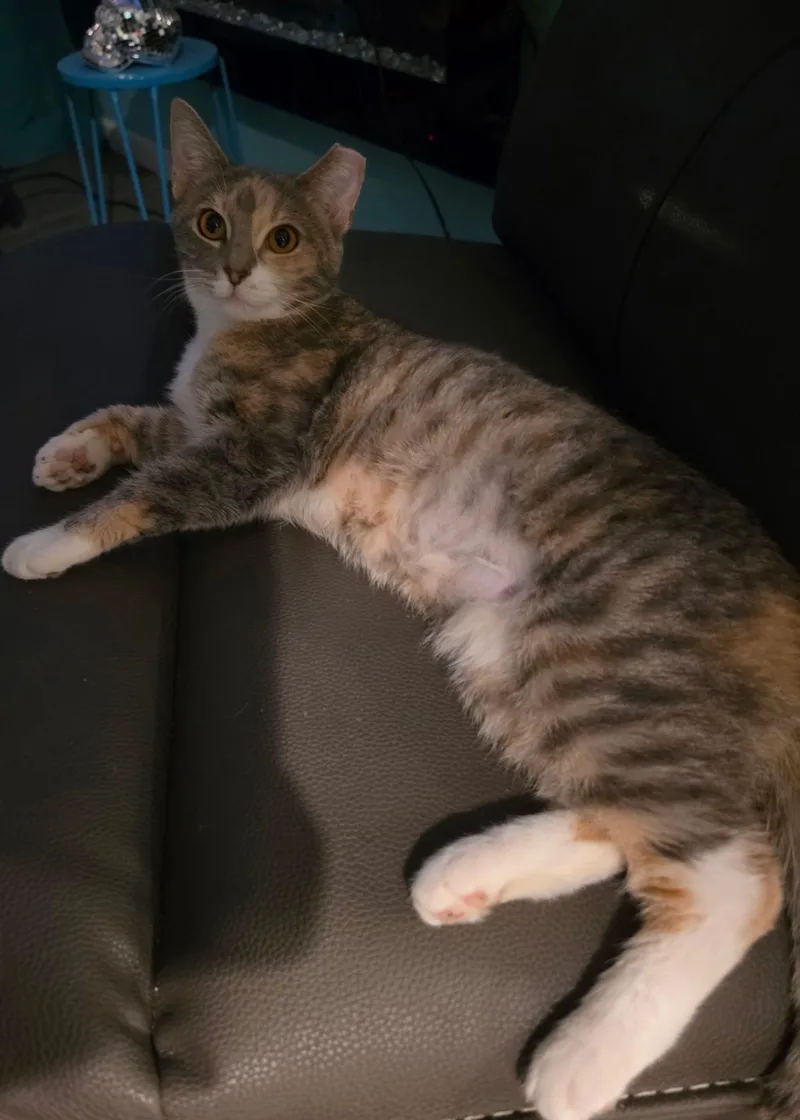
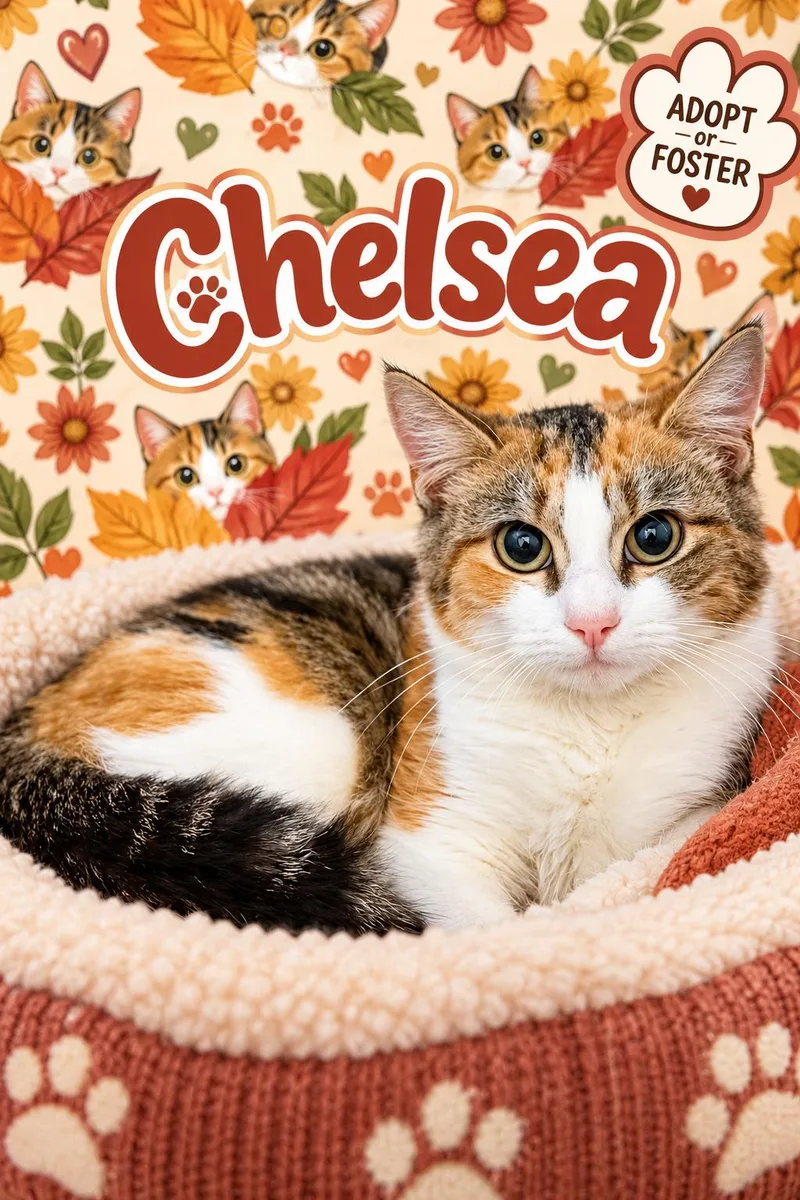
Calico describes a coat, not a breed: white with patches of black and orange, or soft gray and cream in the dilute version. The pattern appears in domestic shorthairs and longhairs and in many pedigreed breeds. Because the orange and black color genes ride on the X chromosome, nearly all calicos are female, and the rare males are typically sterile.

In Louisville, most calicos you meet are domestic shorthairs, so size, coat and health look like those of any house cat, usually 6 to 12 pounds and living 12 to 18 years. Folklore credits calicos with sass, but coat color hasn't been shown to predict personality. Spending time with a cat and watching how she handles people and other pets tells you far more than her patches do.

Weight
6–12 lbs
Height
8–10 in
Lifespan
12–18 yrs
Temperament
Adaptable, Affectionate, Independent
Shedding
Moderate

Owning a Calico in Louisville

Having a Calico in Louisville

Because calico is a coat and not a breed, a calico's traits come from her ancestry, upbringing and age. In Louisville, that mostly means a moderate-energy shorthair who needs vaccines, play, a license and a safe indoor routine.

Temperament

Calicos can be shy and gentle or bold and chatty, because personality follows a cat's genes and experiences, not her colors. The "tortitude" reputation hasn't been reliably confirmed. In a Louisville apartment, a cat who stays relaxed around visitors and street noise is a good match, so watch how she reacts to new things.

Exercise Needs

Plan two or three short play sessions a day with wand toys, balls or food puzzles, plus a window perch to watch the neighborhood. Louisville's cold snaps and wet spring storms keep many cats inside, so indoor play matters. Kittens and young adults need more activity than seniors, and fluffier or heavier mixes may prefer gentler games.

Health Considerations

Coat color doesn't cause health problems in female calicos, so care means vaccines, dental care, weight control and yearly checkups. Louisville cats need rabies vaccination, and a veterinarian can check teeth, weight and heart at a new cat's first visit. The rare male calico may face added urinary and metabolic issues.

Living Space

A calico usually does well in a small apartment or a house if she has a perch, scratching posts, hiding spots and daily play, which suits Louisville's many renters. Shy cats appreciate a quiet room at first. Keeping her indoors, with a catio or harness for outdoor time, protects her from traffic and wildlife.

What it costs to own a Calico in Louisville

ExpenseTypical costPer year
Food$25 to $50 per month$300 to $600
Pet insurance$20 to $45 per month$240 to $540
Routine vet care$150 to $350 per year$150 to $350
Other*$460 to $1,160 per year$460 to $1,160
Estimated yearly total (after year one)$1,150 to $2,650

Other costs are estimates and vary with size, age and health.

* Litter, flea prevention, a dental cleaning allowance, toys and supplies, home brushing, and the $10 Louisville license for a spayed or neutered cat.

Adopt a Calico in Louisville.

Now that you know more, let’s find you a new best friend. These rescues and shelters below currently have Calicos available.

Frequently Asked Questions

Yes, Louisville has no known breed-based rules for cats, and coat color doesn't matter. You'll need a county license for a cat four months or older, a rabies vaccination and a microchip. Altered cats cost far less to license than unaltered ones, so spaying or neutering is the cheaper route as well as the healthier default.

Often, yes, if you can offer indoor play and a cat-safe home. A calico's moderate energy suits both Louisville's older rentals and its houses, and tall windows give her plenty to watch. Since calico is a coat rather than a breed, meet the cat first: a shy cat and a bold talker need different homes.

Yes, a typical calico does well in an apartment. Pet policies vary by building, so read the lease for pet fees and rent before you commit. Add a window perch, scratching posts and daily play so she stays busy while you're out, and give a shy newcomer a quiet room to settle into.

Yes, for an indoor calico. Humid summers with about 40 days at 90°F or higher call for shade, a fan or air conditioning, and plenty of water, while freezing winters are easy to handle indoors. Spring thunderstorms and fireworks nights can frighten cats, so give her a quiet interior hiding spot.

Most calicos are shorthaired and need a quick brush once or twice a week, while longhaired mixes need brushing several times a week to prevent mats. Shedding is moderate and can rise with the seasons, and extra brushing helps longhaired cats through humid summers. Home brushing is already counted in the Other cost line, and a shorthair rarely needs a groomer.

Louisville's TARC runs buses only, with no subway or rail, and service animals are allowed aboard. For a pet cat, check TARC's current rules before riding. Whatever the ride, use a secure, covered carrier so she feels safe, and plan vet trips by car when you can.

Almost all calico cats are female, but not every single one. The genes for orange and black coat color sit on the X chromosome, so a cat normally needs two X chromosomes to show both colors at once. Roughly 1 in 3,000 calicos is male, usually because of an extra X chromosome, a genetic quirk rather than a separate type.

A calico cat is any cat with a three-color coat of white plus distinct patches of black and orange, or gray and cream in dilute calicos. Calico is a coat pattern rather than a breed, so it appears in domestic shorthairs, longhairs and many pedigreed breeds. Nearly all calicos are female because of how coat color genes are inherited.

We have 1 rescue with Calicos available: Shamrock Pet Foundation Inc.. You can see every rescue with Calicos available in the list above these questions, or scroll to the top to see the Calicos near Louisville.

Expect roughly $1,150 to $2,650 a year for a calico in Louisville, covering food, insurance, routine vet care and other costs such as litter and prevention. Food runs $25 to $50 a month and insurance $20 to $45. Routine vet care is $150 to $350 a year, and other costs $460 to $1,160. Emergencies are extra.