Manx Cats for Adoption in Georgetown, KY

Your guide to finding and caring for a Manx in Georgetown

A Manx fits a quiet older home near East Main Street in Georgetown as easily as it fits an apartment. These cats like to be wherever their people are, so expect a window-watching routine by day and a shadow in the kitchen by evening. Give one a tall cat tree by the glass and a few minutes of fetch with a toy mouse, and it will keep itself busy. Most are happy with that much space and a lap at night.

281 Manxes available in Georgetown and nationwide

Find your Manx

While we don't have enough cats near Georgetown, keep in mind that many rescues may offer transport.

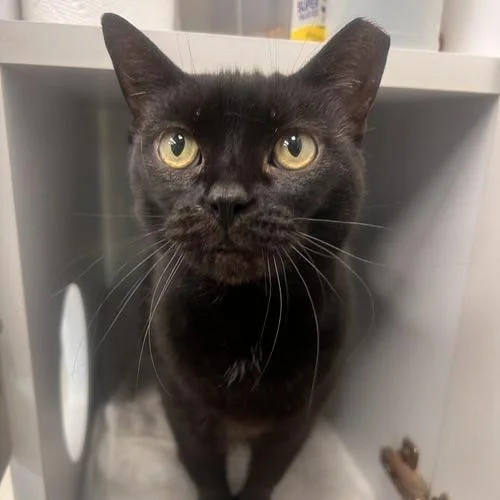
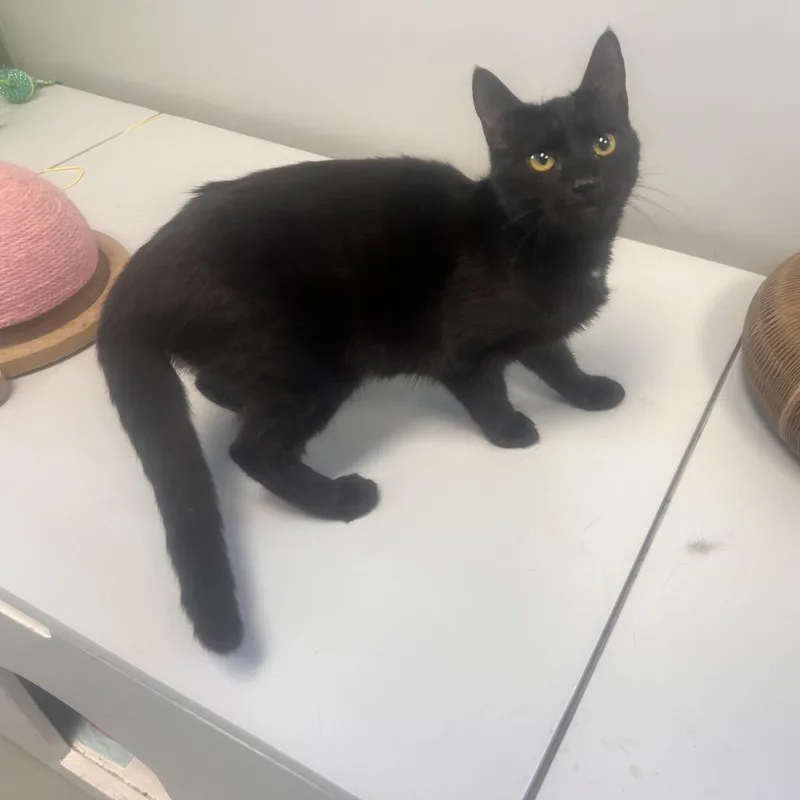
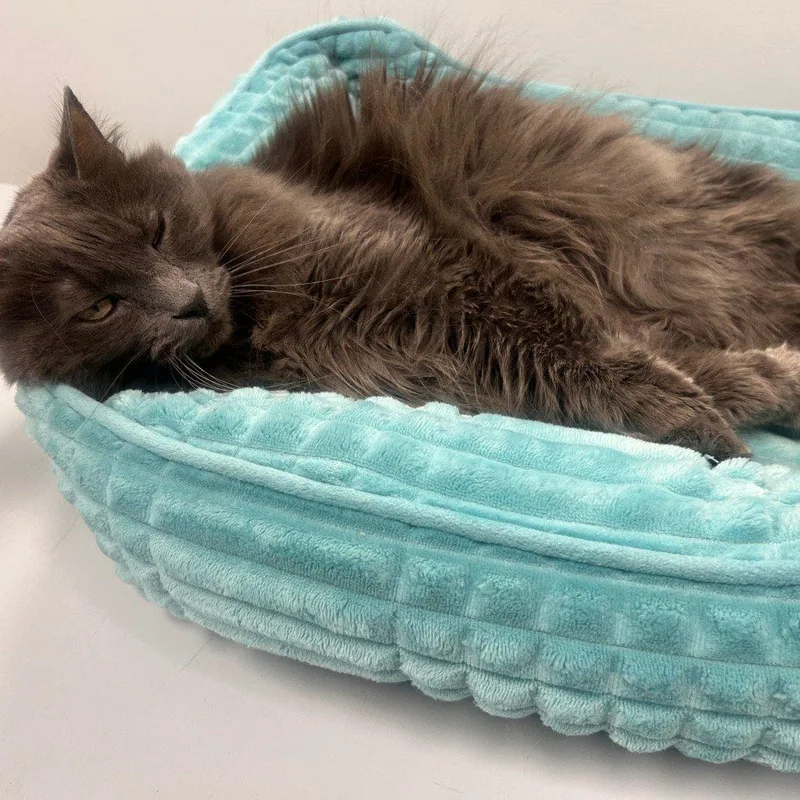
Manxes Available for Adoption Near Georgetown

About the Manx breed

The Manx comes from the Isle of Man in the Irish Sea, where a natural mutation produced cats with no tail or a short one. Tail length varies a lot, from a dimple to a nearly full tail, so a Manx in Georgetown may not look tailless at all. All share a round, sturdy build, a short back and hind legs longer than the front, which gives the rump its rounded shape. The thick double coat comes in many colors.

Many Manx are gentle, devoted and playful in bursts, and they chirp and trill rather than yowl. They mature slowly, often over three to five years. The tailless gene can cause spinal, bowel and bladder problems known as Manx syndrome, usually visible in kittenhood, so a veterinary exam soon after adoption is worthwhile. Shedding is moderate.

Weight
8–12 lbs
Height
8–10 in
Lifespan
10–14 yrs
Temperament
Playful, Devoted, Gentle
Shedding
Moderate

Owning a Manx in Georgetown

Having a Manx in Georgetown

Manx cats pair a rounded, sturdy build and strong hind legs with a people-focused nature. In Georgetown most live indoors, so cat trees, daily play and attention to spine, bowel and bladder health matter more than any outdoor space.

Temperament

Many Manx are gentle and devoted, often picking a favorite person to follow around the house. They tend to be playful in short bursts and then settle into long naps, which suits a household with a steady routine. Some are reserved with visitors at first, and each cat's comfort level varies.

Exercise Needs

Plan on daily play: wand toys, fetch and food puzzles use the energy those strong hind legs build. A tall cat tree by a window gives a Manx a place to climb and watch the street. Two or three short sessions a day help keep this solid breed at a healthy weight.

Health Considerations

Manx syndrome can affect the spine, hind legs, bladder and bowel, usually showing in kittenhood, and tailless cats are more at risk. Stumpy tails may develop arthritis, and constipation or megacolon can occur. Kentucky requires rabies vaccination by four months, and a veterinary exam soon after adopting is a smart start.

Living Space

A Manx does well in a house or an apartment in Georgetown as long as it has sturdy climbing furniture, a quiet resting spot and regular company. Keep it indoors, away from traffic. A cat with mobility or continence trouble may need a low-sided litter box and ramps.

What it costs to own a Manx in Georgetown

ExpenseTypical costPer year
Food$25 to $50 per month$300 to $600
Pet insurance$30 to $60 per month$360 to $720
Routine vet care$150 to $350 per year$150 to $350
Other*$450 to $1,150 per year$450 to $1,150
Estimated yearly total (after year one)$1,260 to $2,820

Other costs are estimates and vary with size, age and health.

* Litter, parasite prevention, a dental cleaning allowance, toys and scratchers, and basic brushing supplies for the double coat.

Adopt a Manx in Georgetown.

Now that you know more, let’s find you a new best friend. These rescues and shelters below currently have Manxes available.

Rescues in Georgetown with Manxes Available

Georgetown's county shelter and volunteer-run humane society help cats and kittens find homes across Scott County. Here are the rescues & shelters in the Georgetown area where you can find Manxes and other cats available for adoption.

Frequently Asked Questions

Yes. No known Georgetown rule restricts Manx cats or any other cat breed. Kentucky does require rabies vaccination by four months of age, so keep proof of it handy. Beyond that, a landlord or homeowners association may set its own pet rules, so read your lease or community rules before bringing a cat home.

Yes, a Manx usually adapts well to apartment life. Vertical space matters more than square footage, so a sturdy cat tree by a window, a scratching post and daily play with wand toys or fetch go a long way. If you rent, confirm the landlord's pet policy and any deposit or pet rent before you sign.

It can be, especially for people who are home often and enjoy interactive play. Manx cats tend to bond closely and like company, so long days alone may be hard on one. Georgetown's older homes near downtown and its apartments both suit an indoor cat, and a vet visit soon after adopting is wise.

Generally yes for an indoor Manx. Winters are cold, with about 90 freezing nights a year, but a thick double coat and a heated home make that easy. Summers are humid with some days above 90°F, so keep rooms cool and water fresh. In stormy spring weather, keep a carrier ready.

Yes, as long as the Manx is in a secured pet carrier. Bluegrass RIDE, Georgetown's local bus service, runs two routes Monday through Saturday, and the fare is free. Pets that aren't service animals must stay in the carrier for the whole ride, so choose a sturdy, ventilated one and practice at home first.

Weekly brushing is enough for most shorthaired Manx, with more for longhaired cats, especially during spring and fall shedding. Georgetown's cold winters and humid summers don't change the routine much. Most owners groom at home, which is why the yearly Other cost estimate covers basic brushing supplies rather than regular salon visits.

A Manx is a medium-sized cat breed from the Isle of Man, best known for having no tail or a short tail due to a natural genetic mutation. Manx cats are round and sturdy, with longer hind legs, a thick double coat and a gentle, playful personality. Some Manx have full-length tails, since tail length varies even within litters.

Manx cats look round and compact, with a short back, a rounded rump and hind legs longer than the front legs, giving them a rabbit-like stance. They have round heads, big round eyes and a dense double coat in many colors. Most famously, they may be completely tailless, have a stub, or carry a short or full tail.

We have 1 rescue with Manxes available: Saved By Fate Dog Rescue. You can see every rescue with Manxes available in the list above these questions, or scroll to the top to see the Manxes near Georgetown.

Expect roughly $1,260 to $2,820 a year for a Manx in Georgetown. That covers food at $25 to $50 a month, insurance at $30 to $60 a month, routine vet care at $150 to $350 a year, and $450 to $1,150 a year for litter, parasite prevention, dental care and supplies. Pricing insurance early makes sense given the breed's spinal health risks.

Find Manxes in Nearby Cities

Expand your search to find Manxes available for adoption near Georgetown.