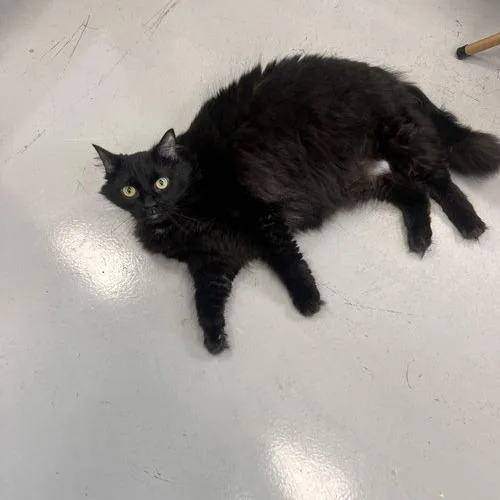
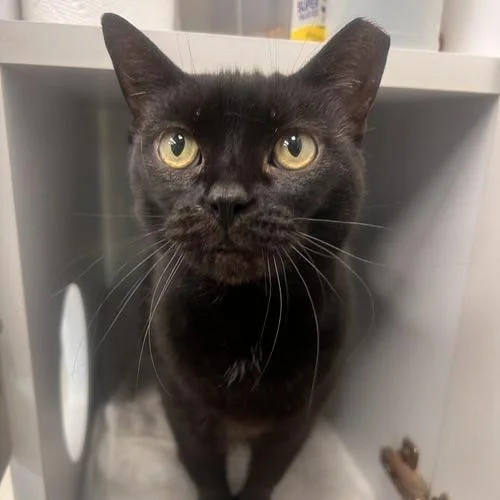
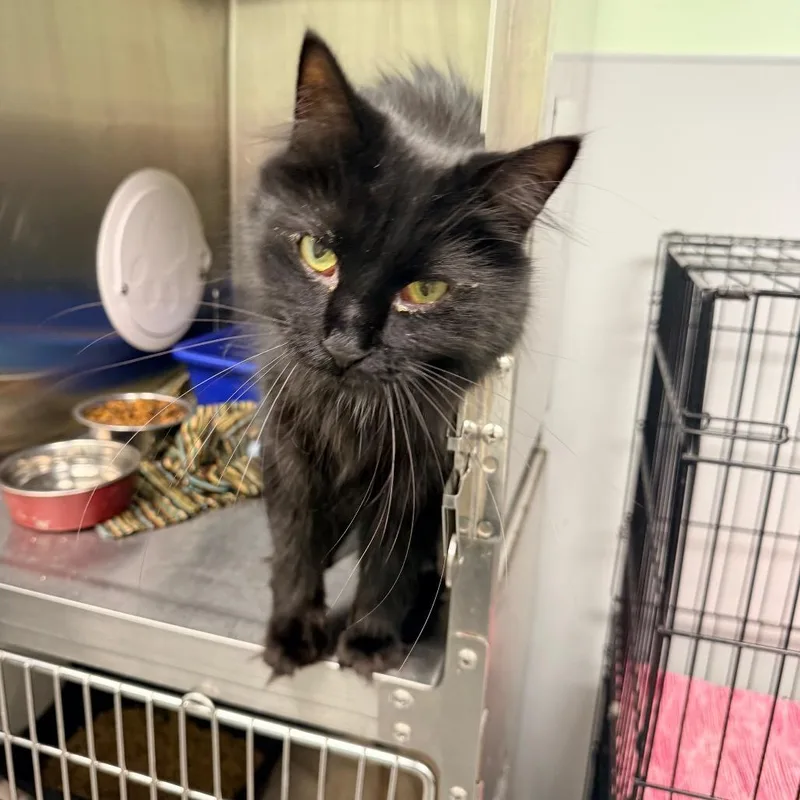
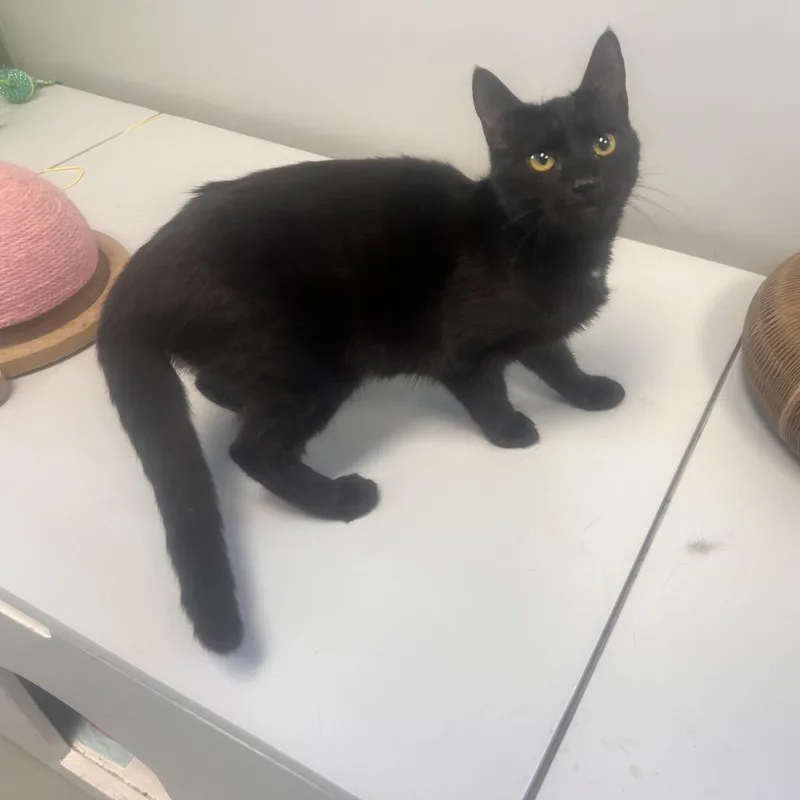
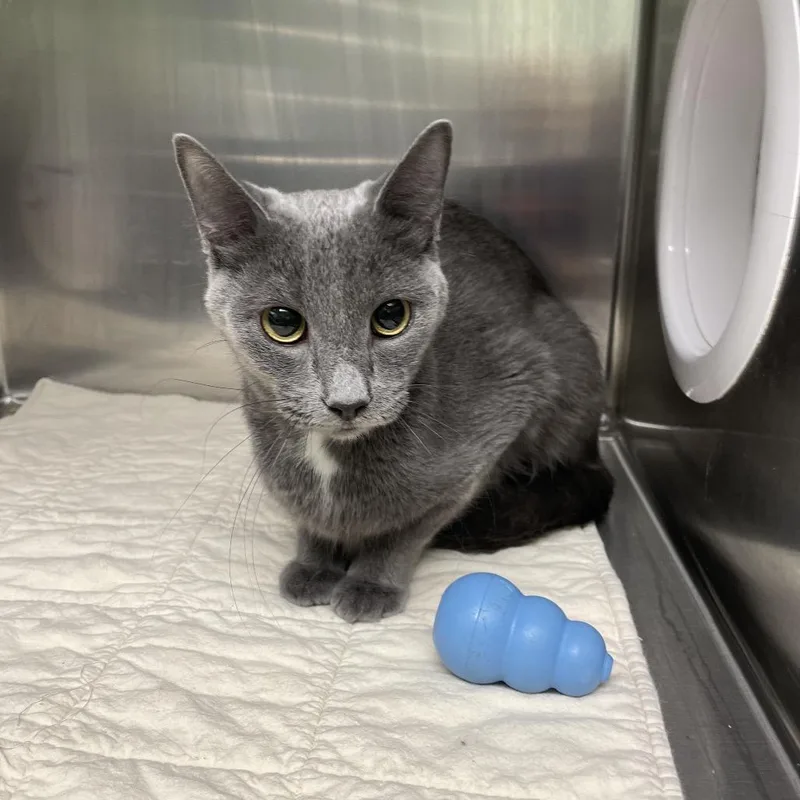
Domestic Long Hair Cats for Adoption in Georgetown, KY

Your guide to finding and caring for a Domestic Long Hair in Georgetown

Domestic Long Hair cats fit Georgetown's mix of older streets and newer neighborhoods, because they care more about a sunny window than a big yard. Whether home is a house near East Main Street or a place off Champion Way, the routine is similar: a perch by the glass, a couple of play sessions and a few minutes with a brush. Long hair describes the coat, not a breed, so these cats range from lap sitters to busy explorers.

5928 Domestic Long Hairs available in Georgetown and nationwide

Your Domestic Long Hair is waiting

Domestic Long Hairs Available for Adoption Near Georgetown

About the Domestic Long Hair breed

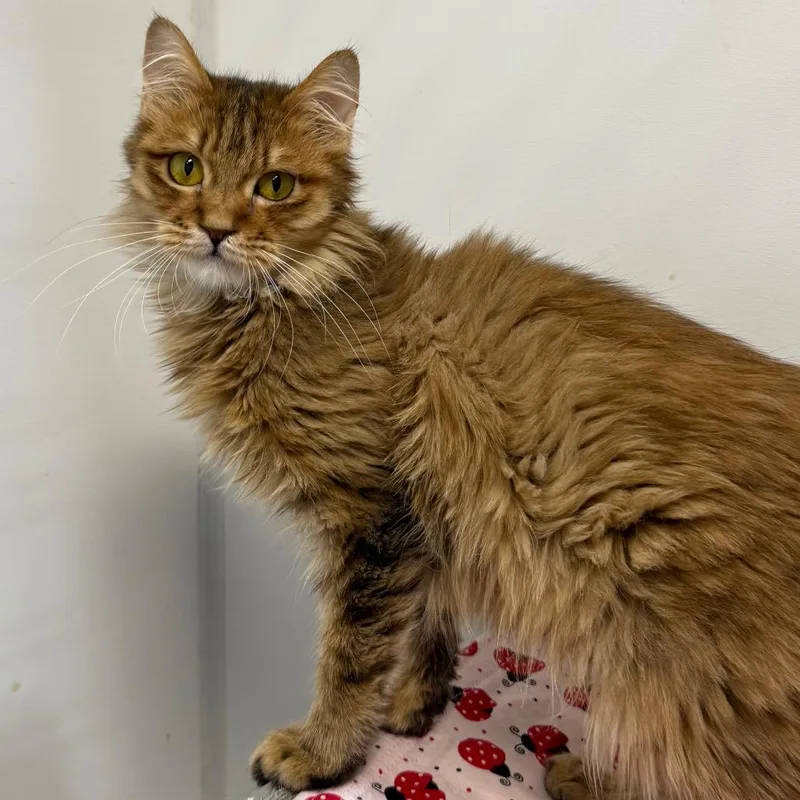
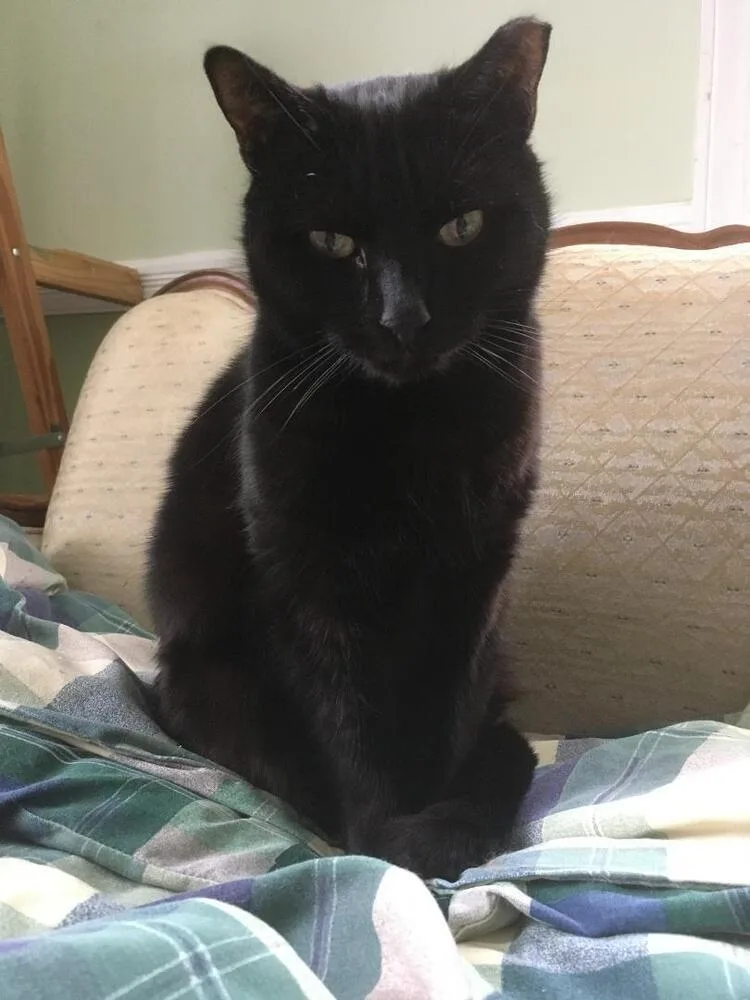
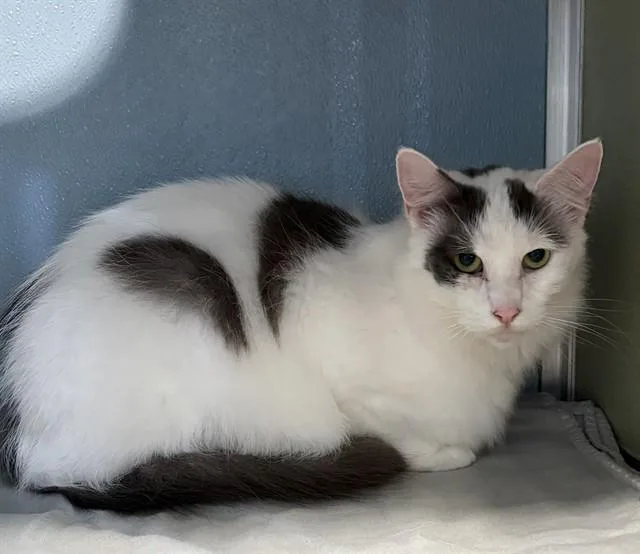
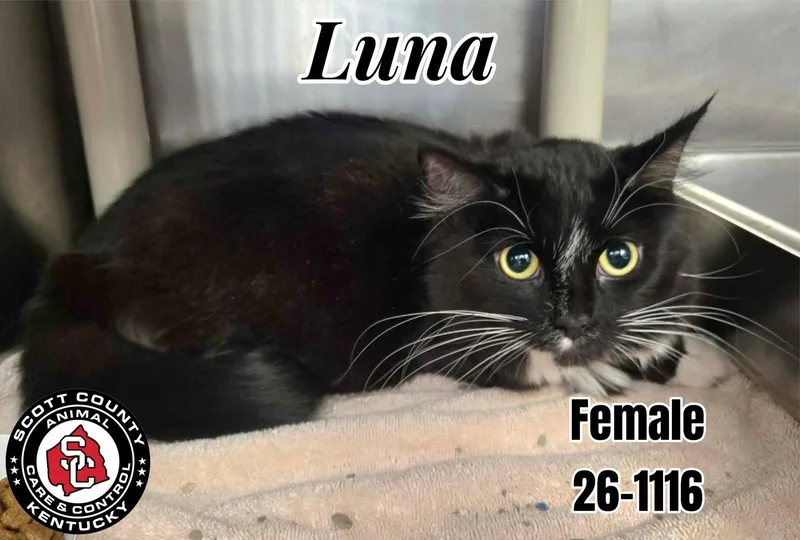
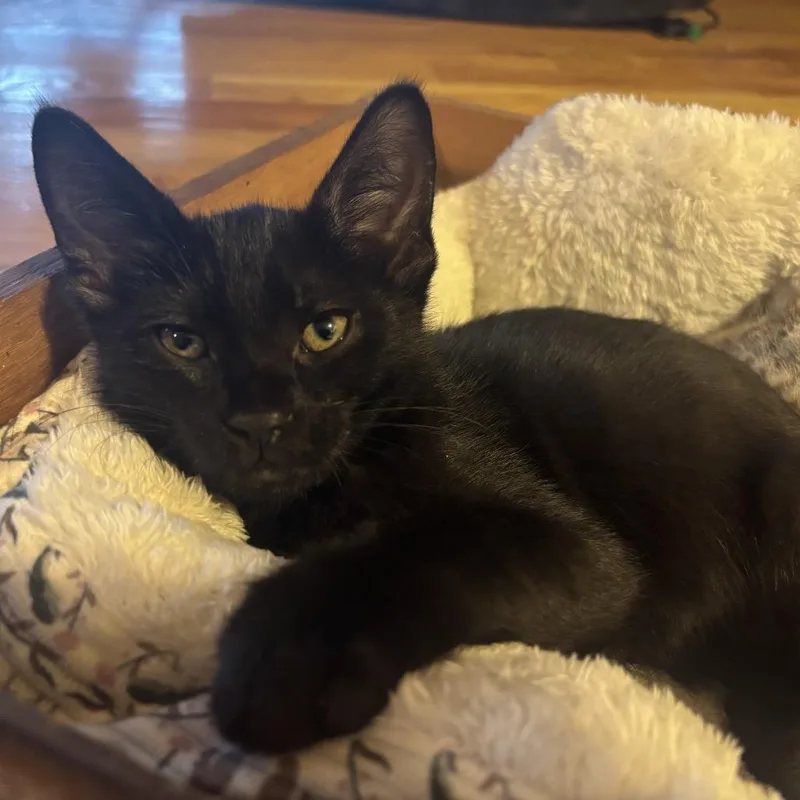
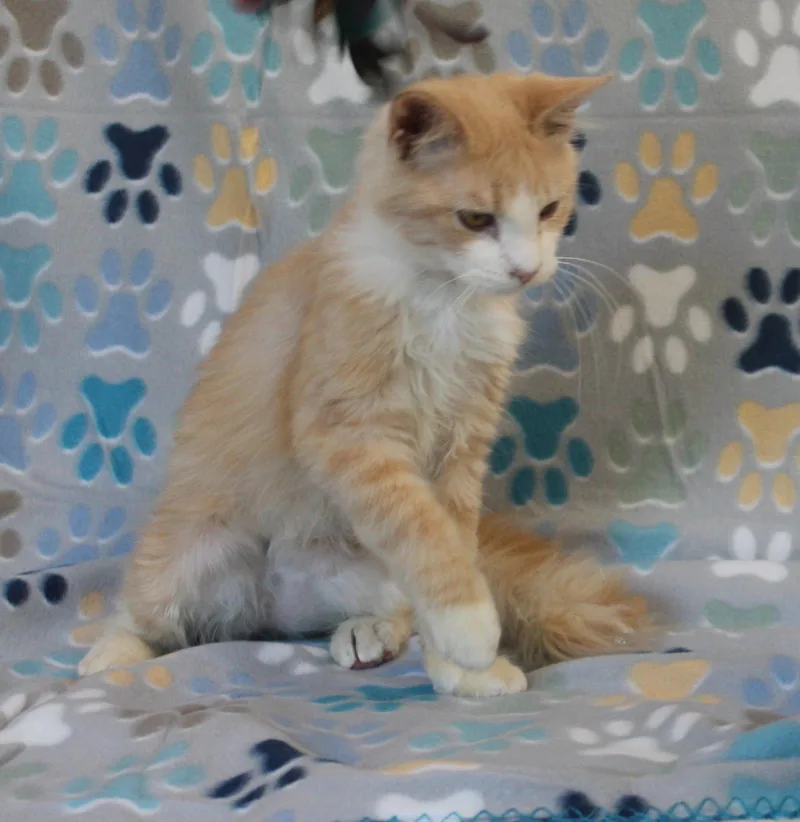
Domestic Long Hair isn't a breed. It's the label used for mixed-ancestry cats with medium to long fur, the fluffy counterpart of the Domestic Short Hair. They come in every color and pattern, from tabby and calico to solid black, smoke and bicolor, and most adults weigh between 8 and 15 pounds, though the coat can make a cat look larger than it is.

Because there's no breed standard, personality and coat texture vary from cat to cat. Many are affectionate and adaptable once they settle in. Indoor living suits them well in Georgetown, since it keeps the coat free of burrs and mud and the cat away from traffic. The trade-off is regular brushing to prevent mats and hairballs, with extra attention when shedding picks up in spring and fall.

Weight
8–15 lbs
Height
8–11 in
Lifespan
12–18 yrs
Temperament
Adaptable, Affectionate, Gentle
Shedding
Moderate to High

Owning a Domestic Long Hair in Georgetown

Having a Domestic Long Hair in Georgetown

Domestic Long Hairs share a coat type, not a pedigree, so traits vary from cat to cat. For a Georgetown home, what matters most is the cat's own personality, a steady brushing routine and the sturdy health that mixed ancestry tends to bring.

Temperament

Temperament comes from each cat's genes, early socialization and past experience, not from the coat. In Georgetown households you may meet everything from mellow lap cats to bold explorers and shy cats who warm up slowly. Many are affectionate and adaptable once settled, so give a new cat a quiet room and a few days to adjust.

Exercise Needs

Most Domestic Long Hairs enjoy two short play sessions a day with wand toys, balls or puzzle feeders. Climbing trees and window perches keep indoor cats busy, and play helps prevent weight gain, which makes self-grooming harder. A cat that tolerates a harness can try short, supervised outings in a Georgetown-Scott County park.

Health Considerations

Mixed ancestry brings broad genetic diversity, so these cats aren't tied to the inherited problems of particular breeds. Long coats are prone to mats, hairballs and soiled fur around the rear, especially in older or overweight cats. Dental disease, obesity and kidney disease are common in cats generally, so yearly vet checkups matter.

Living Space

Whether it's a house or an apartment in Georgetown, a Domestic Long Hair does well with litter boxes, scratching posts, hiding spots and room to climb. Indoor living protects the coat and the cat. Thick-coated cats like cool resting spots in warm weather, and a grooming routine matters more than square footage.

What it costs to own a Domestic Long Hair in Georgetown

ExpenseTypical costPer year
Adoption fee$151, one time$151 in year one
Food$25 to $50 per month$300 to $600
Pet insurance$20 to $45 per month$240 to $540
Routine vet care$150 to $350 per year$150 to $350
Other*$500 to $1,250 per year$500 to $1,250
Estimated yearly total (after year one)$1,190 to $2,740
First-year total (with adoption fee)$1,341 to $2,891

Adoption fee is the fee on Domestic Long Hair listings in Georgetown on GetBuddy today. Other costs are estimates and vary with size, age and health.

* Litter, flea prevention, a dental cleaning allowance, toys, scratchers and other supplies, and brushing tools or grooming for the long coat.

Adopt a Domestic Long Hair in Georgetown.

Now that you know more, let’s find you a new best friend. These rescues and shelters below currently have Domestic Long Hairs available.

Rescues in Georgetown with Domestic Long Hairs Available

Scott County's open-admission shelter and a volunteer-run humane society work together to place Georgetown-area cats in homes. Here are the rescues & shelters in the Georgetown area where you can find Domestic Long Hairs and other cats available for adoption.

Frequently Asked Questions

Yes. No known Georgetown rule limits Domestic Long Hairs, which are a coat type rather than a breed, so the usual adoption steps apply: an application, a home that allows pets and a vet visit soon after. Availability changes, so browse the cats listed here and save a search to hear when new longhairs appear.

Yes, most do well in apartments. Long-haired cats care more about climbing space, a window perch, scratching posts and daily play than square footage. Because the coat sheds, plan on regular brushing and a good vacuum. Before applying anywhere, confirm the pet policy and any pet fees in writing so there are no surprises at move-in.

Yes, for adopters who can offer daily company and a few minutes of brushing. Georgetown's four seasons keep most cats happily indoors, and the county parks allow leashed outings for cats that enjoy a harness. Because long hair is a coat type, personality varies, so pick a cat whose temperament matches your routine.

Yes, as indoor cats they handle it easily. Georgetown winters bring regular freezing nights and snow, but a thick coat and a warm home make that comfortable. Keep beds away from drafts, keep brushing to prevent mats, and don't leave a cat outdoors during cold snaps or let it wander onto icy, salted pavement.

Plan on brushing a few times a week, and daily when the cat is shedding heavily in spring and fall. Georgetown's humid summers and dry heated winter air can both encourage mats, so check behind the ears, under the legs and near the tail. Brushing at home is cheap, and any professional grooming fits within the yearly Other costs.

Yes, if the cat is in a secured pet carrier. Bluegrass RIDE buses are fare-free Monday through Saturday on two local routes, and non-service pets may only ride in a carrier. Choose a sturdy, well-ventilated one and let the cat practice at home first. Confirm current schedules with Bluegrass RIDE before heading out.

You can usually tell a kitten will have long hair by about three to four weeks old, when its fur looks noticeably fluffier than its littermates'. Look for longer tufts on the ears, between the toes and on the tail, plus a softer, fuller coat overall. The full adult coat, ruff and tail plume can take one to two years to develop.

Yes, long hair is a recessive trait in cats. A kitten needs two copies of a long-hair variant, usually in the FGF5 gene, one from each parent, to grow a long coat. Two shorthaired parents can produce longhaired kittens if both carry the variant, while a longhair bred to a cat with two short-hair copies produces only shorthaired kittens.

We have 2 rescues with Domestic Long Hairs available: Scott County Animal Shelter and Scott County Humane Society. You can see every rescue with Domestic Long Hairs available in the list above these questions, or scroll to the top to see the Domestic Long Hairs near Georgetown.

Expect roughly $25–$50 a month for food and $20–$45 a month for optional pet insurance. Routine vet care runs about $150–$350 a year, and other costs such as litter, flea prevention, dental care, supplies and brushing add about $500–$1,250 a year. Adoption fees appear on each listing.